
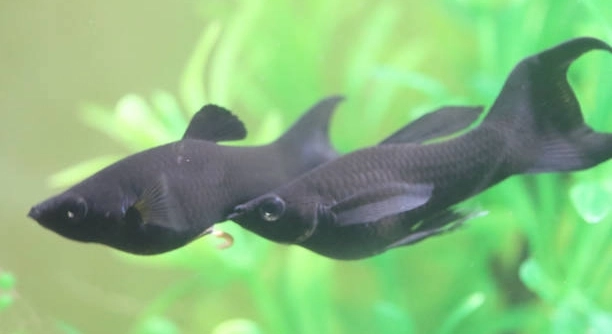
Black mollies are lively, attractive fish that add charm to any aquarium. Their confidence influences swimming behavior, social interaction, and overall well-being, making it important for owners to understand what encourages their self-assurance and comfort.
Several key factors boost black molly confidence, including tank size, water quality, diet, compatible tank mates, hiding spots, lighting, and regular maintenance. Proper attention to these elements ensures black mollies display natural, healthy behaviors consistently.
Maintaining these conditions will help your black mollies thrive, ensuring they remain active, vibrant, and at ease within their aquatic environment.
Tank Size and Space
Black mollies require adequate swimming space to feel secure and confident. Crowded tanks can lead to stress, aggression, and limited movement, which directly affects their behavior. Providing at least 20 gallons for a small group allows them to explore, interact, and establish territories without constant competition. A spacious tank reduces stress hormones, encourages active swimming, and helps maintain overall health. Decorations and plants should not restrict movement but can create natural hiding spots that mollies use to feel safe. Open swimming areas combined with gentle currents simulate their natural environment and contribute to mental stimulation. Observing their movement patterns can indicate comfort levels. If mollies are hiding excessively or showing erratic swimming, the tank may be too small or poorly arranged. Adjusting the layout and ensuring enough room is essential for boosting confidence and promoting balanced social interaction among tank mates.
Providing enough space keeps black mollies active, reduces stress, and encourages natural behaviors.
Ensuring proper tank size is one of the simplest ways to enhance molly confidence. A larger environment allows them to swim freely, explore, and interact without fear. It reduces aggression, supports healthy growth, and creates room for plants and decorations that offer security. Balanced spacing also minimizes territorial disputes, helping them feel in control. Watching how mollies move in their tank can guide adjustments. Overcrowding or poorly placed decorations may force them into hiding or disrupt social hierarchies. By respecting their need for space, owners can maintain calm, active, and confident fish. A well-planned tank enhances not only physical health but also emotional stability, leading to more lively and engaging behavior, which makes daily observation more enjoyable and rewarding.
Water Quality and Parameters
Stable water conditions are essential for black mollies to feel safe.
Black mollies thrive in slightly brackish water with a pH between 7.5 and 8.5, temperatures from 75 to 82°F, and clean, well-filtered water. Regular monitoring and partial water changes prevent harmful buildup of ammonia, nitrites, and nitrates. Sudden fluctuations in temperature, pH, or hardness can stress them, reducing appetite and altering social interactions. Proper water flow also matters, as mollies enjoy gentle currents that mimic natural streams. Testing kits and routine checks help maintain these parameters, ensuring consistency. Adjusting salt content slightly in freshwater tanks can support their comfort. Clear water encourages natural swimming, breeding behaviors, and confident exploration of the tank. Creating a stable aquatic environment strengthens immunity and overall resilience. Maintaining proper water quality fosters trust in their surroundings, allowing black mollies to display vibrant colors, active swimming, and healthy social dynamics.
Would you like me to continue with the next headers following the same format?
Diet and Nutrition
A balanced diet keeps black mollies healthy and confident. High-quality flakes, occasional frozen foods, and vegetable matter provide essential nutrients and support strong immune systems.
Variety in diet prevents boredom and encourages active feeding. Black mollies thrive on a mix of protein-rich foods, like brine shrimp or daphnia, combined with plant-based options such as blanched spinach or spirulina. Overfeeding can lead to obesity and poor water quality, which stresses the fish. Offering small, frequent meals ensures proper digestion and energy for swimming and social interaction. Observing their eating habits can indicate health status and comfort levels, allowing timely adjustments to diet.
Consistent feeding schedules also help mollies establish routines. A well-fed fish displays vibrant color, engages with tank mates, and explores its environment confidently. Neglecting dietary needs may cause lethargy, hiding behavior, or aggression, reducing overall confidence in the aquarium setting. Balanced nutrition directly contributes to their physical and emotional well-being.
Hiding Spots and Decorations
Providing hiding spots reduces stress and encourages confidence. Plants, rocks, and small caves create safe areas for black mollies to retreat when feeling threatened or shy.
Hiding spots also promote natural behaviors like exploring and establishing territories. Black mollies use these areas to rest, avoid aggression, and feel secure in unfamiliar situations. Decorations should be arranged to offer both open swimming areas and sheltered zones. Too many obstacles can restrict movement, while too few may leave them exposed. Incorporating live or artificial plants, smooth rocks, and driftwood provides diversity and comfort, which boosts confidence. Observing their use of these spaces shows how secure they feel in their tank.
Decorations contribute to mental stimulation, helping mollies navigate their environment confidently. They support social hierarchies by giving subordinate fish safe areas. Properly placed shelters reduce stress-related illnesses, enhance color expression, and encourage active swimming. A thoughtful tank layout with accessible hiding spots strengthens black mollies’ sense of security, allowing them to display natural behaviors without fear or hesitation.
Lighting
Proper lighting helps black mollies feel secure and active. Bright but natural lighting supports normal activity and color display without causing stress.
A consistent day-night cycle is important. Too much light can make them hide, while too little may reduce activity and confidence. Using a timer ensures stable lighting patterns and mimics natural conditions.
Compatible Tank Mates
Black mollies interact best with peaceful, similarly sized fish. Aggressive or fin-nipping species can intimidate them, lowering confidence and causing stress.
Keeping compatible tank mates promotes social behavior and reduces fear. Ideal companions include platies, guppies, and small peaceful tetras. Avoid overcrowding and ensure all species have enough space. Observing interactions allows adjustments to maintain harmony.
Regular Maintenance
Frequent tank cleaning supports confidence and health. Removing debris, checking filters, and performing partial water changes maintain a safe environment.
A clean tank prevents disease, reduces stress, and encourages natural behaviors. Regular maintenance also allows observation of molly health, ensuring any issues are addressed promptly.
FAQ
How often should I feed my black mollies?
Feeding black mollies twice a day with small portions works best. They respond well to a mix of high-quality flakes, frozen foods, and occasional vegetables. Overfeeding can harm water quality and cause stress, so stick to amounts they can consume within a few minutes. Observing their eating behavior helps adjust portions appropriately.
Can black mollies live with other fish?
Yes, black mollies do well with peaceful, similarly sized fish. Ideal tank mates include guppies, platies, and small tetras. Aggressive or fin-nipping species should be avoided, as these can stress mollies and reduce confidence. Providing hiding spots ensures all fish feel secure.
What water parameters are best for black mollies?
Black mollies prefer slightly brackish water with a pH between 7.5 and 8.5 and temperatures from 75 to 82°F. Stable conditions are critical. Ammonia, nitrite, and nitrate levels must be monitored regularly. Partial water changes help maintain these parameters and keep mollies healthy and confident.
How important is tank size for black mollies?
Tank size significantly impacts confidence and behavior. A minimum of 20 gallons for a small group is recommended. More space allows free swimming, reduces aggression, and provides room for decorations and hiding spots. Observing movement and interactions indicates whether the space is sufficient.
Do black mollies need hiding spots?
Yes, hiding spots reduce stress and boost confidence. Live or artificial plants, rocks, and small caves provide safe retreats. They also encourage natural behaviors like exploring and resting. Proper placement ensures open swimming areas remain while offering security when needed.
How can I tell if my black mollies are stressed?
Signs of stress include hiding excessively, erratic swimming, loss of color, or reduced appetite. Stress can result from poor water quality, overcrowding, or aggressive tank mates. Regular monitoring of behavior and water parameters helps detect and resolve issues early, promoting confidence.
Do black mollies need a special diet?
A varied diet is essential. Protein sources like brine shrimp or daphnia combined with plant-based foods like spinach or spirulina support growth and immunity. Consistent feeding routines improve activity, color, and overall confidence in the tank.
How often should I clean the tank?
Partial water changes weekly or biweekly and regular filter maintenance are necessary. Clean tanks reduce stress, prevent disease, and create a safe environment. Regular observation during maintenance also helps track molly health and behavior.
What lighting is ideal for black mollies?
Consistent lighting with a stable day-night cycle supports activity and color display. Avoid excessive brightness that may cause hiding or too little light that reduces confidence. Using a timer helps maintain a reliable schedule.
Can black mollies live in freshwater or saltwater?
Black mollies are versatile but thrive in slightly brackish water. Adding a small amount of aquarium salt to freshwater tanks can improve health and comfort. Monitoring salinity ensures it remains within safe levels to boost confidence and prevent stress.
How do I encourage social behavior in black mollies?
Providing compatible tank mates, adequate space, and hiding spots encourages interaction. Observing social hierarchies and adjusting the environment if aggression occurs ensures all mollies feel secure, promoting confident and natural behavior in the tank.
Is temperature control necessary for black mollies?
Yes, stable temperatures between 75 and 82°F are crucial. Sudden changes can stress mollies, reduce appetite, and affect activity. Using a reliable heater and thermometer helps maintain consistent conditions, supporting both health and confidence.
Can black mollies adapt to new tanks quickly?
They can adapt if water conditions match their previous environment, adequate space is provided, and stressors are minimized. Gradual acclimation using the drip method helps reduce shock, allowing them to explore, feed, and interact confidently.
How do decorations affect black molly confidence?
Decorations offer security, support natural behaviors, and reduce stress. A balance of open swimming areas and hiding spots creates a comfortable environment. Observing their use of these spaces allows adjustments to maximize comfort and promote confident behavior.
Are black mollies sensitive to water changes?
They tolerate water changes well if done gradually. Sudden large changes can cause stress. Regular, partial water changes maintain water quality while keeping mollies active, healthy, and confident in their environment.
Can I keep male and female black mollies together?
Yes, males and females can coexist, but males may chase females during breeding. Providing hiding spots and sufficient space helps females avoid stress. Proper tank management ensures both genders remain confident and active.
How do I prevent disease in black mollies?
Maintaining water quality, a balanced diet, and clean tanks reduces disease risk. Quarantining new fish and monitoring behavior allows early detection of illness. Healthy mollies display vibrant colors, active swimming, and strong confidence.
Do black mollies require supplemental salt?
A small amount of aquarium salt can improve health, especially in freshwater tanks. It supports immune function, reduces stress, and enhances confidence. Salinity must be carefully monitored to avoid negative effects on other tank inhabitants.
How do I know if my black mollies are happy?
Active swimming, bright colors, social interaction, and regular feeding indicate happiness and confidence. Calm, exploratory behavior and minimal hiding show that environmental conditions are suitable and supportive. Observing these signs guides adjustments to maintain comfort.
Can black mollies live alone?
They prefer groups of at least three. Isolation can reduce confidence, increase stress, and affect behavior. Group living encourages natural social interactions, making them more active, confident, and vibrant in the tank.
How can I help black mollies adjust to new tank mates?
Introduce new fish slowly, ensure space, and provide hiding spots. Observing interactions and separating aggressive individuals if necessary prevents stress. Gradual acclimation allows mollies to establish social hierarchies and maintain confidence in their environment.
What should I do if my black mollies hide constantly?
Check water quality, tank size, lighting, and tank mates. Lack of hiding spots, overcrowding, or poor conditions may cause stress. Correcting these issues helps mollies feel secure, encouraging exploration, social interaction, and confident behavior.
Do black mollies need a heater in tropical tanks?
Yes, maintaining consistent temperatures ensures comfort and confidence. A reliable heater prevents stress caused by fluctuations and supports normal feeding, swimming, and social behavior, keeping mollies healthy and active.
How often should I monitor water parameters?
Testing weekly or biweekly is recommended. Frequent monitoring ensures pH, temperature, salinity, and chemical levels remain stable, supporting confidence, health, and natural behavior in black mollies.
Black mollies are vibrant, social fish that thrive in environments tailored to their needs. Understanding the factors that influence their confidence can significantly improve their quality of life and behavior in an aquarium. Tank size, water quality, diet, compatible tank mates, hiding spots, lighting, and regular maintenance all play a crucial role in shaping how comfortable and secure they feel. Providing adequate space allows them to swim freely and explore their surroundings without stress, while stable water parameters prevent health issues and reduce anxiety. Observing their behavior daily helps identify potential problems early, ensuring corrective measures can be taken before they negatively impact the fish.
Diet and nutrition are equally important in promoting confident behavior. Black mollies require a balance of protein and plant-based foods to remain healthy and active. Overfeeding or underfeeding can cause stress, reduce activity, or lead to physical problems. By offering a variety of foods and maintaining a consistent feeding schedule, mollies are more likely to exhibit natural swimming patterns, engage with their tank mates, and display vibrant colors. Similarly, providing hiding spots and decorations enhances their sense of security. These elements not only reduce stress from potential threats but also encourage natural behaviors like resting, exploring, and establishing territories. Proper lighting and gradual acclimation to new tank mates also contribute to their overall confidence.
Regular maintenance of the tank is essential for sustaining these conditions. Partial water changes, filter checks, and debris removal create a safe and stable environment. Clean tanks prevent disease, reduce stress, and support healthy social interaction among mollies. Observing their response to the environment, including activity levels and interactions, allows adjustments to improve their well-being. By combining all these factors—space, diet, water quality, decorations, lighting, and routine care—black mollies are more likely to feel secure, confident, and healthy in their habitat. Paying attention to their needs ensures they remain active, social, and visually striking, creating a balanced and harmonious aquarium.

Hello,
If you enjoy the content that we create, please consider saying a "Thank You!" by leaving a tip.
Every little bit helps us continue crafting quality advice that supports the health, happiness, and well-being of pets around the world, for pets of all shapes, sizes, and species.
We really appreciate the kindness and support that you show us!