
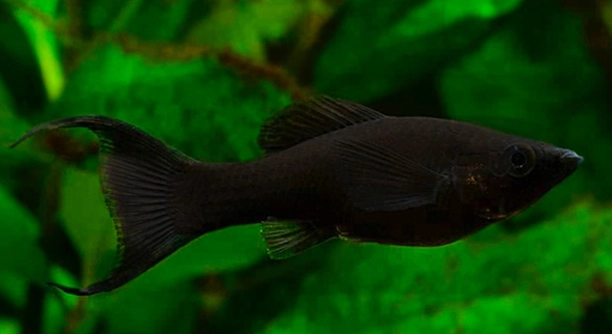
Many fish owners enjoy keeping black mollies for their striking color and active nature. These fish thrive in stable, clean water, but even small mistakes during routine water changes can stress them and impact their health.
Black mollies are particularly sensitive to sudden shifts in water chemistry, temperature fluctuations, and improper handling during water changes. Rapid changes can damage their delicate gills, disrupt natural behavior, and increase susceptibility to disease, ultimately harming their long-term well-being.
Understanding these risks will help you care for black mollies more effectively, ensuring their tank environment remains safe, stable, and healthy for daily life.
Sudden Temperature Changes
Black mollies are sensitive to temperature shifts, which can happen when replacing water too quickly or adding water that is too hot or cold. Even a few degrees difference can stress them, leading to lethargy or sudden hiding. It’s important to match the new water to the tank’s current temperature. Using a thermometer helps prevent dangerous fluctuations and keeps the fish comfortable. Slowly introducing water in small amounts reduces shock. Avoid filling the tank all at once, especially with tap water that hasn’t been conditioned. Consistent temperature encourages natural behavior and healthy feeding habits. Over time, repeated temperature changes can weaken the immune system, making mollies more vulnerable to infections. Maintaining a stable environment helps them thrive and prevents unnecessary stress that could shorten their lifespan. Patience during water changes is key, as rushing can create conditions that seem harmless but are harmful to these delicate fish.
Monitoring temperature during each water change keeps black mollies safe and stress-free, supporting their long-term health and activity levels.
Even small temperature differences can have big effects. Gradually adjusting water, checking with a thermometer, and avoiding extremes helps prevent stress and illness. Mollies become more active and healthy in stable conditions, which also improves their color and appetite. Over time, careful water changes build a safer habitat, reducing risk of sudden disease outbreaks. Following simple precautions ensures the tank remains comfortable and reliable for daily life, allowing these fish to flourish without constant worry or intervention.
Using Untreated Tap Water
Tap water often contains chlorine or chloramines, which are harmful to black mollies. Adding untreated water directly to the tank can damage gills, irritate skin, and even be fatal. Water conditioners neutralize these chemicals and make it safe for fish. Skipping this step can cause immediate stress and long-term health problems, even if the tank appears fine at first. Conditioner should be measured carefully according to the volume of water added. Avoid relying on natural settling alone, as chlorine levels vary by location and season. Using a clean bucket and fresh water for each change reduces the chance of introducing contaminants. Regular testing of tap water ensures consistency and protects sensitive species. Black mollies benefit from careful handling, and using treated water shows in their energy, coloration, and overall behavior. Conditioning water is a simple step that prevents serious harm while keeping the tank environment stable.
Untreated tap water introduces harmful chemicals that affect black mollies’ health. Always use a proper conditioner to neutralize chlorine and chloramines before adding water.
Even with the best care, introducing untreated water can quickly disrupt tank chemistry. Chlorine and chloramines irritate gills and skin, causing stress and increasing disease risk. Fish may become sluggish, refuse food, or display unusual behavior after exposure. Regularly testing water parameters ensures that added water won’t disturb pH, hardness, or other vital conditions. Pre-treating water also removes heavy metals, which can accumulate over time and impact growth or reproduction. By making this a routine, every water change supports stable tank conditions and promotes healthier black mollies. Gradually adding treated water prevents shock and maintains the natural balance in the aquarium, letting mollies thrive without interruptions. This careful approach strengthens their immune system, reduces stress, and keeps daily life consistent and safe.
Changing Too Much Water at Once
Large water changes can shock black mollies and disrupt tank balance. Removing a big portion of water suddenly changes pH, hardness, and temperature, stressing the fish and affecting their behavior.
Gradually changing water in smaller amounts helps maintain stability. Removing 20–30% at a time is safer than replacing half the tank at once. Large changes can strip beneficial bacteria from filters, reducing their ability to process waste. This sudden shift in water chemistry can lead to rapid stress, loss of appetite, and even disease. Consistency over time keeps mollies active, healthy, and comfortable in their environment.
Frequent, small water changes allow mollies to adjust naturally without sudden stress. They continue normal feeding and swimming patterns, and the tank environment remains balanced. Avoid large replacements to protect sensitive gills, maintain proper chemical levels, and support overall tank health.
Using Cold Water
Cold water can shock black mollies, causing lethargy or hiding. Fish are sensitive to rapid drops in temperature, especially during water changes.
Introducing water that is too cold can slow metabolism and weaken immune response. Mollies may become inactive, refuse food, or develop stress-related illnesses. Gradual adjustments and matching water to tank temperature are essential. Using a thermometer ensures accuracy, while pre-warming water before adding it prevents sudden fluctuations. Even small differences can trigger stress responses, so careful handling is necessary.
Cold water can reduce oxygen levels and affect tank chemistry, compounding the stress on black mollies. Sudden temperature drops may cause gill damage or shock, making fish more vulnerable to infections. Adding properly conditioned, warm water in measured amounts protects the fish and preserves the stability of the aquarium. Consistent monitoring during changes ensures mollies stay healthy, maintain activity levels, and display bright colors. This careful approach reduces illness risk, keeps their behavior normal, and maintains tank balance.
Adding Water Too Quickly
Pouring new water rapidly can shock black mollies. Sudden movement and pressure changes stress their gills and make them hide or swim frantically.
Slowly introducing water allows fish to acclimate. Using a cup or a small container to add water gently reduces stress and keeps the tank stable.
Ignoring Water Parameters
Water chemistry is crucial for black mollies. pH, hardness, and ammonia levels must stay consistent. Ignoring these can lead to stress, poor appetite, and disease. Regular testing ensures water remains safe. Small adjustments are better than sudden shifts to maintain a healthy environment for all tank inhabitants.
Using Hard Water Abruptly
Suddenly adding very hard water can harm black mollies. Rapid changes in hardness or mineral content irritate gills and skin, causing stress and potential long-term health issues.
How often should I change water for black mollies?
For black mollies, frequent small water changes are better than occasional large ones. Changing 20–30% of the tank water every week helps maintain stable water chemistry. This keeps ammonia, nitrite, and nitrate levels low while reducing stress on the fish. Large water changes may seem like a shortcut, but they can shock mollies and disrupt beneficial bacteria in the filter. Regular monitoring of water quality, using test kits, ensures that conditions remain safe for the fish. Gradual, consistent maintenance supports their health and vibrant coloration. Over time, this routine helps prevent common health problems related to poor water quality.
What is the best way to acclimate black mollies to new water?
Acclimation is key when introducing black mollies to new water or after a water change. Start by slowly adding small amounts of new water to the tank, allowing the fish to adjust gradually. Use a cup or a small container to pour water gently along the side of the tank. Monitoring temperature, pH, and hardness ensures the new water matches the tank’s environment as closely as possible. Avoid rapid additions, which can stress fish and damage delicate gills. Taking the time to acclimate mollies properly reduces stress, prevents illness, and keeps behavior and appetite normal.
Can black mollies survive tap water without a conditioner?
Tap water often contains chlorine or chloramines, which are harmful to black mollies. Using untreated water can damage gills, irritate skin, and increase susceptibility to disease. Always use a water conditioner to neutralize chemicals before adding water to the tank. Conditioned water also helps remove heavy metals that can accumulate over time and harm sensitive fish. Even small exposures can stress mollies, leading to sluggish behavior or loss of appetite. By treating tap water, you provide a safe environment that supports growth, reproduction, and overall well-being. This simple step protects the fish and maintains the tank’s stability.
What temperature range is safe for black mollies during water changes?
Black mollies prefer stable, slightly warm water. A temperature range between 75°F and 82°F is ideal. Sudden changes outside this range can shock fish, leading to hiding, rapid breathing, or refusal to eat. Always match new water to the tank’s temperature before adding it. Using a thermometer helps prevent dangerous fluctuations, and gradually adjusting water ensures a stress-free transition. Maintaining a consistent temperature promotes immune system health, encourages natural behavior, and prevents common illnesses. Small, careful adjustments during each water change keep mollies active and comfortable.
Why do my black mollies hide after a water change?
Hiding after a water change is often a response to stress. Sudden changes in temperature, pH, hardness, or water chemistry can make black mollies feel unsafe. Large water changes or rapid additions of new water increase this stress. Ensuring that water parameters are consistent and introducing water slowly helps reduce hiding behavior. Over time, small, gentle water changes allow mollies to feel secure again. Observing their behavior after each change helps identify what may be causing stress and ensures a more comfortable environment for the fish.
Is it safe to use tap water directly in the tank during water changes?
Direct use of tap water is not safe for black mollies. Tap water can contain chlorine, chloramines, or heavy metals that are toxic to fish. Always treat tap water with a conditioner before adding it to the tank. This protects gills, prevents stress, and maintains overall health. Even if water appears clear and clean, chemicals can still cause long-term harm. Conditioning water ensures the environment remains stable, preventing behavioral changes and illness. Proper handling of tap water is essential for creating a safe, healthy habitat for mollies and other sensitive aquatic species.
How can I prevent stress during water changes?
Stress can be minimized by making water changes gradual, consistent, and gentle. Use pre-conditioned water that matches tank temperature, add it slowly, and avoid sudden large replacements. Test water parameters regularly to ensure stability. Keeping the environment predictable reduces stress-related behaviors, like hiding or sluggish movement. Avoid tapping the tank or creating strong currents during changes, as this can also frighten the fish. Maintaining a calm and consistent routine allows black mollies to thrive, supporting appetite, activity, and long-term health. Regular, careful attention during water changes ensures a safe and comfortable tank for all inhabitants.
Can sudden changes in water hardness harm black mollies?
Yes, sudden shifts in hardness can be stressful and damaging. Black mollies are sensitive to the mineral content in water, and abrupt changes can irritate gills and skin. Gradually adjusting hardness, if needed, ensures the fish can acclimate safely. Monitoring and controlling water parameters prevents illness and supports normal behavior. Sudden increases or decreases in hardness can also affect pH, further impacting health. Keeping changes slow and measured maintains tank stability, reduces stress, and protects the delicate physiology of black mollies. Gradual adjustments are safer and allow fish to adapt without compromising well-being.
What signs indicate water change stress in black mollies?
Signs include hiding, rapid gill movement, lethargy, loss of appetite, or unusual swimming patterns. Stress may also manifest as color fading or clamped fins. Observing fish closely after each change helps identify issues early. Prompt corrective measures, like adjusting water temperature or chemistry, can reduce stress and prevent illness. Maintaining a calm, consistent routine helps mollies feel secure and ensures they remain healthy and active. Recognizing these signs is key to keeping the tank safe and supportive for long-term well-being.
Black mollies are beautiful and lively fish, but they require careful attention during water changes to stay healthy. Even small mistakes can cause stress or illness. Sudden shifts in temperature, pH, or hardness can shock their delicate systems, making them hide, stop eating, or become more vulnerable to disease. Regular maintenance, done gradually and consistently, keeps the water stable and supports their natural behavior. Using small amounts of pre-conditioned water, adding it slowly, and checking key parameters ensures that mollies feel safe and comfortable in their environment. Paying attention to these details may seem like extra effort, but it has a big impact on their health and overall well-being.
Another important factor is the treatment of tap water before adding it to the tank. Untreated tap water contains chlorine, chloramines, and sometimes heavy metals, all of which can harm black mollies. Using a proper water conditioner neutralizes these chemicals and protects gills and skin. Even small exposures can stress fish and affect their immune system over time. By pre-treating water and monitoring temperature, hardness, and pH, you create a safe and stable environment for your mollies. Stability is especially important for sensitive species like black mollies, who thrive when changes in their habitat are gradual and predictable. A careful routine makes water changes less stressful for both you and the fish.
Finally, observing the behavior of black mollies is an essential part of caring for them. Signs of stress, such as hiding, clamped fins, or sluggish movement, often indicate that water changes are too sudden or water parameters are off. By taking note of these behaviors, adjustments can be made before problems escalate. Consistency, patience, and careful handling during water changes contribute to a healthier, more active, and vibrant aquarium. Over time, following these practices helps mollies flourish, strengthens their immune system, and ensures that your tank remains a stable and safe environment. Small, thoughtful steps make a big difference in the long-term happiness and health of black mollies.

Hello,
If you enjoy the content that we create, please consider saying a "Thank You!" by leaving a tip.
Every little bit helps us continue crafting quality advice that supports the health, happiness, and well-being of pets around the world, for pets of all shapes, sizes, and species.
We really appreciate the kindness and support that you show us!