
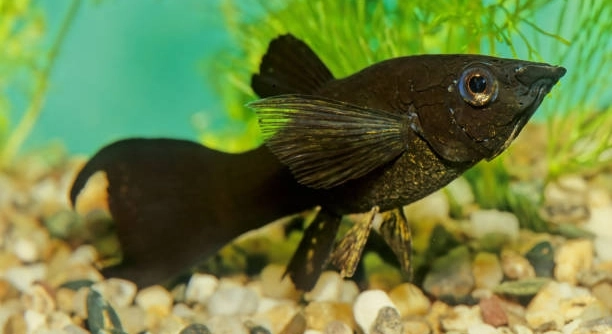
Keeping Black Mollies healthy starts with setting up the right environment in your tank. Many fish owners make mistakes that affect water quality, fish behavior, and overall wellbeing without realizing the consequences.
The most frequent tank setup mistakes with Black Mollies involve water parameters, tank size, filtration, and incompatible tank mates. Neglecting these factors can cause stress, disease, and stunted growth, ultimately compromising the health and lifespan of these freshwater fish.
Avoiding these errors will help your Black Mollies thrive and create a more enjoyable, balanced aquarium for both you and your fish.
Ignoring Proper Water Parameters
Black Mollies require stable water conditions to stay healthy. Many beginners overlook the importance of maintaining the correct pH, temperature, and hardness levels. These fish thrive in slightly alkaline water with a pH around 7.5 to 8.5. Temperatures should stay between 75°F and 82°F. Sudden changes in water chemistry can stress the fish, making them more susceptible to disease. Hard water is also necessary because it supports their immune system and overall wellbeing. Regular water testing helps prevent harmful fluctuations and ensures the tank environment remains suitable for the Mollies. Using a reliable heater and water conditioner can also make a significant difference.
Testing and adjusting water regularly will prevent many common health problems with Black Mollies.
Consistently maintaining stable water parameters ensures your Black Mollies remain active, healthy, and colorful. Without proper care, they may show signs of stress like clamped fins or reduced appetite. Regular monitoring, water changes, and equipment checks are small steps that have a big impact on their long-term health.
Overcrowding the Tank
Too many fish in a tank leads to poor water quality and stress.
Overcrowding reduces swimming space and increases waste, which raises ammonia and nitrate levels. Black Mollies need room to explore and establish territories. A good rule is one inch of fish per gallon of water, adjusted for adult size. Overcrowding also encourages aggression and can stunt growth. Providing a larger tank or reducing the number of fish helps maintain balance. Decor and plants offer hiding spots that reduce stress. Filtration becomes more effective when the tank is not overloaded, keeping water clean and oxygen-rich.
Managing tank population carefully ensures that every Black Molly has space to grow and thrive. Overcrowding can cause long-term health issues like fin rot and increased susceptibility to parasites. Observing fish behavior helps identify if the tank is too crowded, as stressed Mollies may hide or fight. Combining proper stocking levels with good filtration and regular water changes creates a stable, healthy environment. Even small tanks can support Black Mollies if numbers are kept low and their needs are met consistently.
Inadequate Filtration
A weak filter cannot handle the waste produced by Black Mollies. Poor filtration leads to cloudy water, high ammonia, and stress, which affects fish health and growth.
Proper filtration is essential for maintaining water clarity and chemical balance. Black Mollies produce moderate waste, and an undersized filter will fail to remove toxins efficiently. A filter rated for slightly more than your tank size is ideal. It should provide both mechanical and biological filtration to remove debris and support beneficial bacteria. Regular cleaning ensures the filter continues to work effectively without disturbing water quality. Skipping maintenance can lead to dangerous spikes in ammonia or nitrites, putting fish at risk.
High-quality filtration also improves oxygenation and circulation. Black Mollies thrive in moving water, so a well-chosen filter creates gentle currents that mimic their natural environment. Neglecting filtration can result in algae overgrowth and poor water conditions, causing long-term health problems. Investing in proper filtration and routine maintenance reduces stress, supports immunity, and helps your fish display their best colors and behaviors consistently.
Feeding Mistakes
Overfeeding is a common issue with Black Mollies, leading to water pollution and obesity.
Feeding too much can leave uneaten food to decompose, increasing ammonia and nitrate levels. Black Mollies need a balanced diet with vegetables, high-quality flakes, and occasional protein. Feeding small portions two to three times daily prevents waste buildup.
A consistent feeding routine keeps Black Mollies healthy and active. Providing variety ensures they receive essential nutrients for growth, coloration, and reproduction. Avoid over-reliance on one food type, as it can cause deficiencies. Vegetables like zucchini or spinach are good supplements, while occasional live or frozen foods boost protein intake. Observing how much your fish consume in a few minutes helps determine the correct portion, reducing water contamination and preventing obesity. Proper feeding supports digestion, immunity, and overall vitality.
Using Incompatible Tank Mates
Aggressive or fin-nipping fish can stress Black Mollies. Avoid pairing them with overly territorial species or those that may eat their fry.
Peaceful community fish like tetras, guppies, or corydoras are better choices. Proper tank mates reduce stress and allow Mollies to swim freely.
Neglecting Regular Water Changes
Water changes prevent toxin buildup and maintain stable parameters. Skipping them can lead to poor fish health and algae growth.
Performing weekly water changes of 25–30% keeps nitrate levels low and replenishes essential minerals. It also supports beneficial bacteria, helping the tank ecosystem remain balanced.
Lack of Hiding Spots
Black Mollies feel safer with places to hide. Open tanks without decorations can cause stress.
Adding plants, rocks, or caves provides shelter, reduces aggression, and encourages natural behavior. Even a few well-placed decorations improve overall tank harmony and fish confidence.
FAQ
What size tank is best for Black Mollies?
Black Mollies need space to swim and grow. A minimum of 20 gallons is recommended for a small group. Larger tanks are better for multiple Mollies to prevent overcrowding and stress. Adequate space supports healthy growth and reduces territorial behavior.
How often should I change the water?
Weekly water changes of 25–30% are ideal. This helps remove waste, control nitrates, and maintain stable water conditions. Regular water changes keep the environment clean and reduce the risk of disease, ensuring your Black Mollies remain healthy and active.
Can Black Mollies live with other fish?
Yes, but choose peaceful species. Tetras, guppies, and corydoras are good companions. Avoid aggressive or fin-nipping fish, as they can stress Mollies and damage fins. Proper tank mates help maintain harmony and reduce competition for food and space.
What is the ideal water temperature?
Black Mollies prefer water between 75°F and 82°F. Stable temperature is important because sudden fluctuations can stress the fish and compromise their immune system. Using a reliable heater and thermometer ensures the tank stays within a healthy range.
What do Black Mollies eat?
They are omnivores and need a balanced diet. High-quality flakes or pellets, supplemented with vegetables like zucchini or spinach, and occasional protein from live or frozen foods, keep them healthy. Feeding small amounts two to three times daily prevents overfeeding and water pollution.
How can I prevent disease in Black Mollies?
Maintaining clean water, proper filtration, and a balanced diet is key. Avoid overcrowding and stress. Quarantine new fish before adding them to the tank to prevent introducing pathogens. Observing behavior and appearance helps catch early signs of illness.
Do Black Mollies need plants in their tank?
Yes, plants provide hiding spots, reduce stress, and mimic a natural environment. Live plants can improve water quality by absorbing nitrates. Even a few well-placed decorations or caves give Mollies shelter and encourage natural behavior.
How long do Black Mollies live?
With proper care, Black Mollies can live 3–5 years. Maintaining stable water conditions, feeding a balanced diet, and avoiding stress or aggressive tank mates helps them reach their full lifespan. Regular monitoring and maintenance support their long-term health.
Can I keep Black Mollies in brackish water?
Black Mollies tolerate slightly brackish water, especially as adults. Adding a small amount of aquarium salt can improve health and coloration. Gradually adjusting the water salinity prevents stress and allows them to adapt safely.
How do I know if my Black Mollies are stressed?
Signs include hiding, clamped fins, loss of appetite, or unusual swimming patterns. Stress often results from poor water conditions, overcrowding, or aggressive tank mates. Observing your fish daily helps identify issues early, allowing prompt action to restore a healthy environment.
How many Black Mollies should I keep together?
They are social fish and do best in groups of at least three to five. Keeping them in small groups reduces stress and encourages natural behavior. Avoid keeping a single fish alone, as it can lead to loneliness and anxiety.
What is the best substrate for Black Mollies?
Sand or fine gravel works well. Substrate choice affects plant growth and water quality. Avoid sharp gravel that could injure Mollies. A suitable substrate also allows natural foraging behavior and contributes to a comfortable tank environment.
Can Black Mollies breed in a community tank?
Yes, but fry may be eaten by other fish. Providing dense plants or breeding boxes increases fry survival. Mollies are livebearers, so adults give birth to fully formed fry, which need protection in a community setup to grow safely.
How often should I clean the filter?
Check and clean the filter every 2–4 weeks. Rinse filter media in tank water to preserve beneficial bacteria. Regular maintenance ensures effective filtration and prevents buildup of waste, keeping water quality high for Black Mollies.
Is lighting important for Black Mollies?
Moderate lighting supports plant growth and natural fish behavior. Avoid overly bright lights, which can stress fish. A regular day-night cycle helps maintain a healthy environment and keeps Mollies active and colorful.
How do I acclimate new Black Mollies?
Float the bag in the tank for 15–20 minutes to equalize temperature. Gradually mix tank water into the bag over 30–60 minutes before releasing the fish. Slow acclimation reduces shock and improves survival rates.
What are common health problems for Black Mollies?
Fin rot, ich, and bacterial infections are common. Poor water quality and stress are often the causes. Regular water testing, proper filtration, and observing behavior help prevent these issues. Quick treatment of symptoms is essential to avoid serious illness.
Can I keep male and female Black Mollies together?
Yes, but males may constantly chase females. Providing space, hiding spots, and plants helps reduce stress. Balancing the number of males and females minimizes aggression and ensures a healthier, more peaceful tank environment.
Do Black Mollies need extra minerals in the water?
Yes, they benefit from calcium and magnesium for strong bones and reproduction. Using a water conditioner or supplement can maintain hardness levels. Stable mineral content supports overall health and vibrant coloration.
How do I introduce new fish to a Black Molly tank?
Quarantine new fish first to prevent disease. Introduce them slowly and monitor interactions. Adding new fish gradually reduces aggression and allows the tank to adjust, maintaining stability and health for all inhabitants.
Black Mollies are beautiful, active fish that can brighten any freshwater aquarium, but keeping them healthy requires careful attention to tank setup and daily care. Many beginners make mistakes that are easy to avoid with some planning. Ensuring the right water parameters, such as temperature, pH, and hardness, is essential for their survival and wellbeing. Sudden changes in these conditions can cause stress, illness, or stunted growth. Maintaining stable water with a reliable heater and regular testing helps create a consistent environment where Black Mollies can thrive. Small adjustments and routine monitoring go a long way in preventing common problems that may otherwise be difficult to correct later.
Another important aspect of caring for Black Mollies is maintaining a balanced diet and proper feeding routine. Overfeeding is a common issue that leads to poor water quality and health problems. Feeding small portions two to three times a day ensures the fish receive the nutrients they need without causing excessive waste. Incorporating a mix of high-quality flakes, vegetables, and occasional protein sources keeps them healthy, colorful, and active. Alongside feeding, providing a suitable tank with enough space, proper filtration, and hiding spots helps reduce stress and supports natural behavior. Overcrowding or pairing them with aggressive tank mates can lead to conflict and disease. Taking the time to create a comfortable and safe environment makes it easier to care for the fish and enjoy their lively behavior.
Regular maintenance is just as important as setup and feeding. Water changes, filter cleaning, and observing fish behavior should be part of a consistent routine. Even small signs of stress or illness can indicate issues with water quality, diet, or tank mates, so early attention is key. Black Mollies are social and active fish, and providing space, hiding spots, and compatible companions allows them to display natural behaviors. With patience and consistent care, these fish can live for several years, offering enjoyment and a sense of accomplishment. Paying attention to their needs ensures a healthy tank and allows you to enjoy the full beauty and personality of your Black Mollies without unnecessary stress or complications.

Hello,
If you enjoy the content that we create, please consider saying a "Thank You!" by leaving a tip.
Every little bit helps us continue crafting quality advice that supports the health, happiness, and well-being of pets around the world, for pets of all shapes, sizes, and species.
We really appreciate the kindness and support that you show us!