
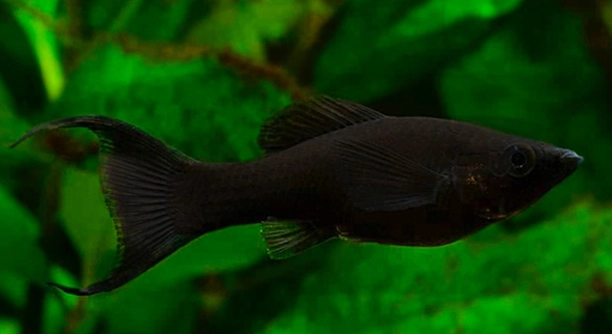
Black Mollies are small, vibrant fish that many enjoy keeping at home. Their adaptability makes them popular in aquariums, but their needs can sometimes be misunderstood, especially when considering temporary housing in small containers like bowls.
Black Mollies can survive in bowls for short periods, but this is not ideal for their health. Limited space reduces oxygen levels, increases waste concentration, and can stress the fish, making proper filtration and regular water changes essential for temporary care.
Understanding how to care for Black Mollies, even temporarily, can help prevent stress and health problems while ensuring they thrive in their permanent home.
Why Bowls Are Risky for Black Mollies
Keeping Black Mollies in bowls may seem convenient, but it comes with several risks. Bowls are small and lack proper filtration, which can cause toxins to build up quickly. Without sufficient space, fish cannot swim freely, leading to stress and weaker immune systems. Temperature control is also harder, making the water prone to sudden fluctuations. These changes can trigger illness or shock. Feeding in a bowl must be carefully monitored, as leftover food decomposes faster, reducing water quality. Even though some mollies may appear to tolerate a bowl for a few days, the lack of oxygen and hiding spots makes it unsuitable for long-term living. Providing an enriched environment with plants and aeration is essential to prevent behavioral and health issues. Overall, bowls are only a last-minute, temporary solution, and extra care is necessary to keep your fish safe and healthy during that short period.
A temporary bowl setup should last no more than a few days. Regular water changes and monitoring are essential.
Even for short stays, Black Mollies need attention. Water temperature must remain stable, and ammonia or nitrate buildup can occur quickly. Adding a small sponge filter or regular aeration helps, but frequent partial water changes remain critical. Avoid overcrowding; one or two fish is ideal. Keep feeding minimal to reduce waste, and remove leftover food promptly. Observing the fish daily ensures early signs of stress, such as lethargy, clamped fins, or reduced appetite, can be addressed quickly. Plants or decorations offer hiding spots, reducing stress and mimicking natural conditions. While a bowl can serve as temporary housing, it cannot replace a proper aquarium. Transitioning to a filtered tank as soon as possible guarantees better health, longer lifespan, and more natural behavior. Temporary measures require diligence, but understanding these precautions can make short-term care safe for your Black Mollies.
Setting Up a Temporary Bowl
The bowl should be clean, with dechlorinated water, and placed away from direct sunlight.
Start by filling the bowl with conditioned water at a stable temperature. Add a small sponge filter or air stone to maintain oxygen levels. Decorate minimally to avoid crowding, providing only a few small plants or hiding spots. Feed sparingly, removing uneaten food to prevent water contamination. Monitor water quality daily using a test kit for ammonia, nitrites, and nitrates. Replace 25–50% of the water every day to keep conditions safe. Avoid placing the bowl near heaters or drafts that can cause temperature swings. Handle fish gently when transferring, using a net to minimize stress. Observe behavior and appetite to detect any early signs of illness. Even with careful attention, the bowl should only be a temporary solution until a proper tank with filtration, adequate space, and stable conditions is ready. These steps help reduce risks during short-term housing.
Feeding and Care in a Bowl
Feed sparingly to prevent water pollution. Remove uneaten food promptly. Monitor fish daily for stress signs like lethargy, clamped fins, or loss of appetite.
Even short-term housing requires attention. Black Mollies produce waste quickly in small volumes of water, causing ammonia and nitrite levels to rise. Overfeeding can worsen the problem, leading to poor water quality and potential illness. Limit feeding to small portions once or twice daily, and remove leftover food immediately. Observe fish behavior closely. Any signs of stress, such as swimming near the surface or hiding, indicate the need for a water change or improved aeration.
Plants and small decorations can help reduce stress in a bowl. Provide minimal hiding spots and avoid overcrowding to maintain space for swimming. Temperature must remain stable, as fluctuations can weaken their immune system. Partial daily water changes are essential, and a small air stone or sponge filter can improve oxygen levels. Maintaining a clean and controlled environment ensures mollies remain healthy, even in temporary, limited conditions. Constant observation and care are crucial to prevent rapid health decline.
Transitioning to a Proper Tank
Transfer should be gradual to reduce stress. Acclimate fish to the new tank’s temperature and water conditions over several hours.
Before moving, prepare the tank with proper filtration, aeration, and water conditioning. Float the bowl in the new tank for 15–30 minutes, allowing temperatures to equalize. Slowly mix small amounts of tank water into the bowl every 10 minutes. Once the water in the bowl matches the tank, gently release the fish using a net. Avoid pouring water from the bowl directly into the tank to prevent contamination. Monitor behavior after transfer. Proper acclimation reduces stress, prevents shock, and ensures Black Mollies adjust safely to their new environment.
Common Mistakes to Avoid
Overcrowding the bowl is a frequent mistake. Too many fish reduce oxygen levels and increase waste rapidly.
Neglecting water changes also harms Black Mollies. Even a single day without fresh water can cause stress or illness.
Monitoring Water Quality
Regular testing is essential. Use a simple aquarium test kit to check ammonia, nitrite, nitrate, and pH levels. Maintaining stable parameters prevents health problems. Rapid fluctuations in water chemistry are particularly dangerous in small bowls, making consistent monitoring and immediate correction crucial for temporary housing.
Choosing the Right Bowl
Select a clean, sturdy bowl with enough space for limited movement. Avoid bowls that are too small or shallow.
FAQ
How long can Black Mollies live in a bowl?
Black Mollies can survive in a bowl for a very short period, typically no more than a few days. Extended stays increase stress, reduce oxygen levels, and allow waste to build up quickly, which can make the fish sick. Daily water changes and monitoring are essential during this time.
Can I use a filter in a bowl?
Yes, a small sponge filter or air stone is recommended. Even minimal filtration improves oxygenation and helps manage waste. While it cannot fully replace a proper aquarium system, it significantly reduces risks during temporary housing.
How often should I change the water?
Partial water changes should be done daily, replacing 25–50% of the water. This helps keep ammonia and nitrate levels low and maintains a stable environment. Using dechlorinated water at a matching temperature prevents sudden shock to the fish.
What should I feed Black Mollies in a bowl?
Feed sparingly, once or twice daily, giving only what the fish can consume in a few minutes. Remove uneaten food immediately to prevent water pollution. Small portions help maintain water quality and reduce stress on the fish.
Are plants necessary in a bowl?
Plants are not strictly necessary, but they help reduce stress. Even a few small live or artificial plants provide hiding spots and simulate a more natural environment, which can calm the fish during temporary housing.
How do I prevent temperature fluctuations?
Place the bowl away from direct sunlight, heaters, or drafts. Keep the water at a stable temperature close to what they are accustomed to in their main tank. Sudden changes can weaken their immune system and cause illness.
Can multiple Black Mollies share a bowl?
Only if the bowl is very small should you limit it to one or two fish. Overcrowding causes oxygen depletion and rapid waste accumulation. If more fish are present, water changes and aeration must be increased, but the arrangement should remain temporary.
What signs indicate stress in a bowl?
Watch for lethargy, clamped fins, rapid gill movement, hiding, or loss of appetite. Stress can appear quickly in small bowls. Immediate partial water changes or improved aeration are necessary to prevent illness.
Is a bowl suitable for long-term care?
No, bowls are only for short-term or emergency situations. Long-term care requires a proper tank with filtration, sufficient swimming space, stable temperature, and regular maintenance. Proper housing ensures Black Mollies live longer and healthier lives.
Can I use tap water directly in a bowl?
Tap water must be treated with a water conditioner to remove chlorine and heavy metals. Untreated water can cause gill damage and stress, reducing the fish’s ability to tolerate the temporary environment safely.
Do Black Mollies need hiding spots in a bowl?
Yes, even minimal hiding spots help them feel secure. Plants, small decorations, or a corner of the bowl can reduce stress and encourage natural behavior. Avoid overcrowding while adding these elements.
How do I transition them back to a tank?
Acclimate the fish slowly by floating the bowl in the tank and gradually mixing tank water over 15–30 minutes. This equalizes temperature and water chemistry, preventing shock and allowing a smooth transition to proper housing.
What happens if water quality drops quickly?
Rapid buildup of ammonia, nitrites, or nitrates can cause gill damage, lethargy, or death. Regular testing, partial water changes, and careful feeding prevent these dangerous spikes during temporary housing.
Can I leave Black Mollies unattended in a bowl overnight?
It is risky. Water quality can degrade quickly, especially in warm conditions. If you must leave them overnight, ensure partial water changes are done, aeration is present, and the temperature is stable.
Are small bowls ever truly safe?
Small bowls are only a temporary solution when no alternative exists. With careful monitoring, aeration, and partial water changes, risks can be reduced, but long-term care always requires a proper tank with filtration, space, and stability.
How do I maintain oxygen levels in a bowl?
Aeration through a sponge filter or air stone is essential. Avoid overcrowding and perform daily water changes to keep oxygen available. Moving water or gentle surface agitation can also help maintain adequate oxygenation.
Can stress from a bowl affect breeding?
Yes, stress from confined conditions can prevent breeding and reduce overall health. Black Mollies reproduce best in stable tanks with sufficient space, proper filtration, and calm conditions, not in temporary bowls.
Is it safe to mix different fish in a bowl?
Mixing species is risky due to space limitations and differing needs. Aggressive or larger fish can harm Black Mollies, and waste management becomes more difficult. Only one or two compatible mollies should be kept in a bowl temporarily.
How can I make the bowl more comfortable temporarily?
Provide stable temperature, minimal decorations for hiding, small portions of food, and partial water changes. Use a small filter or air stone to improve oxygen levels. Observation is key to responding quickly to any stress signs.
Can I skip monitoring while using a bowl?
Monitoring is essential. Small volumes of water change quickly, making bowls highly sensitive to stress and toxins. Daily checks of water quality, behavior, and feeding are required to keep Black Mollies safe during temporary housing.
Final Thoughts
Keeping Black Mollies in a bowl is possible, but it should always be seen as a temporary measure. Bowls are small and lack proper filtration, which can make it difficult to maintain water quality. Even for a short period, careful attention is needed. Daily partial water changes, proper feeding, and stable temperature are essential to prevent stress and illness. Small additions like a sponge filter or air stone can improve oxygen levels, but they do not replace a full aquarium setup. Observation is critical, as mollies may show signs of stress or discomfort quickly in confined spaces. Understanding the limitations of bowls helps prevent accidental harm while keeping the fish safe.
Temporary bowl setups can be challenging because Black Mollies are active and social fish. They need space to swim and interact with one another. Overcrowding in a small bowl increases the risk of oxygen depletion, rapid waste accumulation, and stress-related health problems. Even one or two mollies in a very small container require careful monitoring and frequent maintenance. Minimal decorations and a few plants can help reduce stress by providing hiding spots, but the primary focus should always be on maintaining clean and stable water conditions. The more closely the environment is monitored and maintained, the less likely the fish are to suffer from the limitations of the bowl.
The goal should always be to transition Black Mollies to a proper aquarium as soon as possible. A full tank with adequate filtration, space, and water stability allows the fish to thrive naturally. Temporary bowls can serve a practical purpose for emergencies, cleaning a main tank, or short-term situations, but they are not a replacement for permanent housing. Careful feeding, regular water changes, and attention to behavior can reduce risks during temporary housing, but long-term health and happiness depend on a proper environment. By understanding the limitations and taking proactive steps, Black Mollies can remain healthy even when their home is briefly reduced to a small bowl.

Hello,
If you enjoy the content that we create, please consider saying a "Thank You!" by leaving a tip.
Every little bit helps us continue crafting quality advice that supports the health, happiness, and well-being of pets around the world, for pets of all shapes, sizes, and species.
We really appreciate the kindness and support that you show us!