
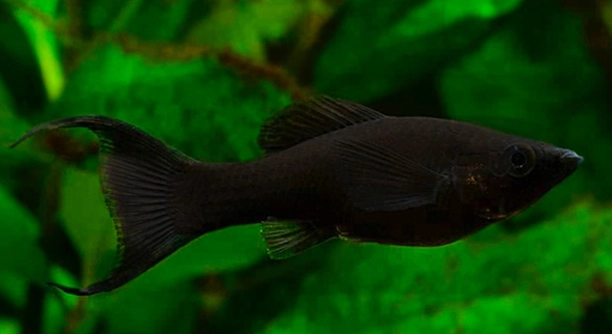
Is your black molly fry constantly pressing against the glass of its tank? Many aquarists notice this behavior early on, especially with young fish. It can be surprising and even worrying when they seem restless or stuck.
Black molly fry pressing against the glass is often a response to environmental stressors, including poor water quality, insufficient hiding spaces, or overcrowding. Ensuring optimal tank conditions and proper care reduces this behavior and promotes healthy development.
Observing this behavior carefully can help you make necessary adjustments to your tank. Understanding the underlying causes ensures your fry remain healthy and active.
Understanding Why Fry Press the Glass
Many black molly fry press against the glass because they feel stressed or insecure in their environment. Young fry are highly sensitive to water conditions, temperature changes, and sudden movements. In some cases, limited swimming space or a lack of hiding spots makes them seek edges as a form of safety. They may also press against the glass if the tank is overcrowded or if water quality is poor. Regular maintenance, including water changes and checking parameters like pH, temperature, and ammonia levels, can significantly reduce this behavior. Fry also benefit from gentle lighting and minimal disturbances, which help them feel more secure. Adding live plants or decorations can create sheltered areas, giving the fry comfort and reducing stress-related behaviors. Observing how they interact with the environment allows for better adjustments and ensures they grow healthier and more active.
Providing proper care reduces stress and supports fry development.
Regular water monitoring and creating hiding areas directly improve their behavior and overall health, keeping fry calm and active.
Common Environmental Triggers
Water quality plays a major role in fry behavior. Poor filtration or infrequent water changes can lead to elevated toxins, prompting fry to press against surfaces. Temperature fluctuations or inappropriate lighting may also contribute.
Ensuring consistent water conditions and tank setup is key for healthy fry. Overcrowding can increase competition and stress, so maintaining proper population density is critical. Fry need small, sheltered spaces where they can rest without exposure. Live plants or floating cover are ideal for providing this security. Sudden changes, like moving the tank or adding new fish abruptly, can trigger this behavior. Feeding habits also influence stress; underfeeding or overfeeding can make fry restless and more likely to cling to glass. By carefully controlling these factors, the tank becomes a stable environment that encourages natural behavior. Observing the fry daily helps identify stress signals early, allowing timely intervention to prevent long-term health issues. A calm, well-maintained tank promotes growth, reduces glass-pressing behavior, and ensures the fry thrive.
Feeding and Its Effects
Overfeeding or inconsistent feeding schedules can make black molly fry restless. Fry may press against the glass when searching for food or competing for limited resources.
Providing small, frequent meals supports healthy growth and reduces stress. Fry need finely crushed flakes or specialized fry food. Uneaten food should be removed promptly to maintain water quality. Feeding at consistent times helps establish a routine, preventing frantic swimming or glass-pressing behavior. Observing how much the fry eat ensures they get enough nutrition without overloading the tank with waste. Proper feeding balances energy, growth, and overall well-being. A calm feeding routine encourages fry to explore the tank naturally rather than cling to surfaces.
Careful monitoring of feeding habits prevents unnecessary stress. Regularly adjusting portion sizes as fry grow ensures continued health and reduces unwanted behaviors.
Tank Setup and Safety
Black molly fry require a secure environment with hiding spaces. Dense plants, floating cover, and small decorations create shelter that reduces stress and encourages natural movement.
Open swimming areas are also important. Fry need space to grow and develop swimming skills without constant crowding or competition. Avoid sharp or rough decorations that can injure delicate fry. A gentle filter and low water flow protect them from being swept into strong currents. Regular water testing ensures temperature, pH, and chemical levels remain stable. Proper lighting that mimics natural day and night cycles supports healthy activity patterns. By carefully arranging the tank, fry gain both safety and freedom, reducing the tendency to press against glass while promoting exploration and growth.
Stress from Tankmates
Aggressive or larger tankmates can cause black molly fry to feel threatened. Fry may press against glass to avoid confrontation or seek safety.
Keeping fry with peaceful, similarly sized fish reduces stress. Avoid overcrowding and observe interactions to ensure fry feel secure.
Water Quality Maintenance
Maintaining clean water is essential for fry health. High ammonia, nitrite, or nitrate levels create stress, leading fry to cling to glass. Frequent water changes, careful monitoring, and proper filtration keep the environment stable. Clean water supports growth, immune function, and natural behavior.
Observing Fry Behavior
Monitoring fry daily helps detect stress signs early. Glass-pressing, erratic swimming, or lethargy indicate environmental issues or health concerns.
FAQ
Why is my black molly fry constantly pressing against the glass?
This behavior is usually a response to stress or insecurity. Fry are highly sensitive to water conditions, temperature changes, overcrowding, and sudden disturbances. They often press against surfaces to feel safer. Creating hiding spots, monitoring water quality, and reducing tank disturbances usually resolves the issue.
Can poor water quality make fry press against glass?
Yes, elevated ammonia, nitrites, or nitrates can stress fry, causing them to cling to tank surfaces. Regular water testing, partial water changes, and proper filtration are essential. Maintaining a stable, clean environment allows fry to swim freely and reduces glass-pressing behaviors.
Does overcrowding affect fry behavior?
Overcrowding increases competition for space and food, which stresses young fry. When space is limited, they often press against the glass to avoid other fish. Reducing tank population and providing adequate swimming space and hiding areas encourages healthier activity.
How does feeding impact this behavior?
Inconsistent feeding schedules or overfeeding can make fry restless. They may cling to the glass while searching for food. Feeding small, frequent meals and removing uneaten food helps maintain water quality and reduces stress. Proper feeding supports growth and natural swimming patterns.
Can tank decorations help reduce glass-pressing?
Yes, adding live plants, floating cover, or small decorations provides fry with secure hiding places. This reduces stress and gives them areas to retreat to, encouraging natural exploration rather than clinging to tank walls. Open swimming areas are also necessary for development.
Do temperature fluctuations cause this behavior?
Sudden changes in water temperature can stress fry, leading them to press against the glass. Keeping water within a stable range suitable for black molly fry is crucial. Using a reliable heater and thermometer helps prevent stress-related behaviors.
Are fry more likely to press against the glass with aggressive tankmates?
Yes, larger or aggressive fish create a stressful environment. Fry may cling to glass to avoid confrontation. Housing fry with peaceful, similarly sized fish reduces stress and encourages normal activity and feeding.
Is lighting a factor in glass-pressing behavior?
Intense or inconsistent lighting can make fry feel exposed. Providing gentle, stable lighting that mimics natural day and night cycles supports healthy behavior. Fry are more likely to explore and hide naturally when lighting is comfortable and predictable.
Can health issues cause fry to press against glass?
Illness or parasites may make fry weak or stressed, resulting in unusual behaviors like clinging to the tank walls. Observing fry for other signs of illness, such as lethargy, discoloration, or unusual swimming patterns, allows early intervention to maintain health.
How can I prevent this behavior long-term?
Maintaining stable water conditions, providing hiding places, avoiding overcrowding, feeding properly, and monitoring fry daily are key steps. Consistent care helps fry feel secure, reduces stress, and encourages natural swimming and growth patterns. Proper tank setup supports overall health and activity.
Is it normal for fry to press against glass occasionally?
Occasional pressing against glass is not necessarily harmful and can be part of exploring or responding to minor disturbances. Consistent, repeated behavior is more likely a sign of environmental stress that needs addressing.
Should I move fry to a separate tank to reduce stress?
Separating fry from adult or aggressive fish can be beneficial. A smaller, well-maintained grow-out tank with hiding spots allows fry to develop without competition or harassment, reducing stress and minimizing glass-pressing behaviors.
Can water flow affect fry behavior?
Strong currents can tire or stress fry, causing them to cling to glass. A gentle filter and low water flow provide a safer environment. Observing how fry respond to water movement ensures they remain comfortable and active.
Do fry press against glass more in new tanks?
Yes, unfamiliar environments can make fry feel insecure. Gradually acclimating fry to new tanks and ensuring proper hiding spaces helps them adjust and reduces stress-related behaviors like glass-pressing.
Is frequent monitoring necessary for fry behavior?
Yes, observing fry daily helps detect stress, health issues, or environmental problems early. Monitoring allows timely adjustments to water quality, feeding, or tank setup, promoting long-term health and reducing repeated glass-pressing incidents.
How long does it take for fry to stop pressing against glass?
Once environmental stressors are addressed—clean water, hiding places, proper feeding, gentle tankmates—fry usually adjust within days to weeks. Patience and consistent care are essential for them to feel secure and active.
Final Thoughts
Observing black molly fry pressing against the glass can be concerning, but it is often a clear sign that something in their environment needs attention. Fry are delicate and sensitive to small changes in water quality, tank setup, or feeding routines. Unlike adult fish, they are more prone to stress and require stable conditions to grow healthy and strong. Many aquarists overlook the fact that even slight overcrowding or poor water maintenance can cause young fry to display unusual behaviors. By carefully monitoring the tank and making gradual adjustments, fry can feel more secure and comfortable in their surroundings.
Providing a safe environment is key to reducing this behavior. Fry need hiding spaces such as live plants, floating cover, or small decorations. These areas allow them to retreat from perceived threats, including larger or more active tankmates. Open swimming areas are equally important for their development and exercise. Consistent water parameters, including stable temperature, pH, and low levels of ammonia and nitrites, are crucial. Frequent water testing, partial water changes, and a gentle filtration system help maintain these conditions. Feeding small, regular meals with appropriate fry food also contributes to a calm and balanced tank. By combining proper care with thoughtful tank setup, fry are more likely to explore naturally and avoid clinging to the glass.
Paying close attention to fry behavior can prevent long-term health problems and improve survival rates. Signs such as glass-pressing, erratic swimming, or lethargy often indicate stress or environmental issues. Addressing these factors promptly ensures that the fry continue to grow and develop normally. Separation from aggressive fish or temporary relocation to a smaller grow-out tank can also reduce stress. Over time, consistent monitoring and proper care will result in fry that are active, healthy, and confident in their environment. Understanding these simple but essential steps helps maintain a thriving tank, supports fry growth, and minimizes unwanted behaviors like glass-pressing.

Hello,
If you enjoy the content that we create, please consider saying a "Thank You!" by leaving a tip.
Every little bit helps us continue crafting quality advice that supports the health, happiness, and well-being of pets around the world, for pets of all shapes, sizes, and species.
We really appreciate the kindness and support that you show us!