Why Are My Black Molly Fry Sinking Too Fast?
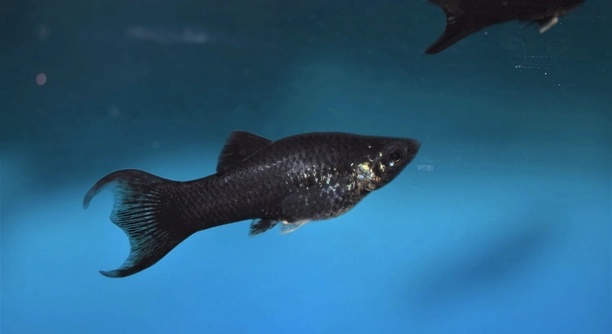
Are your black molly fry sinking faster than expected in your aquarium? Observing their behavior can be worrying, especially when you want them to grow healthy and strong. This is a common concern for many aquarium enthusiasts. The primary cause of black molly fry sinking rapidly is often linked to poor swim bladder development or … Read more
What Causes Black Molly to Hover Under Plants?

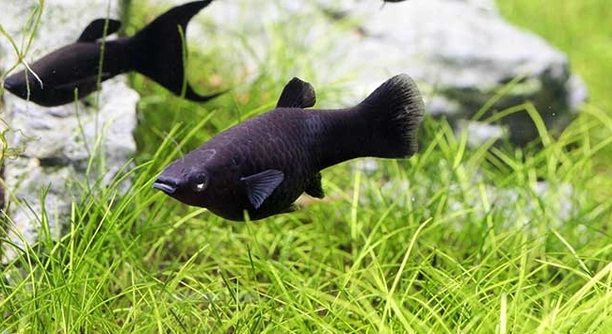
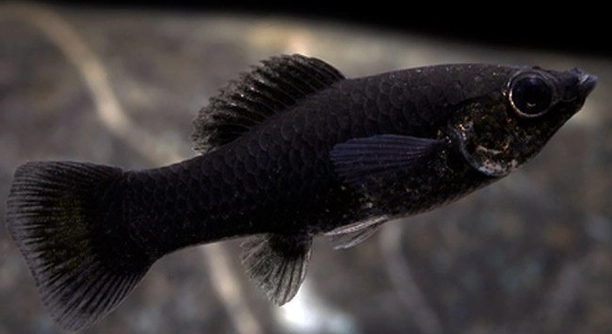
Do you ever notice your black molly swimming slowly and staying close to the plants in your aquarium? It can be an interesting sight, especially when they seem content hovering in the shaded areas near leaves. Black mollies often hover under plants due to a combination of environmental and biological factors. These include stress reduction, … Read more

7 Easy Upgrades for Your Black Molly Tank

Do you ever find yourself staring at your black molly tank, thinking it could look a little more lively or organized? Small changes can make a big difference in the health and appearance of your aquatic setup. Upgrading a black molly tank can be achieved through several simple methods. Adding natural plants, adjusting lighting, installing … Read more

7 Signs Black Molly Aren’t Adjusting to Tank Mates

Do your Black Mollies seem uneasy in a new tank environment? Adjusting to tank mates can be tricky for these peaceful fish. Observing their behavior carefully helps ensure a calm and healthy aquarium community. Black Mollies that struggle to adjust to tank mates often exhibit signs such as hiding, fin clamping, erratic swimming, or aggression. … Read more

Can Black Molly Handle Changes in Light Duration?

Can Black Molly fish adapt when the length of daylight changes in their aquarium? These small, lively fish rely on consistent lighting to regulate feeding, activity, and breeding patterns. Adjusting light duration can affect their behavior and health. Black Molly fish are moderately adaptable to changes in light duration, but sudden or extreme shifts can … Read more

7 Ways to Boost Black Molly Color Naturally

Are your black mollies looking dull despite regular care? Maintaining their striking color can feel tricky, especially when water conditions or diet aren’t ideal. Small changes can make a big difference in their appearance. The most effective ways to boost black molly color naturally involve optimizing diet, maintaining clean water conditions, providing proper lighting, and … Read more

7 Tips for a Peaceful Black Molly Community

Maintaining a calm and harmonious environment for your Black Molly community can feel challenging at times. Their social nature makes them sensitive to overcrowding, stress, and changes in their tank conditions. Peaceful interactions require careful planning and observation. Ensuring a peaceful Black Molly community involves regulating tank size, water quality, and population density. Providing hiding … Read more

7 Benefits of Separating Black Molly by Age

Do you enjoy keeping Black Mollies but find it challenging to manage their growth and behavior in one tank? Separating them by age can make a significant difference in their overall health and development. Separating Black Mollies by age provides multiple benefits, including reducing aggression, improving feeding efficiency, minimizing disease transmission, and supporting proper growth … Read more

Do Black Molly Need Time to Bond in Groups?

Do you ever notice your Black Molly fish swimming cautiously when first placed in a new tank? Their behavior can seem distant at first, making it unclear how they will interact with other fish in the group. Black Mollies do require time to bond in groups. Gradual introductions, consistent tank conditions, and adequate space help … Read more

7 Things That Boost Black Molly Energy

Black Mollies are popular freshwater fish that brighten up home aquariums with their sleek black color and lively movements. Keeping them healthy and energetic is a common goal for fish enthusiasts and hobbyists alike. Maintaining and boosting Black Molly energy primarily depends on proper nutrition, clean water, and appropriate tank conditions. A consistent feeding routine, … Read more