
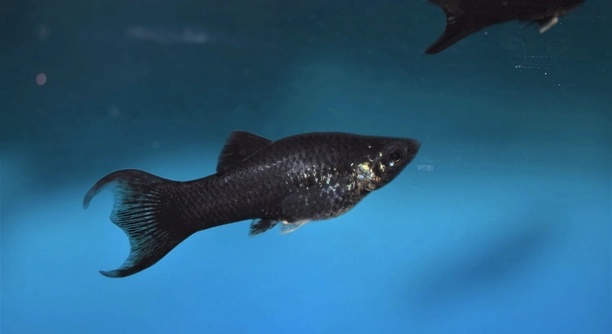
Are your black molly fry sinking faster than expected in your aquarium? Observing their behavior can be worrying, especially when you want them to grow healthy and strong. This is a common concern for many aquarium enthusiasts.
The primary cause of black molly fry sinking rapidly is often linked to poor swim bladder development or digestive issues. Insufficient nutrition, overfeeding, or unsuitable water conditions can impair buoyancy, leading fry to sink or struggle in the water column.
Understanding these factors will help you take the right steps to improve their health and survival. Small adjustments can make a big difference in your fry’s development.
Common Reasons Black Molly Fry Sink Too Fast
Black molly fry may sink quickly due to several factors that affect their buoyancy and overall health. One major factor is swim bladder development. Fry are born with an underdeveloped swim bladder, which helps them maintain balance and float in the water. Improper feeding can also contribute. Overfeeding or feeding inappropriate foods can cause digestive issues, making fry heavy and causing them to sink. Water quality plays a significant role as well. High ammonia or nitrate levels, incorrect pH, and unstable temperatures can weaken fry, reducing their ability to swim properly. Even small fluctuations in water conditions can stress fry, leading to decreased activity and increased sinking. Monitoring their environment closely and ensuring proper nutrition is essential for their survival and growth. Providing finely crushed or specialized fry food, frequent water changes, and maintaining stable water parameters can greatly improve buoyancy and overall vitality in black molly fry.
Consistently checking water conditions and feeding small, frequent meals helps fry develop properly. This reduces sinking and stress.
Focusing on diet, water quality, and proper tank setup ensures fry remain active. By giving attention to these factors, you can help them grow strong and healthy. Healthy fry display better movement, less sinking, and a higher chance of survival, making your care more effective and rewarding.
Feeding Tips to Improve Fry Buoyancy
Proper nutrition directly impacts how well black molly fry maintain buoyancy.
Feeding small amounts of high-quality, finely crushed food multiple times a day prevents digestive issues and supports swim bladder development.
Selecting foods specifically formulated for fry is crucial. These often include microgranules or powdered fry food that are easier to digest. Overfeeding should be avoided, as it can lead to bloating, constipation, and sinking. Providing live foods, such as baby brine shrimp or infusoria, can improve growth rates and buoyancy. Maintaining a consistent feeding schedule ensures fry receive adequate nutrients without overwhelming their tiny digestive systems. Additionally, removing uneaten food promptly prevents water quality deterioration, which can also impact buoyancy. Keeping the tank clean, monitoring water parameters, and offering proper nutrition work together to support healthy swim bladder function. By carefully managing these factors, fry are more likely to swim actively, grow properly, and thrive in their environment. This combination of diet and care is essential for their early development.
Water Conditions and Fry Health
Stable water conditions are essential for black molly fry to swim properly. Sudden changes in temperature or pH can stress them and cause excessive sinking.
Keeping water parameters consistent supports healthy development. Ammonia and nitrate levels should remain low, and temperature should be steady. Fluctuations weaken fry and affect their swim bladder. Regular testing and partial water changes maintain a healthy environment. Using a sponge filter can provide gentle filtration without disturbing fry. Avoid overcrowding, as crowded conditions increase stress and reduce oxygen levels. Stable water helps fry feed efficiently, digest properly, and stay buoyant. Proper water care is a simple yet effective way to prevent sinking issues and improve overall survival rates.
Monitoring the tank daily helps detect problems early. Even minor adjustments can prevent stress and buoyancy issues. Maintaining cleanliness, consistent temperature, and low toxins gives fry a strong start.
Fry respond well to gradual changes. Sudden shifts in water quality or temperature often lead to lethargy and sinking. Keeping a stable environment, including proper filtration and aeration, reduces stress and encourages normal swimming behavior. Avoid harsh currents or aggressive tankmates. Consistent care over the first few weeks significantly improves buoyancy, digestion, and overall health. Healthy water conditions directly influence growth, resilience, and activity levels, making fry less likely to sink and more likely to thrive.
Tank Setup for Black Molly Fry
Providing a safe, well-structured tank encourages fry to swim actively and reduces sinking. Proper hiding spaces are necessary for their comfort.
A shallow tank with plants, gentle filtration, and stable temperature supports fry growth. Floating or live plants give shelter and improve water quality. Avoid strong currents that can overwhelm small fry. Small decorations or moss create hiding spots and reduce stress. Keeping the tank uncluttered allows fry to move freely and exercise their swim bladder. Gentle lighting and careful placement of equipment prevent sudden disturbances. Maintaining a low-stress environment supports feeding, buoyancy, and overall development. Regular cleaning without disturbing fry ensures healthy water and consistent swimming behavior.
Arranging the tank to balance open swimming areas with hiding spaces promotes buoyancy. Fry feel secure while having room to explore. Proper setup also aids feeding efficiency, reduces stress, and encourages natural movement patterns. Soft substrates and smooth decorations prevent injury. Careful tank planning improves survival rates and supports healthy swim bladder function. A well-set-up environment allows fry to remain active, grow steadily, and develop strong swimming skills. Providing consistent conditions with shelter and space gives them the best chance to thrive without sinking.
Observing Fry Behavior
Watching black molly fry closely helps identify early signs of sinking. Pay attention to their swimming patterns and activity levels.
Lethargic fry that rest at the bottom often indicate stress, poor water quality, or digestive issues. Early observation allows timely intervention before problems worsen.
Preventing Swim Bladder Issues
Maintaining proper feeding routines and water quality is key to preventing swim bladder problems. Avoid overfeeding and provide easily digestible foods to support fry buoyancy. Gradually acclimate fry to their environment to reduce stress. Consistent water parameters and gentle currents promote healthy swim bladder development, encouraging active swimming. Regular tank maintenance and monitoring ensure that fry remain in optimal conditions. Offering live foods and high-quality fry formulas helps strengthen their digestive system and buoyancy. By combining careful feeding, stable water, and proper tank setup, fry are more likely to swim normally, grow properly, and avoid sinking issues.
Monitoring Growth
Tracking the growth of fry helps detect any persistent sinking problems early. Observing size and activity ensures they develop properly.
FAQ
Why are my black molly fry sinking immediately after birth?
Newly born black molly fry often have underdeveloped swim bladders, which makes it difficult for them to stay afloat. Their tiny digestive systems may also struggle with certain foods, causing temporary sinking. Providing finely crushed fry food and maintaining stable water conditions helps them adjust gradually.
Can overfeeding cause black molly fry to sink?
Yes, overfeeding can lead to bloating and digestive issues, making fry heavier and prone to sinking. Small, frequent meals are ideal. Uneaten food should be removed quickly to prevent water contamination, which can worsen buoyancy problems.
What role does water temperature play in fry buoyancy?
Stable water temperature is essential. Sudden drops or spikes in temperature can stress fry, weakening their swim bladder and causing them to sink. Keeping the water within a consistent range suitable for black mollies promotes normal activity and growth.
How does water quality affect sinking behavior?
High ammonia, nitrite, or nitrate levels can stress fry, reduce their energy, and impair buoyancy. Regular partial water changes and proper filtration help maintain low toxin levels. A sponge filter is ideal because it provides gentle filtration without disturbing small fry.
Are there foods that improve swim bladder function?
Easily digestible foods like powdered fry food or live baby brine shrimp support swim bladder health. These foods are less likely to cause bloating or constipation, which are common reasons fry sink. Consistent feeding schedules also improve digestion and buoyancy.
How often should I feed black molly fry?
Feeding 3–5 small portions a day is best. This prevents overloading their tiny digestive systems while ensuring they get enough nutrients to grow strong. Observing how much they consume each feeding helps adjust portions appropriately.
Does tank size affect fry buoyancy?
Yes, a tank that is too crowded can increase stress and limit swimming space, causing fry to sink more frequently. A small, shallow tank with ample open areas and gentle currents allows fry to swim freely and practice maintaining buoyancy.
Can stress cause fry to sink?
Stress from sudden changes in water conditions, tankmates, or excessive handling can weaken fry and cause sinking. Providing hiding spots, stable water, and a calm environment minimizes stress and supports healthy swimming behavior.
How can I tell if my fry have a swim bladder problem?
Fry with swim bladder issues often float sideways, sink to the bottom, or struggle to maintain balance. Consistent sinking despite proper feeding and water conditions may indicate a more serious problem that requires careful attention to diet, water quality, and tank setup.
Is it normal for fry to sink sometimes?
Occasional sinking is normal for very young fry as their swim bladder develops and they adjust to new feeding routines. Persistent sinking, lethargy, or difficulty swimming indicates a problem that should be addressed with diet adjustments, water testing, and environmental improvements.
What maintenance helps prevent sinking problems?
Regular water changes, careful monitoring of water parameters, gentle filtration, and consistent feeding schedules all contribute to healthy fry buoyancy. Removing uneaten food promptly and providing hiding places reduces stress and supports normal growth. Consistency in care makes a noticeable difference in preventing sinking behavior.
Are live plants helpful for fry buoyancy?
Yes, live plants create calm areas where fry can rest and practice swimming. They also improve water quality by absorbing toxins and providing surfaces for microfauna that fry can feed on, supporting both buoyancy and overall health.
How long does it take for fry to swim normally?
Most black molly fry develop better swim bladder control within the first few weeks if provided with proper nutrition, stable water conditions, and a low-stress environment. Monitoring their progress daily ensures any issues are addressed promptly to support healthy development.
Can water current affect fry sinking?
Strong currents can overwhelm small fry, causing them to sink or become exhausted. Gentle water flow is best, as it encourages swimming without adding stress. A sponge filter or diffuser can help maintain circulation without disturbing fry.
Should I separate fry from adult fish?
Yes, separating fry from adult fish prevents competition for food and reduces stress from chasing or accidental injury. A dedicated fry tank or breeding box ensures they have space to swim, feed, and develop without interference.
Is sinking always a sign of illness?
Not always. Occasional sinking can be normal during early development or after feeding. Persistent sinking combined with other symptoms like lethargy, bloating, or abnormal swimming suggests a potential health or environmental issue that needs addressing.
Can I improve buoyancy with supplements?
Certain high-quality fry foods contain nutrients that support swim bladder development and digestive health. However, over-supplementing or feeding inappropriate foods can worsen problems, so stick to recommended fry diets and avoid sudden changes.
Do fry need different water parameters than adults?
Fry are more sensitive to water quality fluctuations than adult mollies. Maintaining stable pH, low toxins, and consistent temperature is critical for buoyancy and overall development. Slight differences in hardness or temperature can stress fry even if adults tolerate them.
How does tank lighting affect fry behavior?
Bright, direct lighting can stress fry, causing them to hide or sink. Soft, diffuse lighting with shaded areas allows them to explore safely and encourages normal swimming. Plants or floating covers help diffuse light and provide shelter.
What is the best way to monitor fry health daily?
Observe swimming patterns, feeding behavior, and general activity. Checking water parameters and removing uneaten food daily prevents water quality issues. Keeping a consistent routine and noting any changes ensures early detection of buoyancy or health problems.
Can sinking affect long-term growth?
Yes, fry that consistently sink may have trouble feeding efficiently and developing strong muscles. Ensuring proper nutrition, water quality, and tank setup supports healthy growth and reduces the risk of long-term developmental issues.
What signs indicate recovery from sinking issues?
Fry that begin swimming actively, maintaining balance, and feeding regularly indicate improved swim bladder function. Consistent buoyancy, energy, and growth show that diet, water conditions, and care adjustments are effective.
Are there preventive measures for future batches?
Maintaining a stable tank, providing appropriate fry food, avoiding overcrowding, and monitoring water quality from the start helps prevent sinking problems in future fry batches. Early care and attention significantly improve buoyancy and survival rates.
How important is observation compared to intervention?
Daily observation allows early detection of issues, often preventing more serious problems. Timely interventions, such as adjusting feeding or water parameters, combined with careful monitoring, are essential for healthy fry development and buoyancy.
Can I use floating feeding techniques to help fry?
Yes, feeding small portions at the water surface encourages active swimming and helps fry practice buoyancy. Floating food is easier for fry to access and supports gradual swim bladder development.
Is sinking more common in certain breeds or strains?
While all black molly fry can experience sinking, some genetic variations may make certain strains more prone to swim bladder challenges. Consistent care, proper feeding, and stable water conditions mitigate this risk regardless of strain.
How do I handle fry during water changes?
Use gentle methods like siphoning or small cups to avoid disturbing fry. Partial water changes with water of matching temperature and parameters minimize stress and prevent sudden sinking caused by shock or turbulence.
Can temperature fluctuations at night affect fry?
Yes, even small nightly drops can stress fry, reducing activity and causing sinking. Using a stable heater and monitoring tank temperature ensures consistent conditions for buoyancy and growth.
Do fry benefit from live microorganisms in the tank?
Yes, live microorganisms provide additional nutrition and encourage natural feeding behaviors. They support digestion, which in turn improves swim bladder function and reduces sinking.
How do I know if sinking is due to disease or environment?
If water parameters are stable, diet is appropriate, and stress is minimized, persistent sinking may indicate illness. Observing other symptoms like lethargy, swelling, or discoloration can help differentiate between health issues and environmental causes.
Can adjusting feeding times help buoyancy?
Yes, feeding smaller, more frequent meals prevents digestive overload and promotes steady buoyancy. Consistent timing helps fry develop regular eating and swimming patterns, reducing sinking incidents.
Is it normal for fry to swim sideways or upside down sometimes?
Occasional imbalance can occur during early swim bladder development. Frequent or prolonged sideways swimming suggests digestive issues, water quality problems, or underdeveloped swim bladders that require attention.
What role does oxygenation play in fry buoyancy?
Adequate oxygen levels support energy production, digestion, and swim bladder function. Low oxygen can weaken fry, leading to sinking. Gentle aeration ensures sufficient oxygen without creating strong currents that stress fry.
How do I encourage active swimming without stressing fry?
Providing open swimming areas, gentle currents, and small hiding spots promotes movement. Feeding at the surface and maintaining calm water conditions encourages exercise while minimizing stress, helping fry develop proper buoyancy and strength.
Are there signs that indicate fry are overfed?
Bloating, floating at unusual angles, sluggish swimming, or uneaten food remaining in the tank are signs of overfeeding. Reducing portion size and frequency corrects digestive issues and supports normal buoyancy.
Does the age of the fry affect sinking tendencies?
Younger fry are more prone to sinking due to underdeveloped swim bladders and digestive systems. As they grow and develop stronger muscles and internal organs, they generally gain better control over buoyancy.
Can water hardness affect swim bladder development?
Extreme hardness or softness can stress fry and impact their swim bladder. Maintaining moderate, stable water hardness supports proper buoyancy, digestion, and overall health, reducing sinking problems.
Is sinking more likely in newly set-up tanks?
Yes, unstable conditions, fluctuating parameters, and immature biological filtration can stress fry. Stabilizing the tank before introducing fry reduces sinking incidents and improves survival rates.
What are the most effective long-term strategies to prevent sinking?
Maintain stable water parameters, provide high-quality digestible foods, avoid overcrowding, monitor growth and behavior, and keep a low-stress environment. Combining these strategies ensures proper swim bladder development and healthier, active fry.
Can sinking indicate nutritional deficiencies?
Yes, insufficient protein, vitamins, or fatty acids can impair growth and swim bladder function. Using a balanced fry-specific diet supports buoyancy and overall development.
How do I safely transition fry to adult food?
Gradually introduce finely crushed adult food once fry are strong swimmers and have consistent buoyancy. Mixing small amounts with fry food prevents digestive issues and ensures smooth dietary transition.
Does tank lighting schedule affect fry buoyancy?
A consistent lighting schedule helps regulate activity patterns. Sudden changes or overly bright lighting can stress fry, causing sinking or hiding behavior. Providing shaded areas and soft light reduces stress.
Can introducing new fry affect existing fry buoyancy?
Yes, competition, stress, and increased waste can disrupt feeding and water quality. Gradually introducing new fry in a controlled environment helps maintain stability and prevents buoyancy problems in existing fry.
Is there a link between genetics and swim bladder strength?
Some genetic lines may have a higher tendency for swim bladder issues. While care and environment play the biggest role, awareness of genetic factors can guide breeding decisions to reduce sinking tendencies.
How often should I observe fry for buoyancy issues?
Daily observation is best during the first few weeks. Early detection allows adjustments in feeding, water quality, or tank setup to prevent prolonged sinking and support healthy growth.
Do tank decorations influence fry swimming ability?
Yes, decorations can provide hiding spaces but should not create strong currents or block swimming areas. Balanced placement encourages natural movement and reduces stress-induced sinking.
Can changing water too quickly cause sinking?
Sudden water changes can shock fry, causing temporary sinking or lethargy. Gradual changes with matching temperature and parameters minimize stress and support normal swimming behavior.
Are there behavioral cues indicating recovery from sinking issues?
Active swimming, feeding at normal levels, and maintaining upright orientation indicate improved swim bladder function. Observing these signs confirms that diet, water quality, and environment adjustments are effective.
Can fry survive temporary sinking episodes?
Yes, short periods of sinking are common in young fry. Persistent or prolonged sinking requires intervention, but brief episodes typically resolve as fry adjust to their environment and develop stronger swim bladders.
Does tank location affect buoyancy?
Placing the tank in a stable environment away from drafts, vibrations, or direct sunlight helps maintain water stability. Consistent conditions support normal swimming behavior and reduce stress-induced sinking.
Can water additives help with buoyancy?
Certain mineral supplements may support overall health, but they should be used cautiously. Proper diet, water quality, and stable parameters are more effective and safer for preventing sinking issues.
Is sinking more common in stressed or weak fry?
Yes, stress from environmental changes, poor nutrition, or disease can cause fry to sink. Reducing stressors and providing proper care improves buoyancy and survival.
What’s the best approach to long-term prevention of sinking?
Focus on consistent feeding, stable water conditions, gentle currents, appropriate tank setup, and daily monitoring. Attention to these factors from the start ensures healthy buoyancy, growth, and activity.
Can stress from tankmates cause sinking?
Yes, aggressive or larger fish can stress fry, causing them to hide or sink. Keeping fry separate until they are strong swimmers reduces stress and improves buoyancy.
Does water surface tension affect fry feeding and swimming?
Yes, fry may struggle at the surface if water tension is too high. Using a fine sprinkle of food or small floating particles encourages feeding and swimming without creating strain.
Are sinking patterns different between males and females?
There is no significant difference between genders at fry stage. Individual buoyancy issues are more often linked to environment, nutrition, and development rather than sex.
How can I tell if sinking is due to bloating?
Swollen abdomens, difficulty swimming, and sluggish behavior indicate digestive bloating. Adjusting feeding size, frequency, and type of food usually resolves the issue.
Should I quarantine sick fry?
Yes, separating fry showing persistent sinking or other health issues prevents the spread of disease and allows targeted care without stressing healthy fry.
Do water plants reduce sinking incidents?
Yes, plants provide shelter, reduce stress, and offer surfaces for microfauna. They create a supportive environment that encourages normal swimming and buoyancy.
Can a fry tank be too small?
Yes, overcrowding limits swimming space, increases waste, and raises stress levels, all of which can lead to sinking. Adequate space is essential for healthy buoyancy and growth.
How long should fry remain in a separate tank?
Keep fry in a dedicated tank until they are strong swimmers, able to feed efficiently, and maintain buoyancy consistently. This usually takes several weeks, depending on growth rates and tank conditions.
Can temperature swings during feeding cause sinking?
Yes, sudden temperature changes while adding food can stress fry. Using preconditioned water and feeding gently helps prevent temporary sinking and supports active swimming.
Does fry density impact sinking behavior?
High fry density increases competition for food, waste buildup, and stress, all contributing to sinking. Keeping a moderate population supports growth, buoyancy, and overall health.
Are there signs of permanent swim bladder issues?
Persistent sideways or upside-down swimming, chronic sinking, and inability to feed properly may indicate lasting swim bladder problems. Early intervention improves outcomes, but some fry may have lasting challenges despite care.
How do I safely introduce water treatments?
Any additives should be compatible with fry and added gradually. Rapid chemical changes can stress fry, affecting buoyancy. Always follow dosage instructions and monitor fry closely.
Is sinking more common after water changes?
If changes are abrupt, yes. Using water that matches temperature and parameters minimizes shock. Gradual, small changes prevent stress and maintain buoyancy.
Can water hardness or pH fluctuations trigger sinking?
Yes, unstable hardness or pH can stress fry and disrupt swim bladder development. Keeping parameters steady supports healthy growth and buoyancy.
Do fry need supplemental oxygen?
Adequate dissolved oxygen is important. Gentle aeration supports metabolism, swimming, and digestion. Avoid strong currents that could stress small fry.
How do I differentiate between normal adjustment and a problem?
Short, occasional sinking during early development is normal. Persistent sinking, lethargy, or abnormal swimming indicates diet, water, or health issues that need intervention.
Are sinking fry more prone to illness?
Yes, stressed or weak fry are more susceptible to disease. Maintaining optimal water quality, nutrition, and low-stress conditions reduces health risks.
Can I use salt to improve buoyancy?
A very mild aquarium salt solution can sometimes help reduce stress and support osmoregulation. Use cautiously, ensuring it is safe for fry species and dosage is minimal.
What is the typical recovery time for fry with minor sinking issues?
Minor sinking due to early swim bladder development or temporary stress usually resolves in a few days to weeks with proper feeding, water stability, and care.
Does fry size affect swimming ability?
Smaller or weaker fry may sink more frequently. As they grow and develop stronger muscles and swim bladders, buoyancy typically improves naturally.
Can uneven feeding spots in the tank cause sinking?
Yes, if food is only at one location, weaker fry may struggle to reach it, causing temporary sinking. Distributing small amounts evenly encourages movement and supports buoyancy.
Are sinking patterns different in shallow versus deep tanks?
Shallow tanks make it easier for fry to reach food and practice swimming. Deeper tanks may challenge weaker fry, increasing sinking incidents, so depth should be appropriate for size and age.
Does sudden light change cause sinking?
Sudden bright or fluctuating lighting can startle fry, causing temporary sinking. Gradual adjustments and shaded areas reduce stress and promote normal swimming behavior.
How long should I observe fry after feeding to ensure buoyancy?
Monitor fry for at least 30–60 minutes after feeding to watch for sinking or bloating. Early detection allows adjustments in diet, water, or environment.
Are sinking fry more likely to be weaker long-term?
If caused by temporary factors like diet or water, recovery is likely. Persistent sinking due to developmental or genetic issues may indicate ongoing challenges, requiring careful monitoring and management.
Can sinking be reversed with proper care?
Yes, most sinking issues caused by environment, diet, or stress can be corrected with stable water, appropriate feeding, and careful tank management. Early intervention is key.
Do fry need resting areas to prevent sinking?
Yes, plants or soft decorations provide safe spaces where fry can rest without being pushed by currents. These areas reduce stress and encourage normal swim bladder development.
Is sinking more common in first-time spawns?
Yes, first-time fry may have weaker swim bladder development or require more careful feeding and environmental management. Experienced care improves buoyancy and survival.
Can overhandling fry cause sinking?
Yes, frequent or rough handling stresses fry,
Black molly fry sinking too fast can be worrying, but it is often a normal part of their early development. Many fry are born with underdeveloped swim bladders, which makes it difficult for them to maintain buoyancy at first. Over time, as they grow and their digestive and muscular systems strengthen, most fry gradually learn to swim more steadily. Temporary sinking is common, especially after feeding or during periods of adjustment to their environment. Understanding that this behavior can be part of their natural growth helps reduce frustration and allows for more focused care. Observing their behavior daily and noting any changes in activity, feeding, or balance gives a clearer picture of their overall health and progress. This consistent monitoring allows small adjustments in diet, water quality, or tank setup to make a significant difference in their development.
Providing proper nutrition and maintaining stable water conditions are the most important steps to ensure healthy fry growth. Fry require easily digestible food in small, frequent portions to avoid digestive issues that can cause sinking. Overfeeding or providing inappropriate foods can lead to bloating and stress, both of which negatively affect swim bladder function. A diet including powdered fry food, microgranules, and occasional live foods like baby brine shrimp supports healthy digestion and buoyancy. Along with proper feeding, water quality must be carefully maintained. Regular partial water changes, monitoring ammonia, nitrite, and nitrate levels, and keeping a stable temperature are essential to reduce stress and prevent buoyancy problems. Using gentle filtration, providing hiding spaces, and avoiding overcrowding create a low-stress environment that allows fry to swim freely and develop strong muscles. These combined steps support not only buoyancy but also overall vitality, activity, and growth.
Even with careful care, some fry may still experience occasional sinking. This does not always indicate a serious health problem but should be monitored to ensure it does not persist. Persistent sinking combined with lethargy, abnormal swimming, or poor feeding may signal a deeper issue, such as disease or long-term swim bladder problems. Taking a proactive approach, including adjusting feeding routines, checking water parameters, and providing a well-structured tank, minimizes risks and improves the chances of healthy fry development. Over time, consistent attention and careful management help fry become stronger, more active, and better able to maintain buoyancy on their own. Focusing on these aspects allows for a more rewarding experience, as the fry grow into healthy adult mollies capable of thriving in their environment. Care, patience, and observation are key to helping black molly fry overcome early sinking challenges and reach their full potential.

Hello,
If you enjoy the content that we create, please consider saying a "Thank You!" by leaving a tip.
Every little bit helps us continue crafting quality advice that supports the health, happiness, and well-being of pets around the world, for pets of all shapes, sizes, and species.
We really appreciate the kindness and support that you show us!