
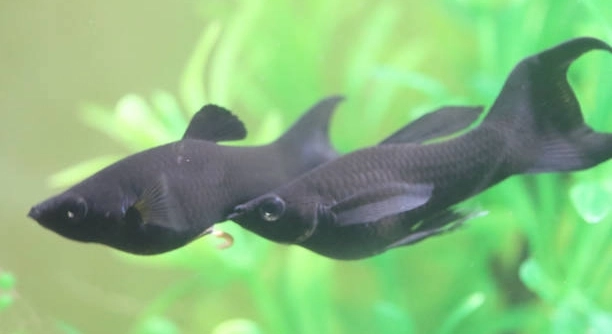
Do you enjoy keeping Black Mollies but find it challenging to manage their growth and behavior in one tank? Separating them by age can make a significant difference in their overall health and development.
Separating Black Mollies by age provides multiple benefits, including reducing aggression, improving feeding efficiency, minimizing disease transmission, and supporting proper growth rates. Age-specific grouping allows better management of environmental needs and promotes a healthier, more balanced aquatic community.
Understanding the advantages of age separation can improve your fishkeeping experience and ensure your Black Mollies thrive in a stable environment. It is a simple step with lasting benefits for their well-being.
Reduced Aggression Among Black Mollies
Keeping Black Mollies of different ages together can often lead to fights and stress. Older, larger fish may dominate smaller, younger fish, taking food and space. Separating them by age reduces these conflicts. Each group can establish its own hierarchy without constant pressure from stronger tank mates. Stress from aggression can weaken immune systems, making fish more prone to disease. By dividing them into age groups, you create a calmer environment where each fish feels secure. This also encourages natural behavior, as younger fish can explore and feed without fear. Managing tank size and decorations for each age group further supports peaceful interactions.
You will notice calmer swimming patterns and less chasing when fish are separated by age. Stress levels drop, and overall activity becomes more balanced.
Age-specific tanks allow for easier observation of growth and health. Feeding becomes more effective because each group receives proper portions without interference. It also reduces injuries from nips and territorial disputes. Maintaining cleaner water is easier, as waste levels are more predictable when populations are managed by age. Juvenile mollies grow faster in a stress-free environment, while adults maintain their health without being forced to compete constantly. This separation also makes it simpler to monitor breeding readiness, track development, and ensure each age group receives tailored care. The result is a healthier, more vibrant display of Black Mollies, where each fish thrives without unnecessary conflict.
Optimized Feeding and Growth
Feeding a mixed-age tank can be difficult because older fish often eat more than younger ones.
Separating mollies by age ensures that each group receives appropriate food amounts. Younger fish get nutrient-rich meals to support growth, while adults maintain their health without overeating.
By providing age-specific diets, you prevent nutritional imbalances. Juvenile Black Mollies need higher protein content for proper development, while adults benefit from a balanced diet that maintains color and vitality. Mixed-age feeding often leaves smaller fish undernourished, slowing their growth and weakening their immune systems. Age separation also makes monitoring eating habits easier. Overfeeding is reduced, and leftover food can be removed promptly, preventing water quality issues. Tailoring feeding schedules to each age group supports consistent growth rates and strengthens overall health. This approach allows for better tank management, healthier fish, and a more predictable, harmonious aquarium environment for Black Mollies of all ages.
Lower Risk of Disease Transmission
Separating Black Mollies by age helps prevent the spread of disease. Younger fish have weaker immune systems and are more vulnerable to infections carried by older fish. Age-specific tanks reduce this risk significantly.
Younger mollies often contract illnesses from adults who have been exposed to various pathogens. When all ages share one tank, infections can spread quickly, causing stress and mortality. By keeping juveniles and adults apart, you minimize exposure and give each group a safer environment. Regular monitoring is easier in age-specific tanks, allowing for early detection of any health issues. Preventive care, like water changes and proper feeding, becomes more effective, supporting overall fish health.
In addition, separating by age allows for targeted treatments without affecting the entire population. If one group shows signs of illness, medications or quarantine measures can be applied without risking the other age group. This separation simplifies tank maintenance and reduces the chance of repeated outbreaks. Over time, this approach leads to a stronger, healthier population of Black Mollies, ensuring both juveniles and adults grow and thrive under safer conditions.
Easier Breeding Management
Separating Black Mollies by age makes breeding control more manageable. Younger fish are not overwhelmed by older, more dominant fish, which can disrupt mating behaviors.
By maintaining age-specific groups, you can monitor which adults are ready to breed without interference from juveniles. This ensures healthier fry and reduces stress on both parents and offspring. Breeding tanks can be set up for mature mollies while juveniles continue growing safely elsewhere. Tracking reproductive cycles and fry survival rates becomes straightforward, improving overall population management.
Age separation also allows selective breeding practices. You can pair adults based on desired traits without worrying about younger fish competing for attention or food. Juveniles grow in a calm environment, unaffected by aggressive breeding behaviors or adult dominance. Managing separate tanks reduces accidental crossbreeding and provides control over genetic diversity. This approach ensures higher survival rates for fry and allows better planning for future population growth. In the long term, it supports healthier, more balanced Black Molly communities.
Better Space Management
Separating Black Mollies by age allows for more efficient use of tank space. Younger fish need hiding spots and open swimming areas, while adults require room to establish territory. Age-specific tanks make arranging the environment simpler and more effective.
Tank decorations and plants can be tailored to each group’s needs. Juveniles benefit from dense vegetation for protection, while adults prefer open areas for movement and dominance. This setup reduces stress and encourages natural behaviors, making it easier to maintain both groups in healthy conditions.
Improved Observation of Health
Monitoring individual health is easier when fish are grouped by age. Any changes in behavior or appearance are more noticeable.
Regular checks for growth patterns, fin condition, and activity levels can be conducted efficiently. Age-specific tanks make it easier to spot illness or injury early.
Enhanced Growth Rates
Juvenile Black Mollies grow faster in tanks without competition from older fish. They receive adequate food and reduced stress, supporting optimal development.
Simplified Tank Maintenance
Maintaining water quality is easier when populations are separated by age. Waste production becomes more predictable, and cleaning schedules can be adjusted for each group.
How often should I separate Black Mollies by age?
It is best to separate Black Mollies as soon as they are noticeably different in size or age. Juveniles should be moved into their own tank or section once they are about two to three months old. This timing helps prevent older fish from intimidating or outcompeting younger ones for food and space. Regularly checking growth rates ensures timely separation. In mixed tanks, smaller fish may struggle to eat or become stressed, which can stunt growth and weaken their immune systems. Age-specific tanks make management easier and promote healthier development.
Can I keep different ages together if the tank is large enough?
Even in a large tank, mixing ages can still lead to problems. Older Black Mollies are naturally more dominant and may chase or nip at younger fish. Large tanks provide more space, but hierarchy and territorial instincts still create stress for juveniles. Feeding can also become uneven, with younger fish missing out on nutrients. A divided tank setup or separate age-specific tanks remains the best approach. This ensures that each group receives proper care and maintains consistent growth without constant interference from larger, older tank mates.
Will separating by age affect breeding?
Yes, separating Black Mollies by age makes breeding management much easier. Adult fish can breed without interference from juveniles, ensuring healthier fry survival. Younger fish can grow in a calm environment, reducing stress that can impact development. Age separation also allows selective breeding practices, where specific adults are paired based on traits without accidental mixing with younger fish. Fry raised in age-specific tanks have a higher survival rate and can be monitored more efficiently, ensuring a stable and balanced population.
How does age separation impact feeding schedules?
Age separation allows you to tailor feeding routines to each group’s nutritional needs. Juveniles require higher protein for growth, while adults need balanced diets to maintain color and vitality. Feeding mixed-age tanks often results in overfeeding adults and underfeeding juveniles. By dividing them, you can provide appropriate portions, reduce waste, and maintain water quality. Age-specific feeding also makes it easier to monitor intake, spot picky eaters, and adjust diets if necessary. Over time, this promotes healthy growth and reduces competition-related stress.
What are the signs that my Black Mollies are stressed in a mixed-age tank?
Signs of stress include hiding frequently, reduced appetite, frayed fins, or erratic swimming. Juveniles are particularly vulnerable to being chased or bullied. Adults may appear aggressive, constantly nipping or asserting dominance. Stress weakens the immune system, making fish more prone to illness. Separating by age helps reduce these behaviors, creating calmer, healthier environments. Observing each group in age-specific tanks allows for quick intervention if any fish show early signs of distress.
Is it necessary to have completely separate tanks for each age group?
Separate tanks are ideal but not always required. Dividers or sections within a larger tank can work if they prevent interaction between age groups. The main goal is to reduce stress, aggression, and competition for food. Ensuring each section has proper hiding spots, decorations, and feeding stations helps maintain healthy growth and behavior. Regular monitoring and adjustments may be needed to ensure each group thrives in a shared setup.
How do I transition juvenile Black Mollies to a new tank?
When moving juveniles, ensure the new tank has stable water conditions similar to the original environment. Gradually acclimate them to prevent shock. Provide adequate hiding spots and ensure appropriate water temperature and pH. Monitor them closely for the first few days for signs of stress or illness. Maintaining proper diet and avoiding overcrowding is essential for continued growth and health in the new tank.
Can separating by age reduce mortality rates?
Yes, age separation significantly lowers mortality. Younger fish are less likely to be injured or outcompeted for food. Adults experience less stress from constant social dominance behaviors. Age-specific tanks simplify care, reduce disease transmission, and create a stable environment where both juveniles and adults thrive. This approach improves long-term survival and overall population health.
Does age separation affect tank decorations or setup?
Yes, tank setup can be tailored to each group. Juveniles benefit from dense vegetation or hiding areas for protection. Adults prefer open swimming spaces to establish territories. Dividing tanks allows for better environmental design that suits the needs of each age group, reducing stress and promoting natural behaviors. It also makes cleaning and maintenance more manageable.
Are there any disadvantages to separating by age?
The main disadvantage is the need for extra tanks or dividers, which requires more space and resources. However, the benefits, including reduced aggression, better feeding, and healthier growth, outweigh these challenges. Proper planning ensures age separation is practical and effective without causing significant logistical issues.
Separating Black Mollies by age is a simple step that has a major impact on their health and well-being. Keeping juveniles and adults together often leads to stress, aggression, and uneven feeding. Younger fish may struggle to compete for food, while older fish can dominate space and territory. Over time, this can slow growth, reduce immunity, and even increase the risk of illness. By creating age-specific groups, each fish has a better chance to grow in a safe and calm environment. Juveniles can explore and feed freely without constant interference, and adults maintain their natural behaviors without needing to assert dominance. This separation helps establish a more balanced tank dynamic, where each age group can thrive according to its needs. Observing the differences in behavior and growth between separated groups clearly shows the benefits of this practice, making it easier to manage a healthy Black Molly population.
Age-specific tanks also simplify daily care and feeding routines. Feeding juveniles separately ensures they get the proper nutrients required for rapid growth, while adults receive balanced portions that maintain their health and coloration. Monitoring health becomes more straightforward because any changes in behavior or appearance are easier to notice in a group of similar-aged fish. Illnesses or injuries can be treated without affecting other age groups, reducing the risk of widespread problems. Water quality is easier to maintain when populations are divided because waste production is more predictable, and cleaning schedules can be adjusted to suit each group’s needs. This approach makes tank management less stressful and more efficient, allowing both juvenile and adult Black Mollies to flourish under controlled and stable conditions.
Finally, separating Black Mollies by age supports long-term population stability and breeding management. Juveniles grow in a stress-free environment, which improves survival rates and overall vitality. Adults can be managed for selective breeding without interference from younger fish, allowing for healthier fry and better monitoring of reproductive behaviors. This structured approach provides control over growth, feeding, and overall tank conditions, making it easier to maintain balanced communities. While setting up separate tanks or sections requires planning and resources, the benefits far outweigh the extra effort. Healthy, well-cared-for Black Mollies are more vibrant, active, and resilient, creating a tank environment that is both visually appealing and easier to manage. By investing in age separation, you create a foundation for long-term success and well-being for every fish in your care.

Hello,
If you enjoy the content that we create, please consider saying a "Thank You!" by leaving a tip.
Every little bit helps us continue crafting quality advice that supports the health, happiness, and well-being of pets around the world, for pets of all shapes, sizes, and species.
We really appreciate the kindness and support that you show us!