
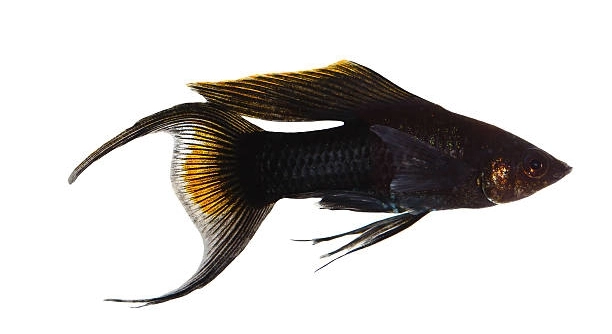
Black Mollies are popular freshwater fish that brighten up home aquariums with their sleek black color and lively movements. Keeping them healthy and energetic is a common goal for fish enthusiasts and hobbyists alike.
Maintaining and boosting Black Molly energy primarily depends on proper nutrition, clean water, and appropriate tank conditions. A consistent feeding routine, balanced diet, regular water changes, and stable environment directly contribute to their vitality and overall well-being.
Knowing simple ways to enhance their energy can make caring for these fish easier and more rewarding for aquarium owners.
Provide a Balanced Diet
Black Mollies thrive when offered a variety of foods. A mix of high-quality flake food, frozen brine shrimp, and occasional vegetable matter like spinach or zucchini helps maintain their energy levels. Overfeeding should be avoided, as it can lead to poor water quality and health issues. Regularly changing the type of food keeps them interested and encourages active swimming. It also supports strong immune systems, bright coloration, and natural behaviors. Feeding small amounts multiple times a day is better than one large feeding, preventing uneaten food from fouling the tank. Including plant-based options ensures they get fiber, while protein-rich foods support growth and stamina. Rotating diet items weekly can help balance their nutrition without overwhelming the aquarium system.
Offering a varied diet with proper portions directly affects the energy and vitality of Black Mollies. They become livelier and maintain healthier bodies.
A consistent feeding schedule combined with dietary variety promotes stronger, more active fish. Nutritional balance reduces stress, encourages social interaction among tank mates, and supports overall growth. It also minimizes disease risk, keeping Mollies active and responsive.
Maintain Clean Water Conditions
Clean water is essential for Black Molly energy. Regular water changes prevent toxins from building up and keep fish healthy.
Monitoring temperature, pH, and ammonia levels ensures a stable environment. Consistent cleaning removes debris, which can stress fish and reduce activity. Proper filtration is crucial for maintaining water quality, and weekly partial water changes of 20-30% help maintain balance. Avoid sudden changes in water parameters, as Black Mollies are sensitive to fluctuations. Removing leftover food promptly prevents harmful bacteria growth. A well-maintained tank not only enhances energy but also improves lifespan. Plants and decorations should be cleaned carefully to avoid introducing pollutants. Testing water regularly allows for adjustments before problems arise.
By combining regular water changes, monitoring key parameters, and keeping the tank free from excess waste, Mollies remain energetic and healthy. This approach minimizes stress, supports feeding behavior, and encourages natural swimming patterns. Proper maintenance also prevents common health problems like fin rot and algae overgrowth. Regular checks and attentive care make a noticeable difference in activity levels. Clean water creates a stable environment where Black Mollies can thrive, displaying brighter colors and more frequent interaction with tank mates. Ensuring optimal water conditions supports both short-term energy boosts and long-term vitality.
Provide Adequate Space
Black Mollies need enough space to swim freely. Crowded tanks can lead to stress and low energy, so maintaining proper stocking levels is important.
Giving Black Mollies sufficient swimming area supports natural behaviors and keeps them active. Overcrowding often leads to aggression or sluggishness, which reduces overall vitality. A larger tank allows for better water circulation, more oxygen, and room for plants and decorations without restricting movement. Each fish should have at least two gallons of water to ensure comfort. Providing vertical and horizontal space encourages exploration and exercise, keeping energy levels high. Proper spacing also reduces competition for food, which can impact growth and health. Tank mates should be chosen carefully to avoid stress and fighting.
Spacing affects feeding habits and social interactions. Black Mollies in spacious tanks are more confident, swim actively, and display brighter colors. Less competition for food means more consistent energy intake. Regular observation helps ensure the tank remains balanced, and fish continue thriving in a healthy environment.
Keep a Stable Temperature
Maintaining a stable water temperature is essential for Black Molly energy. Sudden shifts can weaken them or reduce activity.
Temperature affects metabolism and overall health. Black Mollies thrive in water between 72–78°F (22–26°C). Using a reliable heater and thermometer ensures consistency. Extreme fluctuations cause stress, making fish lethargic and prone to disease. Stability supports digestion and swimming patterns while maintaining energy reserves. Sudden drops or spikes can also disrupt breeding behavior and aggression levels. Gradual adjustments are better when changing conditions, avoiding shock. Monitoring daily allows for quick corrections if issues arise. Tank placement away from drafts, heaters, or direct sunlight prevents unwanted temperature swings, keeping the environment predictable.
A stable temperature improves appetite, encourages natural activity, and reduces stress-related illnesses. Black Mollies become more lively, swim steadily, and interact well with tank mates. Consistent warmth supports proper growth, immune function, and color vibrancy. Avoiding drastic changes helps maintain energy and prevents sudden health setbacks. Maintaining the ideal range ensures all fish share the same comfortable environment, leading to better overall performance and longer life expectancy in the aquarium.
Introduce Live Plants
Live plants improve water quality and give Black Mollies places to explore. They also provide natural hiding spots, reducing stress and boosting energy.
Plants release oxygen and absorb nitrates, helping maintain a healthier environment. Black Mollies tend to be more active when their tank has greenery, as it mimics their natural habitat.
Avoid Overcrowding
Keeping too many fish in one tank lowers oxygen levels and increases waste. Overcrowding stresses Black Mollies, leading to reduced energy and weaker immune systems.
Maintaining proper stocking levels ensures each fish has room to swim freely and access food without competition. A balanced population helps preserve water quality, encourages natural behavior, and prevents aggression. Observing fish interactions regularly helps identify overcrowding early, allowing for timely adjustments.
Provide Proper Lighting
Consistent lighting supports natural activity patterns and helps Black Mollies regulate their energy. Proper light exposure enhances color and encourages healthy swimming.
Include Mineral-Rich Water
Adding minerals like calcium and magnesium strengthens bones, supports metabolism, and boosts overall energy in Black Mollies.
FAQ
What is the ideal diet for Black Mollies?
Black Mollies need a balanced diet that includes both protein and plant matter. High-quality flake food works well for daily feeding, while frozen or live foods such as brine shrimp, daphnia, or bloodworms can be given occasionally. Leafy vegetables like spinach or zucchini provide fiber and essential nutrients. Rotating food types helps maintain their interest and supports overall health. Feeding small amounts multiple times a day is better than one large feeding. This prevents leftover food from fouling the water and ensures the fish get consistent nutrition without overfeeding.
How often should I change the water in a Black Molly tank?
Partial water changes of 20–30% weekly are recommended. This keeps nitrate levels low, removes uneaten food and waste, and maintains water quality. Daily observation helps spot cloudy water or unusual behavior. Removing debris and checking filtration ensures a stable environment. Avoid changing too much water at once, as sudden shifts in water parameters can stress the fish. Maintaining regular water changes encourages natural activity and helps prevent common health issues like fin rot or sluggish swimming.
What temperature should I keep Black Mollies at?
Black Mollies thrive in water between 72–78°F (22–26°C). Maintaining a stable temperature is essential because sudden drops or spikes can stress the fish and reduce their energy. Using a reliable heater and thermometer ensures consistency. Avoid placing tanks near drafts, air conditioners, or direct sunlight, as these can cause fluctuations. Gradual adjustments are preferable if changes are necessary. Stable temperature supports digestion, metabolism, and swimming activity. Fish kept within the proper range are more active, display brighter colors, and have stronger immune systems.
Can Black Mollies live with other fish?
Yes, but tank mates must be compatible. Avoid aggressive species or fish that outcompete Mollies for food. Peaceful community fish like guppies, platies, or tetras are good options. Maintaining proper space and observing behavior helps reduce stress and energy loss. Providing hiding spots with plants or decorations ensures that Mollies can escape if needed. Compatibility encourages natural swimming, social interaction, and healthy activity levels. Overcrowding should be avoided, as it can lead to competition for food and water quality issues.
Do Black Mollies need live plants?
Live plants are not strictly required but are highly beneficial. They improve water quality by producing oxygen and absorbing nitrates. Plants also provide hiding spots and areas for exploration, which reduce stress and encourage energy. Mollies tend to swim more actively in planted tanks, displaying natural behaviors and interacting with their environment. Choosing hardy plants like Java fern or Anubias ensures they survive without constant care. Decorations with hiding spaces work as a supplement, but live plants offer additional benefits for long-term vitality.
What causes low energy in Black Mollies?
Low energy usually comes from stress, poor water quality, improper diet, overcrowding, or temperature fluctuations. Addressing each factor helps restore vitality. Overfeeding or underfeeding can also contribute, as can lack of space for swimming. Regular monitoring of tank conditions, feeding habits, and fish behavior helps identify the problem early. Ensuring proper nutrition, clean water, and a stable environment maintains consistent activity levels. Stress-reducing measures like plants, adequate spacing, and compatible tank mates help keep Mollies lively.
How can I encourage breeding in Black Mollies?
Breeding requires good water quality, a stable temperature, and a nutritious diet. Providing plants or breeding mops gives females a place to deposit eggs. Separating fry from adults prevents them from being eaten. Maintaining a well-balanced environment ensures both energy and health are sufficient for reproduction. Feeding protein-rich foods supports fertility, while stable lighting and temperature reduce stress. Regular observation ensures successful hatching and healthy fry development.
How do I prevent disease in Black Mollies?
Preventing disease starts with clean water, proper diet, and avoiding overcrowding. Quarantining new fish reduces the risk of introducing pathogens. Maintaining a consistent temperature and monitoring for early signs of illness helps address problems before they worsen. Stress reduction through proper tank setup, hiding spaces, and compatible tank mates also lowers disease risk. Keeping plants healthy and removing decaying matter prevents bacteria and parasites. Consistent care and observation are key to long-term health and energy in Black Mollies.
What minerals are beneficial for Black Mollies?
Minerals like calcium and magnesium support bone strength, metabolic functions, and overall vitality. These can be added through mineral-rich water supplements or by using aquarium salts in moderation. Proper mineral levels improve energy, coloration, and resistance to stress. Testing water ensures minerals remain within safe levels. Over-supplementation can be harmful, so gradual adjustments are recommended. Maintaining a balanced mineral composition supports long-term health and keeps Black Mollies active and thriving in their environment.
How do I know if my Black Mollies are healthy?
Healthy Mollies are active, swim consistently, and display vibrant coloration. They eat regularly and interact with tank mates without aggression or hiding excessively. Smooth, intact fins and clear eyes indicate good health. Observing behavior, appetite, and overall appearance daily allows early detection of stress or illness. Regular tank maintenance, proper nutrition, and monitoring water quality are the best ways to ensure ongoing health and energy in your Black Mollies.
Final Thoughts
Keeping Black Mollies healthy and energetic is all about attention to basic needs. Their diet, tank conditions, water quality, and environmental stability directly affect how active and lively they are. A balanced diet with both protein and plant-based foods supports growth, metabolism, and stamina. Offering variety in their meals helps prevent boredom and ensures they receive all the nutrients needed for energy. Feeding small amounts several times a day is better than one large feeding, as it reduces waste and keeps the water cleaner. Overfeeding or underfeeding can both lead to health issues, so careful observation of appetite and behavior is important. Proper nutrition lays the foundation for all other aspects of care, making Mollies more resilient and better able to handle minor stresses in their environment.
Tank maintenance plays an equally important role in keeping Black Mollies energetic. Clean water, stable temperature, and appropriate space are essential for a thriving aquarium. Partial water changes, regular testing for pH, ammonia, and nitrate levels, and good filtration help maintain a balanced environment. Sudden fluctuations in temperature or water chemistry can stress Mollies, causing lethargy or loss of appetite. Providing enough swimming space reduces competition for food and supports natural behaviors, while live plants and decorations add structure and hiding spots, helping to reduce stress. Observing the tank regularly allows you to notice changes in behavior early, so adjustments can be made quickly. Consistency in tank maintenance and monitoring ensures Mollies remain active and healthy over the long term.
Environmental enrichment and thoughtful care complete the picture for energetic Black Mollies. Stable lighting, proper mineral content in the water, and compatible tank mates all contribute to their well-being. Mollies are more lively in planted tanks that mimic their natural environment, giving them areas to explore and hide. Stress is minimized when the tank is not overcrowded, water is clean, and the temperature is consistent. These factors together create a supportive habitat where Mollies can swim actively, feed well, and display natural behaviors. Paying attention to the small details, such as removing uneaten food, checking equipment, and rotating foods, can make a noticeable difference in their energy and overall health. With careful care and consistent attention, Black Mollies will remain vibrant, lively, and full of energy, adding life and movement to any aquarium setting.

Hello,
If you enjoy the content that we create, please consider saying a "Thank You!" by leaving a tip.
Every little bit helps us continue crafting quality advice that supports the health, happiness, and well-being of pets around the world, for pets of all shapes, sizes, and species.
We really appreciate the kindness and support that you show us!