
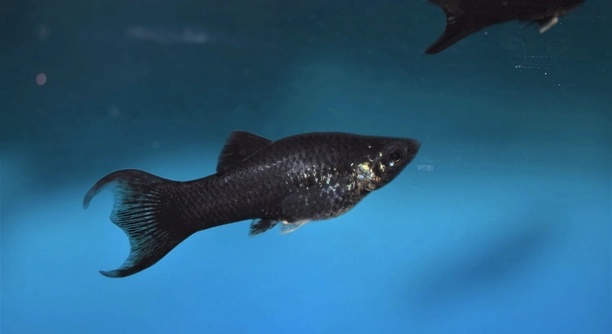
Can Black Molly fish adapt when the length of daylight changes in their aquarium? These small, lively fish rely on consistent lighting to regulate feeding, activity, and breeding patterns. Adjusting light duration can affect their behavior and health.
Black Molly fish are moderately adaptable to changes in light duration, but sudden or extreme shifts can cause stress. Gradual adjustments over several days allow the fish to acclimate while maintaining normal feeding, activity, and reproductive behavior.
Understanding how light impacts Black Molly behavior is important for their care. Small changes in lighting routines can have noticeable effects on their overall wellbeing.
How Light Duration Affects Black Molly Behavior
Black Molly fish are sensitive to changes in light because it directly influences their daily routines. Longer light periods generally increase activity, encouraging feeding and swimming, while shorter periods signal rest. Sudden shifts in lighting can lead to stress, causing the fish to hide or eat less. Consistent lighting helps maintain regular behavior patterns and supports breeding cycles. Light also affects coloration; well-lit environments often enhance their natural colors. Aquarium plants and decorations can create shaded areas, which allow the fish to regulate exposure and feel secure. Observing how your Black Mollies respond to different light durations can help you make small adjustments. Gradual changes, such as shifting the light by 15-30 minutes each day, reduce stress. Using timers ensures consistency and prevents accidental overexposure or sudden darkness. Maintaining this balance promotes overall health and a stable environment for both adults and juveniles.
Gradual adjustments in light duration are essential. Abrupt changes can trigger stress responses and disrupt normal activity and feeding patterns.
Proper lighting also impacts water temperature indirectly, which further influences the fish’s metabolism. Consistent, moderate light helps create a predictable environment, reducing stress and supporting healthy growth and reproduction over time.
Best Practices for Adjusting Light in Your Aquarium
Using timers ensures that Black Mollies experience consistent day-night cycles without abrupt changes. This consistency reduces stress and encourages natural behavior.
When altering light duration, it is best to increase or decrease exposure slowly, no more than 15-30 minutes per day. Start by observing the fish’s response over a few days. Signs of stress include hiding, reduced swimming, or decreased appetite. Pairing gradual light changes with regular feeding schedules helps the fish adjust naturally. Keep in mind that other factors, like water quality and temperature, interact with light effects. Providing shaded areas or floating plants allows the fish to retreat if lighting feels too intense. For breeding purposes, slightly longer light periods may encourage activity and mating behavior, but sudden extremes should be avoided. Monitoring the fish daily and making small, careful adjustments can maintain a healthy and balanced aquarium environment. With patience and attention, your Black Mollies will adapt smoothly to light changes while maintaining their vibrant health and activity levels.
Recognizing Stress from Light Changes
Stress in Black Mollies can appear as hiding, loss of appetite, or unusual swimming patterns. Monitoring these signs early allows for quick adjustments to light schedules and other environmental factors, preventing prolonged discomfort and potential health issues.
Changes in light duration can unsettle Black Mollies, especially if they are abrupt. Fish may become less active, hide behind decorations, or avoid feeding areas. Over time, stress can weaken their immune system, making them more susceptible to illness. Observing their behavior closely during transitions helps identify problems before they escalate. Simple measures, like adding shaded areas or gradually adjusting light, can reduce stress. Maintaining water quality and consistent feeding routines also supports their ability to cope with changes.
Providing a predictable environment is key. Even small variations in light can influence hormone levels and activity cycles, affecting breeding and social interactions. Ensuring light changes are gradual and paired with stable conditions helps Black Mollies remain healthy and active, minimizing negative effects on growth and overall wellbeing.
Practical Tips for Light Adjustment
Start by modifying light exposure by 15-30 minutes each day. Consistency and observation are essential during this process.
Gradual adjustments allow Black Mollies to adapt without triggering stress responses. Timers are helpful for maintaining steady schedules, preventing accidental sudden darkness or extended light periods. Pairing these changes with stable feeding and water conditions reinforces predictable routines. Providing plants or hiding spots gives fish control over exposure and comfort. Overly bright or prolonged light can increase activity temporarily but may also lead to fatigue or aggression. Observing reactions daily ensures adjustments remain within safe limits. Consistent and measured changes foster a healthier, calmer environment that supports normal behavior and reproduction.
Gradual Light Changes
Black Mollies respond best to slow adjustments in lighting. Abrupt shifts can cause stress, so increasing or decreasing light by 15-30 minutes each day helps them adapt safely.
Providing shaded areas or floating plants allows the fish to control exposure, reducing stress and maintaining comfort during transitions.
Monitoring Behavior During Light Adjustment
Observing activity, feeding, and interaction is critical when changing light duration. Reduced swimming, hiding, or lack of appetite indicates stress. Adjustments should pause or slow if these signs appear. Consistency in water conditions and feeding schedules supports adaptation. Monitoring daily ensures fish remain healthy and active while adapting.
Using Timers for Consistency
Timers create predictable day-night cycles, preventing sudden exposure changes. This consistency supports natural behavior and reduces stress in Black Mollies.
FAQ
How long can Black Mollies handle changes in light without stress?
Black Mollies can tolerate light changes if they are gradual. Adjusting the light by 15-30 minutes each day allows them to adapt without causing stress. Sudden shifts, like switching from short to long daylight immediately, can trigger hiding, loss of appetite, or unusual swimming patterns. Patience is key for maintaining normal behavior and overall health.
Can too much light harm Black Mollies?
Yes, extended or intense light can overstimulate Black Mollies. Overexposure increases activity temporarily, which can lead to fatigue or aggression. It may also affect their coloration and stress hormone levels. Providing shaded areas or floating plants lets fish retreat from excess light and regulate their own exposure. Maintaining a consistent schedule with timers is the safest approach.
Is too little light a problem for Black Mollies?
Insufficient light can reduce activity, feeding, and breeding behavior. Black Mollies rely on light cues to maintain their daily routines. Too little light may also weaken coloration and affect plant growth in the aquarium, which impacts hiding spots. Gradual adjustments to increase light exposure help maintain a healthy environment and normal behavior patterns.
How can I tell if my fish are stressed from light changes?
Stress signs include hiding more than usual, avoiding food, erratic swimming, or loss of color. Some fish may cling to shaded areas or remain inactive. Monitoring daily is essential during light adjustments. If these behaviors appear, slow down the changes or provide additional cover. Consistent feeding and water conditions also help reduce stress.
Should I use a timer for Black Molly lighting?
Using a timer is highly recommended. Timers ensure steady day-night cycles and prevent sudden darkness or extended light periods, which can stress the fish. Consistent lighting helps maintain activity levels, feeding schedules, and reproductive behavior. Pairing timers with gradual adjustments improves adaptation and reduces health risks.
Can light changes affect breeding?
Yes, light duration directly influences breeding. Longer light periods can encourage activity and mating behavior, while abrupt changes may temporarily halt reproductive routines. Gradual adjustments allow the fish to acclimate without disrupting spawning cycles. Maintaining stable water conditions and feeding routines supports healthy breeding alongside controlled light changes.
Do juvenile Black Mollies react differently to light changes than adults?
Juveniles are often more sensitive to sudden shifts in lighting. They may hide more or feed less during transitions. Gradual changes are particularly important for young fish to prevent stress that could affect growth and immune function. Adult fish are generally more resilient but still benefit from careful adjustments.
Are there environmental factors that interact with light changes?
Yes, water quality, temperature, and available hiding spots interact with light effects. Poor water conditions or unstable temperatures can intensify stress from light changes. Providing floating plants, decorations, and stable feeding routines helps fish cope. Monitoring all environmental factors together ensures a balanced habitat during light adjustments.
What is the best approach for adjusting light duration?
The safest approach is gradual adjustment with daily monitoring. Shift light by 15-30 minutes per day, use timers for consistency, and observe behavior closely. Provide shaded areas and maintain stable water quality and feeding schedules. This method supports normal activity, reduces stress, and promotes long-term health.
Can Black Mollies fully adapt to seasonal light changes?
Black Mollies can adapt if transitions are slow and consistent. Sudden seasonal changes, like moving an aquarium near a window with fluctuating sunlight, can stress them. Using timers and controlling artificial light helps replicate natural cycles safely, allowing the fish to maintain activity, feeding, and reproductive behavior year-round.
How long does it take for Black Mollies to adjust to new light schedules?
Adjustment time varies, but generally, gradual changes over one to two weeks allow them to acclimate. Juveniles may require longer due to higher sensitivity. Observing their behavior during this period ensures the transition is smooth, preventing stress and supporting healthy development.
Can improper lighting lead to health issues?
Yes, chronic stress from abrupt or extreme lighting changes can weaken the immune system, reduce appetite, and increase susceptibility to disease. Consistent, controlled light cycles, paired with stable environmental conditions, minimize these risks. Gradual adjustments help prevent negative effects while supporting growth and overall wellbeing.
Is it necessary to adjust light for Black Mollies in planted tanks?
In planted tanks, light affects both plants and fish. Too little light can stunt plant growth, reducing hiding spaces and shelter. Excess light may overstimulate fish while promoting algae growth. Balancing light duration for both plants and fish, with gradual changes and shaded areas, ensures a healthy and comfortable environment for all aquarium inhabitants.
Do Black Mollies show long-term effects from frequent light changes?
Frequent or inconsistent light changes can lead to chronic stress, irregular feeding, and reduced breeding activity. Long-term exposure to unstable lighting may weaken their immune system and affect coloration. Consistency, gradual adjustments, and observation are essential for long-term health and vitality.
How does light influence daily activity cycles?
Light regulates activity patterns in Black Mollies. Longer daylight encourages swimming, foraging, and social interactions, while darkness signals rest. Abrupt changes disrupt these cycles, causing stress or irregular behavior. Gradual adjustments maintain predictable routines, supporting natural behavior and overall wellbeing.
Can I combine light adjustments with other environmental changes?
Yes, but changes should be gradual and monitored. Combining light adjustments with temperature, feeding, or water condition changes increases stress risk. Make one adjustment at a time, observe responses, then proceed slowly with other modifications. Controlled, stepwise changes promote adaptation and reduce negative impacts on health.
Final Thoughts
Managing light duration for Black Mollies is an important part of keeping them healthy and active. These fish rely on consistent lighting to regulate their daily routines, including swimming, feeding, and resting. Sudden changes in light can easily cause stress, which may show as hiding, reduced appetite, or unusual swimming patterns. Gradual adjustments are the safest way to help them adapt without disrupting their behavior. Using timers to maintain steady day-night cycles can make this process easier and more reliable. Small changes, even by just 15 to 30 minutes per day, allow the fish to acclimate naturally, preventing the negative effects of abrupt shifts. Observing their behavior during these changes is also essential, as it allows for immediate corrective action if stress signs appear. Maintaining a predictable environment is one of the most effective ways to ensure Black Mollies remain healthy over the long term.
Light also plays a role in reproduction and overall wellbeing. Black Mollies tend to be more active and display brighter colors under consistent, moderate lighting. Breeding behavior can be influenced by light duration, with longer periods sometimes encouraging activity and mating, but only if the changes are gradual and predictable. Abrupt increases or decreases in light can interfere with reproductive routines and cause temporary disruptions. Providing shaded areas or floating plants gives the fish control over their exposure, letting them retreat when lighting feels too intense. Along with light, maintaining clean water, stable temperatures, and regular feeding schedules ensures a balanced environment. Each of these factors works together to support normal behavior, reduce stress, and promote overall health. Fish in well-managed aquariums are more likely to display natural activity patterns and thrive in the long term.
Adapting to light changes requires patience and observation. While Black Mollies are moderately adaptable, frequent or extreme changes can create chronic stress, which may affect growth, immune function, and coloration. Gradual, consistent adjustments paired with proper care provide the best results. Timers, shaded areas, and careful monitoring make the transition smoother for both juveniles and adults. Over time, fish learn to cope with minor variations in light, but maintaining stability is always preferred. By focusing on predictable routines and controlled changes, aquarists can support healthy behavior, breeding, and long-term wellbeing in Black Mollies. Attention to detail, combined with consistent observation, ensures the aquarium remains a safe, comfortable environment for these lively fish, allowing them to remain vibrant and active while adapting to light changes naturally.

Hello,
If you enjoy the content that we create, please consider saying a "Thank You!" by leaving a tip.
Every little bit helps us continue crafting quality advice that supports the health, happiness, and well-being of pets around the world, for pets of all shapes, sizes, and species.
We really appreciate the kindness and support that you show us!