
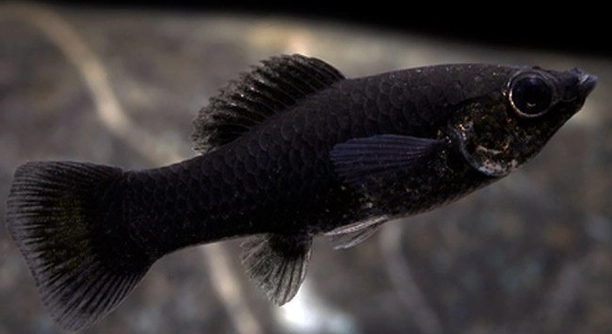
Do you ever find yourself staring at your black molly tank, thinking it could look a little more lively or organized? Small changes can make a big difference in the health and appearance of your aquatic setup.
Upgrading a black molly tank can be achieved through several simple methods. Adding natural plants, adjusting lighting, installing a gentle filter, and providing suitable substrate enhances both the aesthetic and wellbeing of the fish, promoting a healthier aquatic environment.
These easy upgrades can transform the tank’s appearance and create a more comfortable home for your mollies, encouraging their natural behavior and long-term health.
Add Natural Plants
Adding natural plants to a black molly tank instantly improves its appearance and helps maintain water quality. Plants like Java fern, Anubias, or Hornwort provide hiding spots for mollies, reducing stress and encouraging natural behavior. They also compete with algae for nutrients, keeping the tank cleaner. Live plants improve oxygen levels and can stabilize pH, making the tank more balanced. For beginners, hardy plants are easier to maintain. Floating plants can offer shade, while rooted plants give mollies a place to explore. You can arrange plants to create open swimming areas and dense hiding spots. Regular trimming keeps plants healthy and prevents overcrowding. Adding plants doesn’t require complicated tools; a small substrate and slow-growing species work well. Even partial planting can make a big difference in tank aesthetics and fish comfort, giving the black molly tank a more natural, lively feel. Watching mollies interact with plants can be relaxing and satisfying.
Plants also help reduce nitrates and improve oxygen for healthier fish.
Maintaining plants requires moderate care. Keep lighting consistent and avoid over-fertilizing. Trim dead leaves and check roots periodically. Choosing the right plant for your tank size is crucial, as overcrowding can limit swimming space. Pairing plants with decorations creates variety, and plants can serve as breeding spaces for molly fry. Over time, healthy plants grow into a natural ecosystem, reducing algae and supporting fish activity. Adjust lighting and monitor water quality to ensure optimal plant and fish health. Live plants not only make the tank visually appealing but also provide a richer, more interactive environment. Mollies will enjoy exploring the greenery and using it for shelter, improving their overall wellbeing.
Upgrade Lighting
Proper lighting enhances the tank and supports plant growth. Bright, soft lighting encourages natural behavior.
Investing in a reliable lighting system improves both fish and plant health. LED lights are energy-efficient and adjustable, offering the right spectrum for plants and a natural look for the tank. Avoid strong lights that can stress mollies or cause excessive algae. Timers help maintain a consistent day-night cycle, preventing sudden changes. The color temperature influences how plants and fish appear; cooler lights show colors vividly, while warmer lights feel natural. Light intensity should match tank depth and plant type. Combining lighting with floating or shaded plants creates balance and comfort. Periodically clean light covers to ensure brightness is not diminished. Adjust duration seasonally if necessary, aiming for 8–10 hours per day. Observing fish activity under proper lighting allows better monitoring of their health and behavior. Upgrading lighting is simple but has a significant impact on tank aesthetics and the environment.
Proper lighting promotes healthy plant growth and encourages molly activity, making the tank more engaging for both fish and owner.
Install a Gentle Filter
A gentle filter keeps water clean without creating strong currents that stress black mollies. It helps remove debris, maintains oxygen levels, and supports beneficial bacteria, promoting a stable environment for fish health and growth.
Choosing the right filter is essential for a black molly tank. Sponge filters or low-flow internal filters are ideal because they provide filtration without disturbing the water too much. A filter helps prevent sudden spikes in ammonia and nitrites, which can harm mollies. Regular maintenance, such as rinsing filter media in tank water, ensures proper function without killing beneficial bacteria. Filters also circulate water, improving oxygen exchange at the surface. Installing a filter correctly, with gentle output, allows mollies to swim comfortably and interact naturally with their surroundings. Over time, a consistent filtration system reduces cleaning frequency and keeps the tank environment stable.
Filters also help maintain consistent water parameters. Regularly check flow and clean media to avoid blockages. Proper placement prevents dead zones, ensuring all areas of the tank benefit from filtration.
Provide Suitable Substrate
Using the right substrate protects mollies and enhances tank aesthetics. Sand or fine gravel prevents injury and allows for easy plant rooting.
Substrate choice affects water quality and fish behavior. Smooth sand prevents molly injuries and supports bottom-dwelling exploration. Fine gravel can work if rinsed thoroughly before adding to avoid cloudiness. Substrate also traps detritus, requiring regular vacuuming during water changes. Layering substrate with nutrient-rich soil benefits plants, encouraging growth and providing natural hiding spots. Choosing a light-colored substrate can make black mollies stand out more visually, while darker substrates reduce stress by mimicking their natural habitat. Mixing substrate types can create visual depth and zones for swimming and resting. Proper substrate maintenance ensures a clean, safe environment that supports both plants and fish, reducing disease risk.
Substrate affects tank chemistry subtly. Monitor for compaction or debris buildup, and periodically stir to maintain oxygen flow to beneficial bacteria and roots.
Add Hiding Spots
Hiding spots reduce stress for black mollies and give them places to explore. Decorations like caves, driftwood, or dense plants help fish feel secure and encourage natural behavior.
Providing multiple hiding areas prevents aggression and creates a comfortable environment. Mollies often use these spots to rest, spawn, or escape bright light.
Adjust Water Parameters
Keeping water stable is essential for black mollies. Monitor temperature, pH, and hardness regularly to maintain a healthy habitat. Mollies prefer slightly alkaline, moderately hard water around 24–28°C, which supports metabolism and overall wellbeing.
Introduce Floating Plants
Floating plants give shade, reduce algae growth, and create a more natural environment. They also offer mollies a place to swim under cover, improving comfort.
How often should I clean my black molly tank?
Cleaning frequency depends on tank size, stock levels, and filtration. For most small to medium tanks, a partial water change of 20–30% once a week is sufficient. Remove debris from the substrate with a siphon and gently rinse decorations if necessary. Avoid over-cleaning, as beneficial bacteria live on surfaces and in the filter, helping break down waste. Deep cleaning should only be done if there is excessive algae buildup or water quality issues. Maintaining a regular schedule prevents sudden spikes in ammonia or nitrites, keeping mollies healthy and active.
What should I feed black mollies?
Black mollies are omnivores and thrive on a mix of flake, pellet, and live or frozen foods. High-quality flake or pellet food provides essential nutrients. Supplementing with brine shrimp, daphnia, or bloodworms adds protein and variety. Occasional blanched vegetables like zucchini or spinach are also beneficial. Feed small portions 1–2 times daily to avoid overfeeding, which can pollute the water and harm fish health. Observe fish behavior during feeding to ensure all mollies get food. A balanced diet supports growth, coloration, and overall wellbeing.
Can black mollies live with other fish?
Yes, black mollies are generally peaceful and can cohabit with other non-aggressive species of similar size. Avoid fin-nipping or overly aggressive fish. Suitable tankmates include guppies, platies, swordtails, and peaceful tetras. Keep in mind that crowded conditions can increase stress and aggression, so maintain appropriate stocking levels. Providing hiding spots and plants helps reduce potential conflicts. Always monitor new additions for compatibility, and quarantine new fish to prevent disease introduction.
How do I encourage breeding in black mollies?
Breeding is easier with stable water parameters and plenty of hiding spots for fry. Black mollies are livebearers, giving birth to free-swimming fry rather than laying eggs. Separate pregnant females in a breeding tank or provide dense plants in the main tank for fry survival. Feed the female high-quality food to support health and offspring development. Water temperature between 25–27°C encourages breeding, and maintaining slightly higher pH can improve success rates. Fry should be fed finely crushed flakes or specialized fry food to grow quickly and avoid predation.
Why is my black molly turning black or dull in color?
Color changes often indicate stress, illness, or water quality issues. Poor lighting, improper diet, or incompatible tankmates can also cause fading. Ensure the tank has proper filtration, lighting, and a balanced diet rich in carotenoids to maintain vibrant color. Check water parameters, and correct any fluctuations in temperature, pH, or hardness. Disease, such as parasites or fungal infections, may also lead to dull coloration. Quarantine sick fish and treat appropriately to prevent spreading. Healthy, unstressed mollies usually display deep, consistent black tones.
How do I prevent algae in a black molly tank?
Algae growth is normal but can be controlled. Avoid overfeeding, maintain proper lighting, and perform regular water changes. Floating plants or algae-eating species like snails or shrimp can help manage growth. Ensure the tank is not exposed to direct sunlight, which accelerates algae. Cleaning surfaces with a soft brush and siphoning substrate regularly keeps algae under control. Balancing nutrient levels by not over-fertilizing plants and monitoring fish waste helps reduce excessive algae blooms. Proper tank maintenance is the most effective way to prevent persistent algae problems.
What temperature range is best for black mollies?
Black mollies thrive in temperatures between 24–28°C. Consistent warmth supports metabolism, immune function, and breeding activity. Sudden temperature changes can stress fish, leading to illness or color fading. Use a reliable heater and thermometer to monitor the tank. Avoid placing the tank near drafts or air conditioners, which can create temperature fluctuations. Consistency is key to keeping mollies active, healthy, and displaying vibrant coloration. Adjust temperature gradually if needed and combine with proper filtration and water changes for optimal results.
How can I tell if my black molly is healthy?
Healthy black mollies are active, eat well, and display vibrant coloration. Fins should be intact without tears, and scales should lie flat without spots or growths. Observe breathing rate; rapid gill movement may indicate poor water quality or illness. Swimming behavior is another indicator—mollies should move smoothly without lethargy or erratic darting. Regular water testing and maintenance help prevent problems, while consistent feeding supports growth and immune function. Early detection of health issues ensures effective treatment and long-term wellbeing.
Can I keep black mollies in brackish water?
Yes, black mollies tolerate slightly brackish water, which can improve coloration and reduce disease risk. Adding a small amount of aquarium salt gradually acclimates fish to the change. Avoid sudden increases, as abrupt changes can stress mollies. Monitor water parameters carefully, including salinity and pH, to maintain a stable environment. Brackish conditions may also support live plants adapted to moderate salinity. While mollies survive in freshwater, providing light brackish water can enhance their natural behaviors and overall appearance, especially in mature adults.
How long do black mollies typically live?
With proper care, black mollies usually live 3–5 years, though some can reach 6 years. Life span depends on water quality, diet, and stress levels. Maintaining stable parameters, a balanced diet, and minimal aggression from tankmates supports longevity. Regular monitoring for disease and consistent maintenance contribute to a longer, healthier life for black mollies.
Maintaining a black molly tank can be a simple and rewarding experience when small upgrades are applied thoughtfully. Adding natural plants, adjusting lighting, and installing a gentle filter can transform the tank from a basic setup into a more comfortable and visually appealing environment. Even small changes, like providing hiding spots or introducing floating plants, make a noticeable difference in the health and behavior of your mollies. By focusing on both aesthetics and function, you can create a space that supports natural behaviors while keeping maintenance manageable. Mollies thrive in stable water conditions, so consistent monitoring of temperature, pH, and hardness is key. These measures prevent stress and allow the fish to stay active and colorful, while also supporting the plants and other life in the tank. Over time, maintaining these upgrades becomes routine, and the tank begins to feel like a small, balanced ecosystem that requires minimal intervention once properly set up.
Upgrading a black molly tank does not require expensive equipment or complicated procedures. Choosing the right substrate, whether sand or fine gravel, helps protect delicate fins and provides a place for plants to root. A proper filter ensures water quality remains stable and reduces the risk of harmful ammonia spikes, while the addition of gentle lighting supports plant growth and shows off the fish’s natural colors. Even minor improvements, such as adding caves, driftwood, or floating plants, provide enrichment for the fish and reduce stress by giving them places to explore and hide. Regular water changes and monitoring are still necessary, but the upgrades make these tasks easier and more effective. Each element of the tank works together to create a healthy environment, and seeing the fish thrive reinforces the value of these small efforts. With attention to detail and consistency, the tank remains visually appealing, balanced, and safe for your mollies.
The care of black mollies is not just about keeping them alive but creating a space where they can grow, interact, and display their full potential. Thoughtful upgrades improve both their comfort and your enjoyment of the tank. Watching mollies swim through plants, use hiding spots, and explore floating vegetation is satisfying and encourages better observation of their behavior and health. Even if you start with a simple tank, small changes over time can have a significant impact on the overall environment. Maintaining these upgrades does not require constant attention, only periodic checks and adjustments, which makes the tank manageable while remaining engaging. By prioritizing stable water conditions, suitable decoration, and proper feeding, your black molly tank becomes a thriving, balanced space. These adjustments are practical, effective, and create a positive experience for both the fish and the caretaker, ensuring the tank remains healthy, vibrant, and enjoyable for years to come.

Hello,
If you enjoy the content that we create, please consider saying a "Thank You!" by leaving a tip.
Every little bit helps us continue crafting quality advice that supports the health, happiness, and well-being of pets around the world, for pets of all shapes, sizes, and species.
We really appreciate the kindness and support that you show us!