
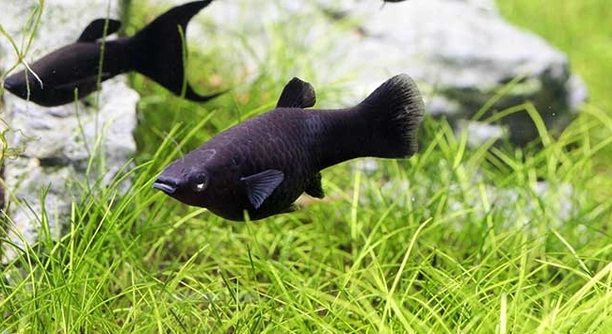
Do you ever notice your black molly swimming slowly and staying close to the plants in your aquarium? It can be an interesting sight, especially when they seem content hovering in the shaded areas near leaves.
Black mollies often hover under plants due to a combination of environmental and biological factors. These include stress reduction, seeking shelter, improved water quality near vegetation, and natural behavior patterns linked to feeding and reproduction.
Understanding these behaviors can help maintain a healthier, more comfortable environment for your fish. Observing their habits closely reveals important clues about their wellbeing.
Reasons Black Molly Hovers Under Plants
Black mollies tend to hover under plants for several key reasons that affect their comfort and health. Plants provide a sense of security by giving them shelter from bright lights and more dominant tankmates. The shaded area reduces stress and allows them to rest without feeling exposed. Water near plants is often richer in oxygen, as live plants produce it during photosynthesis, creating a healthier microenvironment. Mollies also seek areas where they can feed safely, as plant surfaces may host small microorganisms and algae they consume. Additionally, during breeding, females may hide among plants to avoid excessive attention from males or reduce stress. Observing these behaviors can help identify whether your tank conditions are suitable, ensuring your mollies feel secure and behave naturally. Providing a balanced habitat with plants can significantly improve their overall wellbeing and encourage natural activity patterns without unnecessary intervention or stress.
Black mollies use plants as shelter to feel safe, reduce stress, and access oxygen-rich water in calmer areas of the tank.
Hovering under plants also helps mollies conserve energy. By staying in shaded, protected zones, they avoid excessive swimming in open water, which can be tiring. Plants create boundaries that allow them to navigate confidently and maintain steady activity. The proximity to food sources like algae contributes to their preference for these areas, as mollies often graze near plant surfaces. Female mollies benefit particularly, as hiding among vegetation reduces harassment from males and supports reproductive health. By arranging your aquarium with adequate plant coverage, you provide a natural refuge, helping your fish thrive. Observing their interaction with plants offers insight into their comfort level, allowing adjustments to lighting, water flow, and tank layout. These small changes can significantly impact mollies’ behavior, encouraging more natural movement, feeding, and social interactions while ensuring they stay calm and healthy.
Environmental Factors Influencing Behavior
Plants create microhabitats that support oxygen levels, water quality, and temperature stability, which directly influence black molly behavior.
Water conditions and tank layout affect mollies’ tendency to hover under plants. Clean, well-oxygenated water promotes healthy activity, while stagnant or low-oxygen areas increase the likelihood of hiding. Plants stabilize temperatures, offer shade, and reduce strong currents, creating zones that feel safe. Light intensity also matters, as mollies may avoid bright sections of the tank. Consistent water parameters such as pH and hardness contribute to their comfort. Strategic placement of plants helps distribute oxygen evenly and encourages natural movement patterns. Overcrowding can drive fish to seek shelter more frequently, while a balanced population allows freer swimming. Introducing live plants improves water quality by absorbing nitrates and providing surfaces for beneficial bacteria, supporting overall tank health. By understanding these environmental factors, you can create a habitat that reduces stress, enhances feeding opportunities, and supports the mollies’ natural behaviors, keeping them healthy and active.
Stress and Social Dynamics
Black mollies often hover under plants to reduce stress caused by tankmates or sudden movements. Hiding in vegetation gives them a safe spot, lowering anxiety levels. They naturally seek shelter to avoid aggression or competition from more dominant fish in the aquarium.
Stress can have a noticeable impact on black mollies’ behavior. When they feel threatened or overstimulated, they may remain near plants for extended periods, conserving energy and avoiding conflict. Overcrowded tanks or aggressive species increase this behavior, as mollies instinctively seek refuge. Plants act as natural barriers, breaking lines of sight and giving fish confidence to move around safely. Providing adequate hiding spaces can prevent constant stress and improve overall wellbeing. Observing interactions helps identify whether certain fish are causing tension, allowing adjustments to tank population or layout.
Social hierarchies influence black mollies’ use of plants. Dominant individuals claim open swimming areas, while less assertive fish spend more time near vegetation. This behavior balances interactions and minimizes injuries. Plant coverage allows all fish to establish their preferred zones, promoting a calmer tank environment.
Feeding and Foraging Patterns
Black mollies hover under plants to access small food sources such as algae, biofilm, and microfauna. Plants act as natural feeding zones, supporting grazing behavior and nutrient intake.
Plants encourage mollies to explore and graze in protected areas. Algae growth on leaves and stems provides a constant food supply, while biofilm attracts microorganisms that supplement their diet. Fish hovering under plants can feed safely without exposure to open water threats. In tanks with limited food distribution, mollies naturally target plant surfaces to find nourishment. Over time, they develop patterns of movement around vegetation, balancing feeding and resting periods. Offering a variety of plants supports natural foraging, helping mollies maintain a healthy diet and engage in instinctive behaviors that keep them active and satisfied.
Consistent access to plant surfaces reduces competition for food and encourages steady grazing habits. Mollies become more confident in exploring their environment when vegetation is abundant. This also allows them to maintain energy levels efficiently.
Light and Temperature Preferences
Black mollies often hover under plants to avoid bright light or strong direct lighting in the aquarium. Shaded areas provide a comfortable space where they can rest without stress.
Temperature variations also influence their position. Plants create microzones with slightly cooler or more stable temperatures, which mollies prefer during warmer periods.
Reproduction and Spawning Behavior
During breeding, female black mollies use plants as hiding spots to reduce harassment from males. The vegetation offers protection for both the female and her developing fry. Males may hover nearby, but plants allow the female to move freely without constant stress. Spawning often occurs among dense plant clusters, where eggs and fry are less exposed to open water predators. Providing sufficient plant coverage encourages natural reproductive behavior and increases fry survival. These safe zones support breeding without requiring additional interventions. Observing how females interact with plants gives insight into their readiness to spawn and helps maintain a balanced, low-stress aquarium environment.
Water Flow Considerations
Black mollies prefer calmer areas, and plants help reduce strong currents. Vegetation provides natural barriers against fast water movement.
Why does my black molly stay under plants all the time?
Black mollies often hover under plants when they feel stressed or insecure. Continuous hiding usually indicates that they are avoiding aggression from tankmates, bright light, or strong currents. Dense plant areas provide a safe environment where they can rest, feed, and observe without feeling exposed.
Is it normal for black mollies to hide under plants?
Yes, it is normal behavior. Black mollies naturally seek shaded, protected areas. Even in healthy tanks, they will spend time hovering near plants to feel secure, graze on biofilm, or conserve energy. Occasional hiding is a natural instinct rather than a problem.
Can poor water quality cause black mollies to stay under plants?
Yes, poor water quality can increase this behavior. Ammonia, nitrite, or high nitrate levels create stress, making fish prefer shaded, protected areas. Ensuring proper filtration, regular water changes, and monitoring water parameters can reduce plant-hiding tendencies. Plants also improve water quality, indirectly encouraging natural behavior.
Do black mollies hover under plants to feed?
Yes, black mollies often use plants as feeding zones. Algae, biofilm, and microorganisms grow on leaves and stems, offering a natural grazing source. Hovering near plants allows them to feed safely without competing in open water or feeling threatened by other fish.
Could aggression from other fish be causing my molly to hide?
Absolutely. Dominant or aggressive tankmates can push mollies toward plants for protection. Females are particularly vulnerable to harassment from males. Plants act as natural barriers, giving them space to retreat while maintaining access to food and oxygen. Proper tank population and hiding spaces help reduce this stress.
Do black mollies prefer certain types of plants?
Yes, they favor dense, bushy plants that provide shade and cover. Java fern, hornwort, and water wisteria are examples of plants that create natural hiding spots. Sparse or short plants are less effective in offering the protection mollies need to feel secure.
Does light intensity affect their hovering behavior?
Yes, bright or direct lighting can cause black mollies to seek shade. Shaded areas under plants provide a comfortable environment where they avoid stress from strong illumination, which helps regulate activity levels and reduces energy expenditure.
How does temperature influence their position in the tank?
Temperature variations affect where black mollies hover. Shaded plant areas often maintain slightly cooler or more stable temperatures. During warmer periods, mollies prefer these zones to regulate body temperature and avoid excessive stress caused by heated, open water.
Can breeding behavior explain why my black molly stays under plants?
Yes, females often use plants for protection during breeding. Dense vegetation offers shelter from males and provides safe zones for fry after birth. Providing sufficient plant coverage encourages natural reproductive behavior and increases fry survival in the aquarium environment.
Is it necessary to rearrange the tank if my mollies hide too much?
Not always. Some hiding is normal. However, if they remain under plants constantly, consider adjusting tank layout, adding more open swimming areas, and balancing tankmates. Observing their interaction with plants helps determine whether environmental changes are needed.
How can I encourage my black molly to swim more openly?
Introduce moderate lighting, create open swimming zones, and reduce aggressive tankmates. Ensuring water quality is stable and providing gradual acclimation to tank conditions encourages confidence in moving out of plant-covered areas while still offering safe hiding spots.
Do black mollies need live plants, or will fake plants suffice?
Both live and artificial plants provide hiding spaces. Live plants offer added benefits like oxygen production and water filtration, while fake plants still give shelter and reduce stress. The key is creating dense areas where mollies can feel safe and maintain natural behavior.
Can overfeeding affect plant-hovering behavior?
Yes, overfeeding can change their movement patterns. Uneaten food may settle in open water, attracting other fish and increasing competition. Mollies may then prefer plants as safe feeding zones. Feeding measured portions reduces stress and encourages normal grazing under plants.
How do I know if hovering under plants is a problem?
If mollies stay hidden constantly, show lethargy, lose appetite, or display unusual colors, it may indicate stress or illness. Occasional hovering is natural, but persistent hiding combined with other symptoms should prompt water testing and behavioral assessment.
Does tank size affect black molly hiding behavior?
Yes, smaller or overcrowded tanks increase hiding tendencies. Limited space can create territorial disputes and stress, pushing mollies toward plants for refuge. Proper tank size, along with adequate plant coverage, promotes balanced activity and reduces constant sheltering behavior.
Can I use plants to improve my molly’s health?
Yes, plants enhance water quality, provide oxygen, and create safe areas that reduce stress. Healthy plants support feeding, resting, and breeding behaviors, ultimately improving the overall wellbeing of black mollies in the aquarium.
Are there signs my molly is comfortable under plants?
Comfortable mollies hover calmly, graze, and occasionally explore open water. They move confidently between plants and open areas without displaying rapid darting, clamped fins, or heavy breathing. Observing these behaviors indicates a healthy, stress-free environment.
Do black mollies change behavior as they age?
Yes, younger mollies may hide more frequently, while adults become bolder once familiar with their environment. Age, experience, and social dynamics influence how often they use plants for shelter, feeding, or resting.
Can adding more plants solve constant hiding?
Adding plants can reduce stress by providing multiple hiding zones. It allows less dominant fish to retreat without restricting movement for others, helping mollies balance exploration, feeding, and resting in a more natural and comfortable aquarium setup.
Black mollies hovering under plants is a natural behavior influenced by a variety of factors, including stress, social dynamics, feeding habits, and environmental conditions. Observing your fish carefully helps you understand their patterns and preferences. Plants provide more than just decoration; they create shaded areas that reduce stress, give shelter from more dominant fish, and improve overall comfort. The presence of vegetation allows black mollies to rest without feeling exposed, offering them a sense of security that is essential for their wellbeing. Even in a well-maintained aquarium, mollies will often spend time near plants simply because it aligns with their natural instincts. By noticing how they interact with the plants, you can identify if they are thriving, feeling stressed, or in need of a few adjustments in their environment. This small observation can make a significant difference in maintaining a healthy tank where mollies can display their natural behaviors freely.
Environmental factors play a major role in why black mollies prefer plant-covered areas. Water quality, temperature, and oxygen levels all influence their comfort. Plants contribute positively by producing oxygen, stabilizing temperature fluctuations, and providing surfaces for algae and biofilm that mollies can feed on. They also help in reducing strong water currents, allowing the fish to hover calmly without expending excessive energy. Light intensity affects their position in the tank, as mollies often avoid overly bright areas. Social interactions within the tank further encourage hiding behavior, especially among females who may seek refuge from persistent males or more aggressive tankmates. Understanding these connections between plant coverage and environmental factors helps ensure your aquarium is not only visually appealing but also functionally supportive of the fish’s needs. It also allows for small adjustments that can improve the overall quality of life for your mollies, making them healthier, calmer, and more active in their daily routine.
Feeding patterns and reproductive behavior also explain why black mollies spend so much time near plants. Plant surfaces are rich in natural grazing opportunities, allowing fish to feed safely without competing for food in open water. Females use plants for shelter during breeding, protecting themselves and their developing fry from potential harassment. Providing a well-planted aquarium supports these instincts and contributes to successful reproduction and fry survival. Plants also give mollies a way to regulate their energy levels, offering spots where they can rest while still being near food sources. By maintaining a balance of open swimming areas and densely planted zones, you create an environment that meets both physical and behavioral needs. Paying attention to these aspects ensures that black mollies remain healthy, display natural behaviors, and enjoy a comfortable and stress-free environment in the aquarium. Proper observation and adjustments can help maintain this balance, keeping your fish safe, active, and thriving over time.

Hello,
If you enjoy the content that we create, please consider saying a "Thank You!" by leaving a tip.
Every little bit helps us continue crafting quality advice that supports the health, happiness, and well-being of pets around the world, for pets of all shapes, sizes, and species.
We really appreciate the kindness and support that you show us!