
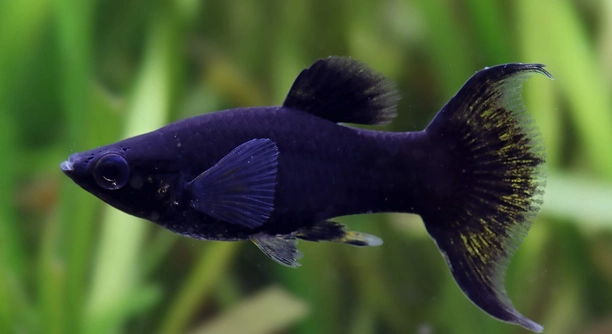
Maintaining a calm and harmonious environment for your Black Molly community can feel challenging at times. Their social nature makes them sensitive to overcrowding, stress, and changes in their tank conditions. Peaceful interactions require careful planning and observation.
Ensuring a peaceful Black Molly community involves regulating tank size, water quality, and population density. Providing hiding spots, monitoring compatibility, and maintaining consistent feeding schedules reduces aggression and stress, promoting balanced social behavior and long-term health in these livebearers.
With the right setup and mindful care, your Black Mollies can thrive together, creating a balanced and visually appealing aquatic community.
Choosing the Right Tank Size
A spacious tank is essential for Black Mollies to thrive. Small tanks can lead to overcrowding, increasing stress and aggression among fish. For a peaceful community, aim for at least a 20-gallon tank when keeping a small group. Larger groups will need more space to prevent territorial disputes. Proper filtration is also key, as Black Mollies produce a fair amount of waste. Good water flow and oxygenation help reduce stress and keep the environment healthy. Incorporating plants and hiding spots allows fish to retreat when they feel threatened. Avoid placing aggressive tank mates that may intimidate Mollies. Maintaining consistent water parameters, including temperature, pH, and hardness, creates a stable habitat. Regular water changes remove toxins and keep fish healthy. Monitoring behavior helps identify potential issues before they escalate. Observing interactions allows you to make adjustments to improve peace and harmony. Proper planning ensures the tank remains a safe, calm, and enjoyable space for your Mollies.
A large, well-planned tank reduces stress and provides room for natural behavior. Hiding spots and plants enhance comfort and security.
Consistent care, including water changes, temperature control, and compatible tank mates, supports long-term stability. A thoughtfully arranged environment encourages social harmony, lowers aggression, and allows Black Mollies to display natural behaviors. Maintaining balance in the tank promotes a peaceful and healthy community that thrives over time.
Monitoring Behavior and Interactions
Watch for signs of aggression, such as chasing or fin nipping. Early intervention prevents long-term stress.
Regular observation helps identify dominant or bullied fish. Separating aggressive individuals or adjusting tank layout can restore balance. Providing multiple hiding places and even distribution of food prevents competition and reduces conflict. Fish may also establish territories, so rearranging decorations occasionally can prevent staleness. Feeding smaller amounts more frequently encourages peaceful sharing of resources. Observing swimming patterns and social interactions allows you to spot changes in behavior early. This attention ensures that all fish coexist without prolonged stress or injury. By staying proactive, you maintain a stable and calm environment where Black Mollies can interact naturally, creating a balanced and enjoyable aquarium for both the fish and the caretaker.
Providing Adequate Hiding Spots
Black Mollies need places to retreat when stressed. Plants, rocks, and decorations give them security and reduce aggressive encounters.
Dense planting with broad leaves and small caves allows timid fish to escape attention from dominant tank mates. Floating plants offer shade and comfort. Arranging decorations to create multiple zones prevents territorial disputes. Varying hiding spaces ensures that shy individuals are not cornered, reducing stress and promoting natural behavior. Observing how fish use these areas helps refine placement over time. Secure hiding spots also encourage breeding by giving females areas to feel safe. Regularly inspecting and cleaning these spaces maintains a healthy environment without disturbing fish.
Hiding spots play a key role in maintaining balance. Fish feel secure, which lowers stress levels and aggression in the tank.
Maintaining Consistent Water Conditions
Stable water parameters are critical for peaceful communities. Sudden changes in temperature, pH, or hardness can stress Mollies, triggering conflicts.
Monitoring water temperature between 75-82°F and maintaining pH around 7-8 ensures comfort. Hardness should be moderate to high for proper growth. Frequent water changes remove waste and reduce toxin buildup. Avoid drastic fluctuations during cleaning or feeding. Using reliable test kits helps track key parameters accurately. Gentle filtration maintains flow without creating strong currents that can tire or stress fish. Proper aeration keeps oxygen levels stable, supporting overall health. Keeping water conditions steady prevents illness and promotes social harmony, allowing Mollies to focus on normal swimming, feeding, and interaction behaviors.
Consistent water conditions support overall health and calm behavior. Fish in a stable environment display natural social interactions and reduced aggression.
Managing Tank Population
Overcrowding increases stress and aggression among Black Mollies. Keep numbers proportional to tank size.
A balanced population prevents territorial disputes and ensures sufficient resources for all fish. Overpopulated tanks create competition for food and hiding spots, which can lead to injury or illness.
Selecting Compatible Tank Mates
Choose peaceful species that thrive in similar water conditions. Avoid aggressive or fin-nipping fish that may harm Mollies.
Providing compatible companions reduces stress and allows Mollies to interact naturally. Fish with similar activity levels and temperaments create a harmonious community. Observing initial interactions helps confirm compatibility before making permanent additions.
Feeding Strategically
Feed small amounts multiple times a day rather than large portions at once. This reduces competition and aggression during meals.
Regular Health Checks
Monitor fish for signs of illness or injury. Early detection allows prompt treatment, keeping the community safe and balanced.
FAQ
How many Black Mollies can I keep in one tank?
The number of Black Mollies depends on tank size. A 20-gallon tank can comfortably house three to five Mollies. Larger tanks allow for more fish while preventing overcrowding. Overcrowding increases stress, aggression, and health issues. Always consider both space and filtration capacity.
What tank conditions are best for a peaceful Black Molly community?
Stable water conditions are essential. Temperature should be between 75-82°F, pH around 7-8, and moderate to high hardness. Regular water changes and gentle filtration help maintain a calm environment. Plants and hiding spots also contribute to reducing stress and aggression among fish.
Do Black Mollies need hiding spots?
Yes, hiding spots are crucial. Plants, rocks, and decorations give timid fish areas to retreat. Multiple hiding spots prevent territorial disputes and allow females and smaller fish to feel secure, promoting natural behavior and social harmony within the tank.
How often should I feed Black Mollies?
Feeding multiple small portions each day is best. Large meals encourage competition and aggression. Balanced feeding ensures all fish receive adequate nutrition and reduces stress associated with food competition, keeping the community peaceful.
Can Black Mollies live with other fish species?
Yes, but compatibility is key. Peaceful species with similar water requirements work best. Avoid aggressive or fin-nipping fish that may harass Mollies. Observing initial interactions helps confirm compatibility before permanently adding new tank mates.
How do I reduce aggression among Black Mollies?
Aggression can be minimized by maintaining proper tank size, water quality, and hiding spots. Evenly distributing decorations and food prevents conflicts. Monitoring behavior and separating overly dominant fish if needed ensures all members coexist without prolonged stress or injury.
How often should I check the health of my Black Mollies?
Regular observation is important. Look for signs of illness, fin damage, or abnormal behavior. Prompt treatment of issues prevents outbreaks and maintains a calm, balanced community. Healthy fish are more likely to interact peacefully and thrive long-term.
What causes stress in a Black Molly community?
Stress often comes from overcrowding, incompatible tank mates, sudden changes in water parameters, or insufficient hiding places. Stressed fish may become aggressive or lose appetite. Keeping conditions stable and providing security helps maintain a peaceful tank environment.
Are live plants necessary for Black Mollies?
Live plants are highly beneficial. They provide hiding spots, reduce stress, and contribute to water quality by absorbing nitrates. Floating plants give shade and comfort, while dense planting creates multiple zones, lowering territorial disputes.
Can I keep only male or only female Black Mollies together?
Keeping all males may increase competition and aggression, while all females are usually calmer. A balanced male-to-female ratio reduces stress, encourages natural social behavior, and prevents dominance conflicts. Adjusting population composition based on behavior helps maintain harmony.
How do I introduce new Black Mollies to an established tank?
Introduce newcomers slowly, preferably using a quarantine tank first to monitor health. Rearrange existing decorations to prevent territory disputes. Gradual acclimation helps reduce stress and allows existing fish to accept the new additions without aggression.
What are signs of a peaceful Black Molly community?
Calm swimming, minimal chasing, and shared use of hiding spots indicate peace. Fish feed without aggression and display natural behavior. A balanced, visually appealing community shows that tank conditions and social dynamics are optimal.
How can I encourage breeding without causing conflict?
Provide dense planting and hiding spaces to allow females to feel safe. A slightly higher female-to-male ratio reduces male harassment. Monitor interactions, and separate overly aggressive males if necessary. Careful management encourages reproduction while keeping the community calm.
What maintenance routines support a peaceful Black Molly tank?
Regular water changes, consistent temperature and pH monitoring, and inspection of hiding spots are key. Cleaning the tank without disturbing fish too much, feeding small amounts frequently, and observing behavior all contribute to long-term harmony and stability.
Can I prevent fin nipping in a community tank?
Yes. Avoid aggressive tank mates, provide enough space, and include hiding areas. Feeding evenly and frequently reduces competition. Observing and separating aggressive individuals helps maintain calm social interactions. Consistent care and environment stability further prevent fin nipping incidents.
How long do Black Mollies typically live in a well-maintained tank?
With proper care, Black Mollies can live three to five years. Maintaining stable water conditions, balanced population, adequate feeding, and stress-free surroundings supports their health and longevity. Consistent observation and proactive care help them thrive peacefully throughout their lifespan.
Can tank decorations affect community harmony?
Absolutely. Properly placed decorations create multiple zones and hiding spots, preventing territorial disputes. Rearranging occasionally keeps the environment stimulating. Decorations also give timid fish refuge and reduce stress, contributing to a balanced, peaceful community where all fish feel secure.
Is it necessary to monitor water flow in the tank?
Yes, strong currents can stress Mollies. Gentle filtration maintains water movement without tiring fish. Stable oxygenation supports health and calm behavior. Observing how fish respond to flow allows adjustments to create a comfortable, peaceful environment suitable for all tank members.
What are common mistakes that disrupt peace in a Black Molly tank?
Overcrowding, sudden water changes, incompatible tank mates, and insufficient hiding spots are frequent issues. Overfeeding or underfeeding can also trigger competition. Proactive observation and thoughtful tank management prevent these problems, ensuring long-term social harmony and healthy behavior among Mollies.
How do I know if water parameters are affecting fish behavior?
Sudden lethargy, hiding, or aggression may indicate stress from temperature, pH, or hardness fluctuations. Regular testing and maintaining stable conditions allows you to identify and correct issues quickly, preserving peace in the tank.
Can I mix Black Mollies with other livebearers?
Yes, species like Platies or Guppies with similar care requirements usually coexist well. Ensure enough space, hiding spots, and compatible behavior to prevent stress or competition. Observing interactions initially helps confirm long-term compatibility.
What role does diet play in community harmony?
Balanced nutrition reduces aggression. Providing high-quality flakes, pellets, and occasional live or frozen food keeps fish healthy. Even feeding prevents competition and stress, allowing Mollies to focus on natural interactions instead of fighting for resources.
Are there seasonal considerations for maintaining a peaceful tank?
Temperature and daylight changes can influence behavior. Maintaining consistent heating, lighting, and feeding schedules helps prevent stress-related aggression. Observing fish during seasonal transitions allows early intervention if behavior changes.
How important is quarantine for new fish?
Quarantine prevents disease introduction, which can disrupt community harmony. Observing health before adding fish protects established Mollies. A two-week quarantine period is generally sufficient to detect illness and reduce stress on the main tank.
Can rearranging the tank help reduce aggression?
Yes. Changing decoration placement disrupts established territories and prevents dominance conflicts. It encourages fish to explore and interact naturally. Providing new zones for hiding and swimming helps maintain peace and balances social hierarchies.
How do I handle an aggressive individual?
Isolate the aggressive fish temporarily or permanently, depending on behavior. Adjust tank layout and hiding spots to reduce stress. Monitoring interactions after intervention ensures the remaining community remains calm and balanced.
What signs indicate that my Black Mollies are thriving?
Active swimming, healthy appetite, minimal chasing, and regular social interactions indicate a thriving, peaceful community. Fish appear bright, and females may breed successfully. Calm, consistent behavior reflects proper care and balanced tank conditions.
How often should I rearrange decorations?
Occasional rearrangement, every few months, is enough. This prevents territorial disputes, encourages exploration, and keeps shy fish from being cornered. Rearranging should be done gently to avoid disturbing the tank too much.
Does lighting affect behavior?
Consistent, moderate lighting supports natural rhythms. Sudden changes can stress fish. Light encourages normal activity and helps plants grow, which in turn supports hiding spots and calm interactions among Black Mollies.
Are there signs of overcrowding I should watch for?
Chasing, fin nipping, hiding, and poor growth are common signs. Frequent aggression or overuse of hiding spots also indicates too many fish. Reducing numbers or increasing tank size restores peace and prevents stress-related health issues.
Can stress affect breeding in Black Mollies?
Yes. Stressed females may hide excessively or reject males. Males under stress may display more aggression, leading to injuries. Providing hiding spots, maintaining water quality, and reducing competition encourages natural breeding behavior while keeping the community peaceful.
How do I prevent bullying in the tank?
Ensure multiple hiding spots, proper tank size, and balanced male-to-female ratios. Feeding evenly and monitoring dominant fish helps reduce harassment. Consistent observation and prompt intervention when aggression arises maintain harmony among Black Mollies.
What is the best way to clean the tank without stressing fish?
Use gentle siphoning and partial water changes. Avoid sudden temperature shifts or excessive disturbance. Cleaning decorations carefully and maintaining stable conditions helps keep fish calm and the community balanced.
How do I know if my tank has enough hiding spaces?
Fish using only a few areas or constantly hiding may indicate insufficient spots. Observing movement patterns and adding plants or structures as needed ensures all fish feel secure. Multiple zones help reduce stress and aggression.
Does tank shape matter for Black Mollies?
Longer tanks are preferable, offering more horizontal swimming space and territory zones. This reduces aggression and allows fish to establish areas without constant confrontation. Height is less critical than length and available swimming space.
How do I encourage shy fish to socialize?
Adding hiding spots and avoiding sudden movements helps timid fish feel secure. Gradually introducing tank mates and feeding evenly encourages interaction without triggering stress or aggression.
Can temperature fluctuations cause aggression?
Yes, sudden drops or spikes in temperature stress fish, leading to increased chasing or dominance behavior. Maintaining a stable range and using a reliable heater prevents these issues.
Are male and female Black Mollies equally aggressive?
Males tend to be more competitive, especially for mates. Females are generally calmer but may become stressed if harassed. Maintaining a higher female-to-male ratio reduces male aggression and encourages social harmony.
How do I balance male-to-female ratios?
Aim for at least two females per male to reduce harassment. Monitor interactions, and separate aggressive males if necessary. Proper ratios encourage peaceful social behavior and prevent dominance conflicts.
Do Black Mollies recognize each other?
Yes, they establish social hierarchies and recognize familiar tank mates. Stable groups reduce constant aggression and allow for predictable interactions, contributing to a peaceful environment.
Can sudden changes in light or temperature affect feeding?
Yes, stress from sudden changes can reduce appetite. Maintaining consistent lighting and water temperature supports normal feeding habits and reduces competition during mealtime.
What is the ideal water hardness for Black Mollies?
Moderate to high hardness supports healthy growth and stress resilience. Stable hardness levels, along with temperature and pH control, maintain a peaceful and thriving community.
How do I prevent territorial disputes?
Provide multiple zones, hiding spots, and evenly distributed decorations. Adequate space and thoughtful layout reduce conflicts and allow all fish to establish areas without confrontation.
Are there specific plants that help create a peaceful tank?
Broad-leaf plants like Java Fern, Anubias, and floating plants provide cover and shade. Dense planting offers multiple retreats, reducing stress and aggression while supporting natural behavior.
Does feeding live food impact aggression?
Live food can trigger competition if given in large amounts. Offering smaller portions spread across the tank minimizes fighting and allows all fish to eat peacefully.
How often should I test water quality?
Weekly testing for pH, temperature, and hardness ensures stable conditions. Prompt adjustments prevent stress and aggression, maintaining a calm, balanced community.
What are the signs of a stressed Black Molly?
Hiding, rapid gill movement, fin clamping, chasing, or loss of appetite indicate stress. Stress management through stable conditions and proper tank design keeps fish healthy and peaceful.
Can rearranging plants help stressed fish?
Yes, creating new hiding zones or altering territories can reduce stress. Observing how fish adjust helps maintain a peaceful environment.
How do I maintain harmony when adding new fish?
Introduce slowly, use quarantine, rearrange decor, and monitor behavior. Gradual acclimation prevents aggression and ensures the community remains balanced and calm.
What is the best way to encourage natural behavior?
Provide hiding spots, stable conditions, compatible tank mates, and proper feeding. Observing and adjusting the environment as needed allows Mollies to interact naturally.
How important is consistent lighting?
Very important. Consistent light supports natural rhythms, plant growth, and calm behavior. Sudden changes can stress fish and disrupt community harmony.
Can I prevent aggression by adding more plants?
Yes. Dense planting creates zones and reduces confrontations. It gives timid fish space to retreat and lowers overall stress, contributing to a peaceful tank.
How do I know if a fish is too aggressive?
Constant chasing, fin nipping, or persistent harassment of others indicates excessive aggression. Temporary separation or tank adjustments can restore balance.
Does tank maintenance affect behavior?
Yes. Neglecting water changes or cleaning can cause stress, illness, and aggression. Regular maintenance supports a stable, peaceful community.
Can seasonal changes impact tank peace?
Yes. Adjusting temperature, lighting, and feeding during seasonal shifts prevents stress and maintains harmony. Observing fish behavior ensures timely intervention if issues arise.
Are there benefits to rearranging the tank regularly?
Yes. Rearranging decorations disrupts established territories, reduces dominance conflicts, and encourages exploration, keeping shy fish safe and the community balanced.
How do I deal with sick fish without stressing others?
Quarantine sick fish immediately, treat as needed, and avoid introducing medications to the main tank unless safe. Early action prevents spread and maintains peace.
What are signs that my Black Mollies are comfortable?
Active swimming, feeding calmly, sharing hiding spots, and minimal chasing indicate comfort. Balanced social interactions reflect a healthy, peaceful community.
Can overfeeding cause stress?
Yes. Excess food can lead to competition, water quality issues, and aggression. Small, frequent feedings reduce stress and maintain harmony.
How do I prevent water parameter spikes?
Gradual changes during water changes, consistent monitoring, and avoiding sudden additions or treatments prevent parameter swings, supporting calm behavior.
Is monitoring fish behavior daily necessary?
Yes. Daily observation helps detect aggression, illness, or stress early, allowing adjustments before problems escalate, keeping the community peaceful and healthy.
Can overcrowding cause health issues?
Yes. Overcrowding increases stress, aggression, and disease risk. Adequate tank size and proper population management prevent these problems and maintain a peaceful environment.
Does tank color affect behavior?
Subtle colors and dim backgrounds reduce stress and enhance hiding spots. Bright or reflective surfaces can increase visibility, sometimes triggering aggression.
Can changing water too quickly stress Mollies?
Yes. Gradual water changes prevent sudden shifts in temperature, pH, or hardness. Gentle changes maintain calm behavior and avoid aggression.
How do I create zones in the tank?
Use plants, rocks, and decorations to divide the tank into multiple areas. Zones allow fish to claim spaces, reducing conflicts and promoting natural social behavior.
Are all Black Mollies equally social?
No. Some are naturally more dominant or shy. Observing individuals helps manage interactions and maintain peace by adjusting hiding spots, population, or layout.
How do I know when to intervene in aggression?
Intervene when chasing, fin nipping, or hiding becomes prolonged or injurious. Temporary separation or tank rearrangement restores balance without stressing the group.
Can water flow adjustments reduce aggression?
Yes. Gentle, uniform flow prevents stress. Strong currents can tire fish, increasing irritability and aggression. Adjusting flow supports calm behavior.
Do tank size and shape affect male aggression?
Longer tanks reduce confrontations by providing horizontal swimming space. Overly small or cramped tanks increase male competition and stress. Proper sizing is essential for peace.
Can stress lead to disease outbreaks?
Yes. Stressed fish have weaker immune systems, making them more susceptible. Maintaining stable conditions, adequate hiding spots, and a balanced population reduces risk.
How often should I rearrange plants or decorations?
Occasional rearrangement every few months encourages exploration, prevents dominance conflicts, and keeps shy fish safe. Avoid frequent changes that may stress fish.
Do Black Mollies require constant observation?
Daily, brief observation is sufficient. Monitoring behavior, feeding, and interactions helps detect issues early without causing unnecessary stress to the community.
How do I manage dominant males?
Increase hiding spots, ensure adequate females per male, and separate aggressive individuals if needed. Observing interactions ensures peace is maintained.
Are female-only groups calmer than mixed groups?
Yes. Females are generally less competitive, though breeding will not occur. Mixed groups with proper ratios can also remain peaceful with careful management.
Can adding more tank mates reduce aggression?
Sometimes. Adding compatible species can diffuse attention, but overcrowding must be avoided. Introduce slowly and observe interactions to maintain balance.
How do I encourage healthy social behavior?
Provide sufficient space, hiding spots, stable water, and compatible tank mates. Regular feeding and observation promote calm, natural interactions.
Does tank décor impact stress levels?
Yes. Multiple hiding spots and zones reduce stress. Rearranging occasionally prevents dominance conflicts and encourages natural exploration.
How important is water testing for tank peace?
Critical. Regular testing prevents parameter spikes that cause stress and aggression. Maintaining stable temperature, pH, and hardness supports long-term harmony.
Can seasonal lighting changes affect behavior?
Yes. Sudden light changes may stress fish. Consistent lighting schedules prevent aggression and maintain natural activity patterns.
Do Black Mollies need enrichment to stay peaceful?
Yes. Plants, decorations, and varied zones stimulate exploration and reduce boredom, which in turn lowers aggression and promotes social harmony.
How do I handle fin nipping without stress?
Provide more hiding spots, check compatibility, feed evenly, and separate persistent offenders. Gentle interventions maintain calm behavior and prevent injury.
Are there signs of an overpopulated tank?
Frequent chasing, excessive hiding, poor growth, and high waste levels indicate overcrowding. Adjusting population or increasing space restores balance.
How do I ensure shy fish are safe?
Provide dense plants, multiple hiding spots, and zones for retreat. Observing behavior ensures timid fish are not constantly harassed.
Can rearranging plants reduce male competition?
Yes. Changing territories and creating new zones lowers aggression among males. Occasional rearrangement supports social balance.
Do Black Mollies prefer specific substrates?
Neutral or dark substrates help them feel secure. Sharp or overly bright substrates may increase stress. Substrate choice complements plants and hiding spots for calm behavior.
How do I maintain harmony during feeding?
Maintaining a peaceful Black Molly community requires consistent care and attention. Every aspect of the tank, from water quality to population size, contributes to how the fish interact. Overcrowding, sudden changes in water conditions, and incompatible tank mates can quickly create stress and aggression. By carefully monitoring the tank and making adjustments when needed, fish can coexist harmoniously. Providing a stable environment ensures they remain healthy and display natural behaviors. Observing daily interactions helps catch potential issues early, allowing you to intervene before conflicts escalate. Attention to these details forms the foundation for a calm and balanced aquarium that both you and the fish can enjoy.
Hiding spots, plants, and decorations are more than aesthetic additions; they play a critical role in social balance. Black Mollies, especially timid individuals and females, need areas to retreat and feel secure. Dense planting and multiple caves prevent territorial disputes and reduce competition for resources. Even the placement of decorations can influence social interactions. Rotating or rearranging structures occasionally encourages exploration and prevents dominant fish from monopolizing spaces. A thoughtfully arranged tank not only reduces stress but also supports natural behaviors such as schooling, foraging, and breeding. Small environmental changes, like floating plants for shade, can have a significant impact on the overall peace and harmony within the community.
Feeding and maintenance routines are equally important in sustaining a tranquil environment. Offering small, consistent portions several times a day reduces aggression over food and ensures all fish are properly nourished. Regular water testing, partial water changes, and gentle filtration maintain stable parameters, which directly affect fish behavior. Health checks help identify any illness or injury early, preventing the spread of disease and keeping the community strong. Paying attention to these practical aspects ensures a long-lasting, peaceful aquarium. When combined with appropriate tank size, compatible companions, and a well-thought-out layout, these efforts create an environment where Black Mollies can thrive naturally, offering both visual appeal and satisfaction for the caretaker.

Hello,
If you enjoy the content that we create, please consider saying a "Thank You!" by leaving a tip.
Every little bit helps us continue crafting quality advice that supports the health, happiness, and well-being of pets around the world, for pets of all shapes, sizes, and species.
We really appreciate the kindness and support that you show us!