Do Cherry Shrimp Avoid Strong Vibrations?
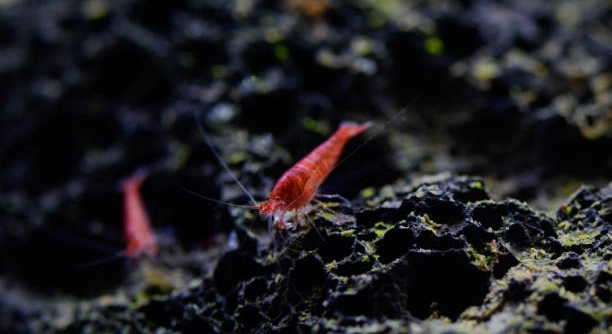
Have you ever watched your cherry shrimp move through their tank and sensed how gently they respond to changes around them as their small movements highlight a soft sensitivity to shifts in their environment daily. Cherry shrimp demonstrate heightened sensitivity to strong vibrations, often retreating or reducing activity when exposed to sudden mechanical disturbances. This … Read more
7 Tips for Keeping Cherry Shrimp Active

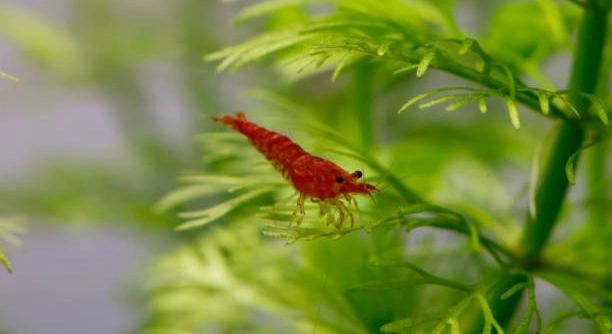
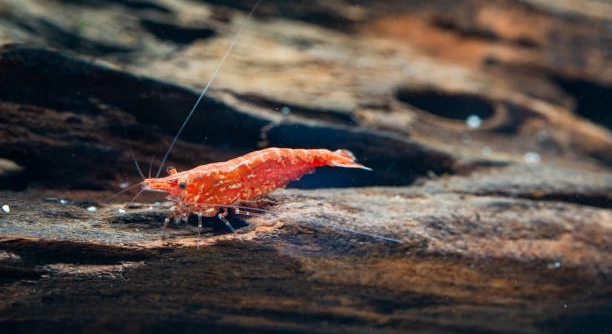
Keeping cherry shrimp active is essential for their overall health and well-being. Many shrimp owners notice their pets slowing down, which can indicate environmental or dietary issues affecting their energy and activity levels. Providing a stable environment with proper water parameters, adequate hiding spaces, and a varied diet is crucial to maintaining cherry shrimp activity. … Read more

7 Causes of Cherry Shrimp Refusing to Molt

Do your cherry shrimp seem hesitant to shed their shells despite living in a healthy tank? Many shrimp owners face this problem and feel frustrated when their pets stop molting, affecting growth and overall wellbeing in the aquarium environment. Cherry shrimp may refuse to molt due to various environmental, dietary, or health-related factors. Common causes … Read more

7 Things Cherry Shrimp Do When They’re Scared

Cherry shrimp are small, colorful freshwater shrimp often kept in aquariums for their beauty and algae-eating abilities. They are delicate creatures and can react strongly to sudden movements, changes in their environment, or potential threats nearby. When cherry shrimp feel scared, they exhibit specific behaviors to protect themselves. They may hide among plants, freeze in … Read more

7 Cherry Shrimp Behaviors You Should Never Ignore

Cherry shrimp are small, colorful freshwater creatures that can brighten any aquarium. Their delicate nature means observing their behaviors closely can provide important clues about their health and environment. Understanding these signals helps maintain a thriving tank. Certain cherry shrimp behaviors are critical indicators of health, stress, and social interaction. Ignoring changes in swimming patterns, … Read more

Can Shrimp Get Bored Without Enough Plants?

Have you ever noticed your shrimp moving slowly in a bare tank, seemingly with nothing to explore or interact with? Many shrimp owners focus on water quality but overlook the impact of a sparsely planted environment. Shrimp can experience stress and reduced activity when their tank lacks sufficient plants. Plants provide hiding spots, stimulation, and … Read more

7 Causes of Cherry Shrimp Color Loss (+Fixes)

Cherry shrimp are a popular choice for aquariums due to their bright, vibrant colors. However, it can be frustrating when these colors start to fade, making your tank look dull and less lively overall. Color loss in cherry shrimp typically occurs due to stress, poor diet, water quality issues, or genetic factors. Each of these … Read more

Can Cherry Shrimp Detect a Tankmate’s Stress?

Do you ever notice your cherry shrimp moving differently when a new tankmate is introduced? Observing their behavior can be surprising, especially when they seem more alert or cautious around certain companions. These small creatures show fascinating reactions. Cherry shrimp can detect stress in tankmates through chemical signals released in the water. These signals allow … Read more

Can Cherry Shrimp Survive a Tank Crash?

Cherry shrimp are delicate freshwater creatures that add color and life to aquariums. Their small size and gentle nature make them vulnerable to sudden disturbances, which can affect their wellbeing and overall survival in the tank. Cherry shrimp can survive a tank crash depending on the severity of the incident. Sudden impacts can cause stress, … Read more

Why Your Cherry Shrimp May Ignore Driftwood

Cherry shrimp are fascinating little creatures that add life and color to freshwater aquariums. Many aquarists enjoy decorating tanks with driftwood, hoping shrimp will explore and graze on it naturally. Cherry shrimp may ignore driftwood due to several environmental and biological factors. Water chemistry, insufficient biofilm growth, and existing food sources can reduce their interest. … Read more