
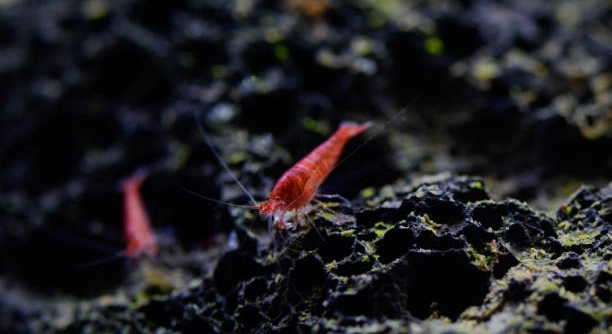
Cherry shrimp are small, colorful freshwater creatures that can brighten any aquarium. Their delicate nature means observing their behaviors closely can provide important clues about their health and environment. Understanding these signals helps maintain a thriving tank.
Certain cherry shrimp behaviors are critical indicators of health, stress, and social interaction. Ignoring changes in swimming patterns, feeding habits, coloration, or molting behavior can lead to disease, reduced lifespan, and potential tank imbalances, making careful observation essential.
Recognizing these behaviors early allows you to respond appropriately, ensuring your shrimp remain healthy and your aquarium remains balanced and vibrant.
Unusual Swimming Patterns
Cherry shrimp normally swim calmly around the tank, exploring surfaces and plants. When they start darting quickly, hovering in one spot, or spiraling in circles, it often signals stress or discomfort. Sudden bursts of movement can indicate water quality issues, such as improper pH, ammonia, or nitrite levels. Sometimes, a shrimp might stay at the bottom or cling to decorations for extended periods. This behavior could suggest illness, molting difficulties, or insufficient oxygen. It is important to check tank parameters regularly and ensure the water temperature is stable. Overcrowding can also cause erratic swimming, as shrimp compete for space. Additionally, aggressive tank mates may provoke sudden movement or hiding. Observing patterns over several days helps identify whether the behavior is temporary or persistent. Early intervention can prevent serious health issues. Adjusting water quality, spacing, and feeding routines can improve overall shrimp comfort and reduce erratic activity.
Even minor changes in swimming habits are worth noting, as they can indicate underlying problems needing attention.
Tracking these movements consistently helps detect stress triggers, maintain stable conditions, and improve shrimp health over time. Understanding their normal patterns makes it easier to spot when intervention is necessary.
Color Changes
Changes in cherry shrimp coloration are usually noticeable quickly. A pale or faded shrimp can signal poor nutrition, stress, or disease. Color intensity often reflects overall health, and vibrant red shrimp are generally thriving. Monitoring diet is key, as high-quality food rich in carotenoids supports brighter colors. Environmental factors also affect appearance. Dull or mottled coloring may indicate water quality issues, improper lighting, or frequent stress from tank mates. Shifts in temperature or pH can influence pigment expression, sometimes temporarily. Molting stages naturally cause temporary dullness, but persistent fading requires attention. Observing shrimp alongside tank conditions can help identify patterns and root causes. Providing hiding spots and reducing stressors encourages natural coloration. Regular water changes, balanced feeding, and careful observation maintain vibrant shrimp in the long term. Over time, attention to these factors enhances the overall aesthetic of the tank while promoting healthier shrimp.
Maintaining ideal water parameters and a nutritious diet ensures your shrimp retain strong coloration and vitality.
Consistent monitoring, paired with proper care, allows for early detection of issues that affect color. Addressing environmental stressors promptly protects shrimp from illness and supports long-term wellbeing. This approach creates a stable, vibrant habitat where cherry shrimp can thrive.
Excessive Hiding
When cherry shrimp hide more than usual, it often signals stress or discomfort. Sudden changes in tank conditions, aggressive tank mates, or poor water quality can make them seek shelter frequently.
Shrimp naturally hide during molting, but constant concealment is a warning sign. Overcrowded tanks or sudden changes in temperature or pH can increase hiding behavior. Insufficient hiding spots or lack of plants may also force them into corners or behind decorations. Observing their daily routine helps identify abnormal patterns. Stress can reduce feeding, slow growth, and increase vulnerability to disease. Maintaining stable water conditions, providing adequate cover, and minimizing disturbances encourage normal activity. Gradually adjusting tank parameters after detecting stress helps shrimp regain confidence and return to visible areas.
Excessive hiding can mask serious health issues. Tracking when and how long shrimp hide provides valuable insight into tank conditions and their overall wellbeing. Careful observation ensures timely interventions that protect shrimp from prolonged stress and potential illness.
Molting Irregularities
Molting is a vital process for cherry shrimp growth, and irregular molting patterns indicate potential problems. Missing molts or failed molts can be linked to poor nutrition, water quality, or stress.
Inconsistent molting can cause injury or death, as old shells may trap shrimp, preventing proper development. Adequate calcium and mineral intake supports shell formation, while unstable temperatures or fluctuating water parameters can disrupt the molting cycle. Observing shrimp before, during, and after molting reveals issues early. Overcrowding, aggressive tank mates, or insufficient hiding spots increase stress during molting, leading to complications. Providing a calm environment, stable water conditions, and proper diet ensures smooth molting and promotes healthy growth. Regular tank monitoring reduces risks of molting-related problems and maintains shrimp vitality.
Monitoring molting behavior closely helps detect early signs of nutritional or environmental deficiencies. Addressing these issues promptly ensures shrimp grow properly and remain healthy. A consistent care routine prevents molting complications, reduces stress, and encourages natural behaviors. Observing shrimp in different tank zones helps identify whether individual shrimp need extra attention or adjustments to their surroundings, ultimately supporting a balanced and thriving aquatic environment.
Loss of Appetite
A cherry shrimp that stops eating may be stressed, sick, or experiencing poor water conditions. Sudden changes in feeding behavior should never be ignored, as they often signal underlying problems that can escalate quickly.
Check water parameters and diet quality immediately. Overfeeding or spoiled food can also discourage eating. Stress from aggressive tank mates or sudden environmental changes may reduce appetite. Observing whether all shrimp are affected helps identify if the issue is tank-wide or individual. Adjusting water conditions, ensuring clean food, and minimizing disturbances can restore normal feeding habits.
Unusual Aggression
Cherry shrimp are usually peaceful, but aggressive behavior can appear during overcrowding or competition for food and territory. Aggression can lead to injury or stress in weaker shrimp.
Providing sufficient hiding spots, maintaining proper population density, and monitoring interactions reduces conflicts. Aggression often emerges when dominant shrimp monopolize resources, so spreading food and adding decorations or plants encourages equitable access. Careful observation and intervention prevent escalation and maintain a calm, healthy environment for all shrimp in the tank.
Lethargy
Shrimp that remain inactive or cling to surfaces excessively may be experiencing stress, illness, or poor water conditions. Prompt attention is needed to prevent serious health decline.
FAQ
Why are my cherry shrimp hiding all the time?
Constant hiding usually indicates stress or discomfort. This can result from poor water quality, sudden changes in temperature, aggressive tank mates, or overcrowding. It can also occur during molting, which is normal, but if hiding persists beyond molting, it is a warning sign. Adding plants, decorations, and secure hiding spots helps shrimp feel safer. Checking water parameters and maintaining a stable environment reduces stress and encourages normal activity. Observing behavior patterns over several days can reveal whether hiding is temporary or a persistent problem that requires intervention.
What causes my cherry shrimp to lose color?
Fading or pale shrimp often signal health issues or stress. Poor diet lacking carotenoids, improper water parameters, fluctuating temperatures, or frequent disturbances can dull coloration. Molting may temporarily affect color, but prolonged fading needs attention. Ensuring a balanced diet with high-quality food, stable water conditions, and minimal stress supports vibrant pigmentation. Regular monitoring of color changes alongside environmental factors helps identify causes early and allows for timely adjustments to diet or tank conditions.
Why are my cherry shrimp not eating?
Loss of appetite can indicate illness, stress, or poor water quality. Overfeeding, spoiled food, or insufficient nutrition may also discourage feeding. Stress from aggressive tank mates or sudden environmental changes can reduce interest in food. Observing whether the appetite loss is individual or affects multiple shrimp helps determine if the problem is tank-wide. Addressing water parameters, providing clean, high-quality food, and minimizing disturbances encourages normal feeding behavior and prevents further health decline.
What does erratic swimming mean in cherry shrimp?
Erratic swimming, such as darting, spiraling, or hovering in one spot, often signals stress, poor water conditions, or illness. Overcrowding or aggressive tank mates can also provoke unusual movement. Monitoring swimming behavior over several days helps determine whether the issue is temporary or chronic. Adjusting water parameters, maintaining proper temperature, and providing adequate space reduces stress and promotes normal swimming patterns. Observing shrimp responses to changes ensures early intervention before serious health problems occur.
How can I tell if my shrimp is molting correctly?
Normal molting involves shedding the old exoskeleton and emerging with a fresh, soft shell. Irregular molting, failed molts, or difficulty shedding indicate stress, nutritional deficiencies, or poor water conditions. Adequate calcium and minerals support shell formation, while stable water parameters and hiding spots reduce molting complications. Observing shrimp closely during molting helps detect early signs of problems. Maintaining a calm, stable environment and proper diet ensures smooth molts, healthy growth, and reduces risks of injury or death during the process.
Why are my cherry shrimp lethargic?
Lethargy can result from poor water quality, stress, illness, or insufficient oxygen. Inactive shrimp may cling to surfaces or remain motionless for extended periods. Regular water testing, stable temperature, and oxygenation improve activity levels. Observing which shrimp are affected helps determine if the issue is individual or tank-wide. Interventions like water changes, dietary adjustments, and reducing stressors can restore energy levels and prevent further health decline.
How can I prevent stress in my cherry shrimp?
Stress prevention includes maintaining stable water parameters, avoiding overcrowding, and providing adequate hiding spaces. Gentle handling and minimizing sudden environmental changes also help. Observing shrimp behavior regularly allows early detection of stress signals. Balanced feeding, clean water, and peaceful tank mates reduce stress and promote healthy, active shrimp. Establishing a consistent care routine ensures long-term wellbeing and vibrant shrimp coloration, while preventing behaviors linked to stress such as hiding, erratic swimming, or lethargy.
Can water changes affect shrimp behavior?
Yes, sudden or large water changes can shock shrimp, causing hiding, stress, or unusual swimming patterns. Gradual water changes with matched temperature and parameters minimize disruption. Frequent monitoring after water changes ensures shrimp adapt well. Proper preparation, such as conditioning new water and avoiding rapid chemical shifts, supports stable behavior. Observing shrimp for several hours after changes helps identify any negative effects and ensures immediate corrective action. Consistent, careful maintenance prevents long-term stress and keeps shrimp healthy.
Why do my shrimp fight over food?
Competition for limited resources can cause minor aggression. Overcrowding or inadequate feeding spots intensifies conflicts. Providing sufficient high-quality food distributed across the tank reduces fighting. Plants and decorations create separate feeding areas, allowing shrimp to eat without stress. Monitoring interactions helps ensure weaker shrimp are not excluded. Balancing population density and food availability prevents ongoing conflict and promotes a peaceful tank environment.
How do I know if my shrimp tank is properly balanced?
A balanced tank shows active shrimp with normal color, regular feeding, smooth molting, and minimal hiding. Water parameters should remain stable, with ammonia, nitrites, and nitrates at safe levels. Proper plants, hiding spaces, and moderate population density support healthy shrimp. Regular observation and testing help detect issues early, ensuring a thriving, low-stress habitat.
Cherry shrimp are delicate creatures that respond quickly to changes in their environment. Observing their behavior is the most reliable way to ensure they remain healthy and active. Small signs, such as hiding more than usual, changes in swimming patterns, or loss of appetite, can indicate stress, illness, or environmental issues. Maintaining stable water parameters, providing a balanced diet, and creating a safe, comfortable habitat are essential steps to support their wellbeing. Paying attention to these details allows shrimp to display their natural behaviors and vibrant colors, which reflects overall tank health.
Regular observation also helps identify issues early before they become serious. Shrimp may hide during molting, become pale when stressed, or swim erratically when water quality changes. Each behavior provides a clue about the tank’s condition and the shrimp’s health. By tracking these behaviors daily, you can adjust care routines, improve water quality, and reduce stressors. Proper care includes monitoring temperature, pH levels, and water chemistry, as well as providing sufficient hiding spaces and avoiding overcrowding. This approach ensures that your shrimp are not only surviving but thriving in their environment.
Understanding and responding to cherry shrimp behaviors is key to long-term care. While their small size can make some changes easy to miss, careful observation and consistent maintenance create a stable environment where shrimp can flourish. Addressing signs of stress or illness quickly prevents further complications and supports healthy growth, molting, and coloration. Over time, you will become familiar with their normal patterns, making it easier to notice subtle changes. A well-maintained tank encourages active, vibrant shrimp while promoting a balanced ecosystem that benefits all aquatic life within it.

Hello,
If you enjoy the content that we create, please consider saying a "Thank You!" by leaving a tip.
Every little bit helps us continue crafting quality advice that supports the health, happiness, and well-being of pets around the world, for pets of all shapes, sizes, and species.
We really appreciate the kindness and support that you show us!