
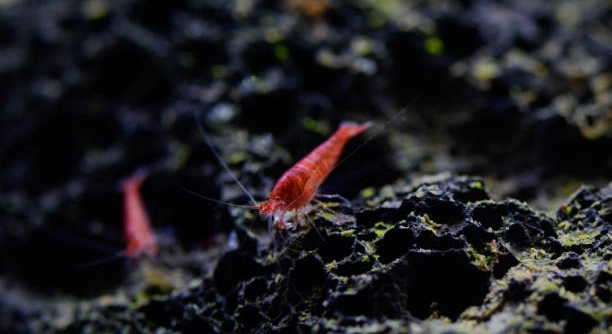
Have you ever watched your cherry shrimp move through their tank and sensed how gently they respond to changes around them as their small movements highlight a soft sensitivity to shifts in their environment daily.
Cherry shrimp demonstrate heightened sensitivity to strong vibrations, often retreating or reducing activity when exposed to sudden mechanical disturbances. This behavior reflects their reliance on stable environmental conditions, where excessive vibration may signal potential threats that disrupt their foraging habits.
These subtle reactions encourage a closer look at how vibration levels influence their behavior within a calm and stable aquarium.
Why Vibrations Influence Cherry Shrimp Behavior
Cherry shrimp react strongly to changes in their surroundings, and vibrations often shape the way they move, feed, and settle in their tank. When vibrations rise beyond their comfort level, these small creatures adjust quickly, sometimes hiding among plants or reducing movement to feel secure again. Their bodies are highly receptive to shifts in water pressure, allowing them to sense disturbances long before they become visible. This sensitivity helps them stay safe, but it also means aquariums must remain stable to prevent unnecessary stress. Keeping equipment clean and functioning softly can make a noticeable difference in how relaxed your shrimp appear each day. Even subtle shaking from nearby appliances can influence their behavior, creating small challenges in maintaining a peaceful habitat. Observing these reactions teaches you how to support their comfort more effectively, especially when managing environments with ongoing household activity that often affects their sense of calm overall daily.
Their sensitivity to vibration becomes clearer when you notice how quickly they respond to small shifts around them, adjusting their posture or retreating to covered spaces where they feel more stable and secure in the tank as these gentle reactions reflect their natural instincts for safety in shifting environments today.
Supporting cherry shrimp through careful vibration control allows them to thrive more comfortably in their aquarium. Stable equipment, thoughtful placement, and reduced external noise help them maintain steady movement and calm feeding habits. When the environment remains predictable, their confidence grows and their natural colors often appear brighter. You can create a stable space by checking for rattling parts, placing the tank away from heavy foot traffic, and ensuring all filters run smoothly without harsh rattles. These small actions shape a peaceful habitat that encourages healthy behavior and reduces subtle stress buildups that might otherwise affect their long term comfort.
Common Sources of Vibrations in Aquariums
Vibrations inside a tank often come from filters, air pumps, nearby appliances, or even loud household activity that shakes surrounding surfaces. Cherry shrimp feel these disturbances quickly, responding with subtle changes in movement that signal their need for a steadier and more predictable environment overall in their daily living routine.
Many common aquarium setups introduce vibrations without the keeper realizing how strongly they influence cherry shrimp behavior. Filters that hum or rattle create ongoing disturbances that travel through the water, making the shrimp shift their routines and seek calmer areas. Air pumps with hard tubing often generate sharp pulses that echo through the tank walls, adding to the stress these sensitive invertebrates may feel. Even small activities, such as closing doors or placing objects on the same surface as the aquarium, can carry vibrations into their habitat. Placing the tank on a sturdy stand, using soft padding beneath equipment, and checking that all connections remain secure helps reduce these disruptions. Keeping appliances like washing machines or speakers away from the tank also encourages a more stable environment. When these changes are made consistently, shrimp display smoother movement, brighter coloration, and steadier feeding behavior. Reducing vibrations is a simple but meaningful step that supports long term health. This improvement becomes clear as their daily patterns settle into predictable rhythms that reflect a calm habitat where each element works together to create balanced conditions that feel gentle and steady, allowing them to move freely and maintain stable interactions within the aquarium environment.
How Vibrations Affect Daily Shrimp Activity
Cherry shrimp often shift their movement patterns when exposed to strong or repeated vibrations, responding with slower swimming or quick retreats into sheltered areas as their bodies react to changes that feel sudden or uncomfortable within their small and sensitive environment.
Prolonged exposure to constant shaking can influence how they forage, rest, and interact with their surroundings. They may spend more time hiding instead of grazing on surfaces, which limits the natural behaviors that support their health. Reduced movement can also affect how confidently they explore open areas, leading to uneven patterns in activity and a visible sense of caution each day. Keeping their environment steady helps maintain balanced behavior and encourages them to use the entire tank. When their space feels calm, they move with more consistency and show smoother responses to everyday changes that occur around them routinely.
These reactions also influence how they socialize within the group, since shrimp rely on stable surroundings to maintain normal patterns of interaction. When vibration levels rise, their behavior may become fragmented, with individuals scattering or avoiding areas that feel unstable. Over time, this can create uneven distribution around the tank and reduce the calm movement that usually defines a healthy colony. Supporting stability helps them coordinate their routines, settle into familiar zones, and feed together without disruptions. This steady environment reinforces their natural habits and supports healthier long term outcomes within the aquarium.
Reducing Vibrations in Your Shrimp Tank Setup
Limiting vibrations often starts with evaluating how equipment operates and how the tank is positioned in your home. Soft padding under filters and pumps helps reduce sharp rattles, while placing the aquarium away from heavy foot traffic lowers the amount of shaking that reaches the water.
Keeping equipment secure and steady is equally important, since loose parts often create vibrations that travel through the tank. Checking for worn components and placing a stable mat under the aquarium can help maintain stillness across the setup. Moving the tank away from appliances that shake or hum ensures the water remains calm during normal household routines. Adjusting air pumps so tubing does not press against hard surfaces also prevents pulsing sensations that may disturb your shrimp. Even small improvements can create clear benefits in activity, color, and feeding behavior. A quieter and steadier space helps your shrimp feel safe, promoting natural movement and healthier patterns that remain consistent as the environment stays calm and predictable each day.
Signs Your Cherry Shrimp Are Stressed by Vibrations
Shrimp affected by strong vibrations often retreat into plants or corners, showing less movement than usual as they try to find a stable area. Their reduced activity can become noticeable when they stop grazing openly and remain hidden for longer periods during the day.
Some shrimp may flick their tails more often, shift direction abruptly, or gather only in parts of the tank that feel steady. These small changes can signal discomfort caused by repeated shaking. Observing these patterns helps you understand how much their behavior shifts when vibrations rise unexpectedly.
How Tank Design Helps Limit Vibrations
The layout of the aquarium plays a meaningful role in keeping vibrations low, since sturdy stands and padded bases help prevent shaking from traveling through the tank. Adding dense plants, driftwood, and stable décor also creates calmer zones where shrimp can settle comfortably during subtle disturbances. Spreading equipment evenly and avoiding direct contact between hard surfaces reduces internal rattles that often pass into the water. Careful placement of air pumps and tubing ensures fewer pulsing movements reach the shrimp. These simple adjustments help maintain a calmer environment that supports natural movement and balanced daily behavior.
Why Stability Encourages Better Shrimp Behavior
Stability allows shrimp to graze more freely, explore open areas, and interact with others without hesitation as their surroundings feel predictable. A steady tank helps them settle into calmer patterns that support long term health and consistent activity.
FAQ
How do I know if my cherry shrimp are stressed by vibrations?
Shrimp that are stressed by vibrations often hide more than usual, flick their tails rapidly, or move in sudden, jerky patterns. They may avoid open areas and spend more time in dense plants or behind décor. Changes in feeding behavior, such as grazing less or refusing food, can also signal discomfort caused by excessive shaking.
Can small household vibrations affect cherry shrimp?
Yes, even minor vibrations from appliances, doors closing, or foot traffic can disturb shrimp. Their bodies are very sensitive to water movement, so vibrations that seem insignificant to humans can create stress for them. Tanks placed on soft, stable surfaces help reduce these impacts.
Do cherry shrimp eventually get used to vibrations?
They may acclimate slightly to repeated, predictable vibrations, but strong or sudden movements will always trigger stress responses. Long-term exposure to inconsistent vibrations can lead to chronic stress, affecting activity levels, feeding habits, and overall health.
What equipment is most likely to cause vibrations?
Filters, air pumps, and water pumps are common sources. Loose or poorly secured equipment can rattle or hum, transmitting vibrations through the tank. Even tubing that touches hard surfaces can pulse water unnaturally, affecting shrimp behavior. Ensuring all equipment is stable and quiet is essential.
How can I reduce vibrations in my tank effectively?
Place the aquarium on a solid, level stand and add padding beneath equipment. Ensure pumps and filters are secure and not touching hard surfaces directly. Keeping the tank away from heavy foot traffic and vibrating appliances helps. Adding plants and décor provides additional stable zones for shrimp to retreat to.
Does the tank size influence how vibrations affect shrimp?
Yes, smaller tanks transmit vibrations more quickly through the water, making shrimp more sensitive to disturbances. Larger tanks may buffer some movement, but strong vibrations can still reach shrimp in any size tank. Proper setup and placement remain important regardless of tank size.
Can lighting or external noise increase stress alongside vibrations?
Indirectly, yes. Sudden changes in lighting or loud noises can exacerbate the effects of vibrations. Stress accumulates when multiple factors disturb the tank environment. A calm, predictable environment with steady lighting and minimal loud interruptions helps maintain shrimp comfort.
Are all cherry shrimp equally sensitive to vibrations?
Individual shrimp can vary in sensitivity. Some may tolerate minor disturbances better, while others react immediately. Young or newly introduced shrimp often display stronger avoidance behaviors. Observing each shrimp’s reaction helps identify which areas of the tank are safest and most comfortable.
What long-term effects can vibrations have on shrimp health?
Chronic exposure to vibrations can reduce feeding, limit movement, and increase susceptibility to disease. Stress affects molting cycles and reproductive behavior. Ensuring a stable, vibration-minimized environment supports natural behavior, healthier shrimp coloration, and consistent activity levels over time.
Is there a way to simulate safe, low-level vibrations?
Gentle, predictable water movement from well-maintained filters or soft air bubbles can simulate natural currents without stressing shrimp. Avoid sharp, irregular vibrations, which create discomfort. Controlled water flow supports shrimp activity and encourages grazing, while still maintaining a calm environment.
Cherry shrimp are small and delicate creatures, and their behavior is closely tied to the stability of their environment. Strong or repeated vibrations can trigger noticeable stress responses, including hiding, erratic swimming, or reduced feeding. These responses are instinctual, reflecting their natural need for safety. Even minor disturbances, such as the hum of a nearby appliance or a heavy footstep near the tank, can be enough to make them adjust their behavior. Observing how shrimp react to these subtle changes in their surroundings can provide valuable insights into their comfort and overall well-being. It becomes clear that creating a calm, stable environment is essential to supporting their natural behaviors. Paying attention to movement patterns, the way they interact with plants and décor, and their feeding activity helps gauge how well the tank’s conditions meet their needs. By carefully managing vibrations, shrimp are able to explore, graze, and socialize more confidently, which contributes to their long-term health.
The setup of the aquarium plays a major role in limiting stress caused by vibrations. Using a solid, level stand with padding beneath equipment such as filters, pumps, and tubing can prevent unnecessary shaking from reaching the water. Tank placement also matters, as areas with frequent foot traffic, nearby appliances, or loud household activity can transmit vibrations that disturb the shrimp. Incorporating dense plants, driftwood, and other stable décor not only enhances the tank visually but also gives shrimp safe zones to retreat to when they sense movement. These simple adjustments help maintain a consistent environment that supports natural behaviors and encourages calm activity. When vibrations are reduced, shrimp are more likely to display steady movement, feed regularly, and interact in a balanced way with other tank inhabitants. Even minor improvements in tank stability can have noticeable effects on their coloration, confidence in exploring, and overall routine, making the aquarium a healthier space for them to thrive.
Maintaining a vibration-minimized environment benefits both the shrimp and the person caring for them. It allows you to observe normal behaviors and notice changes that may indicate other issues in the tank, such as water quality or health problems. Keeping the environment steady helps shrimp feel secure, which in turn supports better feeding habits, consistent molting, and regular reproductive activity. By reducing disturbances, you also create a more peaceful and predictable setting, allowing shrimp to move freely and settle into natural routines. Paying close attention to how vibrations affect their behavior encourages better care decisions, including equipment choice, tank placement, and maintenance practices. Over time, this results in a more vibrant, active, and healthy shrimp colony. Supporting these small creatures in such a careful way ensures they thrive in a calm and stable environment, highlighting the importance of observation, adjustment, and attention to detail in maintaining an aquarium where cherry shrimp can live comfortably and exhibit their natural behaviors fully.

Hello,
If you enjoy the content that we create, please consider saying a "Thank You!" by leaving a tip.
Every little bit helps us continue crafting quality advice that supports the health, happiness, and well-being of pets around the world, for pets of all shapes, sizes, and species.
We really appreciate the kindness and support that you show us!