
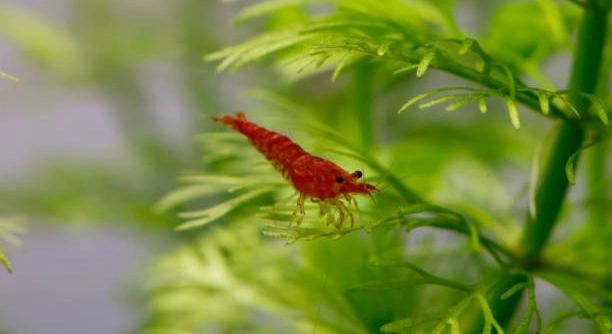
Keeping cherry shrimp active is essential for their overall health and well-being. Many shrimp owners notice their pets slowing down, which can indicate environmental or dietary issues affecting their energy and activity levels.
Providing a stable environment with proper water parameters, adequate hiding spaces, and a varied diet is crucial to maintaining cherry shrimp activity. Temperature, pH, and regular feeding schedules directly influence their movement, growth, and overall health in the aquarium.
By understanding these basic needs, you can create a lively and stimulating habitat for your shrimp to thrive happily.
Maintain Stable Water Conditions
Cherry shrimp thrive in stable water conditions, making it essential to monitor temperature, pH, and hardness regularly. Fluctuations in water parameters can stress them, leading to lethargy or even illness. Using a reliable thermometer and test kits ensures their habitat remains consistent. Frequent partial water changes help keep nitrate levels low, while avoiding sudden shifts in water chemistry. Introducing new water gradually prevents shock and allows shrimp to adjust comfortably. A well-maintained filter keeps the water clear and oxygenated, supporting active movement. Plant coverage and natural hiding spots create a balanced environment that reduces stress. Avoid overcrowding, as too many shrimp can strain water quality and limit space for swimming. Observing their behavior daily provides insight into their well-being. Feeding should complement water maintenance by preventing uneaten food from decaying and affecting water parameters. Clean substrate and remove debris regularly to sustain a healthy, vibrant habitat for your shrimp to explore freely.
Stable water conditions are critical for consistent shrimp activity. Regular monitoring prevents stress and promotes long-term health.
Clear water, proper temperature, and gradual changes are the foundation of an active, thriving shrimp tank. By maintaining these conditions, shrimp remain energetic and exhibit natural behaviors. Regular observation, careful feeding, and gentle water adjustments encourage activity while reducing health risks. Even minor fluctuations can cause noticeable changes in their behavior, so consistency is key. A balanced, stable environment not only supports movement but also improves molting and breeding. Integrating live plants and hiding spots further encourages exploration and interaction. By understanding the importance of water stability, you create a supportive space where shrimp can flourish, remain alert, and display their characteristic vibrant colors. Over time, maintaining these standards leads to a tank that is both healthy and visually engaging. Ensuring proper water quality, temperature, and minimal stressors allows your shrimp to remain lively, contributing to a dynamic and well-balanced aquarium environment.
Provide a Varied Diet
Offering a varied diet keeps cherry shrimp interested in food and active throughout the day. Different foods stimulate natural foraging and prevent boredom.
Balanced nutrition improves energy levels and promotes consistent activity in shrimp, supporting growth and overall well-being.
A mixture of algae wafers, blanched vegetables, and occasional protein sources like shrimp pellets ensures your shrimp receive essential nutrients. Avoid overfeeding, as leftover food can pollute the tank and reduce water quality. Introducing new foods gradually allows shrimp to adapt and encourages foraging behavior. Live or frozen foods can be added occasionally to provide variety and mimic natural feeding conditions. Feeding small portions multiple times a day helps maintain energy without compromising water parameters. Observing how shrimp interact with different foods offers insight into their preferences and overall health. A diverse diet enhances molting success and vibrant coloration. By paying attention to their feeding habits, you encourage active movement, stimulating natural behaviors and improving tank dynamics. Consistency, variety, and moderation are key to keeping cherry shrimp energetic and engaged.
Add Hiding Spaces
Hiding spaces reduce stress and encourage natural movement. Plants, moss, and small caves give shrimp places to explore and retreat safely.
Providing multiple hiding spots allows shrimp to feel secure while remaining active. Dense plants, driftwood, and decorative ornaments create varied areas for exploration. Shrimp use these spaces to molt safely, preventing aggression from tank mates and reducing stress. Open swimming areas paired with secluded spots balance activity and rest. Mosses and fine-leaved plants also offer grazing surfaces for biofilm, supporting both nutrition and movement. Arranging structures at different heights encourages climbing and exploration. Observing how shrimp use these spaces shows their comfort level. Regularly adjusting decorations can stimulate curiosity and maintain engagement. Hiding spots complement feeding and water quality management, ensuring shrimp stay healthy and lively while navigating their environment naturally.
Shrimp become more confident and active when they have multiple secure areas to explore and hide.
Creating a tank with both open swimming zones and sheltered spaces promotes balanced activity. Moss, plants, and caves provide surfaces for grazing, while also serving as retreats during molting. This setup reduces stress, encourages natural behaviors, and prevents conflicts among shrimp. Varying the placement of decorations and plants stimulates curiosity and movement. Shrimp will investigate new areas, climb structures, and interact with their environment. Hiding spots also support a healthy ecosystem by promoting biofilm growth and offering additional surfaces for grazing. Thoughtful arrangement ensures shrimp remain active, healthy, and visually engaging throughout the aquarium.
Maintain Proper Temperature
Consistent temperature supports metabolism and activity. Sudden changes can cause lethargy or stress, so aim for stable, suitable conditions.
Cherry shrimp are sensitive to temperature fluctuations, which directly influence activity levels and overall health. Ideal temperatures typically range between 72 and 78°F (22–26°C), promoting energetic movement and proper molting. Using a reliable aquarium heater and thermometer ensures consistent conditions. Sudden drops or spikes in temperature can weaken their immune system, slow metabolism, and reduce feeding response. Gradual adjustments are crucial when making changes. Keeping water within the optimal range supports energy, encourages natural behaviors, and reduces susceptibility to disease. Observing shrimp daily helps identify signs of stress linked to temperature shifts, allowing corrective measures to be taken promptly. Proper temperature management, combined with water quality and hiding spaces, creates an environment where shrimp can remain lively and active.
Stable temperature keeps shrimp active and encourages healthy behavior patterns.
Maintaining the proper temperature promotes metabolism, feeding, and movement. Even minor fluctuations can reduce activity, so monitoring is essential. Consistent warmth prevents stress-related issues and supports molting, color development, and overall vitality. Using a heater and thermometer ensures shrimp remain within the optimal range. Gradual adjustments are important when changes are needed to avoid shock. Temperature control works alongside feeding, water quality, and tank structure to support daily activity. Proper thermal management helps shrimp explore their environment, forage efficiently, and exhibit natural behaviors. Consistent temperature also enhances immunity, reducing the likelihood of illness and allowing shrimp to thrive over time.
Encourage Natural Lighting
Natural lighting supports shrimp activity and helps plants grow. Avoid direct sunlight to prevent algae blooms.
A consistent light cycle of 8–10 hours per day mimics natural conditions. Timers can maintain regularity and support biofilm growth, which shrimp feed on.
Avoid Overcrowding
Too many shrimp in one tank reduces swimming space and increases stress. Maintaining proper stocking levels ensures each shrimp can move freely.
Overcrowding can lead to competition for food, hiding spots, and oxygen, which decreases activity. A balanced population promotes healthier interactions and more energetic shrimp.
Introduce Live Plants
Live plants provide grazing surfaces and hiding areas. Moss, Java fern, and floating plants are particularly useful.
Plants create a natural environment where shrimp can explore, feed, and molt safely. They improve water quality while encouraging movement and activity.
Maintain Regular Cleaning
Regular cleaning prevents debris buildup, supporting shrimp health and activity.
Partial water changes, substrate vacuuming, and filter maintenance reduce stress and maintain optimal living conditions.
FAQ
How often should I feed my cherry shrimp to keep them active?
Feeding small portions once or twice a day is usually sufficient. Overfeeding can lead to uneaten food that pollutes the water and reduces oxygen levels. A varied diet with algae wafers, blanched vegetables, and occasional protein sources keeps shrimp energetic and encourages natural foraging behavior. Observing how much they consume in a few hours helps adjust portion sizes effectively.
What temperature is best for cherry shrimp activity?
Cherry shrimp are most active between 72 and 78°F (22–26°C). Temperatures outside this range can slow metabolism and movement. Using a reliable heater and thermometer ensures consistent conditions, while avoiding sudden changes prevents stress and lethargy. Gradual adjustments are essential if modifications are needed.
Can I keep too many shrimp in one tank?
Overcrowding reduces swimming space and increases stress. Each shrimp needs sufficient room to move, forage, and hide. Maintaining balanced stocking levels prevents competition for food and shelter. Fewer shrimp generally remain more active, show natural behaviors, and have healthier interactions with tank mates.
Do hiding spots really affect activity levels?
Yes. Shrimp are more confident and energetic when they have secure hiding areas. Plants, moss, driftwood, and small caves allow them to explore safely. Hiding spots also reduce stress during molting, prevent aggression, and encourage movement throughout the tank, making their behavior more natural.
How important is water quality for shrimp activity?
Water quality is crucial. High nitrate, ammonia, or nitrite levels can stress shrimp and reduce activity. Regular partial water changes, substrate cleaning, and proper filtration maintain a healthy environment. Monitoring pH, hardness, and temperature ensures stable conditions that support natural movement and long-term health.
Will live plants really make a difference in activity?
Live plants provide grazing surfaces, hiding spaces, and oxygenation. Moss, Java fern, and floating plants encourage shrimp to forage, explore, and climb. They also help control algae and improve water quality. A planted tank creates a stimulating environment that promotes movement and reduces stress.
Can lighting affect shrimp energy?
Yes, a consistent light cycle of 8–10 hours per day supports activity. Timers help maintain regularity. Indirect or diffused light prevents algae overgrowth while stimulating natural behaviors. Shrimp become more active during light periods, especially when food and grazing surfaces are available.
What should I do if my shrimp seem inactive?
Check water parameters, temperature, and food availability first. Stress, poor water quality, overcrowding, or illness often causes lethargy. Adjusting conditions gradually, adding hiding spots, and maintaining a balanced diet usually restores activity. Observing behavior daily helps identify specific issues before they escalate.
Are there foods that specifically boost shrimp energy?
Protein-rich foods, algae wafers, and blanched vegetables provide essential nutrients. Occasional live or frozen foods can stimulate activity. A varied diet keeps shrimp curious, encourages foraging, and prevents boredom, supporting energy levels throughout the day.
How do I balance cleaning with shrimp activity?
Partial water changes, filter maintenance, and gentle substrate vacuuming keep water clean without causing stress. Cleaning should be regular but not overly disruptive. Maintaining debris-free surfaces prevents harmful buildup while preserving natural areas where shrimp can explore and remain active.
Can I change tank decorations to improve activity?
Yes. Rearranging plants, moss, and ornaments encourages exploration and curiosity. New hiding spots and open swimming areas stimulate natural behaviors. Changing the layout occasionally keeps shrimp engaged without stressing them, promoting movement and energy in the tank.
Is molting affected by activity levels?
Active shrimp tend to molt more successfully. Stress, poor diet, or inadequate hiding spots can lead to molting problems. Providing secure spaces and balanced nutrition supports proper exoskeleton shedding, which in turn keeps shrimp energetic and healthy.
How do I know my shrimp are thriving?
Healthy shrimp are active, colorful, and explore their environment regularly. They forage for food, climb plants, and interact with each other naturally. Molting occurs smoothly, and water parameters remain stable. Observing behavior daily helps ensure shrimp maintain energy and remain comfortable in their habitat.
Does tank size influence activity?
Yes, larger tanks with ample swimming space encourage exploration and movement. Small, overcrowded tanks can limit natural behaviors and reduce activity. Properly sized tanks with open areas and hiding spots create a balanced environment where shrimp can remain active and healthy.
Are there environmental changes that reduce stress and boost activity?
Stable temperature, water parameters, adequate hiding spots, and consistent lighting all reduce stress. Gradual changes in food, plants, or decorations stimulate exploration. Minimizing disturbances while maintaining a varied and healthy environment ensures shrimp stay lively, energetic, and display natural behaviors consistently.
How long should I wait before adjusting care routines?
Changes should be made gradually over days rather than hours. Sudden shifts in water quality, temperature, or diet can stress shrimp. Observing their response to minor adjustments allows you to fine-tune care routines while maintaining activity levels and preventing health issues.
Can tank mates affect cherry shrimp activity?
Yes, aggressive or large tank mates can stress shrimp and reduce movement. Peaceful species or shrimp-only setups allow them to explore freely. Observing interactions ensures shrimp are not hiding excessively and can forage and swim comfortably.
What role does biofilm play in shrimp energy?
Biofilm is a natural food source that provides nutrition and encourages grazing behavior. Shrimp actively forage on biofilm-covered surfaces, supporting energy levels and promoting movement. Maintaining plants, moss, and surfaces that allow biofilm growth enhances shrimp activity naturally.
How often should I monitor shrimp behavior?
Daily observation helps detect stress, illness, or changes in activity. Monitoring behavior allows quick intervention if issues arise. Watching how shrimp explore, forage, and interact ensures a healthy, lively environment is maintained consistently.
Are there signs of stress I should watch for?
Lethargy, hiding constantly, pale coloration, or irregular molting indicate stress. Identifying causes such as poor water quality, overcrowding, or inadequate diet allows corrective measures. Reducing stress encourages natural activity and supports overall shrimp health.
What is the best way to combine all activity tips?
Maintaining stable water conditions, proper temperature, a varied diet, live plants, hiding spaces, regular cleaning, and consistent lighting creates an environment that naturally keeps shrimp active. Observing behavior and adjusting care routines ensures long-term health and vitality for your cherry shrimp.
Final Thoughts
Keeping cherry shrimp active requires attention to multiple aspects of their care. Stable water conditions, including consistent temperature, pH, and hardness, form the foundation of a healthy environment. Regular monitoring and partial water changes prevent harmful fluctuations that can cause stress or lethargy. Proper filtration and substrate maintenance further ensure water quality remains optimal. By observing shrimp behavior daily, you can identify changes early and make adjustments before problems develop. Consistency is key, and maintaining a balanced, stable habitat supports not only activity but also overall health and longevity.
A varied diet is equally important for maintaining energy levels. Shrimp thrive when they receive a combination of algae wafers, blanched vegetables, and occasional protein sources. This variety encourages natural foraging and prevents boredom, which can lead to inactivity. Feeding in small, measured portions helps prevent uneaten food from polluting the tank, while also ensuring that shrimp get the nutrients they need. Live or frozen foods can be introduced occasionally to simulate natural conditions and stimulate movement. Observing how shrimp respond to different foods allows for adjustments that optimize activity and overall well-being. Providing proper nutrition in combination with a stable environment creates a setting where shrimp are more likely to explore, forage, and exhibit natural behaviors regularly.
Creating a stimulating and safe habitat further promotes activity. Live plants, moss, and carefully placed decorations provide hiding spots and grazing surfaces, while open areas allow free swimming and exploration. Regular cleaning and maintenance prevent debris buildup and support water quality, reducing stress that could otherwise limit activity. Consistent lighting cycles mimic natural conditions and support biofilm growth, which shrimp use as a food source. Temperature control, adequate space, and balanced tank mates all contribute to creating an environment where shrimp can remain lively and energetic. Combining these factors—stable water, proper diet, appropriate shelter, and environmental management—ensures that your cherry shrimp stay active, healthy, and engaged with their habitat. Regular observation and small, gradual adjustments to care routines allow you to maintain a thriving aquarium that supports both activity and long-term health for your shrimp.

Hello,
If you enjoy the content that we create, please consider saying a "Thank You!" by leaving a tip.
Every little bit helps us continue crafting quality advice that supports the health, happiness, and well-being of pets around the world, for pets of all shapes, sizes, and species.
We really appreciate the kindness and support that you show us!