
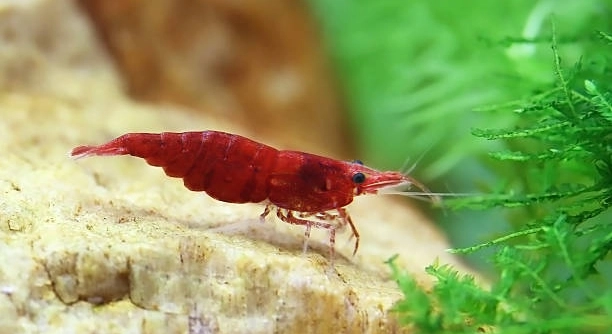
Have you ever noticed your shrimp moving slowly in a bare tank, seemingly with nothing to explore or interact with? Many shrimp owners focus on water quality but overlook the impact of a sparsely planted environment.
Shrimp can experience stress and reduced activity when their tank lacks sufficient plants. Plants provide hiding spots, stimulation, and surfaces for biofilm growth, which supports natural foraging behavior and overall well-being. Without these elements, shrimp may appear listless and less healthy.
Adding plants not only improves tank aesthetics but also encourages natural shrimp behavior and long-term vitality, making their habitat more dynamic and supportive for daily activity.
Why Plants Matter for Shrimp
Shrimp are small creatures with surprisingly complex needs. Plants in the tank provide shelter, surfaces to graze on, and hiding spots that reduce stress. Without plants, shrimp may feel exposed and insecure, leading to less activity. They often spend more time hiding under rocks or clinging to the tank walls when there is nothing soft or leafy to interact with. Plants also encourage natural behaviors, such as grazing for biofilm and exploring different areas of the tank. A well-planted tank mimics their natural habitat and helps shrimp feel safe, active, and engaged. Over time, the absence of plants can affect their health, slowing growth and making them more vulnerable to illness. Even small additions like moss or floating plants can make a noticeable difference in how shrimp behave and interact with their environment. The presence of greenery is not just decorative—it is essential for their overall well-being.
Adding plants helps shrimp stay active and healthy by giving them stimulation and hiding places, which reduces stress in the tank.
Plants offer surfaces for biofilm growth, which shrimp feed on, encouraging grazing and exploration. Different types of plants, including moss, ferns, and floating varieties, allow shrimp to interact with their habitat in multiple ways. Dense clusters provide safe areas for molting, a vulnerable time for shrimp, while open spaces let them move freely. The variety of textures and shapes keeps shrimp engaged, preventing boredom and promoting natural behavior. Plants also improve water quality by absorbing nutrients and providing oxygen, which benefits all tank inhabitants. Regular trimming and maintenance ensure the plants remain healthy and do not overcrowd the tank, keeping it balanced. Even small tanks can benefit from a few well-chosen plants. The combination of functional and aesthetic benefits makes planting a tank an important step for any shrimp keeper. Healthy plants directly contribute to happier, more active shrimp, supporting both their physical and mental needs.
Signs Your Shrimp Are Bored
Shrimp that are bored often move slowly and hide excessively, ignoring areas of the tank that seem safe or interesting.
They may also spend less time grazing or interacting with surfaces that typically support natural feeding behavior.
Bored shrimp can appear listless, staying in one area for long periods or clinging to tank decorations without exploring. They may molt less frequently or show changes in color, indicating stress. Some may cluster together unnaturally or become more aggressive if their environment feels empty or unsafe. Behavioral changes like these are subtle but important to recognize, as they indicate that the shrimp need more stimulation. Adding live plants, moss, and other structures encourages movement and exploration. Rotating plant placements or introducing small new elements occasionally can keep the environment engaging. Monitoring your shrimp closely for these signs helps prevent long-term stress, maintaining their health and activity levels.
Choosing the Right Plants
Not all plants suit shrimp tanks. Mosses, ferns, and floating plants are gentle, provide hiding spots, and grow without harsh chemicals.
Mosses are excellent for shrimp because they create dense surfaces for grazing. Java fern and Anubias attach to rocks or driftwood, giving shrimp places to explore and hide. Floating plants, like duckweed or frogbit, reduce light intensity and offer additional cover. Hardy plants with slow growth prevent overcrowding and reduce maintenance. Avoid plants requiring fertilizers or strong lighting that could harm shrimp. Combining different types of plants ensures a mix of surfaces and hiding areas, supporting natural shrimp behavior.
Plants also improve water quality, absorbing excess nutrients and offering oxygen. Healthy plants reduce algae growth, which benefits shrimp. Choosing plants that match your tank size and shrimp species creates a balanced, low-stress environment. Regular pruning keeps plants healthy and prevents overgrowth, which could limit swimming space. Integrating decorations like rocks or driftwood complements plant placement and provides more structure for shrimp activity. Overall, proper plant selection makes the tank more engaging and stable.
Maintaining Plant Health
Healthy plants require stable water conditions, proper light, and occasional trimming to prevent decay.
Shrimp benefit from clean, well-maintained plants, as decaying leaves can release toxins. Regular pruning prevents overcrowding, allowing shrimp to move freely. Light levels should support plant growth but remain gentle enough for shrimp. Removing dead material promptly keeps water quality high. Fertilizers, if used, must be shrimp-safe. Keeping substrate clean helps plant roots and shrimp health simultaneously. Water flow should reach plants but not be too strong, maintaining natural grazing areas. Balanced nutrients encourage robust growth, supporting both plants and shrimp activity.
Trimming plants also exposes new growth, creating fresh grazing surfaces for shrimp. Rotating plant placement can keep shrimp stimulated, encouraging exploration. Floating plants can be thinned to adjust shade and light distribution. Observing plant health daily helps detect nutrient deficiencies or algae issues early, preventing problems before they affect shrimp. A consistent routine for water changes, pruning, and monitoring ensures both plants and shrimp thrive. This creates a stable environment where shrimp feel secure and active while plants flourish, enhancing the overall tank ecosystem.
Signs of Plant Stress
Yellowing or wilting leaves indicate plants are struggling. Slow growth can also signal nutrient deficiencies or improper lighting.
Algae overgrowth on leaves may compete with plants for nutrients, affecting both plant and shrimp health. Timely intervention prevents further decline and keeps the tank balanced.
How Shrimp Interact with Plants
Shrimp use plants for grazing, hiding, and molting. Moss and fine-leaved plants provide surfaces for biofilm, a key part of their diet. Ferns and broad leaves give cover during vulnerable periods, while floating plants offer shade and security. A variety of plant types encourages natural behaviors.
Adjusting Tank Conditions
Stable water parameters, gentle flow, and adequate lighting support plant growth and shrimp activity. Regular monitoring ensures the tank remains safe, healthy, and engaging for all inhabitants.
FAQ
Can shrimp survive without plants?
Shrimp can technically survive in a bare tank, but it is not ideal for their health or behavior. Without plants, shrimp lack hiding spots and grazing surfaces, which can lead to stress and decreased activity. A tank without plants often leaves shrimp exposed and more vulnerable to changes in water quality. Plants provide both food sources, like biofilm, and environmental enrichment, which keeps shrimp engaged and active. A fully planted tank better replicates their natural habitat, supporting molting, feeding, and natural movement patterns. Shrimp in bare tanks may live shorter, less active lives.
What types of plants are best for shrimp tanks?
Mosses, ferns, and floating plants are excellent choices for shrimp. Java moss grows densely and allows shrimp to graze freely. Java fern and Anubias attach to rocks or driftwood, giving shrimp surfaces to explore and hide under. Floating plants, such as duckweed or frogbit, provide shade and shelter. These plants are hardy, slow-growing, and safe for shrimp because they do not require chemicals or fertilizers that could harm tank inhabitants. Combining multiple plant types provides varied surfaces, hiding places, and grazing options, keeping shrimp stimulated. Small amounts of moss or ferns can make a noticeable difference even in tiny tanks.
How many plants should I add to my shrimp tank?
The number of plants depends on tank size, shrimp population, and plant type. A good rule is to cover at least half of the tank with a mix of foreground, midground, and floating plants. Dense moss patches in corners and midground plants along the sides give shrimp places to explore and hide. Floating plants help shade the tank and reduce light intensity. Avoid overcrowding, as too many plants can limit swimming space and reduce water circulation. Even a few carefully placed plants significantly improve shrimp behavior, activity levels, and stress reduction. Regular pruning ensures plants remain healthy without overwhelming the tank.
Do shrimp eat plants?
Shrimp do not typically eat healthy, established plants. They feed on biofilm, algae, and detritus that accumulate on leaves and surfaces. Mosses and slow-growing plants are particularly useful because they collect biofilm for grazing. Occasionally, shrimp may nibble on very soft or decaying leaves, which is normal. Choosing hardy plants prevents damage while still providing the necessary surfaces for feeding and hiding. Adding a mix of plant types ensures shrimp have enough grazing options without harming their environment. Healthy plants are a source of enrichment rather than a direct food source.
How can I tell if my shrimp are bored?
Shrimp that are bored often hide excessively, cling to decorations, or remain in one area without exploring. They may move slowly and ignore surfaces where they usually graze. Reduced molting frequency, changes in color, and decreased activity are also signs. Boredom in shrimp is often linked to sparse or minimal tank decoration. Adding plants, moss, or small structures encourages exploration, grazing, and natural behavior. Observing shrimp behavior regularly allows you to adjust the tank environment, ensuring they remain active, healthy, and stress-free.
Will adding plants improve shrimp health?
Yes, plants improve water quality, provide surfaces for grazing, and reduce stress by offering hiding places. They create a more natural and stimulating environment, which promotes molting, feeding, and activity. Plants also help control algae growth by competing for nutrients, keeping the tank balanced. Overall, a planted tank supports both the physical and behavioral needs of shrimp, encouraging longer, healthier lives. Even simple additions like moss patches or floating plants can significantly enhance shrimp well-being.
Are there plants shrimp should avoid?
Shrimp should not be placed with plants that require fertilizers, strong lighting, or chemicals harmful to invertebrates. Fast-growing or delicate plants that decompose quickly can also create water quality issues. Avoiding these plants ensures shrimp remain safe and healthy. Stick with hardy, slow-growing, and non-toxic plants to create a stable, low-maintenance tank.
How often should I maintain plants in a shrimp tank?
Pruning dead or overgrown leaves weekly or biweekly is ideal. This prevents decay, maintains water quality, and ensures shrimp have enough open space. Removing debris and trimming moss keeps surfaces clean for grazing. Rotating or repositioning plants occasionally can refresh the environment, keeping shrimp active and engaged. Consistent care maintains both plant and shrimp health.
Can shrimp use floating plants for shelter?
Yes, floating plants provide shade and cover from bright lights, giving shrimp places to feel secure. They also offer surfaces where biofilm grows, supporting grazing. Floating plants help simulate natural habitats, reduce stress, and encourage natural movement patterns.
Do shrimp prefer dense or sparse planting?
A balanced mix is best. Dense areas like moss patches provide hiding spaces, while open spaces allow swimming and exploration. Overcrowding can restrict movement and water flow, but sparse tanks leave shrimp exposed. Mixing plant density supports natural behavior and keeps shrimp active.
How do plants affect water quality for shrimp?
Plants absorb excess nutrients, like nitrates, helping reduce algae growth. Healthy plants oxygenate water and provide surfaces for beneficial bacteria, supporting a stable ecosystem. They improve overall tank health, benefiting shrimp activity, feeding, and molting. Properly maintained plants contribute directly to a clean and safe environment.
Can shrimp survive in artificial plants?
Artificial plants offer hiding spaces but lack biofilm surfaces. Shrimp may graze less and show reduced natural behavior. They can survive but will benefit from a mix of live plants to support feeding, exploration, and stress reduction. Artificial plants alone are insufficient for optimal shrimp health.
Is it okay to rearrange plants often?
Occasional rearrangement is fine and can stimulate shrimp to explore new areas. However, frequent changes may stress them, particularly if hiding spots are removed. A stable layout with periodic small adjustments is best for engagement and safety.
How do I know if my plant setup is enough for my shrimp?
Shrimp should appear active, grazing, and molting normally. If they hide excessively or seem listless, more plants or cover may be needed. Observing behavior alongside plant health helps determine whether the environment meets their needs.
Final Thoughts
Maintaining a shrimp tank requires attention to both water quality and habitat design. Plants are not just decoration; they play a crucial role in creating a healthy and engaging environment for shrimp. A tank without plants can feel empty, leaving shrimp exposed and less likely to explore. By adding moss, ferns, and floating plants, you provide surfaces for grazing, hiding spots, and areas to molt safely. These simple additions can dramatically improve shrimp behavior and reduce stress. Even small patches of moss or a few floating plants can make a noticeable difference in activity levels and overall health. Over time, a planted tank supports natural behaviors that bare tanks cannot replicate, helping shrimp live longer, more active lives.
Choosing the right plants is important for both shrimp safety and tank balance. Hardy, slow-growing plants are ideal because they require minimal maintenance and do not introduce harmful chemicals. Java moss, Java fern, and Anubias are excellent examples, as they provide surfaces for biofilm and allow shrimp to graze naturally. Floating plants like frogbit and duckweed add shade and reduce light intensity, creating a more comfortable environment. Variety is key—mixing foreground, midground, and floating plants encourages exploration and reduces boredom. Regular trimming and plant care ensure that growth does not limit swimming space or reduce water flow. A well-maintained planted tank not only looks good but also creates a stable and healthy environment for shrimp.
Shrimp behavior is closely tied to their surroundings. When a tank is well-planted, shrimp appear more active, spend time grazing, and explore different areas of the tank. They feel secure enough to molt properly and maintain vibrant coloration. Observing shrimp daily can help you notice subtle changes in behavior, which often indicate whether their environment is meeting their needs. Adding more plants or rearranging existing ones can improve stimulation, reduce stress, and promote natural activity. Overall, providing a planted tank supports both the physical and behavioral health of shrimp. By understanding their needs and maintaining a balanced environment, you can create a habitat where shrimp thrive, stay active, and remain healthy for years.

Hello,
If you enjoy the content that we create, please consider saying a "Thank You!" by leaving a tip.
Every little bit helps us continue crafting quality advice that supports the health, happiness, and well-being of pets around the world, for pets of all shapes, sizes, and species.
We really appreciate the kindness and support that you show us!