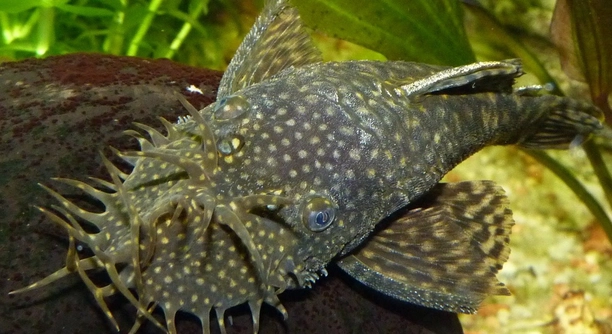
7 Signs Your Pleco Tank Needs Redesigning
Keeping a pleco happy and healthy requires more than just feeding it regularly. Many owners underestimate how much space and care these fish really need to thrive in a tank environment. Adjustments are often necessary over time. A pleco tank may need redesigning if it shows signs of poor water circulation, inadequate hiding spaces, excessive … Read more
7 Signs Your Pleco Is Enjoying the Tank

Do you enjoy watching your pleco glide across the tank and wonder if it is happy in its environment? Observing these peaceful fish can be rewarding when you notice their natural behaviors and habits. Plecos exhibit signs of well-being through regular movement, healthy appetite, clean and intact fins, bright coloration, exploration of the tank, interaction … Read more

7 Easy Pleco Recipes You Can Make at Home

Have you ever wanted to cook something new with your favorite freshwater fish? Pleco can be a surprisingly versatile ingredient when prepared with simple, easy-to-follow methods that fit into any home kitchen. Cooking pleco at home can be straightforward by using basic ingredients and simple techniques. Recipes often include steaming, baking, or pan-frying the fish, … Read more

Do Bristlenose Plecos Respond to Colors?

Do you enjoy keeping aquariums but find yourself noticing your Bristlenose Plecos seem indifferent to their surroundings? These small catfish are fascinating creatures, and understanding their behavior can make caring for them more rewarding and enjoyable. Bristlenose Plecos do not exhibit strong responses to specific colors. Their behavior is influenced more by lighting, hiding spots, … Read more

7 Foods That Support Pleco Reproduction

Do you ever find yourself caring for plecos and wondering how to encourage successful breeding in your aquarium? Ensuring their health and reproductive success requires understanding the right foods that support growth and vitality. Proper nutrition can make a noticeable difference in their behavior and overall well-being, laying the foundation for successful reproduction. Certain foods … Read more

Can Bristlenose Plecos Get Depressed?

Many aquarium enthusiasts enjoy keeping bristlenose plecos for their algae-eating habits and unique appearance. Observing their behaviors can be rewarding, but it is important to notice subtle changes that might indicate stress or health concerns. Bristlenose plecos can show signs of depression-like behavior, often linked to poor water conditions, lack of stimulation, or social stress. … Read more

Can Plecos Live With Other Bottom Dwellers?

Do you ever find yourself rearranging your aquarium, trying to make sure all your fish get along? Plecos are popular, peaceful fish, but keeping them with other bottom dwellers can sometimes feel tricky to manage properly. Plecos can coexist with other bottom-dwelling fish under certain conditions. Tank size, hiding spots, and compatible species are critical … Read more

7 Foods That Plecos Will Happily Graze On

Are your plecos constantly searching for food along the tank walls, leaving you wondering what snacks will truly satisfy their grazing habits? Plecos enjoy a diverse diet consisting of algae wafers, blanched vegetables, sinking pellets, and fresh greens. These foods provide essential nutrients, mimic their natural feeding behavior, and promote their overall health, making them … Read more

Can Bristlenose Plecos Thrive Without Caves?

Have you ever noticed your Bristlenose Pleco exploring every corner of the tank and wondered if it truly needs a cave to stay healthy and content? Bristlenose Plecos can survive without caves, but they do not thrive. Caves offer security, reduce stress, and provide essential breeding spaces. Without them, Plecos may become anxious, territorial conflicts … Read more

Why Your Pleco Prefers Lower Tank Levels

Are your plecos hiding at the bottom of the tank more often than swimming near the top? Many owners notice this behavior and wonder why their fish prefer lower water levels in their aquarium environment. Plecos prefer lower tank levels due to their natural instincts and environmental needs. Reduced water height offers a sense of … Read more