
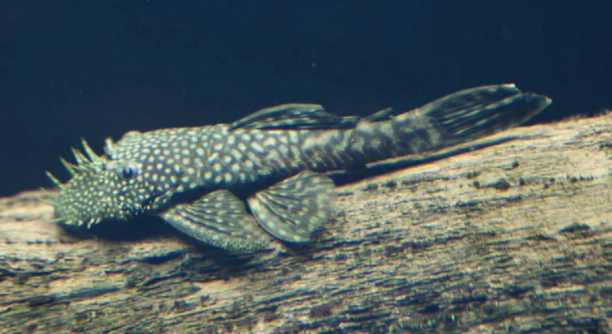
Are your plecos constantly searching for food along the tank walls, leaving you wondering what snacks will truly satisfy their grazing habits?
Plecos enjoy a diverse diet consisting of algae wafers, blanched vegetables, sinking pellets, and fresh greens. These foods provide essential nutrients, mimic their natural feeding behavior, and promote their overall health, making them thrive in both home and community aquariums.
From leafy greens to nutrient-packed wafers, each food type supports their wellbeing and enhances their natural grazing instincts beautifully.
Algae Wafers and Fresh Greens
Algae wafers are one of the most reliable foods for plecos. They are rich in nutrients and replicate the natural algae growth these fish graze on in the wild. Most wafers sink quickly, allowing plecos to feed at the bottom without competition from top-dwelling fish. Along with wafers, fresh vegetables like zucchini, cucumber, and spinach provide fiber and essential vitamins that keep plecos active and healthy. Blanching these vegetables before feeding helps soften them, making it easier for plecos to nibble. Offering a mix of both ensures a balanced diet that supports their digestive health and maintains their vibrant appearance.
Regularly rotating between algae wafers and vegetables gives your plecos variety while preventing them from losing interest in their food. This approach also encourages consistent grazing behavior that mirrors their natural feeding patterns.
Keeping your plecos healthy means maintaining a steady feeding routine. Feed them small amounts daily, removing any uneaten vegetables within 24 hours to prevent water contamination. Observe their eating habits—if they appear less active or their color fades, it may signal nutritional gaps. A good mix of wafers and greens not only satisfies their appetite but also supports long-term health and tank cleanliness. Plecos thrive when their meals reflect their natural instincts and dietary balance.
Sinking Pellets and Driftwood
Sinking pellets are another excellent food choice for plecos, especially in community tanks. They sink quickly and provide proteins that supplement their plant-based diet, ensuring balanced nutrition. Driftwood, on the other hand, isn’t just decoration—it’s an important part of a pleco’s diet and digestion process.
Pellets formulated for bottom feeders offer extra nutrients like spirulina and plant matter, catering to plecos’ omnivorous nature. Driftwood provides fiber and helps maintain a healthy digestive system by encouraging natural scraping behavior. Many plecos rely on this habit to keep their teeth trimmed, preventing overgrowth. When combined with pellets, driftwood allows for both nutritional and behavioral enrichment. It also supports beneficial bacteria growth, contributing to a healthier tank environment. Make sure the wood is aquarium-safe and free from chemicals or sharp edges. By providing pellets and driftwood together, you give your plecos the foundation for a strong immune system and a more active, natural lifestyle.
Blanched Vegetables and Leafy Greens
Blanched vegetables such as zucchini, cucumber, and spinach are among the healthiest foods for plecos. They soften easily in warm water, making them ideal for grazing and helping plecos maintain proper digestion while receiving important vitamins and minerals.
Adding a variety of greens keeps your plecos interested in their meals. Zucchini is particularly popular due to its texture and mild taste. Spinach and kale add valuable iron and fiber, supporting healthy coloration and vitality. It’s best to secure the vegetables to the tank bottom using clips or weights, preventing them from floating away. Remove leftovers after a few hours to maintain water quality. Regular feeding with blanched vegetables can significantly improve energy levels and encourage consistent grazing behavior.
Leafy greens like lettuce or cabbage offer extra variety and hydration. These foods replicate the plant-based diet plecos would find in natural environments. Rotating greens each week ensures balanced nutrition while preventing boredom. Feeding smaller pieces more frequently works better than offering large portions that might go uneaten. This method minimizes waste and keeps your aquarium cleaner. Over time, you’ll notice healthier activity levels, brighter colors, and improved overall wellbeing when vegetables and greens become a regular part of their diet.
Protein Supplements and Natural Snacks
While plecos primarily eat plants, small portions of protein supplements can benefit them greatly. Occasional servings of shrimp pellets or bloodworms provide necessary amino acids that aid in growth, tissue repair, and overall vitality without disrupting their plant-based feeding habits.
Too much protein can cause digestive problems, so moderation is essential. Feeding protein once or twice a week is sufficient. Natural snacks such as algae-covered rocks, driftwood, or biofilm in the tank add enrichment while supporting gut health. These encourage plecos to stay active and engaged with their surroundings. When balanced correctly, the combination of plant foods and limited protein ensures healthy growth, strong immunity, and steady energy levels. Always monitor their eating habits to adjust feeding frequency based on size, age, and tank conditions. A well-balanced diet with occasional protein keeps plecos thriving and naturally beautiful.
Fresh Fruits and Occasional Treats
Fresh fruits can be given as light treats for plecos. Small slices of melon, mango, or papaya offer natural sugars and vitamins that help boost their energy. Always remove leftovers quickly to prevent the water from becoming cloudy.
Feeding fruit once every few weeks is enough. It adds variety to their diet without overwhelming their digestive system. Soft fruits like cucumber or melon are preferred since they are easy to eat and digest. Moderation keeps your plecos healthy while offering them an enjoyable change from their regular meals.
Homemade Pleco Food Mix
Homemade food mixes allow you to control what goes into your plecos’ diet. Combining blanched vegetables, spirulina powder, and a touch of gelatin creates a balanced blend that sinks quickly and holds its shape underwater. This method ensures consistent nutrition and reduces the risk of uneaten food floating around. Preparing small batches is more efficient and keeps the mixture fresh. Store the portions in the freezer, then thaw before feeding. Homemade mixes can be tailored to your plecos’ preferences, giving you full control over ingredients and nutrient quality while encouraging healthy feeding habits and vibrant coloration.
Feeding Schedule and Routine
Feeding plecos at night works best since they are naturally nocturnal grazers. Offer food once daily in small portions, removing any leftovers by morning. A consistent feeding schedule keeps them active, healthy, and prevents overfeeding or unnecessary waste buildup in the tank.
FAQ
What is the best staple food for plecos?
Algae wafers are the best staple food for plecos because they closely mimic their natural diet. These wafers provide fiber, plant-based nutrients, and essential minerals that support digestion and immune health. They sink quickly, allowing plecos to feed comfortably at the tank’s bottom. Offering a consistent supply ensures they receive proper nutrition while maintaining a clean tank. You can supplement wafers with vegetables for a more varied and balanced diet.
How often should plecos be fed?
Plecos should be fed once daily, preferably at night, since they are most active after lights are off. Provide small portions that they can finish within a few hours. Overfeeding can cause water pollution and lead to health problems. If food remains in the morning, reduce the portion slightly. Observing their eating habits helps you determine the right amount. Consistency in feeding times helps maintain their natural grazing rhythm and keeps them active and healthy.
Can plecos eat human food like lettuce or cucumber?
Yes, plecos can safely eat vegetables like lettuce, cucumber, spinach, and zucchini. These foods are healthy and easy to digest when blanched briefly in hot water. Blanching softens the vegetables, making it easier for plecos to graze. Avoid seasoning or adding oils, as these can harm aquarium conditions. Offer small slices secured with clips or weights to keep them submerged. Remove leftovers after a few hours to maintain water quality and prevent bacterial growth.
Do plecos need driftwood in their tank?
Many pleco species require driftwood for proper digestion and overall health. Driftwood provides natural fibers that aid in breaking down food and keeping their digestive system regular. It also supports the growth of biofilm, a nutritious surface that plecos love to graze on. Beyond nutrition, driftwood gives them a sense of security and a place to hide. Always choose aquarium-safe wood free from chemicals or dyes, and rinse it thoroughly before adding it to the tank.
Is protein necessary for plecos?
Yes, plecos benefit from small amounts of protein in their diet. While they mainly eat plant-based foods, occasional protein sources like shrimp pellets or bloodworms help support growth and tissue repair. However, feeding too much protein can cause digestive problems. Limit these treats to once or twice a week. For herbivorous species, prioritize plant foods and use protein only as a supplement. Balanced feeding prevents health issues and keeps plecos thriving in the long run.
Can plecos survive on algae alone?
No, algae alone is not enough for plecos to thrive. While they enjoy grazing on it, algae lacks the full range of nutrients they need. Supplementing their diet with wafers, vegetables, and sinking pellets ensures complete nutrition. In tanks with little natural algae, plecos can become malnourished if not provided with proper food. Regular feeding supports steady growth, bright colors, and a longer lifespan. Algae should be viewed as a bonus, not the main food source.
What vegetables should be avoided?
Avoid feeding plecos vegetables that are starchy or high in sugar, such as potatoes, peas, or corn. These can cause bloating and water contamination. Acidic vegetables like tomatoes should also be avoided, as they may upset their digestive system. Stick to soft greens such as zucchini, cucumber, spinach, or kale. Always blanch vegetables before feeding to soften them and remove potential pesticides. A simple, clean diet of low-sugar vegetables keeps plecos healthy and active.
Why do plecos stop eating sometimes?
Plecos may stop eating due to stress, poor water quality, or temperature changes. Check ammonia and nitrate levels, as imbalances can quickly affect appetite. Ensure the tank temperature stays within the ideal range for their species. Another reason may be a lack of nighttime feeding opportunities—since plecos are nocturnal, they might ignore food during the day. Reintroduce feeding after dark and provide familiar foods like algae wafers or cucumber slices. Once conditions improve, their appetite usually returns.
How can I tell if my pleco is healthy?
A healthy pleco is active, alert, and shows consistent grazing behavior. Its colors should appear rich and even, without faded patches or lesions. A slightly rounded belly indicates proper feeding, while a sunken appearance suggests undernourishment. Clean, clear eyes and intact fins are also good signs of health. Watch for excessive hiding or reduced movement, as these can signal stress or illness. Regular tank maintenance, varied feeding, and stable water conditions are the best ways to maintain good health.
Can plecos live without algae wafers?
Yes, plecos can survive without algae wafers if their diet includes other suitable plant-based foods. Blanched vegetables, sinking pellets, and occasional fruit treats can provide similar nutrients. However, wafers offer a convenient, balanced option that ensures they receive essential vitamins and minerals. If avoiding commercial wafers, be consistent with homemade or natural alternatives. Make sure the food sinks easily and remains accessible at night. A well-planned diet without wafers can still support a healthy, thriving pleco.
Final Thoughts
Caring for plecos is about more than just keeping them fed—it’s about understanding their natural habits and providing a balanced diet that mirrors their environment. These fascinating bottom dwellers thrive when offered a variety of foods that cater to their grazing instincts. Algae wafers, blanched vegetables, sinking pellets, and occasional protein sources all play an important role in their overall wellbeing. Each food type provides essential nutrients that support digestion, enhance coloration, and promote steady growth. By combining these different options, you create a natural feeding rhythm that helps your plecos remain active and content. Feeding them with care ensures they stay healthy and continue displaying their unique behaviors that make them such a joy to observe.
Maintaining consistency is equally important. Plecos rely on stable feeding times and a clean environment to stay in good health. Overfeeding can quickly lead to waste buildup, poor water quality, and stress, so portion control is key. Feeding at night aligns with their nocturnal habits, allowing them to eat comfortably while the tank remains peaceful. It’s also helpful to monitor what they eat and how much they leave behind. Small adjustments can make a big difference in their overall health and the cleanliness of the aquarium. Watching your plecos graze naturally across driftwood or vegetables is a good sign—they are content and thriving under proper care.
A balanced diet, clean water, and observation go hand in hand when caring for plecos. They are resilient, adaptable fish that respond well to consistent routines and thoughtful feeding choices. Introducing new foods occasionally keeps them interested and supports a wider range of nutrients. Including driftwood, natural algae, and fresh greens in their habitat creates a feeding environment that feels natural and enriching. Each small effort contributes to their long-term health and vitality. When cared for properly, plecos can live for many years, becoming a calm and steady presence in your aquarium. Their quiet nature and gentle movements bring balance to any tank, making them more than just algae eaters—they are essential members of a well-maintained aquatic community. By understanding their needs and feeding them wisely, you help your plecos flourish and enjoy a life that closely reflects the calm, steady rhythm of nature.

Hello,
If you enjoy the content that we create, please consider saying a "Thank You!" by leaving a tip.
Every little bit helps us continue crafting quality advice that supports the health, happiness, and well-being of pets around the world, for pets of all shapes, sizes, and species.
We really appreciate the kindness and support that you show us!