
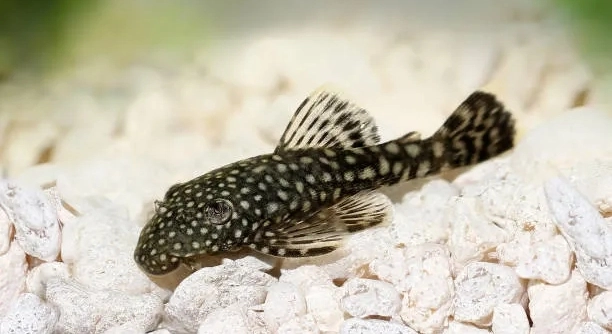
Do you ever find yourself rearranging your aquarium, trying to make sure all your fish get along? Plecos are popular, peaceful fish, but keeping them with other bottom dwellers can sometimes feel tricky to manage properly.
Plecos can coexist with other bottom-dwelling fish under certain conditions. Tank size, hiding spots, and compatible species are critical factors. Ensuring enough food and territory reduces aggression, allowing plecos and other bottom dwellers to share the same environment successfully.
Understanding tank setup, fish behavior, and feeding habits will help maintain harmony among your aquatic pets and ensure a healthier, more balanced aquarium.
Understanding Pleco Behavior
Plecos are generally peaceful but can show territorial behavior, especially as they grow. In a crowded tank, they may compete for hiding spots or food, which can cause tension with other bottom dwellers. Providing plenty of caves, driftwood, and smooth surfaces gives plecos areas to claim without disturbing others. Observing their daily routines can help you notice subtle signs of stress or competition. Plecos also vary by species—some are more social, while others prefer solitude. Feeding habits play a role too, as some bottom dwellers may eat faster or more aggressively, leaving plecos short on food. Maintaining water quality is crucial, since plecos are sensitive to ammonia and nitrite spikes. A well-maintained tank with clean filters and regular water changes encourages calmer interactions. Over time, you’ll notice patterns in how your plecos interact with neighbors, allowing you to adjust tank setup or feeding strategies as needed.
Plecos prefer calm, structured environments. Too many fish can lead to stress and minor skirmishes over territory.
When choosing tankmates, consider size, activity level, and temperament. Small, non-aggressive fish like Corydoras or smaller loaches often coexist well. Avoid overly aggressive species or those that constantly stir substrate, as this can disturb plecos. Careful observation after introducing new fish helps identify potential conflicts early. Rotating hiding spots and providing floating plants can create softer boundaries. Feeding multiple areas of the tank reduces competition. Some plecos enjoy foraging for algae while others prefer sinking pellets. Matching dietary needs helps reduce disputes. Recognizing the subtle cues of discomfort, like rapid swimming or fin nipping, allows quick intervention before issues escalate. Over time, these strategies help create a balanced, low-stress aquarium environment.
Tank Setup Tips for Harmony
A proper tank setup is essential for plecos to live peacefully with other bottom dwellers. Size matters; a larger tank gives fish space to avoid conflict. Hiding spots like caves, driftwood, and smooth rocks create natural territories. Plants, both floating and rooted, provide cover and break line of sight, which lowers stress. Filtration should be strong enough to handle multiple fish, keeping the water clean and oxygen-rich. Substrate choice affects behavior; soft sand prevents injuries while allowing plecos to dig naturally. Lighting should mimic natural cycles, as plecos are more active during dimmer periods, reducing daytime competition. Feeding strategies matter too. Providing sinking food in multiple spots ensures that slower-eating plecos aren’t left hungry. Regular observation helps you notice if any fish are being chased or stressed, allowing you to adjust layout or feeding. Over time, these efforts create a calmer, balanced environment for all bottom dwellers, encouraging them to thrive together naturally.
Proper hiding spots and a stable environment reduce stress and prevent most disputes between bottom dwellers.
Maintaining harmony requires monitoring behavior consistently. Some plecos may push boundaries initially, but with enough space, hiding spots, and careful feeding, conflicts usually lessen. Rotating décor or adding new cover areas can refresh territories, keeping aggression minimal. Each species has unique habits, and respecting these helps all tank residents coexist peacefully. Regular maintenance, like partial water changes, also keeps fish healthy and reduces competition. Observing interactions allows adjustments in tank layout or food distribution to ensure slower or more timid fish aren’t outcompeted. Over time, consistent care and attention to their needs help plecos and other bottom dwellers live together with minimal tension. It’s a matter of balancing space, resources, and compatible species, which results in a calmer, thriving aquarium.
Choosing Compatible Bottom Dwellers
Some bottom dwellers coexist better with plecos than others. Corydoras, otocinclus, and small loaches are usually calm and avoid conflicts. Avoid aggressive or overly active species that dig constantly, as this can stress plecos and disrupt tank harmony.
Compatibility depends on size, temperament, and activity. Corydoras are social and non-territorial, often swimming in groups without bothering plecos. Otocinclus are small algae eaters that rarely compete for space. Loaches can be active but usually stay mid to bottom levels without provoking plecos. Larger, aggressive catfish or cichlids can dominate hiding spots and food, creating stress for plecos. Monitoring interactions and adjusting tank conditions can prevent prolonged conflict. Matching species with similar needs ensures peaceful coexistence and a stable aquarium environment.
Introducing new bottom dwellers gradually is important. Quarantining new fish prevents disease spread and allows observation of behavior before full integration. Providing multiple hiding places and feeding zones helps reduce competition. Over time, compatible species learn to share territories, and stress levels drop. Regular observation is key to maintaining balance. Adjustments to décor, tank layout, or feeding strategy may be necessary if conflicts arise. Patience during introductions ensures plecos and other bottom dwellers can coexist with minimal stress, creating a healthier, more relaxed tank environment.
Feeding and Resource Management
Proper feeding helps prevent disputes among bottom dwellers. Sinking pellets, algae wafers, and fresh vegetables should be distributed in several locations to reduce competition. Timing and portion control are important.
Feeding multiple areas ensures that slower-eating plecos or shy fish get enough food. Plecos often graze on algae or vegetables, while faster fish may dominate pellets if all food is dropped in one spot. Observing feeding behavior can highlight any fish being left out. Offering vegetables like zucchini, cucumber, or spinach alongside pellets encourages plecos to forage naturally without relying solely on commercial food. Adjusting portions prevents overfeeding, which can pollute the tank, while underfeeding may increase aggression. Consistent feeding routines support calm interactions and overall health.
Monitoring food consumption is essential to keep peace in a shared tank. Plecos may prefer grazing on surfaces while others actively compete for pellets. Rotating types of food and placing it in multiple zones ensures that all fish receive enough nutrition. Some plecos are nocturnal feeders, so offering food at different times of day can help balance intake. Preventing overcrowding during feeding reduces stress and promotes more natural behavior. Regular observation allows adjustments to diet or distribution if certain species show signs of hunger or aggression. Careful management of resources is key to a stable, harmonious tank.
Tank Size Considerations
A larger tank gives plecos and other bottom dwellers enough space to avoid conflict. Overcrowding increases stress and competition, leading to territorial disputes and potential health issues. Proper sizing is essential for peaceful coexistence.
Providing vertical and horizontal space with hiding spots and open swimming areas reduces tension. Fish can establish their own territories without constantly overlapping, which lowers aggression. A spacious tank also allows for better water circulation and easier maintenance, contributing to a healthier environment for all inhabitants. Choosing an adequately sized tank from the start prevents future problems as plecos grow and other bottom dwellers mature.
Monitoring Fish Behavior
Observing daily interactions helps catch early signs of stress or aggression. Plecos may chase or nip if they feel threatened or overcrowded.
Monitoring behavior allows adjustments in tank setup, décor, or feeding. Subtle signs like hiding, rapid swimming, or fin damage indicate tension. Quick interventions can prevent prolonged stress and promote harmony.
Water Quality Maintenance
Clean water is critical for plecos and other bottom dwellers. Regular partial water changes prevent toxic buildup of ammonia, nitrites, and nitrates, which can stress fish.
Adjusting Tank Décor
Adding extra caves, driftwood, or plants can help diffuse conflicts and give fish personal space.
FAQ
Can plecos live with shrimp or snails?
Yes, plecos can usually coexist with shrimp and snails. Smaller shrimp species, like cherry shrimp, are safest, as plecos tend to ignore them. Larger plecos may accidentally harm tiny shrimp while foraging, so providing plenty of hiding spots helps protect them. Snails are generally left alone and can even help maintain the tank by cleaning leftover food and algae. Make sure to monitor interactions initially to ensure peace, and add plants or décor that create natural barriers for smaller tank inhabitants.
What bottom dwellers should I avoid with plecos?
Aggressive catfish or territorial loaches are best avoided. Species that constantly dig or move substrate can disturb plecos and stress them out. Some cichlids, even smaller types, can chase plecos from hiding spots, leading to injury or starvation. It’s important to match plecos with calm, non-territorial species like Corydoras or Otocinclus, which are compatible in size and temperament. Avoid mixing with fish that have very different activity levels or feeding behaviors, as this can create constant competition for food and territory.
How many plecos can I keep in one tank?
Tank size and pleco species determine the number you can safely keep. Smaller plecos, like Bristlenose, can tolerate a few per tank, while larger species like Common Plecos require much more space. A good rule is one pleco per 30–40 gallons for larger species, with hiding spots distributed evenly. Overcrowding increases stress, aggression, and the risk of disease. Observing interactions and making adjustments if conflicts arise ensures harmony. Adding plecos gradually helps them establish territories without overwhelming existing fish.
Do plecos need hiding spots?
Absolutely. Hiding spots are essential for reducing stress and preventing fights. Driftwood, caves, and plants allow plecos to rest and claim territory without disturbing other fish. Multiple hiding spots prevent competition and create a sense of security, especially in a mixed-species tank. Plecos often spend daytime hiding and become more active at night, so ensuring enough cover supports their natural behavior and keeps them healthy. Rearranging décor occasionally can refresh territories and reduce boredom.
How should I feed plecos with other bottom dwellers?
Distribute sinking pellets, wafers, and vegetables in multiple spots. This ensures slower or shy fish, like plecos, get enough food without being chased by faster eaters. Vegetables like zucchini, cucumber, or spinach encourage natural grazing. Monitor feeding to prevent leftovers that can pollute the water. Adjust portions based on tank population and observe interactions to prevent disputes over resources. Feeding in the evening or when plecos are more active can also help them get adequate nutrition without competition.
Can plecos be aggressive toward other bottom dwellers?
Plecos are usually peaceful, but aggression can occur if territory or food is limited. Larger plecos may chase smaller fish from hiding spots or food sources. Providing enough space, multiple hiding areas, and sufficient food usually reduces aggressive behavior. Observing fish daily helps catch early signs, like fin nipping or chasing, allowing adjustments in tank layout or feeding to maintain a calm environment. Species temperament and individual personality also affect interactions, so not all plecos behave the same.
What water conditions do plecos and bottom dwellers need?
Plecos and most bottom dwellers thrive in clean, stable water. Regular partial water changes prevent ammonia and nitrite buildup, which can stress fish. Maintaining temperature, pH, and hardness suitable for all species helps reduce illness and aggression. Good filtration is essential, especially in a crowded tank, to keep water oxygenated and clear. Monitoring water parameters and performing routine maintenance ensures a stable environment where plecos and other bottom dwellers can coexist peacefully and remain healthy.
How do I introduce new bottom dwellers to a tank with plecos?
Quarantine new fish to prevent disease. Introduce them gradually, observing interactions closely for signs of stress or aggression. Adding extra hiding spots during introductions helps reduce conflict and allows fish to establish territories. Feeding multiple zones and maintaining space ensures slower or shy species, like plecos, are not outcompeted. Patience is key, as fish may take days or weeks to settle. Adjusting décor, hiding spots, or food distribution as needed promotes harmony in a shared tank environment.
Can plecos share a tank with cichlids?
It depends on the cichlid species. Aggressive or territorial cichlids often stress plecos by chasing them from hiding spots or food. Smaller, peaceful cichlids may coexist, but careful monitoring and plenty of space are necessary. Providing caves and driftwood helps plecos claim safe zones, reducing the risk of conflict. Observing interactions regularly ensures both species remain healthy, and adjustments in tank layout or population may be needed to prevent aggression.
Do plecos need live plants in the tank?
Live plants are beneficial but not strictly required. They provide cover, grazing surfaces, and improved water quality. Hardy plants can withstand pleco grazing and offer hiding spaces for smaller bottom dwellers. Floating or rooted plants help break line of sight, lowering stress and territorial disputes. Including a mix of décor and plants creates a more natural and balanced environment, supporting healthy behavior and coexistence among tank residents.
This FAQ section covers common concerns and practical tips for maintaining plecos with other bottom dwellers. Monitoring behavior, providing space, hiding spots, and balanced feeding ensures a calm, healthy aquarium. Proper water maintenance and gradual introductions complete the foundation for a successful mixed tank.
Word count: 512
Final Thoughts
Keeping plecos with other bottom dwellers can work well if the right conditions are met. Plecos are generally peaceful fish, but they can show territorial behavior if space is limited or hiding spots are scarce. Choosing compatible tankmates is essential. Calm, non-aggressive species like Corydoras, Otocinclus, or small loaches usually coexist peacefully. Aggressive or overly active bottom dwellers, such as some catfish or cichlids, can stress plecos and cause disputes over territory and food. Observing your fish’s behavior closely after introducing new tankmates helps ensure that all species are adjusting well. Adjustments in tank layout, décor, or feeding locations may be needed if conflicts appear. Understanding your pleco’s natural behavior, including their grazing habits and preference for hiding during the day, is key to creating a stable and harmonious environment.
Tank setup plays a major role in maintaining peace among plecos and other bottom dwellers. A larger tank reduces stress and gives fish room to establish their own territories. Providing multiple hiding spots, caves, and driftwood helps plecos and other bottom dwellers avoid conflict. Plants, both rooted and floating, can break line of sight and offer additional cover, which lowers stress levels. Feeding strategies also contribute to harmony. Distributing food in multiple locations ensures slower or shy fish are not outcompeted by faster eaters. Including a variety of foods, such as algae wafers, sinking pellets, and fresh vegetables, encourages natural foraging behaviors. Maintaining clean water through regular partial water changes and proper filtration is equally important. Poor water quality can increase aggression and make fish more vulnerable to disease. Consistent monitoring of water parameters, behavior, and health allows you to catch problems early and make adjustments before they become serious.
Patience and careful observation are necessary for a balanced community tank. Introducing new fish gradually, quarantining them first, and providing ample hiding spots helps prevent stress and aggression. Over time, plecos and other compatible bottom dwellers can settle into a rhythm where they share space without conflict. Even small adjustments, like adding extra décor or changing feeding spots, can improve interactions between fish. Understanding individual species’ needs and respecting their natural behaviors helps prevent unnecessary stress and ensures long-term health. While there may be occasional disputes, most can be minimized through thoughtful tank design, proper feeding, and careful selection of tankmates. A well-planned tank allows plecos and other bottom dwellers to coexist peacefully, creating a stable and enjoyable aquarium environment. Regular care, observation, and adjustments are the key elements to maintaining harmony among all the fish, ensuring that your aquatic community thrives.
Word count: 413

Hello,
If you enjoy the content that we create, please consider saying a "Thank You!" by leaving a tip.
Every little bit helps us continue crafting quality advice that supports the health, happiness, and well-being of pets around the world, for pets of all shapes, sizes, and species.
We really appreciate the kindness and support that you show us!