
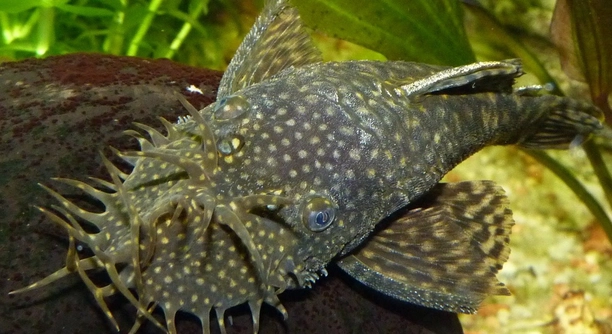
Are your plecos hiding at the bottom of the tank more often than swimming near the top? Many owners notice this behavior and wonder why their fish prefer lower water levels in their aquarium environment.
Plecos prefer lower tank levels due to their natural instincts and environmental needs. Reduced water height offers a sense of security, allows easier access to surfaces for grazing, and mimics their preferred habitats in the wild.
Understanding these habits can improve your aquarium setup and help maintain your pleco’s comfort, health, and natural behaviors effectively over time.
Understanding Pleco Behavior
Many pleco owners notice that their fish spend most of their time at the bottom of the tank. This behavior is linked to their natural instincts. Plecos are nocturnal and prefer darker, quieter areas, which makes lower tank levels ideal. Being close to the substrate allows them to feel safe while resting or grazing. In the wild, plecos inhabit rivers and streams with submerged rocks and crevices. These areas provide shelter and protection from predators. Keeping plecos in a tank with too much open water can stress them, as they lack hiding spots and feel exposed. Adding driftwood, plants, and caves encourages natural behaviors. Lower water levels also make it easier for plecos to access surfaces where algae grow, which is a primary food source. Observing how they interact with these spaces can help you better understand their preferences and maintain a healthier, more comfortable environment.
Lower tank levels help plecos feel secure while providing easy access to surfaces for grazing.
Plecos often show signs of stress if tank conditions do not mimic their natural habitat. High water levels without hiding places can lead to erratic swimming, reduced feeding, or increased aggression. Providing adequate cover, such as driftwood, rocks, and plants, allows them to exhibit natural behaviors and remain active during their feeding times. Water temperature, pH levels, and filtration also affect comfort. Maintaining stable conditions ensures their health and longevity. Observing plecos closely can reveal subtle preferences, helping you make adjustments that align with their instincts.
Tank Setup for Comfort
A lower water level can make it easier to maintain cleanliness and observe fish behavior.
To create a comfortable tank, start by keeping water at a level that allows easy access to hiding spots. Adding driftwood and broad-leaf plants offers surfaces for grazing and areas to rest. Ensure that filtration does not create strong currents that stress the fish. Substrate selection matters, as plecos often explore the bottom for food and enrichment. Regular water changes maintain cleanliness, preventing excess debris buildup. Light intensity should be moderate to mimic their natural environment, supporting nocturnal behavior. Temperature and pH must remain stable, with gradual adjustments to avoid shocking the fish. Providing a structured environment not only encourages natural activity but also reduces stress and promotes healthy growth. By paying attention to these details, your pleco will thrive, and you can enjoy observing natural behaviors without interference.
Feeding and Grazing Habits
Plecos spend most of their time at the bottom to graze on algae and detritus. Their feeding habits are naturally slow, and lower tank levels give them better access to surfaces, making it easier to find food without unnecessary energy expenditure.
Plecos are primarily herbivorous, though some species eat small invertebrates. They scrape algae off driftwood, rocks, and tank walls, which keeps both them and the tank clean. Feeding supplemental vegetables like zucchini, cucumber, or spinach ensures balanced nutrition. Lower water levels allow plecos to reach feeding areas more efficiently and reduce stress during feeding times. Observing when and where they eat can help you adjust placement of food and decorations to encourage healthy grazing patterns, improving both fish health and tank hygiene.
Providing areas rich in algae and surfaces for grazing helps plecos stay active and maintain natural behaviors. Tank decorations and feeding strategies should consider their need to explore and feed efficiently, promoting well-being.
Water Conditions and Comfort
Maintaining stable water conditions is essential for plecos, as fluctuations in temperature or pH can stress them. Lower tank levels make it easier to monitor and manage these factors consistently.
Plecos thrive in water with moderate flow and stable parameters. Temperature should remain within the species-specific range, usually between 73°F and 82°F, and pH should be slightly acidic to neutral. Strong currents may tire them, so adjusting filtration and using hiding spots near water flow helps them rest. Lower water levels allow oxygen exchange while simplifying maintenance, making it easier to clean debris or remove uneaten food. Regular monitoring ensures a balanced environment, preventing stress-related issues such as disease or reduced appetite. Observing pleco behavior daily gives insight into comfort levels and allows timely adjustments to tank conditions.
Adjusting water levels to match natural habitats, combined with consistent temperature and pH, supports pleco health. Tank setup, filtration, and monitoring all play a role in reducing stress and encouraging active, natural behavior.
Shelter and Hiding Spots
Plecos feel safest near the bottom where they can hide. Providing caves, driftwood, or dense plants helps them reduce stress and mimic their natural environment.
Hiding spots also give plecos a place to rest and avoid strong currents. Lower water levels make these areas more accessible, ensuring they use them regularly for comfort and security.
Light Sensitivity
Plecos are sensitive to bright lighting. Too much light can cause them to retreat more often to shaded areas or remain hidden for long periods. Adjusting lighting intensity helps them feel secure while still allowing normal activity and grazing behaviors throughout the tank.
Observing Pleco Behavior
Watching plecos interact with their environment can reveal subtle preferences. Note where they spend time, how they feed, and when they rest to optimize tank setup and maintain their well-being.
FAQ
Why does my pleco stay at the bottom all the time?
Plecos naturally prefer lower areas because it feels safer and more secure. Being near the bottom allows them to hide and rest without feeling exposed. It also makes grazing on algae and detritus easier, as they can reach surfaces more efficiently.
Is it normal for plecos to avoid the top of the tank?
Yes, most plecos are nocturnal and shy. Open water can feel threatening, especially without sufficient hiding spots. Keeping driftwood, plants, and rocks encourages them to explore while still feeling protected. Lower water levels also reduce stress by making the environment feel less exposed.
Can plecos live in tall tanks?
Plecos can live in taller tanks, but the lack of accessible hiding spots may stress them. If your tank is deep, adding caves or broad leaves near the middle and bottom will give plecos areas to feel safe. Maintaining lower water levels temporarily can help them adjust.
Do plecos need light to be healthy?
Plecos do not require bright light. They prefer dim lighting to mimic their natural habitats. Too much light can cause them to hide excessively or become stressed. Using subdued lighting and shaded areas helps them stay active and maintain natural behaviors.
Why does my pleco graze mostly at night?
Being nocturnal, plecos are more active during the evening and night. They feed when it’s darker because it reduces the risk of predators and allows them to forage more comfortably. Providing hiding spots during the day helps them rest undisturbed.
Should I worry if my pleco hides a lot?
Hiding is normal, but extreme hiding or lethargy can indicate stress or illness. Monitor water parameters, temperature, and tank cleanliness. Ensure proper nutrition and check for signs of disease to keep your pleco healthy.
How can I encourage my pleco to explore more?
Adding multiple hiding spots, driftwood, plants, and flat surfaces encourages exploration. Feeding vegetables or algae wafers near different areas can motivate movement. Lowering water slightly or adjusting flow makes the environment more comfortable and accessible.
Do plecos need a lot of swimming space?
Plecos need space to move, but they do not swim in open water constantly. They prefer structured areas for grazing and hiding. Ensure your tank has enough horizontal space and substrate for them to navigate naturally.
Why does my pleco sometimes rest vertically on surfaces?
Plecos resting vertically on surfaces is normal. This behavior allows them to graze efficiently or cling to surfaces with suction while remaining close to shelter. Vertical surfaces such as driftwood or tank walls provide both food access and security.
Can plecos live without caves or plants?
Plecos can survive, but their comfort and natural behaviors may be limited. Lack of hiding spots increases stress, reduces grazing activity, and may shorten lifespan. Providing structured areas ensures health and encourages natural instincts.
How often should I feed my pleco?
Plecos benefit from daily grazing supplemented with vegetables or algae wafers. Overfeeding can pollute water, so provide amounts they can consume within a few hours. Observing their behavior helps determine the right feeding schedule.
Do plecos like company of other fish?
Plecos are generally peaceful but can be territorial with other bottom-dwellers. They coexist better with mid- and top-level swimming fish. Providing adequate hiding spaces reduces conflict and allows plecos to feel secure while sharing the tank.
Is water level important for pleco health?
Yes, water level affects comfort, stress, and feeding efficiency. Lower water levels help them access hiding spots and grazing surfaces more easily. Maintaining stable water conditions ensures they remain healthy and exhibit natural behaviors consistently.
Can plecos jump out of the tank?
Yes, plecos can jump if stressed or searching for food. Ensuring the tank is covered and maintaining stable conditions reduces risk. Providing hiding spots and minimizing sudden changes helps keep them secure.
How do I know if my pleco is stressed?
Signs of stress include hiding constantly, loss of appetite, erratic swimming, or discoloration. Check water parameters, tank setup, and diet. Adjustments to hiding spots, water flow, and lighting can reduce stress and encourage natural activity.
Do plecos need specific water temperature?
Yes, most plecos thrive between 73°F and 82°F. Stable temperatures support metabolism, digestion, and immune health. Sudden fluctuations can cause stress or disease. Using a reliable heater and thermometer ensures consistency.
Is it necessary to clean the tank often for plecos?
Regular cleaning is important to remove uneaten food, waste, and algae buildup. Lower water levels make maintenance easier, preventing debris from accumulating in hiding spots and ensuring healthier conditions for plecos.
Can plecos survive in small tanks?
Small tanks limit movement, reduce hiding areas, and can stress plecos. While they may survive, optimal health and behavior require larger, well-structured tanks with enough space for grazing and resting. Proper care is key.
Do plecos interact with owners?
Plecos are not social in the same way as other fish but may recognize feeding routines. They often observe movement near the tank, which can signal feeding time. Interaction is subtle and mostly behavior-driven rather than social.
How long do plecos usually live?
Plecos can live 10–15 years or more with proper care. Providing adequate hiding spots, consistent water conditions, balanced diet, and a stable environment supports longevity and overall health.
What should I do if my pleco seems unhealthy?
Check water parameters, diet, and tank setup first. Observe for signs of disease, parasites, or stress. Consult a veterinarian experienced with fish if symptoms persist. Quick adjustments can prevent further health decline.
Can plecos coexist with aggressive fish?
Aggressive tankmates can stress plecos. Keeping them with calmer, mid- or top-level swimmers and providing ample hiding spaces reduces conflict. Observing interactions helps ensure safety for all fish in the tank.
Do plecos need special decorations?
Yes, driftwood, caves, and broad-leaf plants mimic natural habitats and provide surfaces for grazing. Decorations also give plecos shelter, reduce stress, and encourage natural behavior. Lower water levels make these areas more accessible.
How do I know if my pleco is happy?
A healthy pleco grazes, explores hiding spots, and rests naturally. It shows normal coloration, steady growth, and active movement during feeding times. Observing behavior is the best indicator of comfort and well-being.
Can plecos tolerate different water pH levels?
Plecos prefer slightly acidic to neutral water. Significant deviations can stress them, reduce feeding, and increase disease risk. Consistent monitoring and gradual adjustments maintain a suitable environment.
What is the best substrate for plecos?
Soft sand or smooth gravel is ideal. Rough surfaces can damage fins or barbels. Substrate supports natural foraging behavior and allows plecos to interact with their environment safely. Driftwood or rocks complement the substrate.
Do plecos need hiding spots even if the tank is small?
Yes, hiding spots are essential regardless of tank size. They reduce stress, encourage natural behavior, and provide security. Even small tanks benefit from caves, driftwood, or dense plants to create accessible shelters.
How can I prevent pleco boredom?
Vary decorations, provide multiple grazing surfaces, and rotate vegetables or algae wafers. Adding new hiding spots or driftwood encourages exploration, keeping plecos active and mentally stimulated.
Do plecos breathe at the surface?
Some plecos gulp air occasionally. This behavior is normal, especially if oxygen levels are lower. Proper aeration, water movement, and regular maintenance ensure adequate oxygen without relying on surface breathing excessively.
Can plecos share a tank with shrimps or snails?
Plecos often coexist with shrimp and snails, as they generally do not attack them. Providing hiding spots and adequate food reduces competition, ensuring harmony among species while allowing natural grazing behavior.
Are plecos sensitive to noise or vibrations?
Plecos can react to sudden vibrations or loud noises, often hiding or remaining still. A stable, quiet environment supports comfort, encourages feeding, and reduces stress. Consistency in surroundings improves overall well-being.
How important is water filtration for plecos?
Filtration maintains clean water and stable parameters, essential for pleco health. Strong currents can be stressful, so adjust filters to provide gentle flow. Lower water levels help balance filtration effects and keep debris manageable.
Do plecos grow large in captivity?
Depending on the species, plecos can grow significantly, sometimes over a foot long. Adequate tank size, nutrition, and water conditions are necessary to support proper growth and prevent health issues associated with overcrowding.
How do I introduce a pleco to a new tank?
Acclimate slowly by floating the bag in the tank and gradually mixing water. Lower water levels and hiding spots help the pleco adjust safely. Avoid sudden changes in temperature, pH, or environment to reduce stress.
Can plecos tolerate slightly lower oxygen levels?
Plecos are hardy and can survive moderate oxygen variations, but long-term low oxygen causes stress. Proper aeration, water flow adjustments, and lower tank levels help maintain optimal breathing conditions.
Do plecos need a heater in winter?
Most plecos need stable temperatures year-round. A heater ensures warmth in cooler climates, preventing stress, slowed metabolism, and reduced appetite. Monitor temperature closely to maintain species-specific ranges.
How often should I check water parameters?
Regular checks, at least once a week, help maintain stable conditions. Monitoring temperature, pH, and ammonia/nitrite levels prevents stress, disease, and unhealthy conditions for your pleco.
Is it normal for plecos to hide during the day?
Yes, day hiding is typical due to their nocturnal nature. Hiding areas, driftwood, and plants allow resting and reduce exposure to light or perceived threats, supporting their natural routine.
Can plecos be aggressive toward their own species?
Some plecos are territorial, especially males. Providing multiple hiding spots and ample space reduces conflicts and encourages coexistence within the same species.
Do plecos need algae in the tank?
Algae is a primary food source and natural enrichment. While not strictly necessary if supplemented with vegetables and wafers, it encourages natural grazing and keeps the fish engaged with its environment.
How do I tell if my pleco is eating enough?
Monitor grazing activity, weight, and general health. A healthy pleco actively scrapes surfaces, consumes vegetables or wafers, and maintains normal behavior and appearance.
Can plecos survive in brackish water?
Most plecos are freshwater fish. Some species tolerate slight brackish conditions, but prolonged exposure can stress or harm them. Stick to freshwater parameters for general care.
Do plecos need a specific water hardness?
Plecos prefer soft to moderately hard water. Extreme hardness or softness may stress them. Consistent water chemistry supports health, feeding, and natural behaviors.
Can plecos coexist with bettas?
Generally, plecos do not bother bettas, and bettas typically ignore plecos. Ensure hiding spots and monitor interactions to prevent stress for either species.
How much algae wafer is too much?
Feeding more than what they can consume in a few hours leads to water pollution. Offer small portions, supplement with vegetables, and remove uneaten food to maintain healthy water.
Do plecos like strong currents?
Strong currents can stress plecos. Moderate flow simulates natural habitat but allows rest and grazing. Adjust filtration or use flow baffles to create gentle currents.
Why does my pleco sometimes cling to the glass?
Clinging allows them to graze or rest. Smooth surfaces provide a stable grip, which is natural behavior. Ensure glass is clean to prevent health issues and encourage safe clinging.
Can plecos adapt to new diets?
Yes, gradual changes work best. Introduce vegetables, wafers, or algae slowly while monitoring acceptance. Abrupt changes can cause stress or reduce feeding efficiency.
Do plecos need tankmates?
They do not require companionship but benefit from peaceful fish sharing the tank. Tankmates should occupy different levels to avoid stress or competition.
How do I prevent my pleco from overgrazing plants?
Provide alternative food sources like algae wafers or vegetables. Using hardy plants and arranging them strategically reduces overgrazing and ensures balance between decoration and nutrition.
Can plecos survive in unheated tropical tanks?
If water temperature remains within species-specific ranges naturally, plecos can survive. Temperature fluctuations outside optimal ranges can lead to stress or disease, so monitoring is important.
Are plecos active during the day at all?
Some activity may occur, especially during feeding, but peak activity remains nocturnal. Providing shaded areas allows natural behavior and comfort during daylight hours.
Do plecos prefer smooth or rough surfaces?
Plecos use both for grazing, but smooth surfaces prevent injury to fins and barbels. Rough surfaces like driftwood help scrape algae efficiently without harming the fish.
How important is a consistent feeding schedule?
Regular feeding supports digestion, reduces stress, and encourages healthy grazing behavior. Inconsistent feeding may lead to lethargy or overeating when food becomes available.
Do plecos need water changes frequently?
Yes, regular water changes maintain cleanliness and water quality. Removing debris and uneaten food prevents harmful buildup and ensures a healthier environment for natural behavior.
Can plecos survive without algae in the tank?
Yes, with supplemental vegetables and wafers, but algae provides natural grazing stimulation. A mix of both supports health and encourages natural foraging instincts.
Is it normal for plecos to scrape surfaces constantly?
Yes, scraping is a natural grazing behavior. It keeps surfaces clean and allows plecos to obtain nutrients while exercising natural instincts.
Do plecos need oxygen supplements?
If the tank is well-aerated, additional supplements are usually unnecessary. Proper flow, lower water levels, and plants maintain oxygen for healthy respiration.
Can plecos be kept with goldfish?
Plecos can coexist with goldfish if tank size allows. Ensure hiding spots and monitor interactions, as goldfish may disturb bottom areas during feeding.
Why does my pleco sometimes hide in plain sight?
Plecos feel secure in shaded or partially covered areas. Even in open areas, they may choose surfaces or corners that mimic hiding conditions while still remaining visible.
Do plecos enjoy driftwood?
Yes, driftwood provides surfaces for grazing, hides stress, and mimics natural habitat. It also helps maintain digestive health for herbivorous species.
Can plecos survive in tap water?
Only if treated and tested for chlorine, heavy metals, and pH. Safe water ensures health, proper feeding, and prevents stress or disease.
How long does it take for plecos to adjust to a new tank?
Adjustment can take several days to a few weeks. Providing hiding spots, stable water conditions, and low stress accelerates adaptation and encourages natural behavior.
Do plecos prefer warm or cooler water?
Plecos prefer moderately warm water, usually 73°F–82°F, depending on species. Consistent temperature supports metabolism, feeding, and overall health.
Can plecos eat meat-based foods?
Some species accept small amounts of protein, but primary diet should be herbivorous. Excess meat can cause digestive issues and affect health negatively.
Do plecos need sand or gravel?
Sand or smooth gravel is preferred for safe movement and grazing. It prevents injury to barbels and supports natural foraging behaviors.
How often should I change pleco tank decorations?
Changes are not necessary frequently but rotating driftwood or plants occasionally keeps grazing areas fresh. Ensure stability to prevent stress or injury.
Can plecos survive with fluctuating temperatures?
They tolerate small fluctuations, but extremes cause stress or disease. Maintaining stable conditions is critical for long-term health and natural behavior.
Do plecos like to rest during the day?
Yes, day resting is typical. Hiding spots, driftwood, and shaded areas allow plecos to rest comfortably without exposure to light or disturbance.
How can I prevent plecos from damaging plants?
Provide alternative grazing surfaces like driftwood or wafers, use hardy plants, and place delicate plants out of reach. This balances nutrition and tank aesthetics.
Do plecos require specific tank sizes?
Adequate space is essential for movement, grazing, and hiding. Larger tanks with structured areas reduce stress and promote natural behaviors. Small tanks can limit growth and comfort.
Can plecos coexist with cichlids?
Some cichlids may be aggressive. Providing hiding spots and monitoring interactions helps, but careful selection is needed to prevent stress or injury.
Why does my pleco sometimes cling upside down?
This is natural for grazing or resting. It allows access to algae on undersides of surfaces while remaining secure and conserving energy.
Do plecos need weekly maintenance?
Weekly checks and cleaning help maintain water quality and overall health. Lower water levels make maintenance easier and ensure a stable environment.
Can plecos live with small schooling fish?
Yes, small schooling fish occupy different tank levels, reducing competition. Providing hiding spots ensures plecos can retreat when necessary.
Is it normal for plecos to remain inactive sometimes?
Yes, inactivity during daylight or after feeding is normal. Resting in hiding spots conserves energy and supports nocturnal behavior.
Do plecos prefer certain tank shapes?
Horizontal space is more important than height. Plecos need room to explore the bottom, graze, and hide comfortably, regardless of tank shape.
How do I prevent plecos from jumping?
A secure lid, stable environment, and hiding spots reduce stress and discourage jumping. Lower water levels temporarily help them feel more secure.
Can plecos live in a community tank?
Yes, with peaceful mid- and top-level fish. Adequate hiding spots and proper feeding reduce conflict and stress, allowing plecos to thrive alongside other species.
Do plecos require specific lighting schedules?
Moderate, consistent lighting mimics natural conditions. Too much light causes stress, while subdued lighting encourages natural nocturnal activity.
Are plecos sensitive to chemical treatments?
Yes, chemicals like medications or cleaning agents can stress or harm them. Proper dosing and caution prevent health issues.
Can plecos survive temporary neglect?
They are hardy but prolonged neglect affects feeding, water quality, and stress levels. Consistent care ensures health and natural behaviors.
Do plecos prefer wide or narrow tanks?
Wide tanks are better, offering more grazing area and horizontal space for movement. Depth is less critical if hiding spots are accessible.
How do I know if my pleco is thriving?
A thriving pleco grazes, rests naturally, maintains coloration, and shows normal growth. Observing consistent behavior and health indicates a well-maintained environment.
Can plecos adapt to new tankmates?
Gradual introduction and adequate hiding spots allow ple
Final Thoughts
Caring for a pleco requires understanding their natural instincts and preferences. These fish are bottom dwellers by nature, and they feel safest near the substrate of the tank. Providing hiding spots, driftwood, and plants is essential to mimic their natural environment. Without these, plecos may become stressed, avoid feeding, or exhibit unusual behavior. Observing your pleco daily helps you notice what areas of the tank they prefer and how they interact with the space. Adjusting the tank layout to match these preferences ensures they remain comfortable and healthy. While it may seem simple to keep water and food available, attention to the details of tank setup greatly improves their quality of life and encourages natural behavior.
Water conditions are just as important as the physical layout of the tank. Plecos need stable temperature and pH levels to thrive. Large fluctuations can lead to stress, illness, or reduced appetite. Lower tank levels can help plecos feel more secure while allowing you to monitor water quality and make small adjustments easily. Filtration and aeration should be balanced to provide clean water without creating strong currents that tire or stress the fish. Regular maintenance, including water changes and substrate cleaning, keeps the tank environment safe and supports healthy grazing. When water parameters are consistent and hiding spots are abundant, plecos will display normal behaviors, remain active during feeding, and show fewer signs of stress.
Feeding habits also influence pleco behavior and overall well-being. These fish primarily graze on algae and benefit from supplemental vegetables like zucchini, cucumber, or spinach. Feeding at the right times and in appropriate amounts encourages them to explore the tank and interact with their environment naturally. Offering a variety of surfaces for grazing, such as driftwood and rocks, supports their instinctual behaviors. Additionally, paying attention to their activity patterns, particularly their nocturnal tendencies, helps maintain a routine that aligns with their needs. By combining careful attention to tank setup, water conditions, and feeding practices, plecos can thrive in captivity while showing the natural behaviors that make them unique. With consistent care, observation, and minor adjustments to their environment, these fish can remain healthy, active, and comfortable for many years.

Hello,
If you enjoy the content that we create, please consider saying a "Thank You!" by leaving a tip.
Every little bit helps us continue crafting quality advice that supports the health, happiness, and well-being of pets around the world, for pets of all shapes, sizes, and species.
We really appreciate the kindness and support that you show us!