
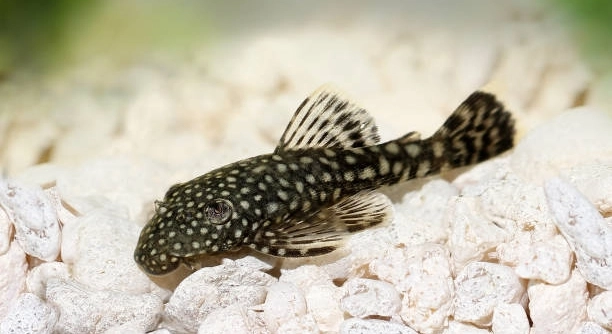
Have you ever wanted to cook something new with your favorite freshwater fish? Pleco can be a surprisingly versatile ingredient when prepared with simple, easy-to-follow methods that fit into any home kitchen.
Cooking pleco at home can be straightforward by using basic ingredients and simple techniques. Recipes often include steaming, baking, or pan-frying the fish, ensuring it retains flavor and nutrition while remaining easy to prepare for daily meals.
These seven easy recipes will guide you through practical steps, offering a mix of flavors and techniques for enjoyable home cooking.
Steamed Pleco with Garlic and Herbs
Steaming pleco is one of the simplest ways to enjoy its mild flavor. Start by cleaning the fish thoroughly and patting it dry. Prepare a mix of chopped garlic, fresh parsley, and a pinch of salt and pepper. Rub this mixture over the pleco, making sure it gets into the slits along the body. Place the fish in a steamer basket over gently boiling water. Steam for about 15–20 minutes, depending on the size of your fish. The fish is done when the flesh flakes easily with a fork and turns opaque. You can serve it immediately with a side of steamed vegetables or rice. This method keeps the pleco moist and tender while infusing it with subtle herb and garlic flavors that complement its natural taste. Steaming is also healthy, requiring no extra oil or fat. It is an excellent option for a light, simple dinner that does not take long to prepare.
Steaming pleco enhances its natural texture without overpowering it. The gentle heat preserves nutrients while adding delicate herbal flavors.
For a complete meal, pair the steamed pleco with lightly seasoned rice and sautéed greens. The simplicity of this dish allows the fish’s natural flavor to remain central, making it both easy and satisfying for daily home cooking. The garlic and herb mixture provides an aromatic layer without making the dish heavy. Steaming is forgiving, reducing the risk of overcooking, and it works well for plecos of all sizes. Once you get used to the timing and seasoning, this method can become a staple in your home kitchen. Simple sides like a drizzle of olive oil over steamed vegetables or a splash of lemon juice can enhance the dish without complicating it. Overall, steamed pleco is straightforward, healthy, and versatile.
Pan-Fried Pleco with Lemon Butter
Pan-frying pleco is quick and adds a subtle crispiness to the skin while keeping the meat tender inside. A small amount of butter and a squeeze of lemon brighten the flavors.
Begin by cleaning and drying the pleco. Season with salt and pepper, and lightly coat it in flour to ensure a crisp outer layer. Heat butter in a skillet over medium heat. Once the butter melts and begins to foam, place the pleco carefully in the pan. Cook for 4–6 minutes per side, adjusting the time based on the fish’s thickness. Flip only once to maintain the coating. Once golden brown, remove from the pan and drizzle with fresh lemon juice. Pan-frying enhances the fish’s natural flavor while adding a comforting richness that pairs well with simple sides like boiled potatoes or sautéed vegetables. This method is also flexible, allowing for additional seasoning such as paprika or finely chopped herbs, giving you room to adjust the flavor without complicating the process.
A perfectly pan-fried pleco is golden, tender, and slightly tangy with lemon. It pairs well with light sides for a balanced meal.
Baked Pleco with Soy and Ginger
Baking pleco with soy and ginger is simple and flavorful. The marinade brings a subtle sweetness and warmth while keeping the fish moist and tender in the oven.
Start by mixing soy sauce, grated ginger, and a small amount of honey. Coat the cleaned pleco evenly with the mixture and let it sit for 10–15 minutes. Preheat the oven to 375°F (190°C) and place the fish on a lightly oiled baking tray. Bake for 20–25 minutes depending on size, occasionally spooning the marinade over the fish. The result is a tender, aromatic pleco with a slightly caramelized surface that complements the natural flavor of the fish. Serve with steamed rice or roasted vegetables for a balanced, simple meal. This method is forgiving and works well for home cooks looking for a low-effort, flavorful dish.
The soy and ginger glaze adds a pleasant aroma, keeping the fish moist and flavorful without needing complex preparation.
Baked pleco is versatile, allowing small tweaks like adding garlic or sesame seeds to enhance the taste. Using a foil cover can keep the fish extra moist while baking, and spooning the marinade periodically ensures a rich, consistent flavor. The slight sweetness from honey balances the soy sauce, creating a gentle, approachable flavor that works well for a weeknight meal. This method requires minimal cleanup, as the baking tray catches most drips. Overall, it is an easy, reliable way to cook pleco while retaining its natural texture and flavor.
Pleco Soup with Vegetables
Pleco soup is nourishing and easy to prepare. Adding fresh vegetables enhances the flavor and makes the dish hearty.
Begin by cutting the pleco into manageable pieces. Heat water or light broth in a pot and add the fish along with chopped carrots, celery, and onions. Bring to a gentle boil, then simmer for 20–30 minutes. Season lightly with salt, pepper, and a few slices of ginger for warmth. The vegetables absorb the fish flavor, creating a comforting, balanced soup. You can add leafy greens at the end to keep them vibrant and fresh. Pleco soup is satisfying and works well as a light main course or part of a larger meal.
Simmering pleco with vegetables allows flavors to meld naturally. Ginger adds a subtle heat, while vegetables enrich the broth, making it both nourishing and light.
For added depth, consider including mushrooms or a small amount of soy sauce. Mushrooms contribute an earthy note, and soy sauce provides gentle umami without overpowering the delicate pleco flavor. Simmering slowly ensures the fish remains tender while releasing its natural taste into the broth. The soup can be stored and reheated, making it convenient for multiple meals. Simple garnishes like chopped herbs or a dash of sesame oil enhance the aroma and presentation. Pleco soup balances simplicity, nutrition, and flavor, making it a practical option for a home-cooked dish.
Grilled Pleco with Lemon and Herbs
Grilling pleco gives it a smoky flavor while keeping the flesh moist. A simple rub of olive oil, lemon juice, and herbs enhances the natural taste without overpowering it.
Place the cleaned pleco on a preheated grill over medium heat. Cook for about 5–7 minutes per side, depending on thickness. Turn carefully to avoid breaking the fish. The lemon and herbs create a fresh, subtle flavor that pairs well with grilled vegetables or a simple salad. Grilling is quick, requires minimal seasoning, and adds a pleasant texture to the fish, making it an easy option for a light, home-cooked meal.
Pleco Stir-Fry with Vegetables
Stir-frying pleco with vegetables is fast and flavorful. Cut the fish into bite-sized pieces and season lightly with salt, pepper, and a touch of soy sauce. Heat oil in a skillet or wok and cook the fish until it is just opaque. Remove it from the pan and stir-fry your choice of vegetables, such as bell peppers, broccoli, and snap peas. Return the pleco to the pan and toss everything together for a few minutes. The quick cooking preserves texture and flavor, while vegetables add crunch and freshness. This method is versatile, allowing additions of garlic, ginger, or sesame oil for extra aroma. Pleco stir-fry is convenient for weeknight dinners, offering a colorful, balanced meal that is simple yet satisfying.
Pleco in Tomato Sauce
Cooking pleco in tomato sauce creates a rich, comforting dish. Combine chopped tomatoes, garlic, and a pinch of salt and simmer before adding the fish.
FAQ
How do I clean pleco before cooking?
Cleaning pleco properly ensures your dish is safe and flavorful. Rinse the fish under cold water, then remove any slime by scrubbing lightly with salt or a brush. Cut along the belly to remove internal organs, rinse thoroughly, and pat dry with paper towels. Some recipes also suggest removing the head or tail, depending on personal preference. Ensuring the fish is fully cleaned prevents bitterness and keeps the texture pleasant during cooking. Proper cleaning also helps any marinades or seasonings adhere better, enhancing the final taste of your pleco dishes.
What cooking methods work best for pleco?
Pleco is versatile and works well with steaming, baking, pan-frying, grilling, and stir-frying. Steaming preserves moisture and natural flavor, while baking allows gentle cooking with marinades. Pan-frying and grilling add texture and aroma, giving a crisp outer layer. Stir-frying is quick and combines vegetables easily, keeping the dish fresh. Soup or stews are also options, letting pleco absorb flavors over longer cooking times. Choosing the right method depends on how tender or flavorful you want the final dish to be, as well as how much effort and time you prefer to spend in the kitchen.
Can I use frozen pleco for these recipes?
Yes, frozen pleco works well if properly thawed. Thaw slowly in the refrigerator for several hours or overnight to maintain texture. Avoid using hot water, which can partially cook the fish and affect taste. Once thawed, rinse and pat dry before seasoning or cooking. Frozen pleco may release extra water during cooking, so adjusting cooking time slightly can prevent overcooking. Using frozen fish is convenient, especially if fresh pleco is unavailable, and most recipes translate well with minimal adjustments.
How do I prevent pleco from becoming tough?
Pleco can become tough if overcooked or exposed to very high heat. Cooking at moderate temperatures and monitoring timing is key. Methods like steaming, baking with foil, or stir-frying quickly over medium heat help maintain tenderness. Avoid prolonged cooking or excessive flipping during pan-frying. Using marinades with mild acids like lemon or vinegar can also help break down proteins slightly, resulting in a softer texture. Paying attention to size and thickness of the fish ensures more consistent results.
What seasonings work well with pleco?
Pleco pairs with simple seasonings to enhance its mild flavor. Garlic, ginger, lemon, parsley, soy sauce, and herbs like thyme or dill are common. For richer dishes, butter or sesame oil can be added. Spices like paprika or black pepper bring warmth without overpowering the fish. Avoid strong, heavy sauces that mask the pleco’s natural taste. Seasonings can be applied as a rub, marinade, or incorporated into sauces or soups depending on the cooking method.
Can pleco be cooked with vegetables?
Yes, pleco pairs well with a variety of vegetables. Common choices include bell peppers, carrots, celery, onions, broccoli, and leafy greens. Vegetables can be added to soups, stir-fries, or baked dishes. They contribute flavor, color, and nutrition while balancing the mild taste of pleco. Quick-cooking vegetables maintain texture, while slow-cooked vegetables absorb the fish’s flavor, enhancing the overall dish.
How do I store leftovers?
Cooked pleco can be stored in an airtight container in the refrigerator for 2–3 days. Keep sauces or broths separate if possible to preserve texture. Reheat gently over low heat or in the oven to avoid drying out the fish. For longer storage, cooked pleco can be frozen, though texture may change slightly. Proper storage ensures the fish remains safe to eat and maintains flavor.
Are there any tips for making pleco taste better?
Simple tips improve pleco flavor: use fresh ingredients, season appropriately, and avoid overcooking. Marinating before cooking can enhance taste. Pairing with vegetables, herbs, or citrus adds depth. Cooking with moderate heat helps maintain natural flavor. Experimenting with spices in small amounts lets you find a balance without overwhelming the fish.
Is pleco safe to eat regularly?
Pleco is generally safe to eat when properly cleaned and cooked. Like other freshwater fish, ensure it comes from a safe source to avoid contaminants. Moderation is advised, as with all fish, for balanced nutrition. Preparing it at home allows control over freshness, seasoning, and cooking method, ensuring a healthy, enjoyable meal.
What side dishes complement pleco recipes?
Simple, light sides work best. Steamed rice, boiled or roasted vegetables, simple salads, or lightly seasoned potatoes complement pleco without overpowering it. Lemon wedges or mild sauces can add flavor. Avoid heavy sides that compete with the fish’s delicate taste, keeping meals balanced and easy to prepare.
Final Thoughts
Cooking pleco at home can be simple and satisfying. With basic ingredients and straightforward methods, it is possible to create meals that are flavorful and nourishing. Pleco has a mild taste, which makes it versatile and easy to pair with different seasonings or vegetables. Steaming, baking, pan-frying, grilling, and stir-frying are all effective ways to cook pleco, each offering slightly different textures and flavors. These methods do not require complex equipment or advanced skills, making them suitable for anyone who wants a home-cooked meal that is both practical and enjoyable. Paying attention to timing, temperature, and seasoning ensures that the fish remains tender and flavorful in every recipe. Even simple touches, such as a squeeze of lemon, a sprinkle of herbs, or a light drizzle of oil, can enhance the taste without making the dish heavy or complicated.
Proper preparation is key to successful pleco recipes. Cleaning the fish thoroughly before cooking is important for both taste and safety. Removing internal organs, rinsing the fish, and patting it dry helps avoid bitterness and ensures the seasonings stick properly. Marinating pleco before cooking can add depth of flavor, while cooking methods like steaming or baking with foil help preserve moisture and texture. Stir-frying and pan-frying are quick options that bring a crispness to the exterior while keeping the flesh tender inside. Grilling gives a pleasant smoky aroma and pairs well with herbs and citrus. Using fresh ingredients, simple seasoning, and careful attention to cooking times ensures that each dish turns out consistent and enjoyable. Even frozen pleco can work well in these recipes, provided it is thawed slowly and handled carefully before cooking.
Pleco dishes can be part of balanced and nourishing meals. Pairing the fish with vegetables, rice, or light sides adds color, flavor, and nutrients. Soups and stews provide a comforting option, while stir-fries and grilled dishes are quick and practical for busy days. Leftovers can be stored safely in the refrigerator or frozen for later use, making pleco recipes convenient for multiple meals. By following straightforward methods and simple seasoning, anyone can prepare pleco at home with ease. Over time, experimenting with small adjustments, such as herbs, spices, or side dishes, allows for variety without complicating the cooking process. Overall, pleco is a flexible and approachable ingredient that can fit into many types of meals, offering both taste and nutrition in a way that is accessible to home cooks.

Hello,
If you enjoy the content that we create, please consider saying a "Thank You!" by leaving a tip.
Every little bit helps us continue crafting quality advice that supports the health, happiness, and well-being of pets around the world, for pets of all shapes, sizes, and species.
We really appreciate the kindness and support that you show us!