7 Differences Between Male and Female Plecos
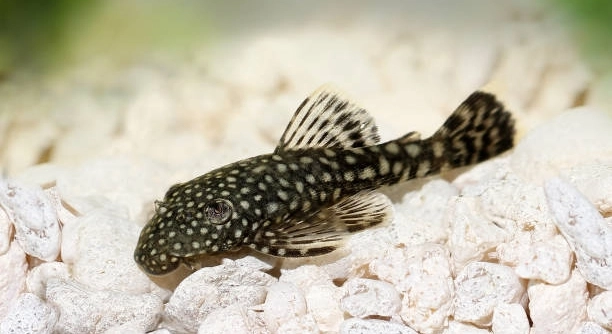
Do you ever find yourself watching your plecos swim and wondering why some look slightly different from others? Male and female plecos often display subtle traits that set them apart, especially in size and body shape. Male and female plecos can be distinguished by several physical and behavioral characteristics. Males typically have broader heads, longer … Read more
Why Is My Pleco Active Only at Night?

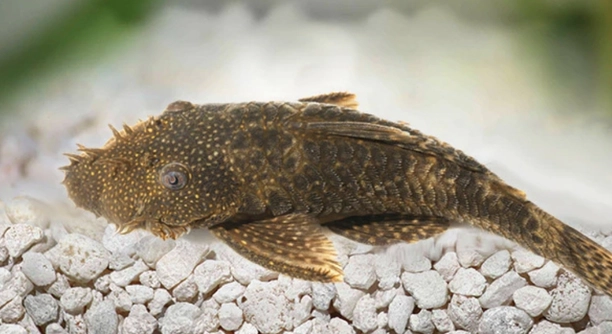
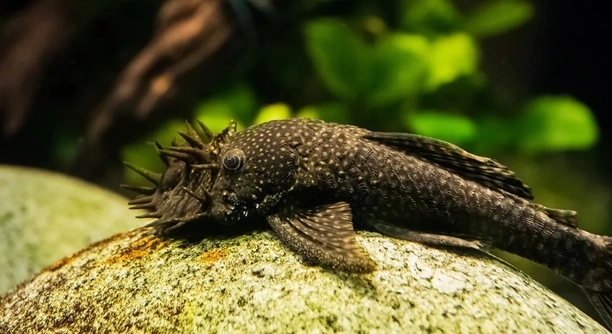
Is your pleco quietly resting during the day but suddenly very active at night? Many pleco owners notice this pattern and wonder about their fish’s unusual daily behavior. This is actually a normal trait for these aquatic pets. Plecos are naturally nocturnal fish. Their activity peaks during nighttime due to instinctive feeding habits and avoidance … Read more

7 Reasons Your Pleco Might Stop Breeding

Are your plecos suddenly showing no interest in breeding despite previously active behavior? Many aquarists notice that these hardy fish can unexpectedly stop reproducing, leaving tank owners concerned about their health and environment. Plecos may stop breeding due to factors such as improper water conditions, inadequate diet, insufficient hiding spaces, stress from tank mates, age, … Read more

7 Missteps That Slow Pleco Development

Are your plecos growing slower than expected despite your careful attention to their tank and diet? Many aquarists face this challenge without realizing small missteps can accumulate and affect their fish’s overall development and health. Several factors can hinder pleco growth, including inadequate tank size, poor water quality, insufficient nutrition, and inconsistent feeding schedules. Recognizing … Read more

7 Things That Plecos May Be Scared Of

Plecos are fascinating fish known for their unique appearance and algae-eating habits. Many aquarium owners enjoy watching them, but these fish can sometimes act skittish or hide unexpectedly, leaving caretakers wondering about their unusual reactions. Plecos may be scared by sudden movements, bright lighting, aggressive tank mates, strong water currents, loud noises, unfamiliar objects, or … Read more

Do Bristlenose Plecos Eat Their Own Eggs?

Do Bristlenose Plecos are popular freshwater fish known for their unique appearance and helpful algae-eating habits. Many aquarium owners enjoy watching their behavior and keeping their tanks clean with these fascinating little fish. Bristlenose Plecos may occasionally eat their own eggs, though this behavior is not constant. Factors such as stress, insufficient hiding spots, or … Read more

Why Does My Pleco Avoid Bright Areas?

Plecos are fascinating fish that add life to home aquariums. They are known for their unique shapes and calm behavior. Many owners notice their preference for shaded or dim areas, which can seem puzzling at first. The primary reason plecos avoid bright areas is their natural instinct to seek shelter and safety. Excessive light can … Read more

7 Foods That Can Upset Pleco Digestion

Are your plecos acting sluggish after meals or showing signs of bloating in their tank? Keeping a pleco healthy means more than just feeding them often. Their digestive system is delicate and sensitive to certain foods. Some common foods can upset pleco digestion, including those high in starch, citrus fruits, processed human foods, and certain … Read more

Do Bristlenose Plecos Recognize Reflections?

Bristlenose plecos are small freshwater fish often found in home aquariums. They are known for their unique appearance and gentle behavior, making them a popular choice among fish enthusiasts and beginners alike. Bristlenose plecos generally do not recognize themselves in reflections. Their responses to mirrors or shiny surfaces are primarily driven by curiosity or territorial … Read more

Why Plecos Might Fight During Feeding Time

Have you ever noticed your plecos suddenly acting aggressive during feeding time? Many fish owners are surprised when their usually calm bottom dwellers start chasing or bumping each other around. Understanding why can make feeding less stressful. Plecos often fight during feeding due to competition for limited resources and territorial instincts. These fish are naturally … Read more