
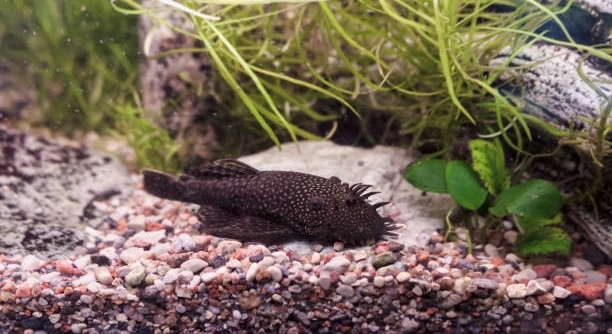
Do you ever find yourself caring for plecos and wondering how to encourage successful breeding in your aquarium? Ensuring their health and reproductive success requires understanding the right foods that support growth and vitality. Proper nutrition can make a noticeable difference in their behavior and overall well-being, laying the foundation for successful reproduction.
Certain foods are known to enhance pleco reproduction by providing essential nutrients that support egg production, improve fertility, and promote healthier offspring. Incorporating a variety of protein-rich and plant-based foods into their diet is key for optimal reproductive outcomes.
Providing the right diet goes beyond basic feeding. These foods can significantly impact your plecos’ reproductive success and overall health in subtle but important ways.
Algae Wafers
Algae wafers are a staple in pleco diets and play a significant role in supporting reproduction. These wafers provide essential plant-based nutrients that plecos need for energy and overall health. When feeding algae wafers consistently, plecos tend to show improved vitality, which can enhance breeding readiness. Many aquarists notice that plecos consuming high-quality wafers have better coloration and increased activity levels. The nutrient density in these wafers also supports egg production and strengthens the immune system, which is crucial during spawning periods. Offering algae wafers alongside other foods ensures a balanced diet, giving plecos the building blocks required for successful reproduction. Observing how plecos interact with these wafers can also indicate their general health and readiness to breed. It’s important to choose wafers formulated specifically for plecos to ensure they receive the right mix of vitamins and minerals. Feeding small portions multiple times a day can optimize nutrient absorption and reduce waste accumulation in the tank, keeping water conditions stable.
Algae wafers contribute significantly to reproductive health, supplying necessary nutrients while promoting energy levels and overall vitality in plecos.
Regularly providing algae wafers creates a stable nutritional foundation, encouraging healthy growth and reproductive readiness. This simple addition to their diet can improve spawning outcomes and overall wellbeing. Monitoring intake helps adjust feeding amounts to prevent overfeeding and maintain optimal water quality.
Fresh Vegetables
Fresh vegetables like zucchini, cucumber, and spinach are excellent supplements for plecos. They offer fiber and vitamins necessary for digestion and overall health. Regularly providing fresh vegetables ensures plecos receive nutrients that support energy levels, growth, and reproductive capacity. Many aquarists notice increased activity and better condition in plecos when vegetables are included in the diet consistently. It is helpful to blanch vegetables before feeding to make them easier to digest and to remove potential bacteria. Cutting them into small, manageable pieces ensures plecos can easily graze throughout the day. Rotating vegetables can prevent nutrient gaps and maintain a balanced diet. Fresh vegetables also contribute to water quality by reducing the risk of excessive decay if uneaten portions are removed promptly. Observing how plecos respond to different vegetables can help identify preferred types, which ensures higher consumption and greater nutritional benefit. Incorporating these foods into a feeding routine can directly influence reproductive health, supporting egg production and overall vitality.
Fresh vegetables supply fiber, vitamins, and essential nutrients that enhance pleco digestion, growth, and breeding potential.
Offering a variety of vegetables promotes healthy digestion and energy levels, essential for reproduction. Feeding strategies such as blanching and portion control ensure nutrient absorption and prevent waste accumulation, supporting a stable tank environment. Adjusting the types and amounts over time maintains dietary balance and encourages consistent reproductive health.
Protein-Rich Foods
Protein-rich foods like shrimp pellets and bloodworms are essential for pleco reproduction. They provide amino acids that boost energy, support egg production, and improve overall health, making plecos more likely to breed successfully.
Including protein sources in a pleco’s diet enhances fertility and vitality. Shrimp pellets and bloodworms supply concentrated nutrients that promote stronger muscle development and improved immunity. These foods are particularly important during breeding periods when energy demands increase. Feeding small portions regularly ensures plecos receive adequate protein without overloading the tank with waste. Combining protein sources with plant-based foods creates a balanced diet that supports both growth and reproductive health. Observing how plecos respond to protein-rich foods can guide adjustments in quantity and type, optimizing breeding outcomes.
Balanced protein intake not only supports reproductive health but also encourages active, healthy plecos. Providing both plant and animal-based foods ensures optimal nutrition for growth and spawning. Monitoring consumption and tank conditions helps maintain a healthy environment, further supporting breeding success.
Frozen Foods
Frozen foods, such as brine shrimp and daphnia, offer concentrated nutrients that support reproductive health and vitality. These foods are convenient, high in protein, and readily accepted by plecos, making them valuable additions to their diet.
Freezing preserves nutrients in these foods, ensuring plecos receive vitamins, minerals, and amino acids crucial for egg production. Feeding frozen foods regularly improves overall health, energy levels, and spawning behavior. Small, frequent portions prevent water contamination and maintain consistent nutrient intake. Combining frozen foods with fresh vegetables and algae wafers ensures a balanced diet that promotes reproductive readiness. Observing pleco behavior when introducing frozen foods can indicate nutritional adequacy and help refine feeding routines for optimal outcomes.
Frozen foods provide essential nutrients that directly support energy, fertility, and breeding success. Incorporating them alongside vegetables and wafers maintains a balanced diet, encourages growth, and strengthens overall health. Regular feeding, portion control, and monitoring intake ensure consistent reproductive support and healthier offspring over time.
Leafy Greens
Leafy greens like romaine lettuce and kale are excellent for plecos. They provide essential vitamins, fiber, and nutrients that support digestion and overall health.
Regular feeding of leafy greens helps maintain energy levels and encourages natural grazing behavior. These greens contribute to reproductive health by supporting proper digestion and nutrient absorption.
Cucumbers
Cucumbers are a hydrating, nutrient-rich food that plecos enjoy. They are easy to prepare, gentle on the digestive system, and support overall vitality and reproductive readiness.
Peas
Peas are high in fiber and help prevent digestive issues in plecos. Feeding them regularly supports nutrient absorption, energy levels, and reproductive health.
What is the best diet to encourage pleco reproduction?
A balanced diet combining plant-based foods, protein-rich options, and fresh vegetables is essential. Algae wafers, zucchini, cucumber, and leafy greens provide vitamins and fiber, while bloodworms, shrimp pellets, and frozen foods supply protein and amino acids. Feeding small portions multiple times daily ensures proper nutrient absorption without overloading the tank. Consistency in diet supports energy, growth, and overall health, creating the ideal conditions for breeding. Observing plecos’ feeding behavior can help adjust portions and food types to ensure reproductive readiness.
Can plecos reproduce without protein-rich foods?
Protein is vital for reproductive health. While plant-based foods provide essential nutrients, amino acids from bloodworms, shrimp pellets, or frozen foods support egg production, muscle development, and overall vitality. Without adequate protein, plecos may be less likely to breed or produce fewer eggs. Including protein sources at least a few times per week is recommended, alongside plant-based foods, to maintain energy levels and optimize fertility. Proper protein intake ensures healthier offspring and increases the chances of successful spawning.
How often should I feed plecos to support reproduction?
Feeding plecos multiple small meals daily is more effective than one large feeding. Small, frequent portions prevent overfeeding, reduce water contamination, and allow plecos to digest nutrients efficiently. This method ensures a consistent supply of vitamins, minerals, and proteins needed for reproductive health. Observing their behavior helps identify when they are eating optimally and whether adjustments are necessary. A structured feeding routine supports stable energy levels, encourages active behavior, and promotes better egg production during breeding periods.
Are fresh vegetables necessary for breeding plecos?
Fresh vegetables are highly beneficial. Zucchini, cucumber, spinach, and peas provide fiber, vitamins, and hydration. They support digestion, nutrient absorption, and energy levels, all of which are crucial for reproductive success. Regular vegetable feeding, combined with algae wafers and protein sources, ensures a balanced diet that encourages spawning and healthier offspring. Blanching vegetables can make them easier to digest and reduce potential bacterial contamination. Rotating vegetables prevents nutrient gaps and maintains overall health.
What frozen foods work best for plecos?
Frozen brine shrimp, daphnia, and bloodworms are ideal. They are nutrient-dense, high in protein, and easily accepted by plecos. Freezing preserves vitamins and minerals, ensuring that plecos receive essential nutrients for energy, growth, and reproduction. Feeding frozen foods regularly, in combination with plant-based options, supports breeding behavior, improves vitality, and strengthens immunity. Portion control is key to prevent water contamination and maintain consistent nutrient intake. Observing which frozen foods plecos prefer helps refine feeding practices for optimal reproductive outcomes.
Can diet alone guarantee successful reproduction?
Diet is critical but not the only factor. Water quality, temperature, tank environment, and hiding spaces also influence breeding. A nutrient-rich diet provides the foundation, enhancing energy, egg production, and fertility, but proper tank conditions are necessary for plecos to feel secure and spawn. Combining optimal nutrition with a clean, stable environment increases the likelihood of successful reproduction and healthier offspring.
How do I know if my plecos are ready to breed?
Signs include increased activity, stronger coloration, and frequent grazing on nutrient-rich foods. Males may exhibit territorial behavior, while females show a fuller body indicating egg development. Consistent feeding with algae wafers, vegetables, and protein sources can accelerate readiness. Observing their interactions and maintaining optimal water conditions ensures that they are physically prepared for spawning. Healthy, well-fed plecos are more likely to engage in breeding behavior and produce viable eggs.
Is it necessary to supplement with vitamins or minerals?
For most well-balanced diets, additional supplementation is not strictly necessary. High-quality algae wafers, vegetables, and protein foods provide essential nutrients. However, in cases of deficiency or when using limited food variety, supplements like calcium or trace minerals can support reproductive health and strengthen egg development. Proper supplementation should be done carefully to avoid disrupting water chemistry and maintaining overall tank stability.
Can plecos eat too much protein?
Yes, overfeeding protein can harm water quality and affect health. Excess protein leads to waste accumulation, ammonia spikes, and digestive issues. Feeding moderate amounts of bloodworms, shrimp pellets, or frozen foods in combination with plant-based options ensures plecos get enough nutrients without overloading the system. Monitoring consumption and maintaining tank cleanliness helps prevent negative effects while supporting reproductive health.
How long does it take for diet changes to affect reproduction?
Results can be seen in a few weeks, depending on plecos’ age, health, and previous nutrition. Consistent feeding of balanced diets improves energy levels, vitality, and readiness to spawn. Regular observation allows adjustments to portions and food types, ensuring that diet effectively supports reproductive behavior. Patience and consistency are key to achieving optimal outcomes.
Providing the right diet is one of the most important factors in supporting pleco reproduction. A combination of algae wafers, fresh vegetables, protein-rich foods, and occasional frozen options ensures plecos receive the nutrients they need to grow, remain healthy, and reproduce successfully. Algae wafers supply essential plant-based nutrients and energy, while vegetables like zucchini, cucumber, and leafy greens provide fiber, vitamins, and hydration. Protein sources such as bloodworms, shrimp pellets, and frozen brine shrimp or daphnia provide amino acids necessary for egg production, muscle development, and overall vitality. Offering a variety of foods ensures a balanced diet that covers all nutritional requirements, creating conditions that encourage spawning behavior. Feeding small portions multiple times a day helps plecos digest nutrients efficiently and prevents overfeeding, which can negatively impact water quality. Consistency in diet allows plecos to maintain stable energy levels and overall health, both of which are essential for successful reproduction.
Maintaining a proper diet is only one part of the process, but it is a foundation that directly impacts reproductive success. Well-fed plecos are more active, display healthier coloration, and engage in natural behaviors that increase the chances of spawning. Observing plecos’ eating habits can help identify their preferred foods and indicate whether they are receiving adequate nutrition. Regular adjustments to diet based on their response can optimize reproductive readiness. Combining proper nutrition with clean, stable tank conditions, suitable hiding spaces, and appropriate water parameters creates an environment where plecos feel secure and healthy. Without the right diet, even ideal tank conditions may not be enough to stimulate breeding. By prioritizing nutritional needs alongside other environmental factors, aquarists can improve the likelihood of successful reproduction and healthier offspring.
Overall, feeding plecos a well-rounded, nutrient-rich diet is a simple but powerful way to support their reproductive health. Including a mix of plant-based, protein-rich, and fresh or frozen foods ensures plecos get all the vitamins, minerals, and energy they need. Monitoring their feeding behavior, portion sizes, and tank conditions further enhances their health and breeding potential. By understanding the specific nutritional requirements of plecos and providing consistent, balanced meals, aquarists can promote energy, vitality, and fertility in their fish. This approach not only improves spawning success but also contributes to the long-term wellbeing of plecos in captivity. Paying attention to diet, combined with proper tank maintenance and environmental care, lays the groundwork for healthier fish and more successful reproduction over time.

Hello,
If you enjoy the content that we create, please consider saying a "Thank You!" by leaving a tip.
Every little bit helps us continue crafting quality advice that supports the health, happiness, and well-being of pets around the world, for pets of all shapes, sizes, and species.
We really appreciate the kindness and support that you show us!