
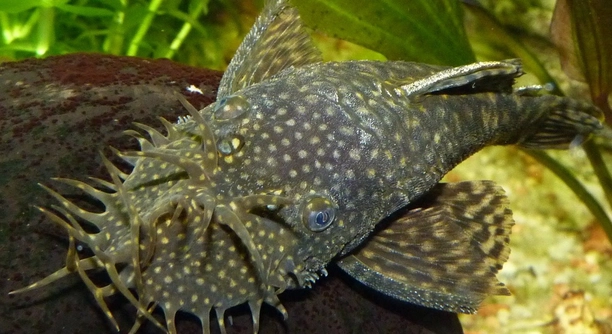
Many aquarium enthusiasts enjoy keeping bristlenose plecos for their algae-eating habits and unique appearance. Observing their behaviors can be rewarding, but it is important to notice subtle changes that might indicate stress or health concerns.
Bristlenose plecos can show signs of depression-like behavior, often linked to poor water conditions, lack of stimulation, or social stress. These fish may become lethargic, lose interest in food, or hide excessively when their environment is unsuitable.
Recognizing these behavioral changes early can help ensure your pleco remains healthy and active in its tank environment.
Common Signs of Stress in Bristlenose Plecos
Bristlenose plecos are generally hardy fish, but they can experience stress that affects their behavior. Some common signs include hiding more than usual, refusing food, or remaining motionless at the bottom of the tank. Color changes, like darkening, can also indicate stress. These behaviors may appear gradually, making them easy to overlook at first. Plecos are nocturnal by nature, but prolonged inactivity during their active periods is a warning sign. Frequent scratching against decorations or tank walls may suggest irritation or discomfort. Stress can stem from many factors, including poor water quality, sudden temperature changes, or aggressive tank mates. Observing your pleco daily allows you to notice subtle changes before they escalate. Providing hiding spots, stable water parameters, and a consistent feeding routine can significantly improve your pleco’s well-being. Simple adjustments in tank setup often restore normal behavior, preventing further stress-related issues in the long term.
Stress in plecos can also affect their immune system, making them more vulnerable to disease and infections.
Maintaining a calm environment is essential. Avoid sudden changes in lighting or water conditions. Keep decorations stable, and ensure tank mates are compatible. Providing driftwood and hiding spots encourages natural behavior and reduces anxiety. Feeding a varied diet with vegetables and algae wafers helps maintain health. Monitor water quality regularly for ammonia, nitrite, and nitrate levels. Even small fluctuations can lead to stress. Observing your pleco’s daily habits, like swimming patterns and appetite, gives valuable insight into their mental state. Gradual changes in behavior are often easier to address than sudden declines. Implementing small, consistent improvements in their environment can have a significant impact on their overall mood and health. Understanding these aspects allows you to support your pleco effectively, creating a tank environment where they feel secure, active, and engaged with their surroundings.
Environmental Factors That Affect Pleco Behavior
Water quality and temperature directly influence pleco behavior, often causing lethargy or irritability if unstable.
Bristlenose plecos thrive in clean water with moderate temperature. Poor filtration, excessive waste, or inconsistent water changes can stress them. Tank size also matters; overcrowded tanks increase competition and discomfort. Providing hiding areas, driftwood, and plants creates security and mimics their natural habitat. Light levels should be moderate, as overly bright tanks can make them retreat constantly. Even small adjustments in flow or water chemistry can lead to noticeable improvements. Regularly monitoring pH, hardness, and temperature ensures stability. Environmental consistency supports natural behavior, encourages feeding, and reduces stress-induced lethargy. Neglecting these aspects may lead to prolonged hiding, reduced appetite, and unusual aggression. Observing how your pleco interacts with its surroundings helps identify environmental issues early. Proper maintenance and thoughtful tank arrangement go a long way in promoting a healthy, active, and mentally balanced pleco.
Diet and Nutrition Impact
A poor diet can make bristlenose plecos lethargic and less active. They need algae, vegetables, and occasional protein to stay healthy and engaged. Lack of variety or insufficient food can cause noticeable changes in behavior.
Feeding only one type of food, like algae wafers, can lead to nutrient deficiencies. Plecos require fiber from vegetables such as zucchini, cucumber, or spinach to support digestion and overall health. Occasional protein sources like bloodworms or shrimp pellets help maintain energy levels. Irregular feeding schedules or overfeeding can also impact behavior, causing bloating or stress. Monitoring their diet and providing balanced nutrition ensures their activity and mood remain consistent.
A healthy diet supports both physical and mental well-being. Plecos that eat well are more likely to explore, interact with their environment, and maintain normal coloration. Observing eating habits helps identify early signs of stress or illness. Ensuring a mix of fresh vegetables, algae, and occasional protein creates a routine that plecos recognize, reducing anxiety. Proper diet contributes to energy, immune function, and natural behaviors, which collectively prevent depression-like symptoms in these fish. Consistency and variety are key factors in keeping your pleco active and healthy.
Social Interaction and Tank Mates
Aggressive or incompatible tank mates can stress bristlenose plecos, leading to hiding and reduced activity. They need peaceful companions and enough space to feel secure.
Plecos are generally solitary but benefit from observing other non-aggressive fish. Aggressive species or overcrowded tanks can limit their movement and cause stress. Providing hiding spots and territories reduces conflicts and supports natural behavior. Even subtle aggression from other fish can trigger prolonged hiding or changes in swimming patterns. Monitoring interactions ensures your pleco remains calm and confident.
When selecting tank mates, consider their temperament and size. Avoid fast, aggressive, or territorial fish that may intimidate or chase your pleco. Peaceful schooling fish, small tetras, or corydoras often coexist well without creating tension. Observing your pleco during feeding and active periods helps identify stress triggers. Adequate space, hiding places, and compatible companions allow plecos to exhibit normal behaviors. Maintaining balance in the tank encourages exploration, feeding, and activity. A well-structured social environment minimizes stress, promoting mental and physical health for your bristlenose pleco.
Tank Setup and Hiding Spots
Bristlenose plecos need places to hide and explore. Driftwood, caves, and plants provide security and reduce stress. A tank without hiding spots can make them withdrawn or overly shy.
Spacing decorations properly allows swimming freedom while offering safe retreats. Plecos feel more confident with defined territories and shaded areas.
Lighting and Day-Night Cycle
Consistent lighting and a proper day-night cycle are important. Plecos are nocturnal and require dimmer periods to stay active and healthy. Bright or irregular lighting can cause stress, hiding, or inactivity. A stable cycle encourages natural behavior and supports mental well-being.
Water Changes and Filtration
Regular water changes and efficient filtration prevent waste buildup. Poor water quality leads to stress, illness, and behavioral changes. Maintaining clean, stable conditions helps plecos stay active and engaged.
Observing Behavior Patterns
Monitoring daily behavior reveals signs of stress or depression. Changes in swimming, appetite, or social interaction often indicate environmental or health issues that need attention.
FAQ
Can bristlenose plecos recover from depression-like behavior?
Yes, they can recover if the causes of stress are addressed. Improving water quality, providing proper nutrition, and ensuring a stable environment often helps plecos return to normal activity. Introducing hiding spots and compatible tank mates also supports recovery and reduces ongoing stress.
How long does it take for a pleco to show improvement?
Improvement can vary depending on the severity of stress and the changes made. Some plecos show signs of returning activity and appetite within a few days, while others may take several weeks to fully regain normal behavior. Patience and consistency are key.
Can diet alone fix depression-like symptoms?
Diet is important but not sufficient on its own. Balanced nutrition supports health and energy, but environmental factors like water quality, tank setup, and social stress must also be addressed to fully improve mood and behavior.
Do plecos need social interaction to stay healthy?
Bristlenose plecos are mostly solitary, but they benefit from observing non-aggressive tank mates. Peaceful companions can reduce anxiety, but aggressive or overly active fish may worsen stress. Proper territory and hiding spaces are more important than constant social interaction.
How can I tell if my pleco is stressed versus just resting?
Resting plecos may stay still but still show interest in food or swim occasionally. Stress signs include prolonged hiding, refusal to eat, scratching against surfaces, unusual coloration, or erratic swimming. Monitoring patterns over several days provides clearer insight.
Can water temperature changes cause depression-like behavior?
Yes, sudden or prolonged changes in temperature can stress plecos. They prefer stable temperatures within their species range. Rapid fluctuations can lead to lethargy, hiding, or reduced appetite. Maintaining consistent temperature with a reliable heater helps prevent these issues.
Are tank size and decoration important for mental health?
Absolutely. Overcrowded tanks increase stress, while a tank with proper space, hiding spots, and driftwood provides security and encourages exploration. Plecos feel more confident with shaded areas and places to retreat, which reduces anxiety and promotes natural behaviors.
Can disease be mistaken for depression?
Yes. Illness can mimic depression-like behavior. Lethargy, loss of appetite, or hiding might indicate infections, parasites, or organ issues. Observing other symptoms such as discoloration, frayed fins, or unusual breathing helps distinguish between illness and stress-related behavior.
How often should I monitor my pleco’s behavior?
Daily observation is ideal. Noticing subtle changes in swimming, feeding, or interaction early allows prompt adjustments to diet, tank conditions, or social environment. Regular monitoring helps prevent prolonged stress and maintains overall health.
Is it necessary to provide a nocturnal environment?
Yes, plecos are nocturnal and prefer dim lighting during their active periods. Bright lights or inconsistent cycles can cause stress or hiding. Using subdued lighting or shaded areas supports natural rhythms, encourages feeding, and helps maintain mental balance.
Can enrichment activities help plecos?
Providing driftwood, plants, and occasional rearrangement of decorations encourages exploration. Plecos interact with their environment and can show more natural behaviors when stimulation is available. Enrichment reduces boredom and supports both physical and mental well-being.
What steps should I take if my pleco shows prolonged inactivity?
First, test water quality for ammonia, nitrites, nitrates, and pH. Check temperature and lighting consistency. Ensure the tank is appropriately sized with hiding spots. Review diet for variety and balance. Observe for signs of disease, and adjust tank mates if aggression is present. Acting promptly often prevents worsening conditions.
Can stress affect pleco lifespan?
Chronic stress can weaken the immune system, making plecos more susceptible to illness and shortening lifespan. Addressing environmental, dietary, and social factors helps maintain health, activity, and longevity. Prevention through consistent care is key to avoiding long-term effects.
Are plecos prone to recurring depression-like episodes?
Yes, especially if tank conditions remain unstable or if stressors recur. Regular monitoring, consistent care, and proactive adjustments reduce the likelihood of repeated episodes and support ongoing mental and physical well-being.
How do I know when professional help is needed?
If your pleco shows persistent inactivity, refuses food for several days, or exhibits symptoms of illness despite proper care, consulting an aquatic veterinarian is recommended. Early intervention can prevent serious health issues and support recovery.
Final Thoughts
Bristlenose plecos are resilient fish, but they are sensitive to changes in their environment and care routines. Their behavior can reflect their mental and physical well-being, making it important to pay attention to subtle signs of stress or depression-like behavior. Lethargy, hiding, refusal to eat, or unusual coloration can all indicate that something in their habitat is not ideal. By recognizing these behaviors early, you can make the necessary adjustments to ensure your pleco remains healthy and active. Monitoring your fish daily, observing changes in swimming patterns, and noting feeding habits are simple yet effective ways to understand your pleco’s overall state. Small observations over time provide valuable insights into their comfort and happiness.
Proper tank maintenance plays a crucial role in preventing depression-like behavior. Regular water changes, consistent temperature, and stable pH levels are essential for a healthy aquatic environment. Plecos are particularly sensitive to fluctuations in water quality, which can cause stress and lead to prolonged hiding or reduced activity. In addition, tank size, decorations, and hiding spots influence how safe and comfortable your pleco feels. Providing driftwood, plants, caves, and shaded areas gives them a sense of security, which encourages natural behaviors and reduces anxiety. Feeding a balanced diet that includes vegetables, algae, and occasional protein supports both physical and mental health. Ensuring that your pleco receives proper care in all these areas helps prevent stress before it becomes a larger problem.
Social and environmental factors also impact pleco well-being. While bristlenose plecos are generally solitary, peaceful tank mates and proper territory management can reduce tension in the tank. Aggressive or overly active fish may trigger hiding, lethargy, or other stress behaviors. Maintaining a consistent day-night cycle and providing dim lighting during their active periods supports their natural rhythms. Enrichment through plants, decorations, and driftwood encourages exploration and activity, reducing boredom and promoting mental stimulation. Addressing all these factors together—diet, tank conditions, social interactions, and environmental enrichment—creates a supportive habitat that helps your pleco thrive. By paying attention to these details, you can minimize stress and support your pleco’s long-term health, behavior, and overall quality of life.

Hello,
If you enjoy the content that we create, please consider saying a "Thank You!" by leaving a tip.
Every little bit helps us continue crafting quality advice that supports the health, happiness, and well-being of pets around the world, for pets of all shapes, sizes, and species.
We really appreciate the kindness and support that you show us!