Why Your Pleco Stays in One Spot All Day
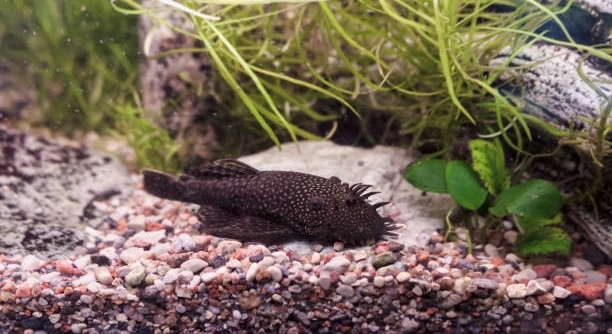
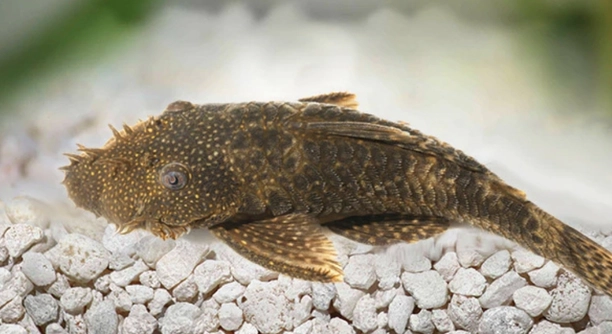
Many pleco owners notice their fish resting in the same spot for hours. This behavior can seem unusual, especially for those expecting constant movement. Understanding why plecos stay still helps ensure their tank environment supports their natural habits. Plecos often remain in one spot due to natural resting behavior, territorial instincts, and environmental factors such … Read more
7 Ways to Tell If Plecos Are Competing

Do you ever notice your plecos moving around the tank more aggressively than usual? Sometimes their behaviors hint at subtle competition over food, territory, or favorite hiding spots in your aquarium environment. Plecos exhibit competition through increased chasing, territorial displays, and selective feeding behavior. Observing these interactions closely allows aquarists to identify stress points, ensure … Read more

Do Plecos Outgrow Certain Tank Decorations?

Do your plecos seem to rearrange their tank decorations more than you expected? Many aquarists notice that these fish grow quickly and sometimes change how they interact with their environment over time. Observing these changes is common. Plecos can outgrow certain tank decorations, especially small caves, driftwood pieces, or tight hiding spots. Providing appropriately sized … Read more

Can Plecos Live in Tall Narrow Tanks?

Plecos are popular freshwater fish often chosen for home aquariums due to their algae-eating habits. Many hobbyists consider various tank setups, including tall and narrow tanks, when designing their aquatic environments. Choosing the right habitat is important for their well-being. Plecos can survive in tall narrow tanks, but their overall health and comfort depend on … Read more

7 DIY Foods Plecos Love to Eat

Are your plecos getting bored of the usual store-bought food? Homemade options can add variety and provide essential nutrients. Preparing simple DIY foods allows you to cater to their natural dietary preferences and improve their overall well-being. Plecos thrive on a variety of fresh vegetables, algae-based foods, and protein sources. Homemade recipes incorporating zucchini, cucumber, … Read more

Can Bristlenose Plecos Sense Human Movement?

Do you enjoy observing your aquarium but find yourself noticing how your bristlenose pleco reacts to movement around its tank? These small catfish are fascinating to watch, and their behavior often sparks curiosity about their senses. Bristlenose plecos can detect human movement through changes in water vibrations and visual cues. Their lateral line system allows … Read more

7 Odd Pleco Habits You Shouldn’t Worry About

Plecos are fascinating fish that often show behaviors that seem strange at first. Many new owners worry when they notice unusual movements or actions in their tanks. These habits are usually normal and harmless to their health. Many odd behaviors in plecos, such as resting upside down, rubbing against surfaces, or hiding frequently, are instinctive … Read more

Why Your Pleco Might Be Rubbing the Glass

Many pleco owners notice their fish spending a lot of time rubbing against the aquarium glass. This behavior can seem strange or even worrying, but it is quite common among plecos in home aquariums. Observing their habits can be helpful. Plecos often rub the glass due to irritation caused by parasites, poor water conditions, or … Read more

7 Safe Tank Mates for a Single Bristlenose

Keeping a single Bristlenose in a community tank can be rewarding, yet it requires careful planning. Choosing the right companions ensures harmony in the aquarium, avoids stress, and promotes the health of all fish involved. The safest tank mates for a single Bristlenose include peaceful species that occupy different tank levels, do not nip fins, … Read more

7 Quiet Signs Your Pleco Isn’t Well

Keeping plecos in a home aquarium can be rewarding, yet subtle signs of illness are easy to miss. Observing their behavior and appearance regularly helps ensure they remain healthy and comfortable in their environment. Plecos may display inactivity, loss of appetite, unusual swimming patterns, or visible physical changes such as torn fins or discoloration. Monitoring … Read more