
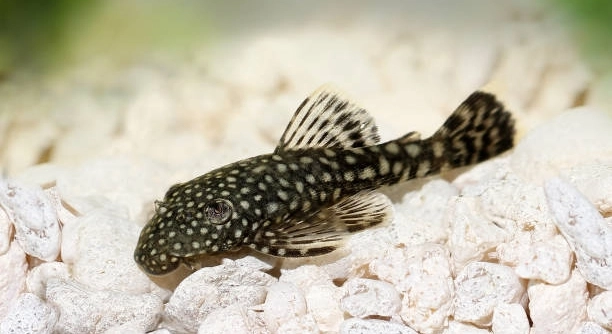
Keeping a single Bristlenose in a community tank can be rewarding, yet it requires careful planning. Choosing the right companions ensures harmony in the aquarium, avoids stress, and promotes the health of all fish involved.
The safest tank mates for a single Bristlenose include peaceful species that occupy different tank levels, do not nip fins, and share similar water parameters. Suitable options include small tetras, rasboras, corydoras, guppies, otocinclus, dwarf gouramis, and snails.
Selecting compatible companions will create a balanced environment for your Bristlenose. Proper pairing supports natural behaviors and contributes to a calmer, healthier tank overall.
Small Tetras
Small tetras are ideal companions for a single Bristlenose because they are active, peaceful, and occupy the mid to upper levels of the tank. Species like neon tetras, cardinal tetras, and ember tetras move quickly and rarely bother bottom dwellers. Their small size and calm behavior reduce stress for the Bristlenose, allowing it to feed and graze comfortably. They also bring gentle movement to the aquarium, creating a lively but balanced environment. It’s important to keep them in groups of at least six to ensure their social needs are met. Small tetras prefer similar water parameters as Bristlenoses, including slightly acidic to neutral pH and moderate temperatures. With proper maintenance, these tetras will thrive without disrupting the bottom-dwelling catfish. Maintaining clean water and monitoring their behavior ensures compatibility and long-term health for both species, making them a safe and visually appealing choice.
Keeping small tetras in groups helps reduce aggression and provides a harmonious tank for the Bristlenose.
Tetras’ active schooling behavior complements the Bristlenose’s calmer presence. Their movement encourages a dynamic, healthy tank without creating competition for food or territory. Additionally, small tetras are not prone to fin nipping, which is important for the Bristlenose’s well-being. Their adaptability to moderate water conditions and non-territorial nature make them reliable companions. Observing them swim in coordinated patterns adds visual interest and balances the slower, bottom-focused activity of the Bristlenose. Regular feeding with high-quality flakes or micro pellets keeps them healthy, while occasional live or frozen foods enhance their nutrition. Their compatibility and ease of care make small tetras a practical choice for those aiming to maintain a calm, stress-free community tank. Over time, their presence can help the aquarium feel complete, with different levels populated and interactions appearing natural yet unobtrusive, supporting the overall health of every resident species.
Corydoras Catfish
Corydoras catfish are bottom dwellers like Bristlenoses, but they are gentle, social, and easy to care for. They prefer to stay in groups of three or more.
Corydoras complement Bristlenoses by helping clean leftover food and stirring substrate without causing stress. Their small, armored bodies and peaceful behavior prevent aggression. They are compatible with a variety of water parameters, making them highly adaptable in community tanks. Their social interactions can be rewarding to watch, as they often swim together and forage alongside the Bristlenose. Corydoras are sensitive to water quality, so regular maintenance is essential. Feeding them a mix of sinking pellets, wafers, and occasional live foods ensures they receive proper nutrition. When combined with other peaceful species like tetras or otocinclus, Corydoras create a balanced environment that promotes calm activity at the bottom of the tank. Over time, this combination helps maintain clean surfaces and reduces leftover food buildup, supporting the health and longevity of all tank inhabitants. Careful attention to group size, substrate type, and diet keeps the Bristlenose and Corydoras thriving together, creating a peaceful and low-stress aquarium ecosystem.
Otocinclus Catfish
Otocinclus catfish are small, peaceful algae eaters that spend most of their time on plants and glass surfaces. They are non-aggressive and rarely interfere with Bristlenoses, making them excellent companions in a well-maintained tank.
Otocinclus are sensitive to water quality and require stable, clean conditions. They thrive in groups of four or more, which helps them feel secure and reduces stress. Their diet primarily consists of algae, though they can be supplemented with algae wafers and blanched vegetables. Otocinclus occupy different tank levels than Bristlenoses, minimizing competition for food. Their quiet, unobtrusive behavior ensures they coexist peacefully with other community fish. Observing them grazing along surfaces can be calming and provides a natural balance in the tank. Their small size and gentle nature make them a practical choice for bottom-dwelling companions, enhancing the tank without creating conflict.
Keeping Otocinclus with Bristlenoses promotes cleanliness and natural algae control. Their compatibility ensures both species remain active and healthy without aggression or stress.
Dwarf Gouramis
Dwarf gouramis are colorful, calm fish that generally remain in the mid-level areas of the tank. They are non-territorial toward bottom dwellers and rarely challenge Bristlenoses, making them suitable tank mates. Their peaceful behavior allows for easy coexistence with other small, non-aggressive species.
Dwarf gouramis are hardy and adaptable to various water conditions, preferring temperatures similar to Bristlenoses. They enjoy planted tanks, where they can explore and find cover, which reduces stress and enhances their activity. Feeding them a varied diet of flakes, frozen, or live foods keeps them vibrant and healthy. Care should be taken to avoid overcrowding, as their activity may increase slightly if stressed or confined. Pairing one or two dwarf gouramis with a single Bristlenose helps maintain balance without triggering competition. Their calm temperament, colorful appearance, and mid-level swimming habits complement the bottom-dwelling Bristlenose, adding depth and variety to the aquarium. Overall, this combination creates a peaceful, visually appealing tank where both species thrive.
Guppies
Guppies are small, peaceful fish that swim mainly in the upper and mid-levels of the tank. They are active but non-aggressive, making them compatible with a single Bristlenose without causing stress or competition.
Their varied colors add visual appeal to the aquarium while maintaining a calm environment. Guppies are hardy and adapt well to stable water conditions, requiring minimal care alongside Bristlenoses.
Snails
Snails help control algae and clean leftover food in the tank. They are slow-moving, non-aggressive, and do not interfere with Bristlenoses. Their presence supports a balanced ecosystem.
Managing Tank Compatibility
Introducing tank mates requires careful monitoring to ensure harmony. Observing feeding behavior, swimming patterns, and interactions helps identify stress or aggression early. Adjusting the number of companions or rearranging decorations can prevent territorial disputes. Maintaining stable water parameters and providing hiding spots keeps Bristlenoses and their companions comfortable. Using compatible species, such as corydoras, tetras, or snails, reduces conflict and promotes natural behavior. Regular tank maintenance, including cleaning substrate and monitoring water quality, ensures long-term health. Attention to diet variety and balanced feeding prevents competition for food. Careful planning allows all species to thrive together in a peaceful, visually engaging aquarium environment.
Feeding Considerations
Bristlenoses and their tank mates often have different dietary needs. Feeding at separate levels ensures all species receive proper nutrition.
FAQ
What tank size is suitable for a single Bristlenose and its tank mates?
A 20-gallon tank is usually sufficient for a single Bristlenose and a small group of peaceful companions like tetras, corydoras, or snails. This size allows enough swimming space, provides distinct levels for different species, and reduces territorial disputes. Proper filtration and regular water changes are necessary to maintain water quality.
How many tank mates can I safely keep with a single Bristlenose?
The number depends on tank size and species compatibility. Small schooling fish like tetras should be in groups of at least six, while bottom dwellers like corydoras prefer three or more. Adding one or two dwarf gouramis or a few snails can balance the tank without overcrowding. Monitoring interactions is key to ensure stress-free coexistence.
Can Bristlenoses live with aggressive fish?
No, aggressive or fin-nipping species can harm a Bristlenose. Peaceful fish are essential to avoid stress, injury, or disease. Stick to small, calm species that occupy different levels of the tank to maintain harmony and protect the Bristlenose’s well-being.
What should I feed Bristlenoses alongside their tank mates?
Bristlenoses are primarily herbivorous and enjoy algae wafers, blanched vegetables, and occasional sinking pellets. Tetras and gouramis can eat flakes, micro pellets, or live foods. Feeding at multiple tank levels ensures all species receive proper nutrition and reduces competition. Observing feeding behavior helps adjust portion sizes appropriately.
How often should I clean the tank with multiple species?
A partial water change of 20-30% weekly is recommended, along with regular substrate cleaning. Multiple species produce more waste, so monitoring water parameters is important. Proper filtration helps maintain stability, while removing debris prevents harmful ammonia or nitrate buildup, keeping all tank inhabitants healthy.
Do Bristlenoses need hiding spots?
Yes, they benefit from caves, driftwood, or dense plants. Hiding spots provide security and reduce stress. Other peaceful tank mates also use these areas, which helps distribute activity throughout the tank and prevents territorial conflicts. A well-decorated tank improves overall comfort for all species.
Are snails necessary with a Bristlenose?
Snails are not required but are helpful for controlling algae and leftover food. They occupy different tank levels, do not compete with Bristlenoses, and contribute to a cleaner tank. Species like nerite or mystery snails are gentle and add visual variety while maintaining a peaceful environment.
Can Bristlenoses coexist with other catfish?
Yes, but only peaceful, bottom-dwelling catfish like corydoras or small Otocinclus. Aggressive or larger catfish may compete for food or space. Keeping groups of similar species ensures natural social behavior and reduces stress. Observing interactions during introduction is essential to confirm compatibility.
How do I prevent aggression in a mixed tank?
Using compatible, peaceful species, maintaining proper tank size, and providing hiding spots reduce aggression. Avoid overstocking and monitor for any signs of stress. Rearranging decorations can break up territories, and regular feeding ensures no species feels deprived, promoting harmony.
What water parameters are best for a mixed tank with a Bristlenose?
A temperature of 72-78°F, pH between 6.5-7.5, and moderate hardness work well. Most compatible species share these conditions. Stable water chemistry is crucial, as fluctuations can stress Bristlenoses and their companions, leading to illness or behavioral issues.
Can I keep a single Bristlenose long-term in a community tank?
Yes, as long as companions are peaceful and the tank is well-maintained. Providing proper nutrition, hiding spots, and monitoring interactions ensures the Bristlenose thrives alongside other species without conflict. Long-term health depends on consistent care and a stable environment.
How do I introduce new tank mates safely?
Acclimate new fish gradually by floating their bag in the tank and slowly mixing tank water over 30-60 minutes. Introduce new species during feeding time to reduce stress. Monitor closely for the first few days to ensure no aggression or illness spreads to established inhabitants.
What signs indicate stress in Bristlenoses or their tank mates?
Signs include hiding excessively, refusing food, erratic swimming, or visible injuries. Monitoring behavior daily allows early intervention. Adjusting tank conditions, separating aggressive species, or improving water quality can restore comfort and prevent long-term health issues.
Is it necessary to quarantine new tank mates?
Yes, quarantining for 2-3 weeks reduces the risk of introducing disease to a stable tank. Observing for parasites or illness before adding fish protects both the Bristlenose and existing companions, maintaining a safe and healthy environment.
Can plants survive with Bristlenoses and their companions?
Yes, live plants generally thrive if they are sturdy species like java fern, anubias, or amazon swords. Bristlenoses may graze on soft algae but typically do not damage strong plants. Plants offer hiding spots, improve water quality, and create a natural environment for all species.
How often should I monitor water quality?
Test water weekly for ammonia, nitrite, nitrate, and pH. With multiple species, waste buildup can happen quickly. Keeping water parameters stable is essential for the health of Bristlenoses, tetras, gouramis, and other companions, preventing stress or disease.
What is the best way to feed multiple species efficiently?
Feed at different levels: sinking foods for bottom dwellers, mid-level flakes for gouramis, and floating or slow-sinking foods for tetras. This ensures all species receive adequate nutrition without competition, maintaining calm and reducing stress in the tank.
Can Bristlenoses and dwarf gouramis spawn in the same tank?
Spawning is possible if conditions are optimal, but it may stress the Bristlenose or other fish. Separating breeding pairs or using a dedicated breeding tank is safer. Monitoring water quality, diet, and behavior is crucial to prevent conflicts during breeding periods.
How do I prevent algae overgrowth with multiple species?
Combine algae-eaters like Otocinclus, snails, and Bristlenoses. Regular maintenance, controlled feeding, and adequate plant coverage reduce algae growth. Balanced lighting and avoiding overfeeding help maintain a clean, healthy tank while keeping all species comfortable.
Are there any fish I should avoid with a single Bristlenose?
Avoid aggressive, territorial, or large predatory species like cichlids, barbs, or fin-nippers. These fish can harm or stress a Bristlenose, disrupting the tank’s balance. Stick to peaceful species that occupy different tank levels to maintain harmony.
How long do Bristlenoses live in a community tank?
With proper care, they can live 5-8 years or longer. Stable water conditions, compatible companions, adequate nutrition, and stress-free environments are key factors in longevity, allowing Bristlenoses to thrive alongside other peaceful species.
What should I do if a tank mate becomes aggressive?
Separate the aggressive fish immediately or rearrange tank decorations to break up territory. Monitor interactions closely and ensure the Bristlenose and other peaceful species are safe. Adjusting stocking levels or hiding spots often resolves conflicts.
Can Bristlenoses coexist with livebearers like mollies or platies?
Yes, they are generally compatible. Livebearers occupy mid to upper tank levels, are peaceful, and share similar water parameters. Feeding at multiple levels ensures all species get proper nutrition and prevents competition.
Do Bristlenoses need special lighting?
No special lighting is required, but moderate light supports plant growth and algae for grazing. Avoid excessive bright lighting, which can stress Bristlenoses and encourage aggressive algae growth. A balanced light cycle maintains natural activity and healthy tank conditions.
How do I maintain a peaceful environment long-term?
Regular maintenance, compatible species, hiding spots, and proper feeding prevent stress. Monitoring water quality and fish behavior ensures harmony. Adjusting tank conditions and carefully introducing new species keeps the ecosystem balanced, allowing Bristlenoses and their companions to thrive together.
What equipment is essential for a Bristlenose community tank?
A quality filter, heater, substrate suitable for bottom dwellers, and hiding spots are necessary. A thermometer, water testing kits, and algae scrapers help maintain stability. Proper equipment supports health, reduces stress, and ensures a peaceful, balanced environment for all species.
How do I know if my tank is balanced?
Fish display normal behavior, eat regularly, and show no signs of stress. Plants thrive, water parameters remain stable, and algae growth is controlled. A balanced tank provides a harmonious environment where Bristlenoses and their tank mates coexist without conflict.
Can Bristlenoses live alone without tank mates?
Yes, they can thrive alone if the tank is well-maintained and properly decorated. Adding tank mates can enrich the environment, but a single Bristlenose with proper care will remain healthy and active.
How often should I rearrange the tank?
Occasional rearrangement prevents territorial disputes and provides enrichment. Move hiding spots and decorations carefully to avoid stressing the Bristlenose or other peaceful species, ensuring a balanced, harmonious aquarium.
Are there any health concerns specific to Bristlenoses in a community tank?
Watch for fin damage, fungal infections, or parasitic outbreaks. Stress from incompatible tank mates or poor water quality can weaken immunity. Maintaining stable conditions and observing behavior prevents common issues, keeping Bristlenoses and companions healthy.
How do I safely remove a sick fish?
Use a quarantine tank to isolate the sick fish. Maintain water parameters similar to the main tank, and treat with appropriate medication. Observing recovery prevents disease from spreading and protects the health of Bristlenoses and other tank mates.
Can Bristlenoses coexist with shrimp?
Yes, most peaceful shrimp like cherry shrimp or Amano shrimp can live with Bristlenoses. Shrimp usually stay hidden and clean algae, complementing the tank’s ecosystem. Ensure enough hiding spots to prevent accidental predation.
What is the ideal temperature range for a mixed Bristlenose tank?
A range of 72-78°F suits Bristlenoses and most compatible species. Avoid sudden temperature fluctuations, which can stress fish and reduce immunity. Stable warmth supports feeding, activity, and overall health.
How can I encourage natural behavior in Bristlenoses?
Provide algae, vegetables, hiding spots, and a varied diet. Observing their grazing and interaction with substrate ensures they remain active. Peaceful tank mates and proper tank setup promote natural, healthy behavior.
Can Bristlenoses coexist with bettas?
It depends on the betta’s temperament. Peaceful bettas may coexist if the tank is spacious with hiding spots. Aggressive bettas should be avoided to prevent fin nipping or stress. Observation is key during introduction.
Do I need to trim plants for a Bristlenose tank?
Yes, trimming ensures healthy growth and prevents overcrowding. Bristlenoses may graze lightly, but trimming keeps plants accessible and maintains a clean, balanced environment for all tank inhabitants.
How often should I check for leftover food?
Daily checks prevent decay and water quality issues. Removing uneaten food keeps Bristlenoses and other tank mates healthy, minimizing stress and maintaining a clean environment.
Can I keep multiple Bristlenoses together?
Yes, if the tank is large enough and hiding spots are abundant. They are generally peaceful but may compete if space is limited. Proper setup ensures multiple Bristlenoses coexist safely.
Are artificial decorations suitable for Bristlenoses?
Yes, as long as edges are smooth to prevent injury. Artificial plants and ornaments provide hiding spots and structure, though live plants offer grazing opportunities and improve water quality.
What is the best substrate for a Bristlenose tank?
Soft sand or fine gravel is ideal. It allows safe grazing and reduces the risk of injury. Corydoras, Otocinclus, and Bristlenoses all benefit from a soft substrate, supporting natural behavior and comfort.
How do I acclimate Bristlenoses to a new tank?
Float the bag in the tank and gradually mix tank water over 30-60 minutes. This prevents shock and helps them adjust to temperature and water parameters, ensuring a smooth transition.
Can Bristlenoses tolerate slightly hard water?
Yes, they adapt to moderate hardness. Maintaining stable pH and temperature is more important than water hardness alone. Slightly hard water is generally safe for community tank species.
What is the lifespan of tank mates compatible with Bristlenoses?
Most compatible species, like tetras, corydoras, and snails, live 3-8 years depending on care. Proper diet, water quality, and compatible companions support longevity in a peaceful environment.
How do I prevent overfeeding in a mixed tank?
Feed small portions at multiple levels and remove uneaten food after a few minutes. Overfeeding causes water quality issues and stress. Controlled feeding ensures all species receive adequate nutrition without excess waste.
Can Bristlenoses coexist with schooling fish other than tetras?
Yes, rasboras, danios, and similar peaceful schooling fish work well. Keep them in groups to reduce stress. They occupy different tank levels, complementing the Bristlenose’s bottom-dwelling behavior.
Do Bristlenoses need special care during molting or shedding?
Bristlenoses do not molt, but regular health checks are important. Observe for signs of disease, fin damage, or stress. Maintaining water quality and providing hiding spots ensures safe, comfortable conditions.
What is the best way to monitor a Bristlenose’s health?
Observe appetite, swimming patterns, color, and fins daily. Healthy Bristlenoses are active, graze algae, and interact calmly with tank mates. Early detection of changes allows prompt intervention.
Are there any seasonal considerations for a Bristlenose tank?
Maintain stable indoor temperatures year-round. Sudden changes in room temperature can affect tank stability. Heating, lighting, and water changes should be consistent to avoid stress or illness.
How do I safely introduce snails to a Bristlenose tank?
Rinse snails thoroughly and check for hitchhikers. Introduce them gradually to allow the Bristlenose and other species to adjust. Snails occupy different areas, minimizing conflict while contributing to algae control.
What is the best diet combination for a Bristlenose community tank?
Algae wafers, blanched vegetables, sinking pellets, flakes, and occasional live or frozen foods meet all species’ nutritional needs. Feeding at different levels ensures each fish receives appropriate food without competition.
Can Bristlenoses tolerate fluctuating pH levels?
No, stable pH is crucial. Frequent fluctuations stress Bristlenoses and companions, weakening immunity and increasing disease risk. Maintaining a consistent pH of 6.5-7.5 supports long-term health and harmony.
How do I prevent overpopulation in a tank with Bristlenoses and livebearers?
Monitor breeding carefully. Separate species when necessary, provide balanced male-to-female ratios, and consider breeding tanks. Controlling population prevents overcrowding and ensures a peaceful, stress-free environment.
What plants are best for a Bristlenose tank?
Java fern, anubias, amazon sword, and mosses are sturdy and provide hiding spots. They support grazing, improve water quality, and coexist well with peaceful tank mates.
Can Bristlenoses live with fast-moving fish?
Yes, if the fast-moving fish are peaceful. Avoid aggressive or fin-nipping species. Fast swimmers occupy different tank levels, which reduces stress and prevents conflict.
How do I balance light for plants and Bristlenoses?
Moderate lighting promotes plant growth without stressing Bristlenoses. Use timers to maintain a consistent day-night cycle, supporting healthy activity, grazing, and natural behaviors.
Do I need to provide a separate diet for shrimp in the tank?
Yes, supplement shrimp with algae wafers or blanched vegetables if natural algae is insufficient. This ensures shrimp remain healthy without competing with Bristlenoses for food.
How do I identify if a Bristlenose is stressed?
Signs include hiding, reduced grazing, clamped fins, or erratic swimming. Stress can result from aggressive tank mates, poor water quality, or overcrowding. Early detection allows corrective measures.
Can Bristlenoses live in a tank with fluctuating temperatures?
No, stable temperatures are important. Sudden changes cause stress, illness, and reduced activity. Use a reliable heater and monitor regularly to maintain a steady range of 72-78°F.
What is the best way to introduce multiple compatible species at once?
Acclimate all new species gradually, provide hiding spots, and feed immediately. Observing interactions helps prevent stress or aggression. Gradual introduction maintains balance and ensures coexistence.
Are there any behavioral quirks to expect from Bristlenoses?
They are peaceful, grazers that occasionally interact with other bottom dwellers. Males may show bristle growth, and they enjoy algae-covered surfaces. Understanding natural behaviors helps create a supportive environment.
How do I prevent disease in a Bristlenose community tank?
Maintain clean water, avoid overstocking, quarantine new additions, feed balanced diets, and monitor behavior regularly. Early detection of illness ensures prompt treatment, protecting all tank inhabitants.
What type of decorations are safe for Bristlenoses?
Smooth rocks, driftwood, caves, and sturdy plants are safe. Avoid sharp or rough edges that could injure fins or barbels. Proper decoration supports hiding, grazing, and natural activity.
Can Bristlenoses adapt to different water hardness?
Yes, moderate hardness is acceptable. Sudden changes should be avoided. Stable pH and temperature remain more important than exact hardness for their health.
How do I manage leftover food in a mixed tank?
Remove uneaten food promptly. Use slow-sinking pellets or flakes at different levels. Proper feeding prevents water quality issues and supports all species’ health.
Do Bristlenoses interact with schooling fish?
Yes, they tolerate peaceful schooling fish but do not school themselves. Their calm grazing complements active mid and upper-level swimmers, creating balance without conflict.
How long can snails survive with Bristlenoses?
With proper care, snails like nerites or mystery snails live 1-3 years. They coexist peacefully, helping with algae control and contributing to a healthy tank environment.
What is the best approach for multi-level feeding?
Feed sinking foods for bottom dwellers, flakes for mid-level fish, and floating foods for top-level swimmers. This ensures all species receive proper nutrition and reduces competition.
Can Bristlenoses live with gouramis long-term?
Yes, dwarf gouramis are calm and compatible. Observing behavior and providing hiding spots ensures peaceful
Final Thoughts
Keeping a single Bristlenose with compatible tank mates requires careful planning, but it is rewarding. Selecting peaceful species that occupy different levels of the tank ensures harmony and reduces stress. Small tetras, corydoras, Otocinclus, dwarf gouramis, guppies, and snails all make safe companions when introduced thoughtfully. Each species brings unique activity to the tank, creating a balanced and visually appealing environment without causing conflict. Paying attention to tank size, water parameters, and hiding spots supports the natural behavior of all fish. Observing interactions regularly helps prevent aggression and ensures that the Bristlenose remains comfortable while sharing the aquarium with others. Proper care extends beyond choosing compatible species; it also includes consistent maintenance, feeding, and monitoring, which are essential to long-term health and stability.
A well-maintained tank supports the Bristlenose’s grazing habits while allowing companions to thrive. Feeding at different tank levels ensures each species receives proper nutrition without competition. Bottom dwellers like Bristlenoses and corydoras benefit from sinking foods, while mid-level swimmers like gouramis and tetras prefer flakes or micro pellets. Providing blanched vegetables, algae wafers, or occasional live or frozen foods enhances diet variety and supports overall vitality. Stable water temperature, pH, and hardness help reduce stress and prevent illness, making it easier for all species to adapt to the shared environment. Hiding spots and plants are not only decorative but essential for security and natural behavior, allowing shy species to retreat when needed. Attention to these details creates a calm, well-functioning tank that meets the needs of each resident.
Long-term success with a Bristlenose community tank depends on consistency and observation. Regular water changes, substrate cleaning, and monitoring fish behavior prevent issues before they escalate. Gradually introducing new species, quarantining when necessary, and providing adequate hiding places reduces stress and supports a peaceful environment. By carefully choosing tank mates and maintaining stable conditions, the Bristlenose and its companions can live together harmoniously for years. A balanced community tank encourages natural behaviors, promotes health, and adds beauty to the aquarium. Consistent care, thoughtful species selection, and attention to daily tank dynamics are the keys to a successful and stress-free aquatic environment.

Hello,
If you enjoy the content that we create, please consider saying a "Thank You!" by leaving a tip.
Every little bit helps us continue crafting quality advice that supports the health, happiness, and well-being of pets around the world, for pets of all shapes, sizes, and species.
We really appreciate the kindness and support that you show us!