
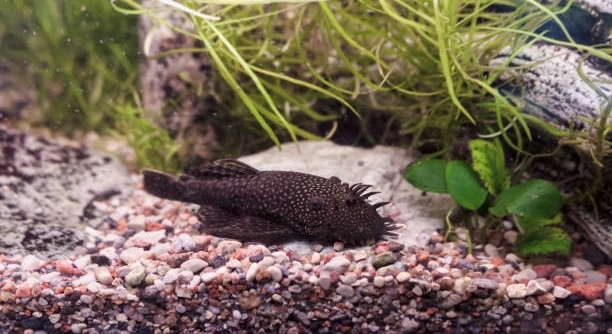
Do you ever notice your plecos moving around the tank more aggressively than usual? Sometimes their behaviors hint at subtle competition over food, territory, or favorite hiding spots in your aquarium environment.
Plecos exhibit competition through increased chasing, territorial displays, and selective feeding behavior. Observing these interactions closely allows aquarists to identify stress points, ensure adequate resources, and maintain a balanced environment that minimizes conflicts among tank inhabitants.
Recognizing these signs early can help you keep your plecos healthy and prevent unnecessary stress in their shared space.
Increased Chasing and Aggression
When plecos compete, one of the clearest signs is increased chasing. You might notice them darting after each other around the tank, often circling the same areas repeatedly. Aggressive displays are common near feeding times or around hiding spots. This behavior is not always violent but indicates tension. Some plecos may push or nudge others off surfaces they prefer. Territorial instincts can trigger dominance struggles even in larger tanks. Watching carefully can help you notice patterns, like which pleco consistently takes over favored areas. Over time, repeated chasing can stress weaker fish, affecting their health and appetite. Providing multiple hiding places and food sources can reduce competition. Some aquarists separate particularly aggressive plecos temporarily to let others regain confidence. A calm tank environment supports better growth and reduces stress-related illnesses. Observing the tank daily allows subtle behavior changes to be addressed before conflicts escalate.
Chasing and aggressive behavior in plecos is a primary indicator of competition and can disrupt social balance if not addressed promptly.
If ignored, repeated aggression can lower immunity and affect overall fish behavior. Managing their environment carefully helps everyone thrive.
Territorial Hiding Spots
Plecos often claim caves, driftwood, or dense plants as their personal space. Observing which areas each fish prefers helps you understand their social hierarchy. Competition occurs when two or more plecos show interest in the same spot, sometimes resulting in nudging or minor skirmishes. Ensuring multiple hiding options reduces stress and allows each fish to feel secure.
Territorial conflicts can escalate if spaces are limited, affecting feeding and growth. Watching where plecos linger and how they interact near their shelters reveals their comfort zones.
Providing varied hiding spots, from ceramic caves to leafy decorations, helps reduce tension. Tank rearrangements should be gradual, letting plecos adjust without triggering new disputes. Overlapping territories can lead to frequent confrontations, especially in smaller tanks. By carefully observing preferences, aquarists can balance the space effectively. Some plecos may be more dominant, while others avoid conflict, preferring secondary areas. Ensuring adequate food and separate resting spots allows all fish to thrive without constant stress. Adjustments in tank layout or adding partitions can prevent frequent confrontations and promote peaceful coexistence. Over time, understanding these dynamics creates a stable, low-stress environment where plecos can feed, rest, and grow healthily, reflecting natural behaviors.
Competition Over Food
Plecos often compete for food, especially when feeding spots are limited. Some fish may eat quickly while chasing others away, leaving smaller or less aggressive plecos hungry and stressed. Feeding multiple locations helps reduce this tension and ensures all fish get enough.
Food competition becomes more obvious when plecos jostle or push each other during feeding. Dominant fish often control favored spots, leaving weaker fish to scavenge. This can lead to uneven growth, weaker immunity, and signs of stress in less dominant individuals. Providing floating pellets, sinking wafers, and occasional fresh vegetables in different tank areas encourages fair access. Timing feedings and observing which plecos struggle helps adjust strategies. Some aquarists use separate feeding zones or temporary barriers to allow shy fish to eat in peace. Rotating feeding areas also prevents strong plecos from claiming permanent advantage. Monitoring consumption ensures all fish maintain healthy weight and reduces tension in the tank over food sources.
Watching closely during meals reveals individual feeding habits and hierarchy. By spacing food sources strategically, you can minimize conflicts and promote a healthier, calmer tank environment.
Overlapping Swimming Routes
Plecos often prefer certain swimming paths, especially around decorations or along the tank glass. Conflicts arise when multiple fish use the same route at the same time. Observing patterns can help prevent unnecessary confrontations.
When swimming routes overlap, plecos may push, block, or circle one another repeatedly. These behaviors show subtle competition for preferred spaces, even without direct aggression. Adjusting décor or adding extra pathways helps fish move freely without repeated encounters. Some plecos adapt quickly, while others may stress if blocked consistently. Monitoring their daily movement helps identify high-traffic areas that need modification. Ensuring smooth flow and multiple routes reduces competition, especially in smaller tanks. Fish become calmer and exhibit natural behaviors without constant interference.
By reorganizing tank layout and observing pleco traffic, you can prevent repeated disputes over preferred swimming paths. This promotes a more balanced social dynamic in the aquarium.
Vocalizations and Noise
Plecos sometimes make clicking or grunting sounds, especially when stressed or competing. These noises often occur near feeding times or around favored hiding spots, signaling tension or attempts to assert dominance. Observing when and where sounds occur helps identify underlying conflicts.
Increased noise often correlates with physical interactions. Dominant plecos may produce louder or more frequent sounds, while submissive fish remain quieter. Tracking patterns can guide adjustments to tank layout or feeding routines to reduce stress and competition.
Guarding Favorite Spots
Plecos will often remain near specific caves, driftwood, or plants for long periods. This guarding behavior signals strong attachment to a spot and may trigger confrontations if others approach. Watching these behaviors helps manage territory disputes before they escalate.
Color and Physical Changes
Competition can cause subtle changes in plecos’ coloration or body condition. Stress may darken their patterns or cause minor injuries from frequent interactions. Monitoring these changes provides insight into which fish may be struggling or losing dominance.
FAQ
How can I tell if my plecos are stressed from competition?
Stress in plecos often shows through changes in behavior or appearance. Signs include hiding more than usual, refusing to eat, or exhibiting darker coloration. Aggressive chasing and repeated territorial displays are also indicators. Observing their daily routine helps identify when stress is becoming an issue, allowing adjustments in feeding or tank layout.
What are the best ways to reduce fighting over hiding spots?
Providing multiple caves, driftwood, or dense plants ensures that no single pleco feels crowded. Spacing hiding spots evenly prevents repeated confrontations. Some aquarists add ceramic or PVC tubes to increase available shelter. Rearranging decorations occasionally gives each fish a chance to explore new territories and reduce established dominance patterns.
Is feeding in multiple locations really effective?
Yes, feeding in different areas minimizes competition. Dominant plecos cannot control every feeding spot, which ensures weaker or shy fish can access food. Using sinking wafers, floating pellets, and fresh vegetables in separate zones allows all fish to feed without constant stress, maintaining healthier growth and weight distribution.
Can tank size affect pleco competition?
Tank size directly impacts how often plecos interact and compete. Smaller tanks concentrate fish in limited space, increasing territorial disputes and chasing. Larger tanks provide more swimming room, multiple hiding spots, and fewer forced encounters. Observing how plecos use available space helps determine if the tank is adequate or requires additional adjustments.
Do plecos of different species compete differently?
Yes, some species are naturally more territorial, while others are more passive. Mixing species requires careful observation of behaviors like chasing, guarding, or food dominance. Ensuring similar-sized fish with compatible temperaments reduces conflicts. Adjustments to tank layout and resource distribution help balance species interactions effectively.
How often should I monitor plecos for signs of competition?
Daily observation is ideal. Watching feeding, swimming routes, and hiding spot usage helps catch small issues before they escalate. Noting subtle changes in color, appetite, or movement patterns ensures interventions happen early, reducing stress and maintaining a peaceful tank environment.
Can competition cause health problems in plecos?
Yes, prolonged stress from fighting or food restriction weakens immunity and slows growth. Injuries from minor skirmishes may lead to infections. Ensuring adequate hiding spots, multiple feeding locations, and enough space reduces stress-related health risks and supports long-term well-being for all plecos.
Are there behavioral signs that indicate dominance hierarchy?
Dominant plecos often control preferred hiding spots, chase others, and feed first. Submissive fish avoid confrontation and occupy secondary areas. Recognizing this hierarchy helps you plan tank layouts and feeding strategies to minimize tension and allow all fish to thrive without constant stress.
Can adding more plecos reduce competition?
Adding more plecos can help if done carefully. A slightly larger group may diffuse aggressive attention across multiple fish rather than targeting a single individual. However, overcrowding worsens competition, so it’s important to match the number of plecos with tank size and available resources.
How do environmental changes affect pleco competition?
Sudden changes, like rearranging decorations or introducing new food types, may increase aggression temporarily. Gradual adjustments help fish adapt without escalating disputes. Observing their reactions after changes allows you to fine-tune the environment for balance and harmony, keeping competition manageable over time.
What tools can help monitor pleco behavior?
A simple notebook or camera can track feeding, hiding, and swimming patterns. Documenting daily interactions helps identify dominant fish, weak feeders, and areas prone to conflict. These records guide adjustments to tank layout, feeding strategies, and hiding spot placement, ensuring a calmer and healthier environment.
Are there signs that indicate competition is no longer a problem?
Reduced chasing, fair access to food, and plecos resting peacefully in their preferred spots indicate tension has eased. Fish display natural behaviors, maintain healthy color and appetite, and show minimal injuries. Continuous observation ensures that competition remains under control and allows prompt intervention if issues return.
This FAQ covers the main ways to spot, understand, and manage pleco competition, helping create a balanced, healthy tank for all fish.
Final Thoughts
Keeping plecos in a shared tank can be rewarding, but it requires careful attention to their behaviors. These fish have natural instincts to claim space, chase rivals, and guard resources. Observing them closely allows you to notice subtle signs of competition before it escalates into serious aggression. Increased chasing, guarding favorite spots, or unusual color changes are all indicators that one or more plecos may feel stressed or threatened. Addressing these behaviors promptly helps reduce tension, ensures all fish have access to food and shelter, and supports their overall health. Simple adjustments, such as adding extra hiding spots or spreading out food sources, can make a significant difference in how peacefully plecos interact.
Understanding the environment is just as important as watching individual fish. Tank size, layout, and the placement of caves, driftwood, and plants all play a role in preventing competition. Crowded or poorly arranged tanks can force plecos into repeated encounters, increasing stress and leading to injuries or poor feeding habits. By offering multiple options for resting, hiding, and swimming, you allow each pleco to establish its own territory without constant conflict. Different species or sizes of plecos may respond differently, so observing the social dynamics in your tank helps you make informed changes. Gradual adjustments, rather than sudden rearrangements, are usually best, giving your plecos time to adapt without heightened tension.
Managing pleco competition is an ongoing process, but it becomes easier with careful observation and proactive measures. Daily monitoring of feeding behavior, swimming routes, and interactions around hiding spots helps you spot potential issues early. Paying attention to subtle signs like grunting noises, shifts in color, or changes in appetite can prevent small problems from becoming bigger conflicts. Providing multiple feeding zones, extra shelters, and enough space promotes calm interactions and healthier growth. Over time, a well-organized tank reduces stress, encourages natural behaviors, and allows plecos to coexist peacefully. Maintaining balance requires patience and consistency, but the result is a harmonious aquatic environment where each pleco can thrive comfortably.

Hello,
If you enjoy the content that we create, please consider saying a "Thank You!" by leaving a tip.
Every little bit helps us continue crafting quality advice that supports the health, happiness, and well-being of pets around the world, for pets of all shapes, sizes, and species.
We really appreciate the kindness and support that you show us!