
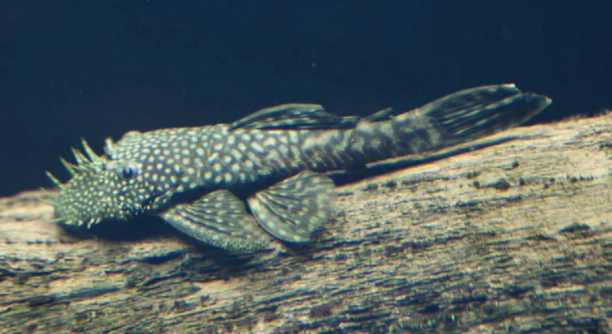
Many pleco owners notice their fish spending a lot of time rubbing against the aquarium glass. This behavior can seem strange or even worrying, but it is quite common among plecos in home aquariums. Observing their habits can be helpful.
Plecos often rub the glass due to irritation caused by parasites, poor water conditions, or stress. This behavior is a natural response to discomfort, and identifying the underlying cause is essential to maintain their health and well-being.
Knowing why your pleco acts this way can improve its environment and overall happiness. The following insights will help you address these behaviors effectively.
Understanding Pleco Behavior
Plecos are bottom-dwelling fish that rely heavily on their environment to feel comfortable. They use surfaces to scrape off algae and naturally explore textures in the tank. Sometimes, rubbing the glass is simply a way for them to clean their bodies or stimulate their skin. However, repeated or aggressive rubbing may indicate irritation. Water quality plays a huge role; high ammonia, nitrite, or nitrate levels can stress plecos and cause unusual behavior. Similarly, tank size matters. A cramped environment limits their natural movement and increases stress. Even the decorations or lack of hiding spots can influence how often they interact with the glass. When a pleco doesn’t have enough driftwood or smooth surfaces to explore, they may seek alternatives. Observing your pleco’s rubbing patterns alongside water testing can provide clear insight into whether the behavior is harmless or a sign of a bigger issue.
Stress and irritation often cause frequent glass rubbing, so monitoring water and tank setup is essential.
Providing proper hiding spots, maintaining water quality, and ensuring the tank is spacious enough reduces stress and helps plecos feel secure.
Water Quality and Health
Poor water conditions are a major factor in pleco health.
High levels of ammonia, nitrites, and nitrates can damage their skin and gills. Overfeeding also contributes to water contamination, increasing harmful bacteria. Plecos are sensitive to sudden changes in temperature or pH, which can make them rub against surfaces to relieve discomfort. Regular water testing, partial water changes, and proper filtration are key to keeping their habitat stable. Observing the fish during these changes is important because signs like lethargy, faded color, or constant rubbing indicate stress or disease. It’s also helpful to research specific care requirements for your pleco species, as different types have varying needs for water hardness, temperature, and tank mates. Providing clean water consistently prevents skin irritation, reduces parasite risk, and encourages natural behavior. With proper care, the frequency of glass rubbing should decrease, and your pleco will be more active, healthy, and comfortable in its environment.
Diet and Feeding Habits
An improper diet can lead plecos to rub against glass. They need enough algae, vegetables, and sinking pellets to stay healthy. Lack of fiber or essential nutrients may cause irritation, prompting them to scratch surfaces.
Feeding habits directly affect their behavior and overall well-being. Plecos require a mix of plant-based foods, such as zucchini, cucumber, and spinach, alongside occasional protein sources like shrimp pellets. Overfeeding can also harm them by polluting the water, creating bacterial buildup that irritates their skin. Monitoring portions and providing a balanced diet ensures they receive proper nutrition while minimizing stress and discomfort.
Some plecos may develop specific preferences or behaviors based on diet. Observing which foods reduce rubbing can guide you in adjusting their meals. Offering a variety of vegetables, algae wafers, and occasional protein helps maintain healthy skin and digestive function. Avoid over-reliance on one food type, as this can lead to nutrient deficiencies or increased stress. A well-fed pleco is calmer, more active, and less likely to engage in frequent glass rubbing.
Tank Setup and Environment
The tank layout significantly impacts pleco behavior. Too little hiding space or smooth surfaces can lead to constant glass rubbing.
Plecos need places to retreat, like caves, driftwood, and plants. Without these, they may feel exposed and stressed, seeking relief by rubbing against hard surfaces. Proper lighting, water flow, and substrate also influence comfort. Observing how your pleco uses the tank allows you to adjust decorations, add hiding spots, and maintain a natural environment. Providing vertical and horizontal surfaces helps them explore and reduces repetitive rubbing.
A thoughtful tank environment promotes both physical and mental health for plecos. They thrive with driftwood for scraping and grazing, soft substrates to prevent injuries, and enough open swimming areas. Plants and rocks create visual barriers that reduce stress and mimic natural habitats. Adjusting water flow and temperature according to species preferences supports overall well-being. A well-planned setup prevents boredom, decreases unwanted behaviors, and encourages natural foraging and cleaning habits. Observing your pleco regularly helps ensure the environment remains suitable and safe for its needs.
Parasites and Skin Irritation
Parasites are a common reason plecos rub against the glass. Skin irritation caused by parasites or bacterial infections makes them seek relief through constant scraping.
Checking for small white spots, redness, or unusual slime is important. Early detection helps prevent serious health issues and allows timely treatment to restore comfort.
Recognizing Signs of Illness
A pleco that rubs excessively may be signaling illness. Lethargy, faded color, frayed fins, or labored breathing often accompany rubbing. Observing these signs helps determine whether a health check or water adjustment is needed. Prompt attention can prevent worsening conditions and promote recovery.
Stress and Social Factors
Tankmates can affect pleco behavior. Aggressive fish or overcrowding increases stress, causing rubbing and other signs of discomfort. Monitoring interactions and adjusting the tank population helps maintain a calm environment.
FAQ
Why does my pleco rub against the glass more at night?
Plecos are mostly nocturnal, so they are more active during the evening. Nighttime rubbing can be part of their normal activity, including cleaning their bodies and exploring the tank. If water conditions are good and no signs of disease are visible, this behavior is usually harmless.
Can poor water quality cause glass rubbing?
Yes. Ammonia, nitrites, or high nitrate levels irritate pleco skin and gills, prompting rubbing. Regular water testing, partial water changes, and proper filtration reduce stress. Even small fluctuations in temperature or pH can trigger discomfort, so consistency is key for healthy behavior.
Is diet related to glass rubbing?
Absolutely. Plecos need a diet rich in vegetables, algae, and occasional protein. Deficiencies in fiber or nutrients may cause them to scratch surfaces. Overfeeding can also pollute the tank, creating bacterial buildup that irritates skin. Offering a variety of foods helps prevent rubbing caused by diet-related stress.
Can tank size or layout affect rubbing?
Yes. A cramped tank or lack of hiding spots increases stress and causes plecos to rub against surfaces. Providing caves, driftwood, and plants allows them to retreat, explore, and graze naturally. Soft substrates reduce injury risk, while open swimming areas encourage normal activity and reduce repetitive rubbing.
Are parasites a concern for glass rubbing?
Parasites, bacterial infections, or fungal growth can irritate plecos. Look for small white spots, redness, or excess slime. Early detection and treatment prevent worsening conditions. Observing rubbing patterns alongside skin changes helps determine if medical intervention is needed.
Does stress from tankmates affect this behavior?
Aggressive or overly active fish can increase stress in plecos, causing rubbing or hiding. Overcrowding also contributes to discomfort. Monitoring interactions, maintaining proper population density, and offering hiding spaces reduces stress and discourages repetitive rubbing.
Is glass rubbing always a sign of illness?
Not always. Some rubbing is natural for cleaning or exploration. However, persistent or aggressive rubbing combined with lethargy, color changes, or frayed fins often indicates illness or irritation. Careful observation and addressing potential causes are important to maintain pleco health.
How can I prevent glass rubbing?
Maintaining stable water conditions, providing a balanced diet, adding hiding spots, and monitoring tankmates are effective strategies. Regular observation helps detect stress, disease, or environmental issues early. Consistency in care and proper tank setup minimizes the behavior and keeps plecos healthy and comfortable.
When should I consult a veterinarian?
If rubbing is excessive, paired with skin lesions, labored breathing, or abnormal swimming, a veterinarian familiar with fish health should be consulted. Early intervention improves recovery chances and prevents long-term complications, ensuring the pleco remains active and stress-free in its environment.
Can decorations or surfaces influence rubbing?
Yes. Rough or limited surfaces may encourage rubbing. Providing driftwood, rocks, and smooth surfaces helps plecos scrape naturally and reduces repetitive contact with the glass. Observing which areas they prefer allows adjustments to the environment to keep them comfortable and engaged.
How long does it take to see improvement?
With proper care—clean water, balanced diet, sufficient hiding spots, and reduced stress—behavior often improves within days to weeks. Monitoring water parameters and pleco activity helps track progress and ensures ongoing health. Consistency is key for lasting results.
Do different pleco species behave differently?
Yes. Some species are more active or territorial, affecting how often they rub surfaces. Researching specific needs for water, temperature, and diet ensures appropriate care and reduces stress-related rubbing. Tailoring the environment to species behavior improves overall comfort.
Can overfeeding worsen rubbing?
Overfeeding increases waste, pollutes water, and encourages bacterial growth. This can irritate skin, leading to more rubbing. Feeding measured portions, removing uneaten food, and maintaining tank hygiene prevent these issues and support healthy pleco behavior.
Is rubbing ever completely normal?
Moderate rubbing for cleaning or exploring is normal. Observing patterns, water quality, diet, and overall health determines whether it is harmless or a sign of irritation. Proper care ensures the behavior remains natural and does not indicate underlying problems.
What small changes can reduce rubbing?
Adding hiding spots, improving water quality, balancing diet, and monitoring tankmates often reduce rubbing. Even minor adjustments in tank layout or temperature consistency can relieve stress and prevent repetitive contact with glass. Tracking behavior helps fine-tune care strategies.
How do I identify if it’s stress or illness?
Stress-related rubbing usually occurs without other health signs but may include hiding, chasing, or twitching. Illness-related rubbing often comes with discoloration, frayed fins, or lethargy. Comparing behavior with environmental conditions helps pinpoint the cause and inform treatment or adjustments.
Can changing the lighting help?
Yes. Plecos prefer dimmer areas. Harsh lighting can cause stress and rubbing. Providing shaded spots or subdued lighting aligns with their nocturnal habits, reducing unnecessary rubbing and promoting comfort.
Does temperature affect rubbing?
Sudden changes or incorrect temperatures stress plecos, sometimes causing rubbing. Maintaining stable temperature within species-specific ranges ensures comfort, encourages normal activity, and prevents irritation-related behaviors.
Are there natural remedies for minor irritation?
Adding aquarium salts or using mild, fish-safe treatments can relieve minor skin irritation. Always follow species-specific guidelines and monitor reactions closely to avoid worsening conditions or toxicity.
How often should I observe my pleco?
Daily observation is ideal. Noticing changes in rubbing frequency, energy levels, color, and interaction with the environment helps detect stress or health issues early. Consistent monitoring supports proactive care and improves overall well-being.
Can plecos self-heal from minor scratches?
Yes, minor scratches often heal if the water is clean and stress is low. Providing hiding spots and avoiding rough handling promotes natural recovery without complications.
Do plecos rub the glass for attention?
No. This behavior is never for attention. It is driven by environmental factors, irritation, or natural cleaning instincts. Understanding underlying causes ensures the behavior is addressed appropriately.
Is it normal for plecos to scrape surfaces daily?
Daily scraping is natural for cleaning and foraging. Persistent, aggressive, or focused glass rubbing may indicate irritation, poor water quality, or stress and should be monitored closely.
How can I track progress after adjustments?
Keep a log of water parameters, feeding routines, tank changes, and pleco behavior. Noting improvements or persistent rubbing helps evaluate which changes are effective and whether additional interventions are needed.
What is the best overall approach to reduce rubbing?
Maintain clean water, provide balanced diet, offer hiding spots, monitor tankmates, and observe behavior consistently. Small, targeted adjustments often resolve rubbing, while early detection of health issues prevents serious problems. Proper care ensures comfort, activity, and long-term health.
Are there signs that indicate permanent tank changes are needed?
Persistent rubbing despite water quality improvement, adequate hiding spots, and proper diet suggests tank size or layout may need adjustment. Adding space, driftwood, or plants helps recreate a natural environment and reduces repetitive, stress-driven behavior.
How does age affect rubbing?
Younger plecos may explore more, occasionally rubbing surfaces, while older plecos may show stress-related rubbing if conditions are poor. Adjusting care to age-specific needs ensures comfort and reduces irritation-related behaviors.
What should I do if rubbing continues despite all efforts?
Consult a veterinarian or aquaculture specialist. Persistent rubbing may indicate hidden infections, parasites, or chronic irritation. Professional advice ensures accurate diagnosis and appropriate treatment, improving the pleco’s quality of life and long-term health.
Can glass rubbing damage my pleco?
Excessive or aggressive rubbing can cause minor scratches or abrasions, increasing the risk of infection. Monitoring behavior, improving water conditions, and adding smooth surfaces or driftwood prevents injury and supports healing.
How important is regular observation?
Consistent monitoring allows early detection of stress, illness, or environmental issues. Daily attention to behavior, feeding, and water parameters ensures interventions are timely, preventing serious problems and promoting healthy, comfortable plecos.
Are there behavioral signs that predict rubbing?
Restlessness, frequent exploration of tank walls, or avoidance of hiding spots may precede increased rubbing. Recognizing these behaviors helps identify potential stressors or irritation before it becomes a persistent problem.
How do I balance diet, tank conditions, and stress management?
Providing a variety of vegetables, algae, and protein alongside clean water, proper hiding spots, suitable tankmates, and consistent temperature reduces rubbing. Observing and adjusting based on behavior ensures a balanced environment that supports natural, healthy activity.
Can rubbing indicate internal problems?
Yes. Internal parasites or digestive issues sometimes cause skin irritation leading to rubbing. Signs like bloating, poor appetite, or unusual swimming patterns suggest internal problems that may require treatment alongside environmental adjustments.
Do plecos always need driftwood for scraping?
Most species benefit from driftwood, which provides natural surfaces for cleaning and grazing. Lack of driftwood may lead to glass rubbing. Offering alternative smooth surfaces or plant stems can supplement their natural scraping needs.
Is it normal for plecos to rub the same spot repeatedly?
Occasional repetition is normal for cleaning, but constant rubbing in the same area often signals irritation, stress, or environmental problems. Observing patterns helps identify the underlying cause and inform adjustments to tank care.
How can I prevent future rubbing issues?
Maintain consistent water quality, provide a balanced diet, ensure proper tank size, offer hiding spots, monitor tankmates, and observe daily behavior. Small, proactive adjustments reduce stress, prevent irritation, and encourage natural activity. Regular attention keeps plecos healthy and comfortable.
Can rubbing affect pleco lifespan?
Chronic stress, poor water quality, or untreated illness causing frequent rubbing can impact health and longevity. Addressing underlying issues early helps maintain vitality and reduces risks of long-term complications.
Should I change tank mates if rubbing persists?
Aggressive or overly active tankmates increase stress. Replacing or rearranging species to reduce conflicts often decreases rubbing. Ensuring compatible tankmates promotes a calm, balanced environment for the pleco.
Are there environmental enrichment strategies to reduce rubbing?
Providing driftwood, caves, smooth surfaces, plants, and varied substrates allows exploration, grazing, and hiding. Enrichment encourages natural behaviors, reduces boredom, and minimizes repetitive rubbing against the glass.
What is the role of observation in long-term care?
Daily monitoring of behavior, water quality, diet, and interactions allows timely interventions. Early detection of stress or health issues ensures the pleco remains active, comfortable, and maintains long-term well-being.
How do I differentiate harmless rubbing from serious issues?
Harmless rubbing occurs occasionally without other health changes. Serious issues include persistent rubbing combined with lethargy, color changes, skin lesions, frayed fins, or unusual breathing. Careful observation and environmental assessment help distinguish between the two.
Can plecos recover fully from irritation?
Yes, with proper water conditions, diet, hiding spots, and reduced stress, most plecos recover completely. Minor injuries heal naturally, and behavior typically returns to normal once underlying issues are resolved.
What are the most common causes of repetitive rubbing?
Stress, poor water quality, parasites, improper diet, lack of hiding spots, and incompatible tankmates are the most frequent triggers. Addressing each factor individually ensures the behavior is minimized and pleco health is maintained.
How often should I perform tank maintenance?
Weekly partial water changes, filter cleaning, and monitoring water parameters prevent irritation and reduce glass rubbing. Maintaining a clean and stable environment supports both behavioral and physical health for plecos.
Does age or size of the pleco affect rubbing frequency?
Younger, smaller plecos may explore more and rub surfaces for cleaning. Larger or older plecos may develop irritation-related rubbing if environmental conditions are poor. Adjusting care according to age and size promotes comfort and reduces stress.
Can rubbing be contagious to other fish?
No, rubbing is not contagious. However, poor water quality or parasites causing rubbing can affect tankmates indirectly. Maintaining clean water and observing all fish prevents the spread of stress or infections.
Are there signs that rubbing is temporary?
If rubbing decreases after water changes, diet adjustment, or added hiding spots, it is likely temporary. Observing behavior following small interventions indicates whether the cause was minor and manageable.
What role does tank size play in preventing rubbing?
Adequate space allows plecos to swim freely, explore surfaces, and retreat when needed. Cramped tanks increase stress, encourage repetitive rubbing, and limit natural behaviors. Providing sufficient volume and hiding spots reduces these risks.
Can seasonal changes affect behavior?
Temperature fluctuations or seasonal light changes can stress plecos, sometimes increasing rubbing. Maintaining consistent conditions year-round prevents environmental stress and supports stable behavior.
How do I know if rubbing is due to boredom?
Bored plecos often explore or scrape surfaces without signs of irritation or illness. Providing enrichment, grazing surfaces, and hiding spots reduces boredom-driven rubbing and encourages natural activity.
Should I test for parasites regularly?
Routine observation for spots, slime, or discoloration helps detect parasites early. Testing water and monitoring fish reduces risk and ensures timely intervention if signs appear.
How important is tank filtration in preventing rubbing?
Good filtration maintains water quality, reduces toxins, and prevents skin irritation. Proper filtration directly impacts pleco comfort, health, and frequency of glass rubbing.
Can rubbing be a response to tank noise or vibrations?
Yes, loud noises or vibrations can stress plecos, causing rubbing or hiding. Minimizing disturbances and placing tanks in quiet areas supports calm behavior and reduces stress-induced rubbing.
Are all rubbing behaviors negative?
No. Occasional rubbing for cleaning or exploration is normal. Only persistent, aggressive, or irritation-linked rubbing requires intervention. Differentiating between natural and problematic behavior ensures proper care and prevents unnecessary worry.
Does pleco temperament affect rubbing frequency?
Individual temperament influences activity levels and stress response. Some plecos are naturally more active and explore surfaces more, while others rub only under stress or discomfort. Understanding personality helps interpret behavior accurately.
What is the simplest way to reduce rubbing?
Maintaining clean water, providing hiding spots, offering a balanced diet, monitoring tankmates, and observing behavior regularly addresses most causes. Consistent care ensures comfort, reduces stress, and minimizes glass rubbing.
Can rubbing indicate long-term health problems?
Persistent rubbing linked to poor water quality, stress, or untreated illness can affect overall health. Early identification and corrective action prevent long-term issues and support pleco longevity.
How often should I re-evaluate my tank setup?
Quarterly checks of tank size, decorations, hiding spots, substrate, and water flow help maintain a comfortable environment. Adjusting based on pleco behavior prevents stress and reduces rubbing tendencies.
Is rubbing a reason to separate plecos from other fish?
Only if aggression, stress, or injury is observed. Otherwise, proper tank layout, hiding spots, and compatible tankmates usually resolve rubbing without separation.
What is the best combination of care practices to prevent rubbing?
Balanced diet, clean water, suitable tank size, hiding spots, compatible tankmates, regular observation, and timely interventions work together. This holistic approach reduces irritation, stress, and repetitive rubbing, ensuring pleco health and comfort.
Can plecos adapt to minor irritation over time?
Yes. With consistent care, minor irritation from temporary environmental issues often resolves, and plecos return to normal behavior. Observation ensures adaptation occurs without health complications.
Are certain water parameters more critical for plecos?
Stable temperature, pH, hardness, and low ammonia/nitrite levels are crucial. Maintaining these prevents stress, irritation, and rubbing. Regular testing supports a healthy environment.
Do plecos ever stop rubbing naturally?
Once environmental conditions are stable, diet is balanced, and stress is minimized, most plecos reduce or stop rubbing. Persistent rubbing signals unresolved issues requiring attention.
Can multiple small changes be more effective than one big change?
Yes. Gradual adjustments in diet, water quality, hiding spots, and tankmates often have better results. Observing responses to small changes helps determine the most effective interventions.
How do I track which interventions work best?
Keeping a simple log of water tests, feeding schedules, tank adjustments, and pleco behavior shows trends. Comparing before-and-after behavior helps identify which changes reduce rubbing most effectively.
Are some pleco species more prone to rubbing?
Yes. Species that graze heavily, are territorial, or have sensitive skin may rub more frequently. Knowing species-specific needs helps tailor care and reduce excessive rubbing.
Can rubbing cause stress for other fish?
Indirectly. Overcrowding or environmental stress that triggers rubbing may affect tankmates. Maintaining clean water, adequate space, and compatible fish ensures calm interactions.
How long should I observe before making changes?
A few days of consistent observation is usually enough to notice patterns. Immediate changes are only necessary if there are signs of illness, stress, or injury. Otherwise, gradual adjustments are preferable.
Can supplements help reduce rubbing?
Some supplements like algae wafers or vegetables support skin health. Only species-appropriate, balanced supplements should be used. Overuse or incorrect supplements may worsen water quality and increase irritation.
Is rubbing more common in younger plecos?
Younger plecos explore more, sometimes leading to higher rubbing frequency. Ensuring proper diet, tank size, and hiding spots reduces stress and supports natural activity.
What role does lighting play in stress-induced rubbing?
Bright or inconsistent lighting can stress plecos, increasing rubbing. Providing shaded areas and consistent light cycles helps reduce stress and maintain calm behavior.
Can rubbing indicate gill problems?
Yes. Gill irritation from poor water quality or parasites may cause scraping. Observing breathing patterns alongside rubbing helps determine if gills are affected.
Is glass rubbing permanent if ignored?
Persistent environmental or health issues can lead to long-term stress and repeated rubbing. Addressing causes early prevents long-term behavioral or health consequences.
Can routine tank enrichment prevent rubbing?
Yes. Driftwood, caves, smooth surfaces, and plants encourage natural exploration and grazing. Enrichment reduces boredom, stress, and repetitive rubbing, promoting a healthier, more active pleco.
How important is a balanced diet for preventing rubbing?
Crucial. Proper nutrition supports skin health, digestion, and energy levels. Nutrient deficiencies or overfeeding can increase irritation, leading to more rubbing. Monitoring diet ensures consistent health.
Should I separate sick plecos to stop rubbing?
Only if necessary for treatment or to reduce stress from tankmates. Otherwise, maintaining clean water, hiding spots, and proper diet is sufficient.
Can rubbing indicate internal discomfort?
Yes. Digestive issues, parasites, or nutrient deficiencies sometimes manifest as surface rubbing. Observing overall behavior alongside water quality helps identify internal causes.
Do plecos rub surfaces for stimulation?
Yes. Natural behavior includes grazing, exploring, and cleaning. Providing driftwood, rocks, and smooth surfaces allows stimulation without relying on glass.
Final Thoughts
Understanding why your pleco rubs the glass is important for maintaining its health and comfort. While some rubbing is natural for cleaning or exploring, frequent or aggressive rubbing usually indicates an underlying issue. Plecos rely heavily on their environment, diet, and tankmates to feel secure. Small changes in water quality, hiding spaces, or feeding routines can make a big difference in reducing stress and irritation. Observing your pleco’s behavior regularly allows you to notice patterns early and take steps before problems worsen. Paying attention to these details shows that the behavior is not random but often linked to specific causes. Over time, these adjustments create a calmer, healthier fish that interacts with its tank in natural and safe ways, rather than focusing on glass rubbing. Consistency is key; sudden changes in diet, temperature, or tank setup can actually increase stress and worsen rubbing.
Water quality is one of the most important factors to consider. Plecos are sensitive to ammonia, nitrite, nitrate, and pH fluctuations, and poor water conditions can cause skin and gill irritation. Keeping the water clean and stable is essential for minimizing rubbing and preventing health issues. Partial water changes, regular filter maintenance, and water testing are small but effective steps. Tank size also matters; plecos need enough space to swim freely, hide, and explore. Providing caves, driftwood, and soft substrates allows them to graze and scrape surfaces naturally, which reduces the likelihood of rubbing the glass. Additionally, tankmates can influence behavior. Aggressive or overly active fish increase stress, which may lead to more frequent rubbing. Arranging the tank thoughtfully and maintaining compatible fish populations helps create a calm environment, letting your pleco feel safe and secure.
Diet and overall care cannot be overlooked. Plecos need a variety of vegetables, algae, and occasional protein to stay healthy. Nutrient deficiencies or overfeeding can irritate the skin or pollute the water, both of which contribute to rubbing behavior. Observing how your pleco responds to changes in food can guide better feeding routines and prevent future issues. Monitoring behavior, maintaining clean water, providing proper hiding spots, and ensuring a balanced diet work together to improve the pleco’s quality of life. Even minor improvements, like adding a piece of driftwood or adjusting lighting, can reduce stress and make your fish more comfortable. Ultimately, understanding your pleco’s needs and responding carefully to its behavior ensures a healthier, happier fish. By addressing environmental, dietary, and social factors, you can reduce glass rubbing and create a stable, supportive habitat that promotes natural behaviors and long-term well-being.

Hello,
If you enjoy the content that we create, please consider saying a "Thank You!" by leaving a tip.
Every little bit helps us continue crafting quality advice that supports the health, happiness, and well-being of pets around the world, for pets of all shapes, sizes, and species.
We really appreciate the kindness and support that you show us!