
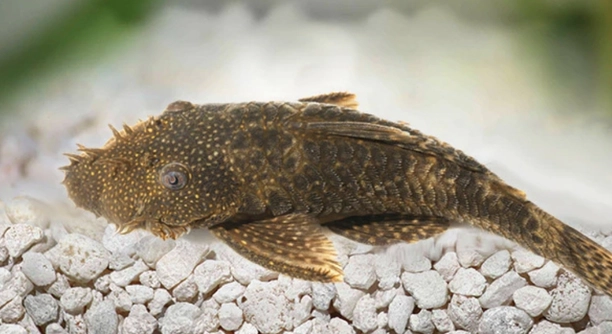
Plecos are fascinating fish that often show behaviors that seem strange at first. Many new owners worry when they notice unusual movements or actions in their tanks. These habits are usually normal and harmless to their health.
Many odd behaviors in plecos, such as resting upside down, rubbing against surfaces, or hiding frequently, are instinctive and do not indicate illness. These actions are part of their natural patterns, supporting their overall well-being in captivity.
Observing these habits can help you better understand your pleco’s needs and create a comfortable environment for its daily life.
Resting in Odd Positions
Plecos often rest in positions that seem unusual, like lying on their backs or wedged between decorations. This behavior can be alarming at first, but it is typically harmless. These fish are nocturnal and enjoy resting during the day. Their bodies are built to cling to surfaces, which sometimes leads them to rest upside down or sideways. Observing them quietly often reveals that they are relaxed and not in distress. Their natural instinct to find secure spots makes them choose corners, under driftwood, or behind rocks. Even if it looks uncomfortable, plecos can maintain these positions without issue. This habit is more about feeling safe and conserving energy than anything else. Tank conditions, such as smooth surfaces or dim lighting, can encourage them to adopt these positions. Accepting these resting habits helps create a calm tank environment. Over time, owners usually notice these moments as part of their pleco’s daily routine.
This resting behavior is normal and does not require medical attention. It is simply part of their adaptation to their environment.
Watching plecos rest can be surprisingly calming. Their ability to balance in tight spaces or cling to surfaces shows how well-adapted they are. By providing smooth, secure areas and stable water conditions, you encourage natural behaviors. Plecos will often choose the same spots consistently, making them easier to observe. Their resting patterns also give insight into their health. A healthy pleco will remain still for hours without showing signs of stress. Lighting and tank arrangement can influence how often they adopt unusual positions. By understanding these habits, you can create a comfortable habitat and avoid unnecessary worry about what might seem like awkward or alarming behaviors. Over time, you’ll notice these resting moments are just part of how plecos thrive in captivity.
Rubbing Against Surfaces
Plecos frequently rub themselves on tank surfaces or decorations. This action is generally harmless and is part of their natural behavior.
Rubbing helps plecos remove dead skin and algae, keeping their bodies healthy. It can also be a way to mark territory or interact with their environment. Providing smooth surfaces and gentle decor reduces any risk of injury while supporting this instinctive behavior. Observing the frequency and intensity can indicate normal activity or minor irritation but usually signals nothing serious.
Plecos’ rubbing habits can look concerning, but they are important for maintenance and stimulation. This action allows them to clean off debris and maintain their slime coat, which protects against infections. Algae-covered decorations provide a natural surface for this behavior. Sometimes plecos rub more when preparing to rest or when their environment changes. Regular observation ensures that this behavior remains normal and does not cause damage. Adjusting tank items to avoid sharp edges supports their health. Understanding this habit helps owners recognize healthy interactions with their surroundings, rather than interpreting them as signs of illness. It also gives insight into how plecos explore and interact with their environment. Proper tank design encourages these natural behaviors safely, benefiting both the fish and the overall tank ecosystem.
Hiding for Long Periods
Plecos often spend hours hidden behind rocks or decorations. This behavior is natural and usually indicates they feel safe and secure in their environment. Hiding is a way for plecos to rest and avoid stress without any health concerns.
Spending long periods in hiding is a normal part of pleco behavior. They are nocturnal creatures, so they prefer quiet and dim areas during the day. Providing caves, driftwood, and dense plants allows them to feel protected. Hiding spots also help reduce stress from tank mates or sudden movements. While it may seem unusual to see them disappear for hours, this behavior shows that they are comfortable. Owners should not force plecos out, as it can cause stress. Over time, regular observation can reveal their favorite spots and preferred times for activity. Recognizing hiding as a positive behavior helps maintain a calm and suitable tank environment for plecos.
This tendency to hide also supports natural instincts like avoiding predators and resting safely. Plecos may choose the same spots repeatedly, making their habits predictable. It is important to maintain clean, safe hiding areas. Uneven surfaces or sharp objects should be avoided, as plecos may accidentally injure themselves while squeezing into tight spaces. Hiding also provides mental stimulation, mimicking environments they would encounter in the wild. Understanding this behavior reassures owners that absence from open areas is normal, not a sign of illness. Regular observation and proper tank design encourage plecos to express this instinct safely and comfortably.
Nocturnal Activity
Plecos are most active at night, often moving, feeding, and exploring after lights go off. Daytime stillness is normal and should not cause concern.
Their nocturnal patterns are a natural trait, evolved to avoid predators and find food. During the day, plecos may rest in hidden or shaded areas. Nighttime activity includes grazing on algae, swimming, and interacting with decorations. Feeding schedules should consider this behavior, providing food when they are naturally active. Owners who only observe during daylight might think their pleco is inactive or unwell. Understanding nocturnal activity helps optimize tank care, such as providing hiding places and appropriate feeding times, while respecting the fish’s natural rhythm.
Observing plecos at night can reveal their unique personalities and preferences. They may patrol specific areas, cling to surfaces, or explore new spaces carefully. Providing sufficient hiding spots ensures they feel secure, even when lights are on. Tank lighting can be adjusted to mimic natural day-night cycles, encouraging healthy nocturnal behavior. Some plecos may interact more with tank mates during night hours, which is part of their social adaptation. Owners can plan feeding and cleaning schedules around these patterns to minimize stress. Recognizing their nocturnal tendencies helps maintain a balanced, comfortable environment, ensuring plecos remain healthy and display natural behaviors consistently.
Breathing at the Surface
Plecos sometimes rise to the water surface and appear to gulp air. This behavior is normal for many species, especially in tanks with lower oxygen levels. It helps them stay healthy without indicating illness.
This surface breathing is an adaptive trait. Plecos can extract oxygen from the air when needed, supplementing their gill function. It often happens more in warm water or densely stocked tanks. Monitoring water quality ensures this behavior remains normal and not a sign of stress.
Sucking on Tank Glass
Plecos frequently attach themselves to the glass or decorations, creating suction. This is a natural way for them to explore and feed on algae. Providing smooth surfaces and algae-rich areas supports this behavior without causing harm.
Tail Twitching
Plecos may twitch or flick their tails while resting or moving. This is usually harmless and part of their natural movements, often related to maintaining balance or minor adjustments in position.
FAQ
Why does my pleco hide all the time?
Plecos are naturally shy and nocturnal. Hiding is a normal behavior that makes them feel secure. Providing caves, plants, and driftwood encourages this instinct without causing stress. Long periods of hiding usually indicate comfort rather than illness. Only sudden changes in behavior or refusal to eat should raise concern.
Is it normal for my pleco to rest upside down?
Yes, many pleco species rest in unusual positions, including upside down or sideways. Their bodies are designed to cling to surfaces, allowing them to rest safely in these positions. This behavior is part of their natural adaptation and does not indicate health problems.
Why does my pleco rub against the tank?
Rubbing against surfaces helps plecos clean off debris and algae. It also maintains their protective slime coat. This behavior can be more noticeable on rough or algae-covered surfaces. Unless you see injuries or excessive scraping, it is normal and healthy.
Should I worry if my pleco breathes at the surface?
Occasional surface breathing is normal for many pleco species. It allows them to supplement oxygen intake, especially in warm or heavily stocked tanks. Continuous rapid gasping may indicate low oxygen or poor water quality, which requires attention. Monitoring water parameters can prevent problems.
Why does my pleco twitch its tail?
Tail twitching is a harmless movement related to balance adjustments, minor muscle contractions, or interaction with the environment. It usually occurs while resting or clinging to surfaces. Only persistent, violent twitching combined with other symptoms may suggest stress or illness.
Is it normal for plecos to be active at night?
Yes, plecos are naturally nocturnal. They become active during the night for feeding and exploring, while remaining mostly still during the day. Understanding this pattern helps with feeding schedules and reduces unnecessary concern over daytime inactivity.
Why does my pleco attach to the glass?
Suctioning to glass or decorations is a normal behavior for feeding and exploring. Plecos use their mouths to graze algae and hold onto surfaces. Smooth surfaces or algae-rich areas support this instinct safely, allowing natural behaviors to continue without harm.
Can plecos coexist with other fish?
Plecos are generally peaceful but territorial with their own species, especially adults. They usually coexist with community fish without issues if there are enough hiding spots. Avoid overcrowding and aggressive tank mates to maintain a stress-free environment.
What does frequent hiding or inactivity mean?
Frequent hiding is normal and indicates security. However, if hiding is accompanied by loss of appetite, abnormal swimming, or visible wounds, it may indicate illness. Regular observation ensures that behavior changes are recognized early for proper care.
How do I know if my pleco is stressed?
Signs of stress include rapid breathing, loss of appetite, frequent erratic swimming, or excessive scraping against surfaces. Minor odd habits, like unusual resting or tail twitching, are not stress indicators. Maintaining stable water conditions, hiding spots, and compatible tank mates reduces stress.
Can plecos survive in small tanks?
Plecos can survive in small tanks temporarily, but most species grow large and require ample space. Overcrowding can lead to poor water quality and stress. A well-planned tank with enough hiding spaces and proper filtration is essential for long-term health.
Do plecos need special diets?
Plecos mainly eat algae, but they also benefit from vegetables and sinking pellets. Offering varied foods ensures proper nutrition and encourages natural feeding behaviors. Avoid overfeeding, as uneaten food can reduce water quality and stress your fish.
Why does my pleco seem inactive during the day?
Daytime inactivity is normal for nocturnal plecos. They conserve energy, often hiding while resting. Observing them during night hours reveals natural activity patterns, including grazing, exploring, and interacting with their environment. Understanding this helps align feeding and care routines.
How can I encourage my pleco to be more visible?
Plecos may become more visible by adjusting tank lighting, providing open resting areas, and placing food strategically. Avoid forcing them out of hiding. Respecting their natural behavior ensures comfort while allowing occasional observation of their activities.
Do plecos interact with each other?
Plecos show minimal social interaction with other species, but they may display mild territorial behavior with other plecos. Providing enough space and multiple hiding spots reduces competition and supports natural instincts. Most community tanks allow plecos to coexist peacefully.
What are common health issues to watch for?
While odd habits are usually harmless, watch for rapid breathing, sudden lethargy, loss of appetite, visible wounds, or unusual swimming. These can indicate stress, poor water quality, or disease. Early intervention ensures better outcomes and maintains overall tank health.
How often should I clean a pleco tank?
Regular maintenance includes weekly partial water changes, cleaning filters, and monitoring water parameters. Plecos produce significant waste, so maintaining cleanliness prevents stress and supports natural behaviors like grazing and surface suctioning. Consistency is key for long-term health.
Can plecos adapt to different tank setups?
Yes, plecos adapt to a variety of setups, but they thrive in tanks with hiding spots, smooth surfaces, and stable water conditions. Decorations, caves, and driftwood enhance their comfort and allow natural behaviors to flourish. Proper adaptation requires patience and observation.
How long do plecos live?
Plecos can live 10–15 years or more with proper care, depending on the species. Stable water conditions, balanced diet, and an appropriate tank environment contribute to longevity. Understanding their habits supports healthy and long-lived fish.
What should I do if my pleco acts strangely?
Minor odd behaviors are normal, but sudden changes in activity, appetite, or appearance should prompt water checks and observation for illness. Keeping a consistent routine, clean tank, and proper diet minimizes risks and helps identify issues early.
This FAQ provides guidance on pleco behaviors that often worry owners unnecessarily. Recognizing which habits are normal helps ensure a calm, healthy environment and reduces stress for both the fish and the caretaker.
Final Thoughts
Plecos are unique fish with behaviors that can seem strange at first. Many of their habits, like resting in odd positions, hiding for long periods, or rubbing against tank surfaces, are completely natural and do not indicate a problem. Understanding these behaviors helps owners feel more confident in caring for them. Observing your pleco calmly, without trying to force changes, is the best way to ensure it remains healthy and stress-free. Over time, you will notice patterns in their activity and resting spots, which can make daily care easier and more predictable. Accepting their natural instincts allows plecos to thrive in a home tank while letting you enjoy their quirks without unnecessary worry.
Creating a suitable environment is key to supporting pleco habits. They need hiding spots, smooth surfaces for suctioning, and areas with algae or safe foods to graze. Water quality and temperature are also important to maintain. By paying attention to these factors, most odd behaviors remain harmless and simply reflect natural adaptations. Even behaviors that look unusual, such as surface breathing or tail twitching, are often part of their normal routine. Owners who provide a calm, stable tank environment with proper care routines will find that their plecos display these habits without signs of stress or illness. Understanding the reasons behind these actions not only reassures owners but also helps maintain a healthier, happier fish over the long term.
Observing plecos over time builds a deeper appreciation for their personalities. They may be more active at night, prefer specific hiding spots, or interact with surfaces in ways that are unusual but perfectly normal. Recognizing these habits allows you to distinguish between natural behaviors and potential health concerns. While it is always important to monitor for sudden changes in appetite, swimming patterns, or appearance, most of the habits described are harmless. By supporting your pleco’s natural tendencies through a well-maintained tank, balanced diet, and safe spaces, you create an environment where the fish can thrive. Learning to appreciate these quirks turns everyday observations into a satisfying experience, helping you feel more connected to your pet and confident in your care. Over time, what once seemed odd becomes part of the charm of keeping plecos.

Hello,
If you enjoy the content that we create, please consider saying a "Thank You!" by leaving a tip.
Every little bit helps us continue crafting quality advice that supports the health, happiness, and well-being of pets around the world, for pets of all shapes, sizes, and species.
We really appreciate the kindness and support that you show us!