
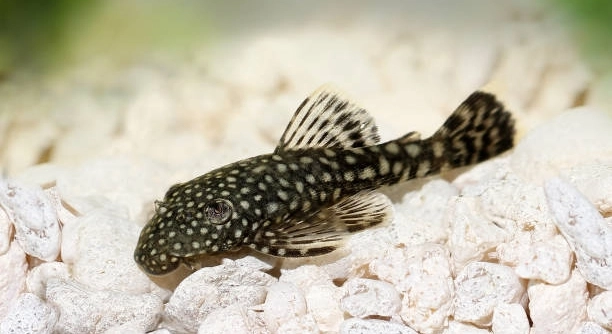
Do your plecos seem to rearrange their tank decorations more than you expected? Many aquarists notice that these fish grow quickly and sometimes change how they interact with their environment over time. Observing these changes is common.
Plecos can outgrow certain tank decorations, especially small caves, driftwood pieces, or tight hiding spots. Providing appropriately sized items is essential, as inadequate space can cause stress, reduce activity, and negatively impact their overall health and well-being.
Monitoring your pleco’s growth and tank setup ensures a healthier, more comfortable environment. Adjusting decorations thoughtfully supports their natural behaviors and long-term happiness in your aquarium.
Understanding Pleco Growth
Plecos start small, but they can grow rapidly depending on the species. Some common varieties reach over a foot in length, which means decorations suitable for juveniles may become too small. Driftwood, caves, and ornaments that were once perfect hiding spots may start to feel cramped. When a pleco is unable to fully fit inside its favorite cave, it can lead to stress and reduced activity. Observing their behavior can help you know when it’s time to adjust the tank layout. Removing or replacing items gradually allows your fish to adapt comfortably. It’s also important to consider the tank’s overall size. A larger pleco needs more swimming space in addition to hiding spots. Overcrowding can affect water quality, making filtration and maintenance even more critical. Providing a variety of decorations ensures that your pleco has options for both hiding and exploring.
Monitoring decorations regularly helps prevent stress and keeps your pleco active and healthy.
Replacing small decorations with larger alternatives ensures comfort, supports natural behaviors, and maintains a balanced tank environment for adult plecos.
Choosing the Right Decorations
Not all decorations suit every pleco, and size matters more than aesthetics.
When selecting items, consider the fish’s adult size. Driftwood should be large enough for the pleco to rest against comfortably. Caves should allow full entry without restriction. Avoid decorations with sharp edges, which can injure delicate fins or scales. Smooth rocks, broad plants, and custom-made hides often work best for larger fish. It’s useful to provide multiple hiding areas at different points in the tank. This variety encourages movement and reduces competition if more than one pleco shares the space. Decorations should also support natural behaviors, like grazing on surfaces or scraping algae. For very large species, consider half logs or oversized artificial caves that give ample room. Keeping decorations stable and heavy prevents tipping when the fish moves or rests. Regular inspection ensures no small gaps or unstable pieces compromise safety. Over time, upgrading decorations to match growth helps maintain a stress-free and stimulating environment.
Maintaining Safe Decorations
Small or unstable decorations can pose risks as plecos grow. Heavy items are safer and less likely to tip over. Avoid sharp edges or thin ornaments that can break under pressure. Stable, smooth decorations reduce injuries and support natural behaviors.
As plecos increase in size, their strength and curiosity can lead to accidents in the tank. Decorations that were once secure may shift or topple, potentially harming the fish or damaging the tank. Smooth driftwood, large rocks, and wide caves provide both stability and space. Checking the placement of items regularly helps ensure safety. Additionally, anchoring plants or securing decorations prevents sudden shifts. Over time, evaluating each piece for durability and space allows the tank to remain safe and functional. This maintenance keeps the environment stress-free while allowing plecos to explore and rest comfortably.
Heavy or oversized decorations also allow plecos to interact naturally, supporting grazing and resting habits. A secure tank reduces stress, promotes activity, and prevents injuries from sudden accidents, ensuring long-term well-being.
Adjusting Tank Layout
Rearranging decorations may become necessary as plecos grow and move differently in the tank. Larger fish need more open swimming areas while still having secure hiding spots.
Regularly updating the tank layout is essential for the well-being of adult plecos. As they grow, areas that once felt spacious may become cramped, leading to stress and reduced activity. Maintaining a balance between open space and hiding spots encourages natural exploration and resting behaviors. Adjusting decorations gradually allows the fish to adapt without disruption. Additionally, shifting items can prevent territorial disputes if multiple plecos share the tank. Paying attention to water flow and accessibility ensures that plecos can graze, hide, and swim comfortably. Using durable, appropriately sized decorations also helps maintain long-term safety. A well-planned layout keeps plecos engaged, reduces stress, and supports overall health.
Common Decoration Mistakes
Overcrowding the tank with too many small decorations limits pleco movement. Tight spaces can stress the fish and reduce activity. Choosing appropriately sized items ensures safety and comfort.
Using fragile or sharp decorations is another common issue. Broken pieces can injure fins or scales, so only sturdy, smooth items should be used.
Observing Behavior Changes
Plecos often reveal when decorations no longer suit them. Reduced hiding, frequent rubbing against surfaces, or spending more time in open water indicates discomfort. Observing these behaviors helps guide necessary adjustments. Ensuring that caves and driftwood match adult size reduces stress, encourages natural grazing, and maintains a balanced environment. Watching interactions with tank items also shows which pieces are preferred or avoided, allowing gradual replacement or reorganization without startling the fish. Tracking behavior over time supports a safer and more stimulating habitat, improving both activity levels and overall well-being.
Upgrading Decorations
Replacing old decorations with larger, stable items supports growing plecos. Properly sized caves and driftwood improve comfort and safety.
FAQ
Do plecos always outgrow their tank decorations?
Yes, plecos grow continuously depending on the species. Juvenile decorations may become too small as the fish matures. Driftwood, caves, and ornaments that were once perfect for hiding may become cramped. Regularly monitoring the tank and upgrading decorations ensures the fish can rest and explore comfortably.
How do I know if a decoration is too small?
Signs include the pleco struggling to fit inside a cave, spending less time near certain items, or rubbing against edges. Observing these behaviors helps identify items that no longer provide adequate space or comfort. Choosing appropriately sized items prevents stress and encourages natural activity.
Can plecos damage decorations?
Yes, adult plecos are strong and curious. They can topple lightweight items, scratch surfaces, or move smaller decorations around. Fragile decorations can break and cause injuries. Using heavy, smooth, and stable items reduces risks while supporting natural grazing and hiding behaviors.
What types of decorations are best for adult plecos?
Large driftwood, smooth rocks, and oversized caves work best. Decorations should allow full entry, be stable, and avoid sharp edges. Broad plants and anchored ornaments provide hiding spaces and grazing surfaces, supporting activity and reducing stress. A variety of decorations encourages exploration and natural behaviors.
How often should I update decorations?
Monitoring the fish’s growth and behavior helps determine when changes are needed. Typically, decorations may need adjustment every few months to accommodate growth, prevent overcrowding, and maintain a safe environment. Gradual changes prevent stress while ensuring space remains sufficient.
Are natural decorations better than artificial ones?
Both types can work if they meet size, safety, and stability requirements. Natural driftwood and rocks provide surfaces for grazing and algae growth. Artificial caves or ornaments can offer larger hiding spaces and may be easier to clean or secure. The choice depends on the tank setup and pleco size.
Is it necessary to remove decorations immediately if they become too small?
Immediate removal isn’t always required. Gradually replacing or rearranging items allows plecos to adjust. Sudden changes can cause stress, so introducing larger, safer decorations while phasing out smaller ones works best. Monitoring behavior during the transition ensures comfort and safety.
Can multiple plecos share the same decorations?
Yes, but space must be sufficient. Overcrowding can cause stress and aggression. Providing multiple caves and grazing surfaces reduces competition. Observing interactions helps determine if adjustments are needed. Properly sized and stable decorations prevent territorial disputes and injuries.
Do plecos prefer hiding spots or open spaces?
Plecos need a mix of both. Hiding spots provide security and rest areas, while open spaces allow swimming and grazing. Balancing these spaces ensures activity, reduces stress, and supports natural behaviors. Adjusting the layout over time accommodates their growth and changing needs.
How do I prevent injuries from decorations?
Use smooth, heavy, and stable items. Avoid sharp edges, fragile ornaments, or crowded arrangements. Regular inspection of the tank and decorations helps identify hazards. Proper placement ensures plecos can rest, explore, and graze safely without risk of cuts, scrapes, or trapped fins.
What is the best way to observe my pleco’s interaction with decorations?
Watch for where they rest, hide, and graze. Note any attempts to squeeze into small spaces or avoid certain items. Regular observation allows timely adjustments, ensures comfort, and maintains a healthy, stress-free environment. Behavioral changes often indicate the need for upgrades or rearrangement.
Do plecos need decorations for health or just aesthetics?
Decorations serve both purposes. They provide hiding spaces, grazing surfaces, and mental stimulation, which supports overall well-being. Properly sized and arranged decorations reduce stress, encourage natural behaviors, and prevent health issues caused by limited space or overcrowding.
Can decorations affect water quality?
Yes, certain decorations can impact filtration and water flow. Driftwood may slightly alter pH, while decomposing plant matter can increase waste. Proper cleaning, stable placement, and monitoring water parameters help maintain a healthy environment for growing plecos.
How do I choose decorations for different pleco species?
Consider adult size, activity level, and behavior. Larger species need spacious caves and driftwood, while smaller species may use moderately sized decorations. Researching the specific needs of your pleco ensures comfort, safety, and natural activity. Observation and adjustment are key for any species.
What is the ideal balance between decoration and swimming space?
Ensure enough open water for swimming, grazing, and exploring while providing hiding spots. Too many decorations can limit movement, causing stress. Properly spaced items allow plecos to navigate freely, rest safely, and engage in natural behaviors without restriction.
Are DIY decorations safe for plecos?
DIY items can be safe if made from non-toxic, smooth, and stable materials. Avoid adhesives, paints, or sharp edges that may harm fins or scales. Testing durability and ensuring size suitability before placing them in the tank is essential. Properly designed DIY pieces can enhance the habitat safely.
How do I know if a decoration is causing stress?
Signs include hiding excessively, avoiding certain areas, reduced grazing, or aggression. Plecos may rub against objects or swim erratically. Observing these behaviors indicates the need to remove, replace, or adjust decorations to improve comfort and reduce stress.
Can plecos outgrow plants as well as decorations?
Yes, large plecos may uproot or damage smaller plants while moving or grazing. Strong, anchored plants or artificial alternatives can provide cover without risk of being destroyed. Maintaining plant size relative to fish growth ensures a safe and stimulating environment.
Should I consult a professional about tank decorations?
For uncommon pleco species or unusual tank setups, professional advice can ensure safety and proper sizing. Experienced aquarists or veterinarians can recommend suitable decorations, materials, and layouts tailored to specific pleco needs. Their input helps prevent long-term health or behavioral issues.
How can I make gradual changes to decorations?
Replace one or two items at a time, observe pleco reactions, and slowly introduce larger or more stable pieces. Gradual changes minimize stress and allow the fish to adapt. Monitoring behavior throughout the process ensures comfort and safety while maintaining a stimulating environment.
Can decorations influence pleco breeding behavior?
Yes, caves and driftwood provide shelter for breeding. Adequate size and stability support egg-laying and reduce disturbances. Observing breeding behavior helps identify which items are suitable and ensures both adults and offspring remain safe and comfortable.
Is it necessary to rotate decorations regularly?
Rotating or rearranging items occasionally can stimulate exploration and reduce territorial disputes. However, frequent changes may cause stress. Balance stability with minor adjustments to maintain engagement while ensuring plecos feel secure in their environment.
Do plecos prefer specific textures for grazing?
Yes, plecos often scrape algae from smooth wood, rocks, and broad surfaces. Decorations that support grazing promote natural feeding behaviors. Providing a variety of textures encourages activity and helps maintain healthy fins, teeth, and overall physical condition.
How does tank size impact decoration choices?
Larger tanks allow bigger decorations and more open space. Small tanks require careful selection to prevent overcrowding. Adjusting decoration size and placement according to tank volume ensures safety, comfort, and enough room for adult plecos to thrive.
Can improper decorations affect pleco health long-term?
Yes, insufficient hiding spaces, overcrowding, or sharp edges can cause chronic stress, injuries, or behavioral issues. Choosing durable, appropriately sized items maintains a safe, stimulating environment, supporting physical health, activity, and mental well-being throughout the pleco’s life.
What is the best overall strategy for pleco decorations?
Prioritize size, safety, and stability. Observe behavior, upgrade gradually, and balance open swimming space with hiding areas. Use a mix of natural and artificial decorations to support grazing, resting, and exploration. Regular maintenance ensures a comfortable, stress-free environment for long-term health and activity.
How do I keep decorations clean without stressing plecos?
Remove and rinse items carefully, avoiding harsh chemicals. Clean driftwood, rocks, and artificial caves outside the tank periodically. Using gentle methods and maintaining consistent water parameters prevents stress while keeping surfaces safe for grazing and resting. Proper cleaning supports health and longevity.
Can decorations help with pleco territorial behavior?
Yes, multiple hiding spots and grazing surfaces reduce competition and conflict. Proper placement of caves, driftwood, and plants allows plecos to establish territories safely. Observing interactions helps optimize layout and ensures a peaceful environment for multiple fish.
Are there any decorations plecos dislike?
Sharp, unstable, or overly small items are generally avoided. Decorations that limit movement or cause injury are avoided instinctively. Observing fish preferences ensures that items support natural behaviors, comfort, and safety without forcing interaction with unsuitable pieces.
How often should I inspect decorations?
Check at least once a month for stability, size adequacy, and damage. Monitoring ensures safe, comfortable conditions, preventing injuries and stress. Timely replacement or adjustment keeps the environment suitable as plecos grow.
Do plecos ever ignore decorations completely?
Occasionally, if items are too small, unsafe, or poorly placed. Lack of use indicates the need for larger or more secure alternatives. Observing these behaviors allows informed upgrades to support activity, grazing, and hiding.
Can decorations impact pleco social behavior?
Yes, proper spacing reduces aggression in multiple-pleco tanks. Overcrowded or inadequate decorations can lead to stress, hiding, or conflict. Balanced layout supports natural interaction, allowing fish to rest and explore without territorial disputes.
Are there alternatives if decorations are too expensive?
DIY driftwood, large stones, or repurposed smooth items can be safe if tested for stability and non-toxicity. Proper cleaning and anchoring ensure safety. Budget-friendly solutions can provide hiding spaces, grazing surfaces, and natural interaction areas without compromising health or comfort.
Do plecos need decorations more than other fish?
Plecos rely heavily on hiding spots, grazing surfaces, and stimulation due to size and behavior. While many fish enjoy decorations, plecos require larger, stable items to support activity, reduce stress, and promote natural behaviors. Proper decoration is critical for their well-being.
Can decorations help reduce algae problems?
Yes, driftwood and broad surfaces provide grazing areas that help control algae naturally. Plecos scrape algae while resting and exploring. A well-decorated tank balances algae growth, supports feeding behaviors, and maintains a cleaner environment without over-reliance on cleaning routines.
How should I prioritize decoration upgrades?
Focus first on hiding spots, driftwood, and heavy items that prevent injury. Next, add grazing surfaces and open spaces. Gradual upgrades ensure plecos adapt comfortably. Observing fish behavior guides further adjustments, balancing safety, comfort, and stimulation effectively.
Are there signs that my pleco prefers one decoration over another?
Yes, frequent resting, grazing, or hiding in a specific item indicates preference. Avoid removing favored decorations suddenly. Observing patterns helps optimize layout, ensuring the fish has safe and stimulating spaces while supporting natural behavior and comfort.
Can poorly sized decorations affect pleco feeding?
Yes, small or unstable surfaces limit grazing and reduce access to algae. Oversized or unstable items may discourage interaction. Properly sized, stable decorations encourage natural scraping and feeding behaviors, supporting nutrition, activity, and overall health.
Do plecos ever modify their environment?
They may move lighter items or scrape surfaces while grazing. Providing stable, appropriately sized decorations prevents accidents while allowing natural interaction. Observing these behaviors informs safe, engaging tank design and supports their active lifestyle.
How can I balance decoration aesthetics with pleco needs?
Choose items that are visually pleasing but also appropriately sized, smooth, and stable. Driftwood, rocks, and plants can be arranged creatively while supporting safety, comfort, and natural behaviors. Functionality should always take priority over looks.
Is it necessary to document decoration changes?
Keeping notes on upgrades and pleco responses helps track behavior, growth, and preferences. Documentation ensures informed adjustments and prevents repeated mistakes, maintaining a safe and comfortable environment over time.
How do temperature and water flow interact with decorations?
Large or tightly packed decorations can restrict flow, affecting oxygen distribution. Proper placement ensures water circulation while supporting hiding and grazing. Observing water patterns helps balance comfort, health, and environmental stability.
Can plecos injure themselves on poorly chosen decorations?
Yes, sharp edges, unstable items, or cramped spaces can cause scratches, torn fins, or trapped bodies. Selecting smooth, heavy, and appropriately sized decorations minimizes risks and supports natural activity safely.
Do plecos prefer decorations in certain tank areas?
They often favor corners, under driftwood, or near surfaces for grazing. Placing multiple options throughout the tank ensures security, reduces territorial stress, and encourages exploration. Observation guides optimal placement.
Can decorations affect pleco lifespan?
Indirectly, yes. Stress, injury, or limited activity from poor decorations can weaken health over time. Providing appropriately sized, safe, and stimulating decorations supports physical and mental well-being, contributing to a longer, healthier life.
How do I prevent over-decorating the tank?
Prioritize necessary hiding spots, grazing surfaces, and open swimming space. Avoid cluttering with small or unstable items. Proper spacing ensures comfort, activity, and reduces stress while maintaining aesthetic appeal.
Are there seasonal considerations for decorations?
In heated or fluctuating tanks, materials like driftwood can expand or soften. Regular inspection ensures durability and safety. Seasonal maintenance helps prevent damage and supports consistent environmental quality.
Can decorations influence pleco sleep patterns?
Yes, secure hiding spots allow restful sleep, while cramped or unstable items can cause stress and disrupt rest. Providing adequate, safe shelters ensures natural rest cycles and overall health.
Do plecos rearrange decorations themselves?
They may nudge lighter items while grazing or exploring, but heavy, stable decorations remain mostly in place. Observing these interactions helps identify which items need reinforcement or replacement.
How do I handle multiple plecos with limited decorations?
Provide multiple hiding spots and grazing areas to reduce competition. Overcrowding increases stress, so ensuring enough space for each fish prevents injury and encourages natural behavior. Observing social interactions guides further layout adjustments.
Is it necessary to sterilize decorations before placing them in the tank?
Yes, rinsing and soaking new decorations removes debris, contaminants, or chemicals. Proper sterilization ensures water quality, prevents illness, and maintains a safe environment for plecos.
Do decorations influence pleco coloration?
Indirectly, yes. Stress from inadequate hiding spots or poor layout can dull colors. Properly sized and safe decorations support comfort, reduce stress, and allow natural vibrant coloration to develop.
Can decorations help reduce pleco boredom?
Yes, a variety of items encourages exploration, grazing, and hiding. Changing layouts gradually or adding new surfaces provides stimulation, reducing boredom and promoting healthy activity patterns.
How do I choose decorations for juvenile versus adult plecos?
Select smaller, easily navigable items for juveniles and larger, stable pieces for adults. Regularly upgrading decorations accommodates growth, supports natural behavior, and prevents stress or injury. Observation ensures ongoing suitability.
Do plecos ever destroy decorations on purpose?
Not intentionally, but heavy grazing, scraping, or curiosity can damage fragile items. Providing durable, appropriately sized decorations prevents accidental damage while supporting natural activity safely.
What is the most important factor when choosing decorations?
Size, stability, and safety are the top priorities. Properly sized items allow hiding, grazing, and swimming without injury. Stable and smooth surfaces reduce stress and support overall health, making these factors more important than aesthetics.
Can decorations affect pleco social hierarchy?
Yes, available hiding spots and space influence territorial behavior. Properly spaced, multiple decorations reduce aggression and support peaceful interaction. Observation helps maintain a balanced social environment for multiple fish.
Are floating decorations suitable for plecos?
Generally no, unless anchored. Plecos prefer stable surfaces for grazing and resting. Floating items can stress fish or obstruct swimming, making them less suitable for adult plecos. Anchored or submerged items are safer.
How do I combine natural and artificial decorations effectively?
Place driftwood, rocks, and artificial caves to create varied hiding spots, grazing surfaces, and open swimming space. Ensure all items are stable, smooth, and appropriately sized. Balanced placement supports comfort, activity, and natural behaviors.
Can decorations help with pleco molting or scale repair?
Indirectly, yes. Stable, smooth surfaces prevent injuries, and grazing opportunities promote natural feeding for recovery. Proper hiding spots reduce stress, supporting healing and maintaining healthy scales and fins.
Should decorations be the same for all tanks?
No, size, species, and tank volume determine suitability. Customizing decorations for each tank ensures comfort, safety, and engagement. Observation and adaptation are essential for success.
Do plecos prefer certain colors or materials?
Plecos focus on size, stability, and texture rather than color. Smooth wood, rock, and broad surfaces are preferred for grazing and hiding. Material choice prioritizes safety and functionality over appearance.
How can I make decorations last longer?
Choose durable materials, clean regularly, and avoid sharp or fragile items. Proper placement reduces tipping and damage. Inspect periodically and replace only when necessary to maintain a safe, stable environment for plecos.
Is over-cleaning decorations harmful?
Yes, excessive scrubbing or chemicals can remove beneficial algae or stress fish. Gentle cleaning preserves surfaces for grazing and hides while maintaining water quality. Regular but careful maintenance is sufficient.
Do plecos ever reject decorations entirely?
Yes, if items are unsafe, too small, or poorly placed. Observing preferences allows you to adjust the tank safely, providing suitable options that support comfort, activity, and natural behaviors.
Can decorations impact breeding success?
Yes, caves and driftwood provide necessary shelter for egg-laying and protection. Adequate size, stability, and placement support breeding behavior and offspring safety, contributing to successful reproduction.
Are decorations more important than water quality?
No, water quality remains the primary factor for health. Decorations enhance environment, stimulation, and safety but cannot compensate for poor water conditions. Balanced care ensures overall well-being.
Do plecos prefer vertical or horizontal surfaces?
Both are important. Vertical surfaces like driftwood allow resting and grazing, while horizontal surfaces provide open swimming space. A combination supports natural behavior and comfort.
Can plecos rearrange decorations as they grow?
They may nudge lightweight items, but large decorations stay mostly in place. Observing these interactions informs whether reinforcement or upgrades are needed.
How do decorations affect pleco mental stimulation?
Variety and stability provide opportunities for exploration, grazing, and hiding. A stimulating environment reduces stress and promotes natural behaviors, supporting overall health and activity.
Can too few decorations be harmful?
Yes, limited hiding spots or grazing surfaces can cause stress, reduce activity, and lead to health issues. Proper decoration balance is essential for a comfortable, stimulating environment.
Do plecos ever change preferences for certain decorations?
Yes, as they grow or adapt, they may favor new caves or surfaces. Monitoring behavior ensures
Final Thoughts
Plecos are fascinating fish that require careful attention to their environment as they grow. Their size, strength, and natural behaviors make it clear that decorations are more than just for looks. Small caves, light driftwood, or fragile ornaments may suit juvenile plecos, but adults often need larger, sturdier items to support resting, hiding, and grazing. Observing how your fish interacts with the tank over time provides important clues about which decorations are still suitable. Watching their favorite hiding spots, grazing surfaces, and swimming patterns helps identify items that may need to be upgraded or replaced. Gradually introducing new decorations ensures a smooth transition and prevents stress. Providing multiple options for hiding and grazing reduces competition in tanks with more than one pleco. A variety of decorations also allows them to engage in natural behaviors, such as scraping algae, exploring, or resting safely.
Maintaining the right balance between open swimming space and stable decorations is essential. Overcrowding can restrict movement and increase stress, while too few hiding spots may leave plecos feeling exposed and insecure. Proper placement of items ensures that the fish can access their favorite resting areas, graze comfortably, and navigate the tank without difficulty. Heavy, smooth, and stable decorations minimize the risk of injury and prevent tipping accidents. Using a combination of natural and artificial decorations can meet the pleco’s functional needs while creating a visually pleasing setup. Driftwood and rocks provide surfaces for grazing and algae growth, while artificial caves or hollow logs offer additional hiding spaces. Anchoring plants and decorations firmly ensures they stay in place, even when the fish interacts with them frequently. Regular inspection and cleaning of all items keep the environment safe, maintain water quality, and reduce the risk of bacterial growth or injury.
Adapting decorations as plecos grow is an ongoing process that supports their long-term health and well-being. Fish that are comfortable in their environment are more active, display natural behaviors, and maintain better overall health. Replacing outdated or undersized decorations with appropriately sized and stable alternatives prevents stress and encourages proper grazing and resting habits. Observing behavioral changes, such as avoiding certain areas, frequent rubbing, or spending less time in a once-favored spot, is a good indication that adjustments are needed. Consistent attention to decoration size, stability, and placement creates a safer and more engaging environment. This careful planning ensures that your plecos remain active, comfortable, and healthy throughout their life. Balancing safety, stimulation, and space ultimately allows these fish to thrive in a tank that supports their natural behaviors while accommodating their growth. A well-maintained, thoughtfully arranged habitat is key to keeping plecos happy, reducing stress, and promoting long-term health in the aquarium.

Hello,
If you enjoy the content that we create, please consider saying a "Thank You!" by leaving a tip.
Every little bit helps us continue crafting quality advice that supports the health, happiness, and well-being of pets around the world, for pets of all shapes, sizes, and species.
We really appreciate the kindness and support that you show us!