
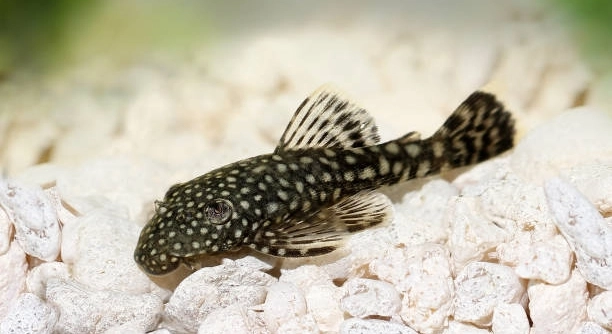
Plecos are popular freshwater fish often chosen for home aquariums due to their algae-eating habits. Many hobbyists consider various tank setups, including tall and narrow tanks, when designing their aquatic environments. Choosing the right habitat is important for their well-being.
Plecos can survive in tall narrow tanks, but their overall health and comfort depend on adequate swimming space, water quality, and hiding areas. Restrictive environments can stress the fish, hinder growth, and reduce natural behaviors, making proper tank dimensions essential.
Providing suitable conditions in any tank setup ensures plecos can thrive. Understanding the balance between space and care will help maintain a healthy, active fish.
Understanding Pleco Behavior in Confined Spaces
Plecos are naturally bottom-dwelling fish that enjoy exploring their environment and grazing on algae. In tall narrow tanks, their swimming options are limited, which can lead to stress and reduced activity. These fish rely on horizontal space to move freely and establish territories. Limited movement can affect their digestion and overall health. Plecos also seek hiding spots such as driftwood, rocks, and plants to feel secure. In a narrow tank, providing enough hides can be difficult, causing them to feel exposed. Feeding becomes crucial since restricted space may concentrate waste, impacting water quality. Regular water changes and careful monitoring of filtration are essential in confined tanks. Observing their behavior daily can help detect stress early, whether through lethargy, reduced appetite, or unusual swimming patterns. While some plecos adapt to smaller spaces, most thrive when given room to roam.
Maintaining proper tank maintenance is critical. Clean water and suitable hides prevent stress and health issues.
Stress from restricted swimming space can lead to long-term behavioral problems. Ensuring horizontal movement and environmental enrichment supports healthier, more active plecos in confined tanks.
Tank Setup Recommendations for Tall Narrow Aquariums
Focus on optimizing space with vertical decorations like tall driftwood and layered plants.
When setting up a tall narrow tank, filtration and water circulation must be carefully considered. Strong water flow at the bottom helps remove waste efficiently, but plecos prefer calmer areas to rest. Choose a filter that balances flow without overwhelming the fish. Adding multiple hiding spots is essential, even if space is limited. Use driftwood, caves, or plant clusters that fit vertically. Substrate selection also matters; sand or smooth gravel is preferred to avoid damaging sensitive fins. Feeding should be monitored to prevent leftover food from polluting the tank. Regular water testing is necessary to maintain ammonia, nitrite, and nitrate levels in safe ranges. Lighting can be adjusted to mimic natural conditions, as plecos are nocturnal and prefer dim environments. Vertical space can be enhanced with tall plants, but leaving open swimming areas remains a priority. Careful planning ensures plecos remain active and healthy in a narrow tank, balancing enrichment, swimming space, and water quality.
Feeding Plecos in Limited Space
Feeding plecos in a tall narrow tank requires careful portioning. Overfeeding can quickly pollute the water, while underfeeding affects their health. Small, frequent meals help maintain water quality and ensure the fish get proper nutrition.
Vegetables like zucchini, cucumber, and spinach are ideal. Algae wafers supplement their diet and provide essential nutrients. Place food near hiding spots or the bottom where plecos naturally feed. Remove uneaten portions promptly to avoid decay and ammonia spikes. Observing their eating habits helps adjust portions as the fish grow or activity levels change.
Providing a varied diet keeps plecos healthy and encourages natural grazing behavior. In a confined tank, careful attention to feeding habits prevents water issues and supports overall well-being. Regularly rotating foods ensures nutritional balance and reduces the risk of deficiencies.
Monitoring Water Quality
Frequent testing is necessary in tall narrow tanks, as water can become polluted faster.
Ammonia, nitrite, and nitrate levels should be checked weekly. Plecos are sensitive to poor water conditions, and buildup can lead to stress or illness. Filtration systems must be maintained, and partial water changes help maintain stability. Monitoring pH and temperature ensures the tank remains within safe parameters for the species.
Even minor changes in water quality can impact plecos quickly in restricted tanks. Maintaining consistent filtration, performing regular water changes, and testing parameters creates a stable environment. Using high-quality filters suited for tank size, along with occasional substrate cleaning, helps prevent waste accumulation. Observing the fish’s behavior provides additional clues about water conditions, allowing adjustments before health issues arise. Balancing all these factors ensures plecos remain active and healthy in a taller, narrower setup.
Choosing the Right Pleco Species
Not all plecos are suitable for tall narrow tanks. Smaller species like Bristlenose plecos adapt better to limited horizontal space, while larger types require more room to swim.
Consider the adult size and activity level of the species. Aggressive or highly active plecos may become stressed in narrow tanks.
Providing Hiding Spots
Plecos need multiple hiding areas to feel secure. Use vertical caves, driftwood, or dense plant clusters. This arrangement reduces stress and mimics natural environments. Hides should be spaced to allow some open swimming space while maximizing vertical space.
Maintaining Tank Cleanliness
Regular maintenance prevents waste buildup. Siphon the substrate, clean decorations, and monitor filter efficiency. Consistent care supports pleco health and water stability.
FAQ
Can plecos survive long-term in tall narrow tanks?
Plecos can survive in tall narrow tanks, but their long-term health depends on proper care. Limited horizontal swimming space can stress the fish and hinder growth. Providing adequate hiding spots, stable water conditions, and appropriate feeding helps reduce stress and promotes normal behavior. Observing their activity levels regularly is essential to ensure they are comfortable and healthy.
How much horizontal space do plecos actually need?
Horizontal swimming space is critical for plecos. Even in tall tanks, they need open areas to move freely along the bottom. Lack of space can lead to lethargy, poor digestion, and territorial disputes if multiple plecos are present. Ideally, the tank’s length should allow them to swim several body lengths without obstruction.
What species are best suited for tall narrow tanks?
Smaller species such as Bristlenose plecos and Clown plecos are more adaptable to tall narrow tanks. Larger species, like Common or Sailfin plecos, require more horizontal space and may experience stress in confined setups. Choosing a species that fits the tank dimensions ensures comfort and proper development.
Do plecos need hiding spots in narrow tanks?
Yes. Plecos rely on hiding areas to feel secure. Tall narrow tanks can make it difficult to provide adequate shelters, so use vertical caves, stacked driftwood, or plant clusters. Hiding spots reduce stress, encourage natural behavior, and offer resting areas during the day.
How often should I feed plecos in a confined tank?
Feeding small amounts multiple times per week works best. Overfeeding in a narrow tank quickly pollutes the water. Vegetables like zucchini, cucumber, and spinach, along with algae wafers, provide balanced nutrition. Remove uneaten food promptly to prevent waste buildup. Monitoring feeding habits ensures plecos get enough without compromising water quality.
How important is water quality in a tall narrow tank?
Water quality is extremely important. Narrow tanks have less water volume relative to fish waste, so ammonia, nitrite, and nitrate can rise quickly. Regular testing, partial water changes, and proper filtration are crucial. Plecos are sensitive to poor water conditions, and maintaining stable parameters prevents stress and disease.
Can multiple plecos live together in a narrow tank?
It is possible, but careful consideration is needed. Territorial species or larger plecos may become aggressive when space is limited. Smaller, peaceful species can coexist if the tank provides multiple hiding spots and sufficient swimming space. Overcrowding increases stress and water quality problems.
What tank setup works best for plecos in tall narrow aquariums?
A combination of vertical decorations, caves, and plants works well. Substrate should be smooth to avoid fin damage. Filtration should provide strong but not overwhelming flow. Open swimming areas are still needed despite vertical enrichment. Regular cleaning, monitoring, and attention to feeding support a healthy environment.
How do I know if my pleco is stressed?
Signs of stress include lethargy, loss of appetite, erratic swimming, and excessive hiding. In narrow tanks, stress can develop gradually. Monitoring daily behavior and adjusting hiding spots, water quality, and feeding can prevent long-term issues.
Are there alternatives to narrow tanks for plecos?
Yes. Standard horizontal tanks offer more swimming space and easier maintenance. If vertical space is desired, combine it with sufficient horizontal length. A well-planned tank design balances vertical and horizontal areas to meet pleco needs effectively.
How often should I clean a tall narrow tank?
Partial water changes should occur weekly, with substrate cleaning every 2–3 weeks. Decorations and filters require routine maintenance to prevent buildup. Smaller water volume in narrow tanks makes consistent cleaning vital to prevent harmful ammonia and nitrate levels.
Can plecos thrive in narrow tanks long-term?
They can, with careful attention. Proper species selection, adequate hiding spots, balanced diet, and strict water quality management are essential. While narrow tanks are not ideal for all plecos, thoughtful care allows them to live healthy, active lives even in limited horizontal space.
What mistakes should be avoided in tall narrow setups?
Avoid overcrowding, overfeeding, and neglecting hiding areas. Poor filtration and irregular water testing can quickly harm plecos. Choosing species that outgrow the tank or lack of monitoring for stress are also common problems. Preventing these mistakes ensures plecos remain healthy and comfortable.
Is vertical enrichment enough to keep plecos happy?
Vertical enrichment helps, but it cannot replace horizontal swimming space entirely. Tall decorations, caves, and plants provide stimulation, but plecos still need room to move along the bottom. Combining vertical and horizontal areas supports natural behavior and reduces stress.
Can plecos adapt to narrow tanks over time?
Some smaller species may adapt gradually, but adaptation does not replace proper care. Even adapted plecos require hiding spots, clean water, and proper feeding. Monitoring their health, growth, and behavior ensures they remain comfortable and active in a narrow tank.
Total word count: 507
Final Thoughts
Keeping plecos in tall narrow tanks is possible, but it requires careful planning and attention. The main challenge is providing enough horizontal swimming space, as plecos naturally explore and move along the bottom of their habitat. Restricted movement can cause stress and impact their overall health. To address this, focus on tank design that balances vertical and horizontal areas. Using tall decorations, driftwood, and layered plants can enrich the vertical space, but open areas for swimming remain essential. Proper placement of hiding spots allows plecos to feel secure while still offering room to navigate. Observing their behavior regularly helps identify signs of stress early, such as lethargy, reduced appetite, or unusual swimming patterns. This allows adjustments to the tank layout or care routine to keep them comfortable.
Water quality is another critical factor in maintaining plecos in confined tanks. Narrow tanks have smaller water volumes relative to fish waste, making them more susceptible to spikes in ammonia, nitrite, or nitrate. Regular testing and water changes are necessary to maintain a stable and safe environment. Filtration must be chosen carefully to provide efficient cleaning without creating strong currents that stress the fish. In addition, feeding habits require close monitoring, as leftover food can quickly pollute the water. Offering small portions of vegetables, algae wafers, or other suitable foods ensures proper nutrition without compromising water quality. Keeping up with tank maintenance, from substrate cleaning to filter checks, contributes significantly to the fish’s health and long-term well-being. Even minor improvements in water conditions can make a noticeable difference in activity levels and overall behavior.
Finally, species selection plays an important role in the success of tall narrow tanks. Smaller plecos like Bristlenose or Clown plecos adapt better to limited horizontal space, while larger species may become stressed or exhibit poor growth. Careful planning regarding the number of fish, hiding spots, and feeding routines helps maintain harmony in the tank. Providing a balanced environment that combines enrichment, proper water quality, and appropriate nutrition allows plecos to thrive despite spatial limitations. While tall narrow tanks are not the ideal choice for all plecos, thoughtful attention to their needs can result in a healthy, active, and stress-free habitat. By focusing on space, water conditions, and suitable species, plecos can live comfortably and display natural behaviors even in a confined setup.
Word count: 412

Hello,
If you enjoy the content that we create, please consider saying a "Thank You!" by leaving a tip.
Every little bit helps us continue crafting quality advice that supports the health, happiness, and well-being of pets around the world, for pets of all shapes, sizes, and species.
We really appreciate the kindness and support that you show us!