
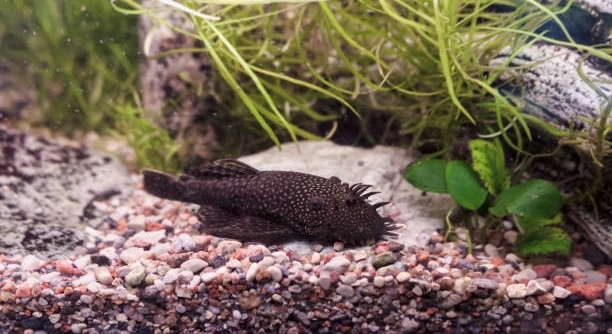
Many pleco owners notice their fish resting in the same spot for hours. This behavior can seem unusual, especially for those expecting constant movement. Understanding why plecos stay still helps ensure their tank environment supports their natural habits.
Plecos often remain in one spot due to natural resting behavior, territorial instincts, and environmental factors such as water quality, hiding places, and feeding schedules. These conditions significantly influence their activity levels and overall well-being.
Observing these habits provides insight into your pleco’s comfort and tank conditions. Small adjustments can make a big difference in supporting a healthy, content fish.
Understanding Pleco Resting Habits
Plecos are naturally nocturnal and spend much of the day resting in one spot. Their behavior is influenced by their need to conserve energy and feel secure. Often, they choose areas with hiding spots, such as caves, driftwood, or dense plants. Resting helps them maintain energy for nighttime activity, when they become more active and forage for food. Tank conditions play a significant role in their resting habits. Water temperature, cleanliness, and oxygen levels can affect their comfort and willingness to move. Observing your pleco can reveal its preferred spots and patterns, giving insight into its health. Some plecos are more territorial, staying in one area to protect their chosen space from other tank mates. Changes in behavior, such as constant motion or prolonged inactivity, may indicate stress, illness, or improper tank conditions. Adjusting the environment to meet their needs ensures a more content and active pleco.
Plecos often rest near surfaces they can cling to. This helps them feel secure while saving energy during the day.
Tracking your pleco’s resting behavior over time helps identify patterns. You may notice it favors specific spots during daylight hours and shifts slightly as it searches for optimal comfort. Providing multiple hiding areas can reduce stress and create a more balanced environment. Not all plecos are the same, and their resting habits vary by species, age, and personality. Adjusting feeding schedules and tank decorations can encourage healthy movement. A quiet tank without sudden disturbances allows your pleco to feel safe and maintain natural behaviors. Monitoring water quality, including pH, temperature, and ammonia levels, supports their overall well-being.
Tank Environment and Its Impact
The layout of your tank affects where plecos spend their time. Small changes in decoration or water flow can alter their preferred resting areas.
Tank conditions like oxygen levels, water flow, and hiding spaces determine pleco activity. Proper filtration and temperature control are essential. Driftwood and smooth rocks offer resting spots, while plants provide cover from light. Overcrowding reduces comfort and can cause prolonged stillness. Monitoring these factors ensures your pleco remains healthy and active. Regular cleaning prevents buildup of waste that might stress your fish. The right environment encourages natural behavior and prevents health issues associated with inactivity. By observing and adjusting the tank setup, you can promote a more dynamic and balanced habitat for your pleco, allowing it to thrive and display its typical behaviors.
Feeding and Activity Patterns
Plecos are more active at night, so their feeding schedule affects how often they move. Daytime stillness is normal. Providing food in the evening encourages natural activity and reduces daytime lethargy.
Plecos have specific dietary needs that influence their energy levels. Most species are herbivorous or omnivorous, relying on algae wafers, vegetables, and occasional protein sources. Feeding too much or at the wrong times can lead to overfeeding and prolonged inactivity. Observing when and how your pleco eats helps align feeding with natural nocturnal habits. Adjusting feeding schedules and offering varied foods can encourage nighttime movement and reduce daytime stationary behavior.
Environmental enrichment can further impact activity. Adding driftwood, rocks, or plant decorations gives plecos areas to explore and cling to. Some enjoy grazing on biofilm or algae that grows on surfaces, which also keeps them engaged. Overcrowded tanks or lack of hiding spaces can cause stress, prompting them to remain in one spot. Regular observation and adjustments to both diet and tank layout support healthier, more natural activity patterns in plecos.
Stress and Health Considerations
Stress can make plecos stay still for long periods, even in well-maintained tanks. Minor changes may affect their behavior immediately.
Water quality, sudden temperature shifts, or aggressive tank mates can stress plecos, limiting movement. Signs of stress include clamped fins, discoloration, or loss of appetite. Monitoring water parameters like ammonia, nitrites, pH, and temperature is crucial. Providing secure hiding spots and minimizing disturbances helps reduce stress levels. Maintaining consistent care routines and gently handling tank changes also contributes to a more stable environment. Stress management supports normal activity, overall health, and longevity.
Plecos are sensitive to both physical and environmental stressors. Illnesses such as fungal or bacterial infections can cause prolonged stillness or hiding. Parasites and internal issues also impact activity. Early detection is key: regularly check for unusual behavior, discoloration, or loss of appetite. Proper nutrition, clean water, and a stable tank environment strengthen their immune system and prevent health problems. Observing and understanding subtle changes in behavior allows timely intervention, helping your pleco regain normal movement and remain healthy. Preventive measures, including quarantining new fish and maintaining proper filtration, reduce risks and ensure your pleco’s comfort.
Lighting and Daytime Behavior
Bright lights can make plecos feel exposed, causing them to stay in one spot. Dim or shaded areas encourage comfort and natural resting habits.
Providing caves, plants, or shaded corners helps plecos manage light levels. Adjusting lighting gradually can reduce stress and promote normal movement throughout the day.
Tank Size and Movement
Smaller tanks limit space, so plecos may remain stationary more often. Larger tanks allow for exploration, giving them more freedom to move. Proper tank size is essential to accommodate natural behavior, reduce territorial disputes, and maintain overall health.
Seasonal Changes
Temperature fluctuations and seasonal changes in daylight can influence pleco activity. Adjusting water temperature and lighting gradually helps maintain consistent behavior and prevents unnecessary stress.
FAQ
Why does my pleco stay in one spot all day?
Plecos naturally rest during daylight hours because they are nocturnal. They conserve energy to become more active at night. Tank conditions, such as hiding spots, water quality, and temperature, also influence their stationary behavior. Stress, overcrowding, or illness can increase stillness. Observing their routine helps identify patterns and ensure their environment is comfortable.
Is it normal for plecos to rarely move?
Yes, it is normal for plecos to stay still for long periods, especially during the day. As nocturnal fish, they spend daylight hours resting. However, sudden changes in movement or prolonged inactivity can indicate stress, health issues, or improper tank conditions, which should be addressed.
How can I encourage my pleco to move more?
Adjust feeding schedules to evenings when plecos are naturally more active. Provide a variety of foods, including algae wafers and fresh vegetables. Add environmental enrichment like driftwood, rocks, and plants. Ensure the tank is spacious and clean, and minimize disturbances to reduce stress.
Could my pleco be sick if it stays still?
Yes, extended inactivity can indicate health issues. Check for signs such as faded color, clamped fins, or loss of appetite. Common problems include parasites, bacterial infections, or internal illnesses. Maintaining good water quality, proper diet, and a stable environment helps prevent and address these problems.
Do tank mates affect pleco activity?
Aggressive or territorial tank mates can stress plecos, causing them to remain in hiding. Even passive fish can influence behavior if the tank is overcrowded. Providing sufficient hiding spaces and ensuring compatible species can reduce stress and encourage natural activity patterns.
How does lighting affect pleco behavior?
Bright lighting can make plecos feel exposed, prompting them to stay in shaded areas or hide. Dim lights or shaded corners mimic natural conditions, helping them feel secure. Gradually adjusting lighting can reduce stress and allow plecos to maintain normal daytime rest without feeling threatened.
Does tank size matter for pleco movement?
Yes, tank size directly impacts activity. Smaller tanks limit space, so plecos may stay still more often. Larger tanks allow exploration, provide more hiding spots, and reduce territorial disputes. A properly sized tank supports natural behavior, overall health, and comfort.
What role does diet play in pleco activity?
Diet affects energy levels and movement. Overfeeding or providing insufficient nutrition can reduce activity. Plecos benefit from a mix of algae wafers, fresh vegetables, and occasional protein. Feeding at appropriate times, mainly in the evening, encourages movement aligned with their nocturnal habits.
Can stress make plecos inactive?
Stress is a major factor in inactivity. Water quality issues, sudden temperature changes, aggressive tank mates, or overcrowding can all lead to prolonged stillness. Providing stable conditions, hiding places, and gentle care routines helps reduce stress and promotes healthy activity.
How do seasonal changes influence pleco behavior?
Changes in daylight and water temperature can alter activity patterns. Plecos may move less if conditions fluctuate drastically. Gradual adjustments to lighting and temperature help maintain consistent behavior and reduce stress, ensuring the pleco stays comfortable throughout the year.
Are all pleco species equally inactive?
No, activity levels vary by species. Some are more exploratory, while others prefer staying in one spot. Age, personality, and environmental factors also play a role. Understanding your specific species’ behavior helps provide the right tank setup and care for optimal activity.
What are signs that my pleco is healthy despite staying still?
Healthy plecos rest during the day but remain alert. Bright eyes, good color, proper breathing, and regular eating are signs of health. Occasional movement or foraging at night confirms normal nocturnal behavior. Observing these cues ensures your pleco’s stillness is natural, not a sign of illness.
How can I maintain a comfortable environment for a stationary pleco?
Provide hiding spots, shaded areas, proper tank size, and stable water conditions. Regular feeding at night, clean water, and compatible tank mates reduce stress. Monitoring behavior and tank parameters ensures the pleco feels secure while resting, supporting long-term health and natural activity.
This FAQ section addresses the most common concerns about plecos staying in one spot, helping maintain their health, comfort, and natural behavior. Proper observation and minor adjustments often resolve inactivity without stress.
Final Thoughts
Observing a pleco that stays in one spot all day can feel concerning at first, especially for someone who expects constant movement from their fish. However, this behavior is usually normal and reflects the pleco’s natural resting habits. Plecos are primarily nocturnal, meaning they are more active during the night and prefer to rest during daylight hours. Staying still helps them conserve energy for nighttime foraging and exploration. Many plecos will choose shaded areas, caves, driftwood, or dense plants as their resting spots. These locations provide a sense of security and comfort, allowing the fish to feel safe in its environment. Understanding this basic aspect of pleco behavior makes it easier to provide a tank setup that supports both their rest and their active periods.
Environmental factors play a significant role in how much a pleco moves during the day. Tank size, layout, and decorations influence their comfort level and activity. Smaller tanks may limit movement, while larger tanks with more hiding spaces encourage exploration. Lighting also affects behavior—bright light can make plecos feel exposed, prompting them to stay still, while dim or shaded areas allow them to rest naturally. Water quality, temperature, and oxygen levels are equally important. Even minor fluctuations in these factors can stress a pleco and reduce activity. Ensuring clean, stable conditions along with suitable hiding spots helps plecos remain healthy while displaying their natural behavior. Regular monitoring and adjustments create a safe, balanced environment that supports both resting and active periods.
Diet and feeding schedules further influence a pleco’s activity. Most plecos are herbivorous or omnivorous and prefer algae wafers, vegetables, and occasional protein sources. Feeding in the evening aligns with their nocturnal habits, encouraging movement when they are naturally active. Overfeeding or feeding at inconsistent times can lead to prolonged daytime inactivity. Stress, illness, or aggressive tank mates may also cause a pleco to remain still for longer than usual. Observing their routine and behavior carefully helps detect potential issues early. By combining proper tank setup, feeding, and care, pleco owners can support both the health and comfort of their fish. Understanding and accepting their resting behavior reduces unnecessary concern, while minor adjustments improve overall well-being, making the pleco more active and content during its natural active periods.

Hello,
If you enjoy the content that we create, please consider saying a "Thank You!" by leaving a tip.
Every little bit helps us continue crafting quality advice that supports the health, happiness, and well-being of pets around the world, for pets of all shapes, sizes, and species.
We really appreciate the kindness and support that you show us!