7 Ways to Keep Plecos Interested in Food
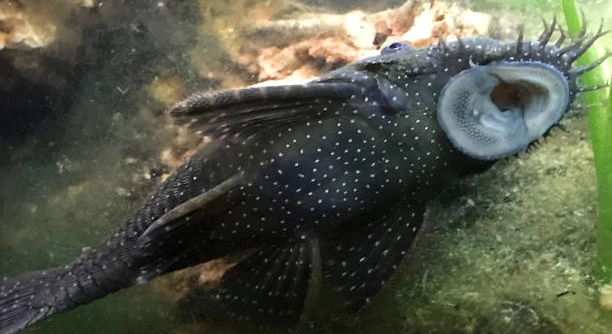
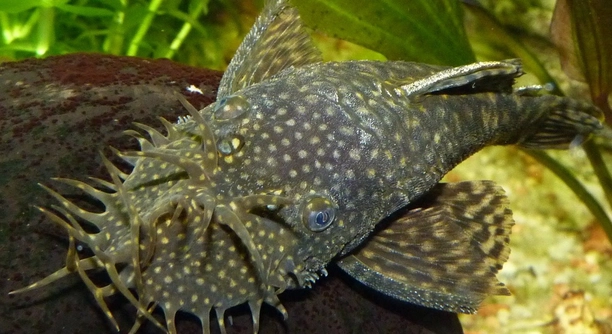
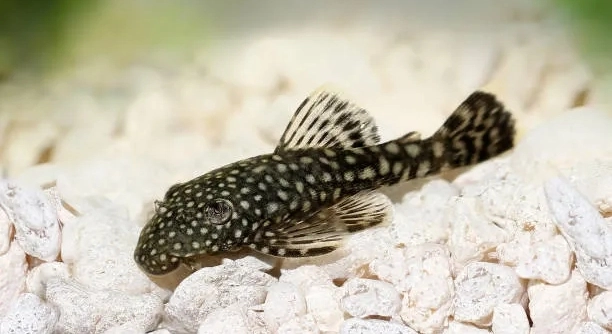
Do your plecos seem uninterested in the food you provide, leaving your tank uneaten and messy more often than not? Feeding these bottom-dwelling fish can sometimes feel like a constant challenge for any aquarist. Maintaining a pleco’s interest in food requires variety, proper nutrition, and environmental stimulation. Offering fresh vegetables, occasional protein, and changing feeding … Read more
Do Bristlenose Plecos Guard Their Eggs?

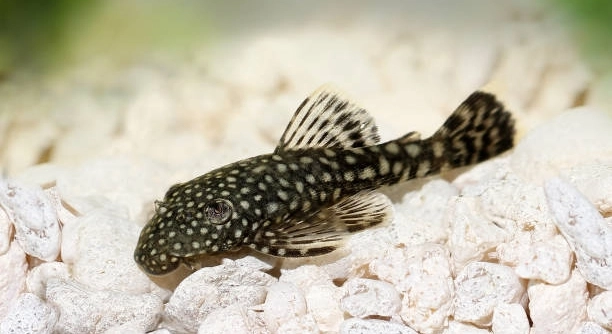
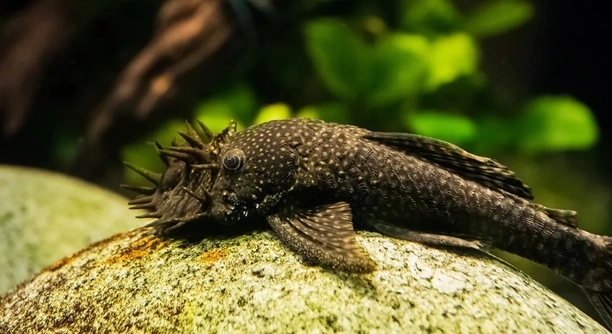
Do you ever notice your bristlenose pleco resting in a quiet corner of the tank, its body pressed against a cave or crevice? These small algae eaters often display behaviors that make fishkeeping feel more engaging and personal. Bristlenose plecos are known to guard their eggs diligently. The male typically remains near the egg clutch, … Read more

Can Plecos Get Lonely in a Solo Tank?

Do you ever wonder how your pleco behaves when it is the only fish in a tank? Many fish owners keep these peaceful creatures alone, yet their social needs are often overlooked. Understanding their behavior is important. Plecos are generally solitary animals and can live alone without significant stress. While they may interact with other … Read more

Do Bristlenose Plecos Fight Over Food?

Do you enjoy keeping aquariums and observing your fish as they explore their environment? Bristlenose plecos are fascinating creatures that often capture attention with their unique appearance and peaceful nature in community tanks. Bristlenose plecos generally do not engage in aggressive fights over food. While minor skirmishes or nudges may occur when multiple plecos feed … Read more

7 Pleco Behaviors You Might Misread

Do you ever watch your pleco gliding along the tank glass and wonder what its movements really mean? Many pleco owners notice unusual behaviors and wonder if these actions signal stress or health issues. Plecos often display behaviors that can be easily misinterpreted. Scraping, hiding, or drifting in the water may appear alarming, yet these … Read more

7 Steps to Create a Pleco-Safe Aquascape

Creating an aquascape that is both beautiful and safe for plecos requires careful planning. These fish have unique needs, including hiding spots and surfaces for grazing. A well-designed tank keeps them healthy and happy while looking natural. To create a pleco-safe aquascape, it is essential to provide strong, smooth surfaces, stable decorations, and live plants … Read more

7 Signs Your Pleco Water Parameters Are Off

Have you ever noticed your pleco behaving differently, seeming less active than usual, or hiding more than normal? Many pleco owners experience these subtle changes without realizing their water might be the cause. Pleco water parameters, including pH, temperature, hardness, and ammonia levels, are critical for their health. Deviations from optimal ranges can stress the … Read more

7 Common Feeding Myths About Bristlenose

Bristlenose catfish are popular in many home aquariums, loved for their small size and algae-eating habits. Feeding them correctly is important, but many owners follow advice that is not always accurate or helpful for their health. Several common feeding myths surround Bristlenose care, including beliefs about their need for constant algae, overfeeding pellets, or avoiding … Read more

7 Water Stats Every Pleco Owner Should Track

Do you ever find yourself checking your pleco’s tank and wondering if the water is really safe for them? Maintaining the right water conditions is crucial for their health and longevity, yet often overlooked by many owners. Tracking water parameters for plecos involves monitoring seven key statistics, including temperature, pH, hardness, ammonia, nitrite, nitrate, and … Read more

Can Plecos Be Trained to Feed by Hand?

Have you ever noticed your pleco swimming slowly across the tank and wondered if it could respond to your presence? Watching them interact with their environment can spark a desire for closer, more personal engagement. Plecos can be trained to feed by hand with consistent practice and patience. Through gradual acclimation and positive reinforcement, they … Read more