
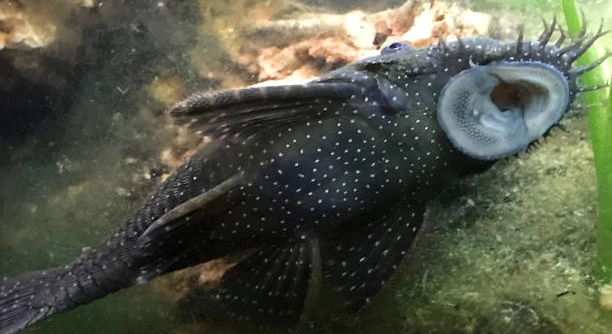
Do you ever notice your bristlenose pleco resting in a quiet corner of the tank, its body pressed against a cave or crevice? These small algae eaters often display behaviors that make fishkeeping feel more engaging and personal.
Bristlenose plecos are known to guard their eggs diligently. The male typically remains near the egg clutch, fanning them with his fins to provide oxygen and protect them from potential threats until they hatch. This behavior is consistent across most healthy specimens.
Observing these fish closely can reveal fascinating patterns in how they care for their young, offering insight into their natural instincts and tank behavior.
How Bristlenose Plecos Lay Eggs
Bristlenose plecos usually choose dark, hidden spaces in the tank to lay their eggs. Caves, PVC pipes, and hollow decorations are their preferred spots. The female deposits a cluster of sticky eggs on the surface, which allows them to stay in place until the male begins guarding them. These fish often spawn at night or early morning, which can make observing the process challenging. Once the eggs are laid, the male takes over, keeping a close watch over the cluster. He fans the eggs with his fins to circulate water and prevent fungus from forming. The female may remain nearby but rarely interacts with the eggs after laying them. Environmental factors like water temperature, cleanliness, and available hiding spaces can influence the success rate of hatching. Proper tank conditions help ensure that the eggs remain healthy and develop into fry without significant risk from stress or poor oxygen levels.
Egg-laying behavior can sometimes surprise new fishkeepers because it happens quietly and without much fuss in the tank.
Watching a pleco care for eggs highlights the importance of a well-prepared environment. Their careful attention and protective habits demonstrate how instinct guides even small fish.
Male Egg Guarding Behavior
The male bristlenose pleco takes full responsibility for protecting the eggs.
Once the female lays the eggs, the male positions himself over the clutch, fanning the eggs consistently to provide oxygen and keep them clean. He patrols the surrounding area, chasing away any fish that come too close. This protective behavior can last several days until the eggs hatch. During this period, the male eats very little, focusing almost entirely on the care of the eggs. Aggression toward intruders is natural and important for the survival of the clutch. Providing a secure cave or crevice in the tank allows him to guard effectively without stress. Even in a community tank, males show strong dedication to this task. By observing this behavior, you can see the natural instincts of plecos and understand why maintaining proper tank conditions is crucial for successful breeding. Clean water, consistent temperature, and minimal disturbance all contribute to healthy egg development. Careful attention during this phase can dramatically increase the hatching success rate, making the process more rewarding for the caretaker.
Caring for the Eggs
Keeping the tank clean is essential while the male guards the eggs. Uneaten food and waste can harm the eggs or encourage fungus growth, so regular gentle maintenance is needed.
The male continuously fans the eggs to maintain oxygen flow and prevent fungus. He rarely leaves the cave, and minimal disturbance is crucial. Avoid moving decorations or tapping on the tank glass, as sudden stress can cause him to abandon the eggs. Water temperature should remain stable, ideally between 78 and 82°F, with good filtration to keep water quality high. Adding a sponge filter or adjusting flow gently helps maintain oxygen levels without disturbing the male. Observing the eggs during this stage shows how precise and dedicated plecos are in their care, reflecting natural instincts that are fascinating to witness in captivity.
Patience is key because the eggs usually take about four to ten days to hatch, depending on temperature and conditions. Regular monitoring without interference supports successful hatching.
Caring for the Fry
Once the eggs hatch, fry require careful attention in the first weeks.
The fry initially stay close to the cave walls and feed on leftover egg yolk. Gradually, they begin exploring and nibbling on algae or specially prepared fry food. Ensuring a steady supply of finely crushed food is important, as their small size limits what they can eat. Frequent small feedings help promote steady growth without polluting the tank. Water quality remains critical during this period, so regular gentle water changes are necessary to remove waste without stressing the fry. Hiding spots, like moss or small decorations, give them security and reduce competition or stress from larger tank mates. Observing these behaviors shows how quickly the fry grow and adapt to their environment when conditions are right.
Providing a balanced mix of nutrition and a stable environment supports healthy development. Avoid overfeeding or overcrowding, as both can harm the fry and reduce survival rates. Gradually increasing tank space and monitoring water parameters ensures they grow strong and healthy, preparing them for life as independent plecos.
Common Challenges with Egg Care
Eggs can be sensitive to changes in water quality. Even minor fluctuations in temperature or pH can lead to fungus or egg loss.
Sometimes males may abandon the eggs if stressed by tankmates or constant disturbance. Providing a calm environment reduces this risk.
Preventing Fungus and Infection
Fungus can develop quickly on bristlenose pleco eggs if water quality is poor. Removing uneaten food, performing gentle water changes, and ensuring proper oxygen flow are key. Using a soft sponge filter or adjusting the current helps prevent stagnation. Males fanning the eggs also reduce fungal growth naturally. Monitoring the eggs closely allows early action if fungus appears. Avoid chemicals that could harm the fry or male. Stable temperature, clean surfaces, and minimal stress create the best conditions for healthy eggs, increasing the likelihood of successful hatching.
Feeding Young Plecos
Fry need finely crushed algae wafers or blanched vegetables. Small, frequent meals help them grow steadily.
FAQ
Do bristlenose plecos always guard their eggs?
Most male bristlenose plecos instinctively guard their eggs, but this can vary. Stress, poor water quality, or overcrowded tanks may cause some males to leave the eggs unattended. Providing a secure cave and stable conditions increases the likelihood of consistent guarding behavior.
How long do bristlenose pleco eggs take to hatch?
Eggs usually hatch between four and ten days, depending on water temperature and tank conditions. Warmer, stable water speeds up development, while cooler or fluctuating conditions can slow it down. Close observation is necessary to ensure the male continues proper care during this period.
Can females help guard the eggs?
Females rarely participate in egg care. Once the eggs are laid, the female’s role is mostly finished. The male takes full responsibility, fanning the eggs and protecting them from potential threats until they hatch.
What signs show the eggs are healthy?
Healthy eggs appear translucent or slightly yellow and are free from white spots, which indicate fungus. The male continuously fans them, keeping water circulating, and they remain firmly attached to the cave surface without dislodging.
How do I prevent fungus on bristlenose eggs?
Fungus can develop quickly if water quality is poor. Removing uneaten food, performing gentle water changes, maintaining stable temperature, and providing oxygen flow are essential. The male’s fanning helps naturally prevent fungal growth, but minimal stress and careful monitoring improve success rates.
Can eggs survive in a community tank?
Eggs may survive in a community tank if the male guards them and tankmates are non-aggressive. Fast or curious fish can damage or eat eggs, so providing a hidden cave is critical. Separating the male and eggs in a breeding tank ensures higher survival rates.
How do I feed bristlenose fry?
Fry initially rely on leftover egg yolk for nutrition. After a few days, they begin eating finely crushed algae wafers, blanched vegetables, or specialized fry food. Small, frequent feedings prevent pollution and support steady growth. Offering hiding spots reduces competition and stress from other fish.
When can fry be moved to a larger tank?
Fry can be gradually moved when they are large enough to compete for food and avoid being bullied by tankmates. This is usually after several weeks of growth. Transitioning slowly and maintaining water stability helps avoid stress and promotes healthy development.
Do male plecos eat their eggs?
In rare cases, stressed or inexperienced males may eat eggs, especially if the eggs are unhealthy or fungus develops. Maintaining calm conditions and proper water quality reduces this risk. Experienced males almost always protect and care for the clutch.
Is it necessary to remove the male after hatching?
Once the fry start swimming freely, the male can remain if the tank is spacious and the fry have hiding spots. In smaller tanks, removing the male may prevent accidental harm to the fry while still allowing them to grow safely.
How often should water be changed during egg care?
Gentle water changes every few days are sufficient. Large, abrupt changes can stress the male and eggs. Using a sponge filter or slow-flow filter helps maintain oxygenation while keeping conditions stable. Regular monitoring ensures water quality supports healthy development.
Do bristlenose plecos guard multiple clutches at once?
Males usually guard one clutch at a time. After the first batch hatches, they may mate again and care for the next set of eggs. Overlapping clutches can happen but require ample space and proper conditions to prevent stress or neglect.
What environmental factors affect egg survival?
Temperature, water quality, and hiding spaces are critical. Stable water between 78–82°F, clean surfaces, and minimal tank disturbance promote healthy development. Sudden changes or aggressive tankmates can cause the male to abandon the eggs or increase mortality.
Can artificial fanning replace the male’s care?
Artificial fanning is rarely needed if the male is present, as natural fanning ensures proper oxygenation and prevents fungus. If the male is absent, gentle water flow from a sponge filter can help, but manual intervention is less effective than natural guarding.
How can I tell if eggs are infertile?
Infertile eggs often appear cloudy or shrink over time. The male may ignore them or remove them from the surface. Infertile eggs should be monitored closely, as they can develop fungus and affect the remaining healthy eggs.
Are there signs of stress in the male pleco?
A stressed male may leave the eggs, show reduced fanning, or hide excessively. Causes include aggressive tankmates, poor water quality, or constant disturbance. Ensuring a calm environment with a secure cave helps reduce stress and supports consistent egg care.
How important is tank size for egg guarding?
Adequate tank size is vital. A small or overcrowded tank increases stress and the chance of egg loss. Providing space for the male to patrol the eggs and avoid conflicts ensures higher hatching success. A 20-gallon or larger tank is ideal for breeding pairs.
Do bristlenose plecos guard eggs in planted tanks?
Yes, planted tanks can provide extra security and oxygenation for eggs. Dense plants offer hiding spots for the male and fry, reducing stress and improving survival rates. Care must be taken to avoid uprooting plants during water changes or maintenance.
Can temperature fluctuations cause egg loss?
Sudden temperature changes can harm eggs or cause the male to abandon them. Keeping water stable between 78–82°F ensures healthy development. Using a reliable heater and monitoring daily minimizes risks associated with temperature swings.
Is it normal for the male to eat fry after hatching?
Occasionally, if stressed or if the fry are very small and in a confined space, the male may eat some fry. Providing ample hiding spots and removing the male in smaller tanks prevents this and allows more fry to survive.
How do I know when the fry are independent?
Fry become independent once they actively search for food and no longer rely on leftover yolk. At this stage, they can graze on algae and small food particles. Observing their behavior ensures proper feeding and tank management for continued growth.
Bristlenose plecos are fascinating fish, especially when it comes to their breeding and egg-guarding behaviors. Observing a male pleco carefully watch over his eggs shows how instinctively protective these fish can be. The way he fans the eggs with his fins, keeps them clean, and chases away potential threats demonstrates a natural dedication that is impressive to witness in a home aquarium. Even though the process may seem simple, it requires the right conditions for success. Providing a secure cave or crevice, maintaining stable water parameters, and minimizing stress in the tank all contribute to healthy egg development and successful hatching. Understanding these needs makes caring for bristlenose plecos more rewarding and allows you to see their behaviors up close in a way that is both educational and enjoyable.
Water quality and tank setup play a huge role in the survival of eggs and fry. Clean water with consistent temperature, proper filtration, and gentle flow ensures the eggs remain oxygenated and healthy. The male pleco naturally fans the eggs to keep water circulating, but without stable conditions, the eggs are more likely to develop fungus or fail to hatch. It’s also important to reduce disturbances in the tank. Sudden changes in lighting, tapping on the glass, or aggressive tankmates can stress the male and lead him to abandon the eggs. Even small adjustments, like adding hiding spots for both the male and eventual fry, make a big difference. These simple measures create a safer, more stable environment that supports the natural instincts of the plecos and increases the chances of successful reproduction. Observing the careful attention the male gives to the eggs reinforces the importance of creating the right environment and respecting the natural behaviors of these fish.
Watching bristlenose plecos grow from eggs to independent fry can be a rewarding experience, but it also requires patience and observation. Fry need small, frequent feedings and spaces to hide as they develop, and the male’s protection during the first days is critical. As the fry grow, they gradually explore more of the tank and learn to graze on algae or small foods. Providing the right nutrition and maintaining a stable environment helps them thrive and reduces stress for both fry and adults. While caring for them may feel challenging at first, it allows you to see the full cycle of their life and behavior. The process is an opportunity to better understand the needs of these fish, their natural instincts, and the delicate balance required to support their growth. In the end, creating a supportive environment for breeding bristlenose plecos results in healthy, thriving fish and a tank that reflects their natural behaviors clearly and beautifully.

Hello,
If you enjoy the content that we create, please consider saying a "Thank You!" by leaving a tip.
Every little bit helps us continue crafting quality advice that supports the health, happiness, and well-being of pets around the world, for pets of all shapes, sizes, and species.
We really appreciate the kindness and support that you show us!