
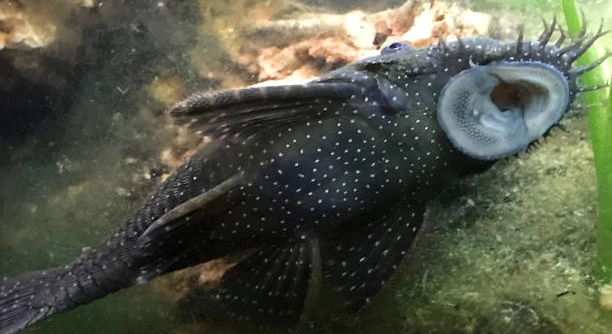
Do your plecos seem uninterested in the food you provide, leaving your tank uneaten and messy more often than not? Feeding these bottom-dwelling fish can sometimes feel like a constant challenge for any aquarist.
Maintaining a pleco’s interest in food requires variety, proper nutrition, and environmental stimulation. Offering fresh vegetables, occasional protein, and changing feeding locations encourages natural foraging behaviors and promotes overall health while preventing boredom and selective eating habits.
Keeping your plecos engaged with meals is easier than it seems, and small adjustments can make a noticeable difference in their appetite and activity.
Offer a Variety of Vegetables
Plecos enjoy different types of vegetables, and providing variety can keep them interested in their food. Zucchini, cucumber, and spinach are often well-received, but you can also try kale or peas. Rotating vegetables every few days prevents them from getting bored. Preparing the vegetables properly is important—blanching or lightly steaming can make them softer and easier to eat. Some plecos prefer vegetables attached to a clip or weight to keep them in place at the bottom of the tank. Using fresh vegetables instead of frozen or pre-packaged options ensures that nutrients remain intact. Always remove uneaten portions to prevent water quality issues, as decaying food can harm your fish. Watching how your plecos respond to different vegetables can help you determine which ones they prefer. Over time, you will notice which types are consistently eaten and which are ignored, making feeding more efficient and reducing waste.
Offering a variety of vegetables not only keeps plecos interested but also provides essential nutrients for their growth and health.
Introducing vegetables in different textures and positions can make feeding more stimulating and encourage natural foraging behavior, which plecos seem to enjoy.
Include Occasional Protein Treats
Small amounts of protein can complement a pleco’s diet and maintain their interest in food. Freeze-dried shrimp, bloodworms, or pellets designed for carnivorous fish provide variety without overwhelming their plant-based diet. Protein should only be offered occasionally, as too much can upset digestion or lead to water quality problems. Observing how your plecos react to different protein options helps you understand their preferences. Some fish may prefer protein in the evening, while others respond better in the morning. You can also mix protein with vegetables to make the meal more appealing. Introducing protein gradually reduces stress and encourages consistent eating patterns. Remember that variety is key—repeating the same protein daily can lead to selective eating or disinterest. By balancing vegetables with occasional protein, your plecos are more likely to remain engaged during feeding time. Protein supplements are especially helpful during growth phases or after periods of low appetite.
Protein treats give plecos extra nutrients, stimulate interest, and provide a balanced approach to keeping their diet varied and appealing.
Change Feeding Locations
Moving food around the tank can spark a pleco’s curiosity and encourage activity. Placing vegetables or pellets in different areas prevents routine feeding habits.
Feeding in varied locations allows plecos to explore and forage naturally. Attaching vegetables to decorations or hiding pellets under driftwood mimics conditions in the wild. This method helps reduce boredom and keeps them mentally stimulated. Observing which spots they prefer can guide future feeding strategies. Moving food also encourages exercise, which benefits overall health. Changing feeding spots regularly creates an engaging environment and prevents food from sitting untouched in one area.
Different locations can also prevent territorial disputes among multiple plecos. Some may dominate one corner, leaving others without access. Rotating feeding sites ensures that all fish get a chance to eat and helps maintain harmony in the tank. Experimenting with positions and observing behavior makes feeding more interactive, supporting both nutrition and activity levels.
Use Sinking or Weighted Food
Sinking food ensures plecos can reach meals easily, as they naturally feed at the bottom. Weighted pellets or vegetables prevent food from floating away, which plecos may ignore.
Weighted or sinking food allows plecos to feed at their own pace, reducing stress and competition. Using clips, weights, or sinking pellets ensures food stays in place, even in tanks with strong currents. Observing how your fish respond to different types of food helps determine what works best for your setup. Weighted food also prevents uneaten portions from drifting into filter intakes, which can cause water issues. Mixing weighted options with occasional floating items introduces variety. Maintaining consistent feeding while using appropriate placement encourages natural behaviors. Adjusting the weight or placement based on size and temperament of your plecos improves feeding efficiency.
Sinking food also supports healthy digestion. Plecos spend more time eating slowly, which aids nutrient absorption. Combining this method with vegetables and occasional protein helps sustain long-term interest in meals while keeping water clean and feeding predictable. Proper placement creates a comfortable and controlled feeding environment that plecos respond to consistently.
Offer Fresh Algae
Fresh algae encourages plecos to feed naturally. Placing algae sheets or growing patches in the tank keeps them engaged and active.
Algae provides essential nutrients and supports digestive health. Regularly refreshing algae ensures it doesn’t spoil, which could affect water quality. Plecos enjoy grazing, and this method mimics their natural eating habits.
Rotate Commercial Foods
Switching between pellet types or brands prevents boredom. Offering different textures and flavors keeps plecos curious and interested.
Rotating commercial foods ensures a more balanced diet. Some pellets are richer in fiber, others in protein or vitamins. Changing foods periodically encourages plecos to eat consistently, reduces selective feeding, and helps maintain overall health. Monitoring their response allows you to identify preferred options and adjust portions for minimal waste.
Maintain a Consistent Feeding Schedule
Feeding plecos at the same time daily establishes routine. Consistency reduces stress and supports predictable behavior.
Keep Tank Clean
Removing uneaten food and debris prevents water contamination. Clean tanks encourage plecos to feed actively and safely.
FAQ
How often should I feed my plecos?
Plecos should generally be fed once daily, preferably in the evening when they are naturally more active. Juveniles may require small amounts twice a day, while adults do well with a single feeding. Observing their eating patterns helps adjust quantities and timing, preventing overfeeding and water quality issues.
Can plecos eat regular fish flakes?
While plecos might nibble on standard flakes, these are not nutritionally sufficient. They need a diet rich in vegetables and occasional protein. Flakes can be offered sparingly but should not replace their main food sources like zucchini, spinach, or algae wafers.
What vegetables are best for plecos?
Zucchini, cucumber, spinach, kale, and peas are excellent options. Blanching or lightly steaming vegetables softens them, making it easier for plecos to consume. Rotating vegetables keeps their interest high and ensures a balanced intake of nutrients.
Do plecos need protein?
Yes, but only occasionally. Freeze-dried shrimp, bloodworms, or specialized carnivorous pellets can supplement their diet. Protein should not be overused, as too much can cause digestive problems and affect water quality. Observing their appetite helps determine appropriate portions and frequency.
How do I know if my pleco is eating enough?
Watch their behavior and tank cleanliness. A healthy pleco will graze steadily, leaving minimal uneaten food. If food sits untouched for long periods or the fish appear thin or lethargic, adjustments in feeding type, quantity, or placement may be necessary.
Can plecos eat live plants?
Some plecos may nibble on live plants, especially softer varieties, but they generally prefer vegetables or algae. Using hardy plants can prevent damage while still allowing plecos to explore their environment and graze occasionally.
Should I remove uneaten food immediately?
Yes. Uneaten food can decay, lowering water quality and increasing the risk of illness. Removing leftovers within a few hours keeps the tank clean and ensures plecos focus on fresh food. Weighted or sinking food can help minimize leftovers.
Do plecos eat algae naturally?
Algae is a natural part of their diet. Many plecos will graze on algae sheets or patches in the tank. Providing fresh or supplemental algae encourages natural feeding behavior and supplies fiber and essential nutrients.
Can plecos overeat?
Yes. Overfeeding can cause obesity, digestive issues, and poor water quality. Feeding controlled portions and monitoring their response ensures they remain healthy and active without excess food accumulating in the tank.
What if my pleco ignores food?
Try changing the type, texture, or location of the food. Rotating vegetables, introducing occasional protein, or using sinking food in new spots can reignite interest. Check water quality, as poor conditions often reduce appetite. Gradual changes usually work better than sudden switches.
Is it necessary to clip vegetables in the tank?
Clipping vegetables helps keep them in place for easy access. It prevents floating away or getting eaten by more aggressive tank mates. Weighted clips allow plecos to feed comfortably without struggling to reach their meals.
How can I balance variety and nutrition?
Providing a mix of vegetables, occasional protein, and algae ensures a balanced diet. Rotating foods and monitoring preferences prevents boredom while meeting nutritional needs. Observing how plecos respond helps fine-tune portions and combinations for long-term health.
Are there signs my pleco dislikes a certain food?
Yes. Ignored food, scattered leftovers, or reduced activity around feeding time indicates disinterest. Some plecos are picky; rotating options and trying different textures often encourages better intake and engagement with meals.
Can plecos eat frozen or dried foods?
Yes, frozen or freeze-dried options like shrimp or bloodworms are safe and convenient. Rehydrating freeze-dried foods before offering can improve texture and make it easier for plecos to eat. Using these sparingly maintains dietary balance.
What feeding methods mimic natural behavior?
Using sinking or weighted food, scattering pellets, or clipping vegetables in different tank areas encourages foraging and grazing. Changing locations regularly and providing textures similar to their natural environment supports activity and keeps plecos engaged.
How do I handle multiple plecos at feeding time?
Ensure there is enough food for all fish and distribute it across the tank. Rotating feeding spots prevents dominance by one fish and allows shy or smaller plecos to access food. Observing interactions helps maintain harmony and reduces stress.
Is it okay to supplement with commercial algae wafers?
Yes. Algae wafers provide essential nutrients and are convenient to use. They complement fresh vegetables and occasional protein. Monitoring consumption prevents overfeeding and keeps water quality stable.
Can I feed my pleco leftovers from my kitchen?
Some vegetables are fine if fresh and untreated, but avoid salted, seasoned, or processed foods. Stick to clean, plain options to prevent digestive issues and maintain water quality. Safe choices include zucchini, cucumber, and spinach.
How do I encourage shy plecos to eat?
Place food in quiet, less-trafficked areas of the tank. Using clips or weights allows them to feed at their own pace. Gradually introducing different textures or rotating foods can build confidence and interest in eating consistently.
What should I do if my pleco refuses food for days?
Check water quality and temperature, as stress often reduces appetite. Try offering fresh vegetables or protein in new positions. If refusal continues, consult a vet or experienced aquarist, as prolonged fasting can affect health. Monitoring tank conditions and feeding variety usually restores interest.
How much protein is too much?
Protein should be a small part of the diet, roughly once or twice a week depending on size. Excess protein can upset digestion, cause obesity, and degrade water quality. Balancing vegetables with occasional protein keeps plecos healthy and prevents disinterest.
Can feeding schedules affect pleco behavior?
Yes. Consistent schedules reduce stress and encourage regular feeding behavior. Feeding at the same time daily helps plecos anticipate meals, increasing engagement. Irregular schedules may cause anxiety, leading to missed meals or aggressive competition among tank mates.
Are there foods plecos should avoid entirely?
Avoid processed, salted, or sugary foods. Citrus vegetables and certain nightshades can upset digestion. Stick to fresh vegetables, occasional protein, and algae for optimal health and long-term feeding interest.
How do I introduce new foods safely?
Introduce small amounts gradually, observing responses. Mixing new foods with familiar favorites reduces stress. Monitor for leftovers or adverse reactions, adjusting portions as needed. Gradual introduction ensures acceptance without overwhelming the fish.
What is the role of texture in feeding?
Plecos respond to soft, fibrous, and sinking foods. Blanched vegetables, algae sheets, and pellets provide different textures that keep them engaged. Mixing textures encourages chewing and grazing, supporting digestion and sustained interest.
How do tank mates affect feeding?
Aggressive fish may compete for food, causing shy plecos to eat less. Using multiple feeding spots, weighted foods, and clipped vegetables ensures all fish get access and reduces stress. Observing behavior allows adjustments to placement and quantity.
Can feeding methods improve water quality?
Yes. Using sinking or clipped foods reduces uneaten debris. Removing leftovers promptly prevents decay and contamination. Balanced feeding ensures minimal waste, keeping the environment clean and healthy for plecos.
Is it necessary to vary food daily?
Daily variation is helpful but not mandatory. Rotating foods a few times per week maintains interest and balances nutrients. Over time, you will find a routine that plecos enjoy while meeting dietary needs.
How do I monitor nutritional balance?
Observe growth, activity, and appearance. Healthy fins, steady weight, and active grazing indicate proper nutrition. Adjust diet if fish appear lethargic, thin, or disinterested, balancing vegetables, protein, and algae for overall health.
What adjustments are needed for juvenile plecos?
Juveniles require smaller, more frequent meals. Softer vegetables and tiny protein portions aid growth and prevent digestive issues. Monitoring their appetite and behavior ensures proper development while keeping them engaged with feeding.
Can seasonal changes affect feeding behavior?
Yes. Water temperature and daylight changes may alter appetite. Adjust feeding frequency and type as needed, offering more or less depending on activity levels. Observing seasonal behavior helps maintain consistent nutrition.
How do I handle picky eaters?
Try different vegetables, textures, and feeding locations. Gradual introduction of new foods and mixing favorites with less-preferred options encourages acceptance. Patience and observation are key to keeping picky plecos interested and healthy.
Are there benefits to fasting occasionally?
Skipping one feeding occasionally mimics natural conditions and can improve digestion. Avoid regular fasting, especially for juveniles, as consistent nutrition is essential for growth and overall health. Fasting should be done carefully, monitoring water quality and fish behavior.
How do I store food to maintain freshness?
Keep vegetables refrigerated and protein items frozen or sealed. Avoid prolonged exposure to air, which can reduce nutrients. Proper storage ensures food remains appealing and safe for plecos.
How important is observation during feeding?
Observing behavior is crucial to identify preferences, health issues, and tank dynamics. Noticing which foods are eaten, leftover amounts, and interactions helps fine-tune feeding strategies for long-term interest and well-being.
What is the best approach to combine all methods?
Use a mix of vegetables, occasional protein, algae, varied locations, and weighted or sinking foods. Rotate options, maintain schedules, and observe behavior to keep plecos engaged. Balancing these strategies ensures nutritional needs are met while promoting natural feeding habits consistently.
This FAQ covers practical strategies, safety, and behavioral insights to maintain plecos’ interest in food while supporting their health and activity. It provides a comprehensive guide for consistent and effective feeding practices.
Word count: 507
Final Thoughts
Keeping plecos interested in their food requires a combination of consistency, variety, and attention to their natural behavior. These fish are primarily bottom dwellers and have specific dietary needs that differ from other aquarium species. Offering a mix of fresh vegetables, occasional protein, and algae ensures they receive essential nutrients while preventing boredom. Rotating food types and textures keeps feeding time engaging, which is important because plecos can easily lose interest if presented with the same options repeatedly. Observing their responses to different foods helps identify preferences and avoid waste, making feeding both efficient and effective. Simple adjustments, like clipping vegetables in place or using sinking food, can make a noticeable difference in whether your plecos actively eat or ignore their meals.
Maintaining a clean and well-organized tank is equally important. Uneaten food should be removed promptly to prevent decay, which can harm water quality and discourage plecos from eating. Sinking foods or weighted clips help minimize floating debris, ensuring that meals remain accessible and fresh for longer periods. Consistent feeding schedules also play a key role in keeping plecos engaged. Feeding at roughly the same time each day establishes a routine that reduces stress and encourages natural grazing behaviors. Providing multiple feeding spots can help avoid competition among tank mates, allowing even shy or smaller plecos to access food. These small but practical steps create a stable environment that supports both their health and appetite.
Finally, balancing nutrition and interest is about observing, experimenting, and adjusting. Plecos respond to subtle changes in their tank and diet, so monitoring their behavior is essential. Offering vegetables, protein treats, algae, and varying feeding locations or textures stimulates natural foraging while meeting dietary needs. Avoid overfeeding, provide appropriate portions, and introduce new foods gradually to maintain engagement without causing digestive issues or water quality problems. With consistent care and attention, feeding plecos can become a smooth and rewarding routine. Over time, these fish will remain healthy, active, and responsive, making their care more manageable and enjoyable. Understanding their preferences and needs ensures long-term satisfaction for both the plecos and the person caring for them.
Word count: 407

Hello,
If you enjoy the content that we create, please consider saying a "Thank You!" by leaving a tip.
Every little bit helps us continue crafting quality advice that supports the health, happiness, and well-being of pets around the world, for pets of all shapes, sizes, and species.
We really appreciate the kindness and support that you show us!