
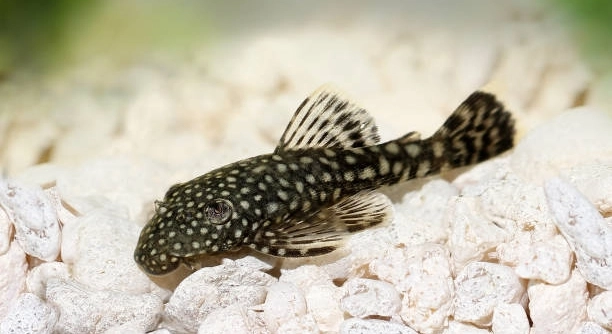
Do you enjoy keeping aquariums and observing your fish as they explore their environment? Bristlenose plecos are fascinating creatures that often capture attention with their unique appearance and peaceful nature in community tanks.
Bristlenose plecos generally do not engage in aggressive fights over food. While minor skirmishes or nudges may occur when multiple plecos feed simultaneously, they tend to feed calmly, and competition rarely results in injury or stress.
Understanding their feeding behavior can help ensure all plecos get enough food and maintain a healthy, balanced diet in your aquarium.
Understanding Bristlenose Pleco Feeding Behavior
Bristlenose plecos are generally peaceful fish that prefer to feed on algae, vegetables, and specially formulated sinking pellets. In a community tank, they usually feed at the bottom or along surfaces without disturbing other fish. Occasionally, plecos may nudge each other while moving toward a food source, but this behavior is brief and rarely leads to stress or injury. Observing their feeding habits can help you adjust portions and placement of food to ensure all plecos have access. They tend to eat slowly and methodically, cleaning surfaces and scraping algae efficiently. Providing a variety of foods such as zucchini, cucumber, and algae wafers encourages balanced nutrition. Bristlenose plecos also appreciate hiding spots and decorations, which allow them to feed and rest without feeling exposed. Regular observation helps maintain harmony in the tank and prevents potential conflicts over limited food sources.
Feeding at multiple spots in the tank reduces minor competition and keeps all plecos satisfied.
To ensure your plecos are well-fed, place food in several locations and offer a mix of vegetables and sinking pellets. Monitor their behavior during feeding times, and adjust quantities if one pleco appears dominant or another seems hesitant. Maintaining clean surfaces and removing uneaten food prevents water quality issues, which can stress the fish and indirectly affect feeding harmony. Overfeeding can also lead to competition if food accumulates in one area, so portion control is essential. A consistent feeding schedule encourages predictable behavior and reduces unnecessary movement or minor skirmishes. Hiding areas and caves not only provide security but also allow less assertive plecos to access food without interruption. By observing and adjusting the tank setup thoughtfully, you can create a feeding environment where plecos coexist calmly, ensuring their health and well-being while minimizing stress and competition.
Tips to Minimize Competition
Providing multiple feeding areas prevents most conflicts among plecos.
Ensure food is accessible at different locations, and rotate vegetables and algae wafers to keep plecos interested. Place hiding spots near feeding areas so shy or smaller plecos can eat without disturbance. Regular observation and portion control are key to maintaining a calm tank environment. Overcrowding can increase competition, so monitor population levels carefully. Adjust the tank layout if needed to improve access to food and reduce bottlenecks during feeding times.
Common Feeding Conflicts
Minor conflicts usually occur when multiple plecos reach the same food at once. These interactions are brief and often involve nudging or slight shoving without injury. Understanding these behaviors helps in preventing unnecessary stress and maintaining harmony in your tank.
Most feeding conflicts arise from limited food or overcrowding. If several plecos reach a piece of zucchini or algae wafer at the same time, they may bump into each other or push briefly to get access. This behavior is normal and rarely escalates. Observing their interactions helps determine whether adjustments, such as adding more food or spreading it across the tank, are necessary. Plecos are generally calm, and providing adequate resources minimizes tension during feeding times.
Occasionally, a dominant pleco may attempt to eat slightly more than others, but this does not usually result in harm. Ensuring multiple feeding spots and a consistent routine allows all plecos to feed comfortably. Adding hiding spots or plants near feeding areas can reduce minor skirmishes by giving less assertive fish a secure space to eat. By monitoring and adjusting feeding practices, you can maintain a peaceful environment for all plecos in your tank.
Feeding Strategies for Peace
Spreading food throughout the tank reduces competition and ensures every pleco gets enough. Multiple feeding points help keep the group calm.
Offering a mix of algae wafers, fresh vegetables, and occasional protein-rich foods encourages balanced nutrition and prevents dominance by one fish. Placing food in different areas ensures shy or smaller plecos can eat without interruption. Using feeding tongs or sinks for vegetables allows precise placement, reducing overcrowding. Regular cleaning prevents leftover food from causing disputes. Observing behavior during feeding times helps identify if any pleco is being pushed away or missing meals. Adjusting portions and locations gradually improves harmony. A consistent routine and accessible feeding spots make a noticeable difference in maintaining a peaceful aquarium.
Recognizing Overfeeding Signs
Overfeeding can lead to uneaten food accumulating on the substrate, which may stress plecos and other tank inhabitants. Excess food can reduce water quality and encourage algae overgrowth. Monitoring portion sizes helps maintain a healthy environment and prevents unnecessary competition during feeding times.
Signs of overfeeding include leftover food after feeding, cloudy water, and increased waste production. Plecos may become lethargic or ignore new food if they are constantly overfed. Adjusting the quantity and frequency of feedings keeps them active and ensures all fish have access to fresh, nutritious food.
Feeding Schedule Recommendations
A consistent feeding schedule supports calm behavior and prevents stress. Feeding once or twice daily, depending on tank size and pleco population, encourages routine. Spacing feedings evenly and providing measured portions ensures all plecos can access food comfortably without overcrowding.
Avoiding Food Hoarding
Some plecos may hide or cling to food pieces for themselves. Observing behavior and distributing food evenly prevents any single fish from dominating.
FAQ
Do Bristlenose Plecos need live plants for food?
Bristlenose plecos do not require live plants to survive. They primarily feed on algae, vegetables, and sinking pellets. Live plants can supplement their diet and provide additional grazing surfaces, but they are not essential. Adding vegetables like zucchini or cucumber ensures balanced nutrition.
Can plecos overeat if food is always available?
Yes, plecos can overeat when food is constantly present. Overfeeding can lead to water quality problems, obesity, and lethargy. It is better to provide controlled portions at regular intervals and remove uneaten food after feeding. This maintains both health and tank cleanliness.
Will plecos fight over algae wafers?
Bristlenose plecos rarely fight aggressively over algae wafers. Minor nudging or shoving may occur when multiple plecos reach the same wafer simultaneously, but it seldom leads to injury. Ensuring multiple feeding spots minimizes these brief interactions.
How can I make sure all plecos get enough food?
Distribute food across different areas of the tank. Offer a mix of sinking pellets, vegetables, and algae wafers. Providing hiding spots near feeding areas allows shy or smaller plecos to eat without disturbance. Observe feeding behavior and adjust portions as needed to ensure fairness.
Do plecos prefer certain vegetables over others?
Yes, plecos may show preference for vegetables like zucchini, cucumber, spinach, and peas. Rotating vegetables ensures they receive varied nutrients and prevents boredom. Always blanch harder vegetables to make them easier to consume and digest.
Is it normal for plecos to push each other while feeding?
Occasional nudging or minor pushing is normal when multiple plecos feed together. This behavior is brief and does not indicate aggression. Providing several feeding locations and hiding spots helps reduce minor conflicts and allows all fish to eat comfortably.
Should I feed plecos at night or during the day?
Bristlenose plecos are primarily nocturnal, but they will eat during the day if food is available. Feeding in the evening may encourage more natural behavior. Regardless, maintaining a consistent schedule helps regulate appetite and reduces competition during feeding times.
Can plecos go a few days without food?
Yes, healthy adult plecos can survive a few days without food. They can graze on algae naturally occurring in the tank. However, regular feeding is important for optimal health, growth, and maintaining proper nutrition, especially in tanks with minimal algae.
Do plecos eat the same food as other community fish?
While plecos may eat some of the same sinking pellets or vegetables, they primarily graze on algae and detritus. Community fish may compete for the same food occasionally, but distributing food strategically and using multiple feeding points reduces conflicts.
How often should I clean leftover food to prevent fights?
Remove uneaten food after 15–30 minutes to maintain water quality and prevent competition. Consistent cleaning reduces stress, prevents minor conflicts, and helps plecos focus on the food provided rather than scavenging old pieces.
Are plecos aggressive when hungry?
Bristlenose plecos are generally peaceful and not aggressive. Minor nudging may occur during feeding, but they do not engage in serious fighting over food. Ensuring enough food and space keeps interactions calm and stress-free.
Can overcrowding cause food-related conflicts?
Yes, too many plecos in a tank can increase minor competition for food. Providing multiple feeding points, hiding spots, and careful portion control reduces stress and prevents dominant plecos from monopolizing resources.
Do young plecos behave differently at feeding times than adults?
Juvenile plecos may be more timid and feed slower than adults. They might get pushed aside by larger fish if multiple feeding points are not available. Ensuring food is spread evenly helps juveniles access enough nutrition and grow properly.
Is it necessary to supplement plecos with protein?
Bristlenose plecos are primarily herbivorous, but occasional protein, such as bloodworms or shrimp pellets, can support growth and overall health. Protein should be given sparingly to avoid digestive issues and maintain a balanced diet.
Can I feed plecos too often?
Feeding too frequently can lead to overeating, water pollution, and competition. Stick to one or two feedings per day, depending on tank size and pleco population. Proper portioning ensures all fish receive adequate nutrition without encouraging conflict.
How can I tell if a pleco is not eating enough?
Signs include weight loss, lethargy, and remaining hidden during feeding times. Observing individual plecos during meals helps identify any fish that may require separate feeding or supplemental food in a quieter area of the tank.
Do plecos share food willingly?
Bristlenose plecos are not social eaters in the sense of sharing food intentionally. They focus on available food in their area and rarely engage in aggressive competition. Providing enough food ensures all plecos are satisfied without conflict.
Are some plecos naturally more dominant?
Yes, some individuals may appear more assertive during feeding, reaching food first or pushing slightly. This dominance is minor and does not result in serious fights if adequate food and space are provided. Multiple feeding spots reduce the effect of dominance.
What is the best way to introduce new plecos to an established feeding routine?
Introduce new plecos gradually by offering food in multiple areas. Observe interactions and adjust placement if necessary to prevent minor nudging or stress. Maintaining a consistent schedule helps new plecos adapt quickly to the tank environment and feeding habits.
Do plecos prefer sinking or floating food?
Bristlenose plecos prefer sinking food that reaches the bottom, where they naturally feed. Floating food may be ignored or only partially consumed. Using sinking pellets, wafers, or vegetables ensures they access nutrition comfortably without competing with surface-feeding fish.
Can stress affect a pleco’s appetite?
Yes, stress from overcrowding, water quality issues, or aggressive tank mates can reduce appetite. Observing feeding behavior and addressing stressors, such as adding hiding spots or spreading food, helps maintain healthy eating habits and reduces competition.
Are frozen or fresh vegetables better for plecos?
Both fresh and frozen vegetables are suitable. Blanching frozen vegetables softens them for easier consumption. Rotating between fresh and frozen provides variety and ensures balanced nutrition, while preventing boredom with repetitive meals.
Do plecos eat more during certain seasons?
Bristlenose plecos may show slight variations in appetite with temperature and seasonal changes in aquarium conditions. Adjust portions and monitor feeding behavior to ensure proper nutrition year-round. Consistency in schedule helps maintain balanced intake despite seasonal fluctuations.
Can plecos live on algae alone?
Algae alone may sustain plecos temporarily, but it is insufficient for long-term health. Supplementing with vegetables and sinking pellets ensures they receive necessary nutrients for growth, vitality, and disease prevention.
How can I tell if food is reaching all plecos?
Observe feeding times and ensure all fish access food. Multiple feeding spots, hiding areas, and monitoring shy plecos helps guarantee even distribution. Adjust quantities if some plecos appear to miss meals or are pushed aside.
Do plecos eat at the same pace?
No, individual plecos may eat at different rates. Dominant or larger fish may finish quickly, while smaller or timid plecos eat slower. Spreading food across the tank and offering multiple portions ensures everyone is fed comfortably.
Can plecos survive on pellets alone?
Pellets provide adequate nutrition if high-quality and formulated for plecos. However, supplementing with vegetables and occasional protein enhances health, supports natural grazing behavior, and prevents boredom from a monotonous diet.
How important is water quality during feeding times?
Water quality is crucial. Excess food can decompose, affecting water parameters and causing stress. Clean, well-maintained tanks prevent conflicts, support healthy feeding habits, and ensure plecos remain active and vibrant.
Should I separate plecos if minor fights occur?
Separation is usually unnecessary for minor nudging. Only consider isolation if persistent aggression or stress affects health. Most plecos coexist peacefully when food is distributed properly and hiding spots are available.
Do plecos have favorite feeding areas?
Some plecos prefer corners, under driftwood, or near decorations. Observing habits helps place food effectively. Multiple feeding points reduce conflict and ensure shy fish access meals comfortably.
Can I hand-feed Bristlenose plecos?
Yes, plecos can become accustomed to hand-feeding using vegetables or wafers. This encourages interaction and allows precise portioning, ensuring even timid fish receive food without stress or competition.
Is feeding frequency different for juveniles versus adults?
Juveniles may require smaller, more frequent meals to support growth. Adults thrive on one or two feedings daily. Adjusting portions and monitoring consumption ensures both age groups maintain proper health.
Do plecos fight more during breeding periods?
During breeding, males may become territorial around caves or hiding spots, but conflicts over food remain minor. Providing multiple feeding points and maintaining adequate hiding areas minimizes stress.
How can I reduce competition in a small tank?
Use smaller portions, multiple feeding locations, and vertical space with decorations. Avoid overcrowding and ensure hiding spots allow shy plecos to access food comfortably. Observation helps refine feeding strategies for peace and proper nutrition.
What is the ideal portion size for Bristlenose plecos?
Portions should match the number of plecos and their size. Enough food to be consumed in 10–15 minutes prevents leftovers and minimizes competition. Adjust portions based on observation to maintain balance and health.
Do plecos require a varied diet?
Yes, a varied diet supports optimal growth, coloration, and health. Combining algae, vegetables, pellets, and occasional protein ensures balanced nutrition and encourages natural feeding behavior, reducing potential competition and stress.
Can aggressive tank mates affect pleco feeding?
Yes, faster or aggressive fish can intimidate plecos. Spreading food, offering hiding spots, and observing mealtime ensures plecos access sufficient nutrition without conflict or stress.
Is it necessary to remove uneaten food immediately?
Removing uneaten food within 15–30 minutes prevents decay, maintains water quality, and reduces minor disputes. Clean tanks encourage calmer behavior and healthier feeding habits for plecos.
Do plecos prefer warm or cooler water when feeding?
Plecos generally feed actively in tropical water between 74–80°F. Temperature outside this range may reduce appetite, so maintaining stable conditions ensures consistent feeding behavior.
How can I tell if a pleco is dominant?
Dominant plecos often reach food first or slightly push others aside. Multiple feeding spots, hiding areas, and careful observation prevent minor dominance from affecting other fish.
Can plecos starve if ignored in a busy tank?
Yes, timid plecos can miss meals if crowded out. Multiple feeding points, strategic food placement, and observation ensure all plecos receive adequate nutrition, preventing starvation.
Are plecos finicky eaters?
Bristlenose plecos are generally not finicky but may show preference for certain vegetables or wafers. Rotating foods and offering a mix ensures they remain healthy and interested in meals.
Do plecos eat faster when hungry?
Yes, plecos may consume food quickly if hungry, leading to brief nudging or minor shoving. Consistent feeding schedules and portion control reduce competition and maintain calm behavior.
Can plecos adapt to new foods easily?
Bristlenose plecos adapt to new foods gradually. Introduce new vegetables or pellets in small quantities and observe acceptance. Mixing with familiar foods encourages acceptance without stress.
Is it better to feed plecos before lights go out?
Feeding in the evening aligns with natural nocturnal activity. Plecos may eat more actively when lights dim. Consistency in timing helps regulate appetite and feeding behavior.
Do plecos need more food in larger tanks?
Yes, larger tanks with more plecos require additional food to ensure access for all. Spreading portions and using multiple feeding points prevents competition and ensures even distribution.
Can plecos eat algae from decorations only?
Algae on decorations provides some nutrition but is usually insufficient. Supplementing with vegetables and pellets ensures balanced diet and supports overall health.
Are plecos affected by fast-moving food in water?
Plecos prefer slow-sinking food near the bottom. Fast-moving food may be missed or ignored. Sinking pellets, wafers, and vegetables suit their feeding style and reduce competition.
Do plecos eat leftover food from other fish?
Yes, plecos will consume leftover food on the substrate. This behavior is normal but should not replace proper feeding to ensure balanced nutrition.
How long does it take plecos to finish a meal?
Meals usually take 10–15 minutes to finish. Monitoring feeding ensures all plecos receive food and prevents leftovers from affecting water quality or causing minor skirmishes.
Can plecos become territorial over food?
Bristlenose plecos are rarely territorial about food. Some may assert minor dominance during feeding, but proper food distribution and hiding spots prevent conflicts.
Do plecos eat more when other fish are present?
Presence of other fish can trigger faster eating due to competition, though serious fights are uncommon. Multiple feeding points reduce stress and ensure equitable food access.
How can I encourage slow-eating plecos?
Place food near hiding spots, offer softer vegetables, and distribute portions across several locations. This allows timid or slower plecos to eat without interruption.
Can stress reduce a pleco’s willingness to eat?
Yes, stress from overcrowding, poor water quality, or aggressive tank mates can reduce appetite. Observing behavior and improving tank conditions supports proper feeding.
Do plecos require fiber in their diet?
Yes, fiber from vegetables supports digestion and gut health. Regularly offering zucchini, cucumber, and leafy greens ensures proper nutrition and overall well-being.
How often should I rotate pleco foods?
Rotating foods every few days maintains interest and supports balanced nutrition. Combining vegetables, pellets, and occasional protein prevents monotony and encourages natural feeding habits.
Do plecos eat better alone or with others?
They feed well in groups but may be timid in busy tanks. Multiple feeding points and hiding areas ensure all plecos eat comfortably without stress.
Are frozen foods as nutritious as fresh for plecos?
Yes, frozen foods retain nutrients if properly stored and blanched before feeding. They supplement vegetables and pellets effectively, supporting growth and health.
How important is observation during feeding times?
Observation is key to ensure all plecos eat, detect minor conflicts, and adjust portions. Monitoring behavior helps maintain calm, healthy feeding habits.
Do plecos eat differently in planted tanks?
Planted tanks provide additional grazing surfaces, which can supplement their diet. Vegetables and pellets remain essential for balanced nutrition.
Can plecos be fed only once per day?
Yes, one feeding is often sufficient for adults if portions are appropriate. Juveniles may benefit from two smaller meals to support growth.
How can I tell if my pleco is satisfied after eating?
A satisfied pleco stops actively searching for food, returns to hiding spots, and begins normal exploration. Monitoring behavior ensures appropriate portions and reduces competition.
Do plecos eat algae from filter media?
They may nibble occasionally, but filter media should not be relied upon as a primary food source. Proper vegetables and pellets remain essential.
Is it necessary to soak dry foods before feeding?
Soaking is optional but can make pellets softer and easier to digest, especially for juveniles or timid eaters.
Can plecos eat floating vegetables?
They prefer vegetables that sink to the bottom. Floating vegetables may not be consumed efficiently, and some may remain uneaten, affecting water quality.
Do plecos compete more for certain foods?
Competition may increase for favorite foods like zucchini or algae wafers. Multiple feeding points and portion control reduce potential minor conflicts.
Are plecos more active during feeding times?
Yes, plecos become more active and move toward food sources. Proper distribution ensures all fish can access food without unnecessary stress.
Can plecos feed alongside aggressive species?
Feeding alongside aggressive species may intimidate plecos. Using hiding spots, separate feeding areas, and observing behavior ensures plecos eat without stress.
Do plecos need vegetables daily?
Yes, daily vegetables provide fiber, nutrients, and enrichment. Complementing with pellets and occasional protein ensures balanced nutrition and health.
How do I know if a pleco prefers one food type over another?
Observe which foods are eaten first or more quickly. Rotate offerings and track consumption to provide preferred options while maintaining variety and nutrition.
Do plecos eat in groups or individually?
They feed both ways. Some may graze together, while others prefer secluded spots. Providing multiple feeding locations accommodates different behaviors and reduces minor conflicts.
Is it normal for plecos to ignore food sometimes?
Yes, plecos may skip a feeding occasionally, especially if recently fed, stressed, or unwell. Monitor patterns to ensure overall intake is adequate.
Do plecos store food for later?
No, plecos do not store food intentionally. They focus on immediate consumption and grazing on available surfaces.
Can plecos overeat on vegetables?
Yes, excessive vegetables can cause digestive issues. Portioning appropriately prevents bloating, maintains health, and reduces competition for food.
How long can plecos survive without vegetables?
Plecos can survive short periods without vegetables but require them for fiber, nutrition, and healthy digestion. Regular feeding ensures long-term health.
Are some plecos more aggressive during feeding due to personality?
Yes, individual temperament may affect behavior. Minor nudging occurs, but distributing food and providing hiding spots keeps all fish comfortable.
Do plecos respond to the smell of food in the tank?
Yes, they detect food through smell and movement. Proper placement ensures all plecos can access meals efficiently.
How can I tell if a pleco is stressed during feeding?
Signs include hiding, refusing food, or being pushed away repeatedly. Multiple feeding points and observation help reduce stress.
Can plecos be fed the same food every day?
They can, but variety improves nutrition, prevents boredom, and encourages natural grazing behavior. Rotate vegetables, pellets, and occasional protein.
Do plecos compete with snails or shrimp for food?
Yes, they may share sinking foods. Observing consumption and spreading portions reduces minor disputes and ensures all species are fed adequately.
How does tank size affect feeding behavior?
Larger tanks reduce competition by providing space and multiple feeding locations. Overcrowding in small tanks increases minor nudging and stress. Proper distribution ensures peaceful feeding.
Can plecos eat pellets meant for other fish?
Yes, they can consume pellets designed for bottom feeders, but ensure nutrients meet pleco dietary requirements. Combining with vegetables enhances health.
Do plecos eat at the same time as catfish or loaches?
They may feed concurrently but prefer bottom areas. Multiple feeding points reduce competition and ensure all species
Bristlenose plecos are generally peaceful fish that can coexist well in community tanks. Their feeding behavior is calm, and they rarely engage in aggressive fights over food. While minor nudging or brief shoving may occur when multiple plecos reach the same piece of food simultaneously, these interactions are typically brief and do not cause injury. Providing a consistent feeding routine, spreading food across multiple locations, and offering a variety of vegetables, algae wafers, and sinking pellets ensures that all plecos can feed comfortably. Observing their behavior during feeding times helps identify if adjustments are necessary, such as adding more hiding spots or adjusting portions to prevent minor competition. These steps make it easier to maintain a peaceful tank environment where plecos thrive without stress.
Feeding Bristlenose plecos properly requires attention to portion sizes and food placement. Overfeeding can lead to leftover food on the substrate, which negatively affects water quality and can create minor competition for fresh food. Underfeeding or placing food in only one spot may result in shy or smaller plecos missing meals. Using multiple feeding points and distributing vegetables and pellets throughout the tank ensures that all fish have access to food without conflict. Incorporating vegetables like zucchini, cucumber, and spinach provides necessary fiber and nutrients, while occasional protein supplements like bloodworms can support growth. Maintaining a balanced and varied diet not only keeps plecos healthy but also encourages natural grazing behavior, which reduces the likelihood of minor skirmishes during feeding times.
Overall, understanding the natural behavior of Bristlenose plecos is key to preventing conflicts over food. They thrive in environments where food is consistently available, easily accessible, and provided in multiple areas. Creating a setup that includes hiding spots, decorations, and areas for grazing allows both dominant and timid plecos to feed without stress. Observing their feeding habits and adjusting routines accordingly ensures that all fish receive adequate nutrition, while minimizing minor nudges or shoving that may occur during meals. By paying attention to feeding behavior, portioning appropriately, and maintaining good water quality, it is possible to create a calm and harmonious environment for Bristlenose plecos, supporting their health, growth, and overall well-being.

Hello,
If you enjoy the content that we create, please consider saying a "Thank You!" by leaving a tip.
Every little bit helps us continue crafting quality advice that supports the health, happiness, and well-being of pets around the world, for pets of all shapes, sizes, and species.
We really appreciate the kindness and support that you show us!