
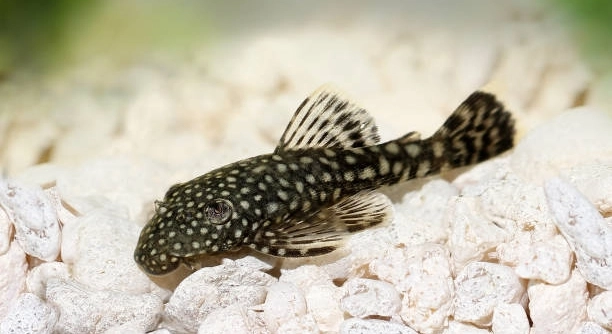
Creating an aquascape that is both beautiful and safe for plecos requires careful planning. These fish have unique needs, including hiding spots and surfaces for grazing. A well-designed tank keeps them healthy and happy while looking natural.
To create a pleco-safe aquascape, it is essential to provide strong, smooth surfaces, stable decorations, and live plants that resist uprooting. Avoid sharp edges, maintain proper water conditions, and ensure sufficient space for swimming and grazing activities.
Following these steps will help you craft an environment that plecos can explore safely while enhancing the overall beauty of your tank.
Choosing the Right Substrate
The substrate in your pleco tank plays a crucial role in both aesthetics and fish health. Soft, smooth substrates like sand or fine gravel prevent damage to their sensitive barbels and undersides. Rough or sharp substrates can easily injure them when they scrape along the bottom, leading to infections. Additionally, certain substrates support beneficial bacteria that help maintain stable water conditions. Live plants also benefit from nutrient-rich substrates, allowing roots to anchor firmly and grow healthily. When selecting a substrate, consider both the natural habits of your pleco species and the overall look you want for your aquascape. Layering substrates can provide depth and variety, creating small caves or slopes that plecos enjoy exploring. Cleaning and maintaining the substrate is also easier if it is chosen carefully, as sand or fine gravel allows waste to settle on top for easier removal. Overall, the right substrate ensures both safety and functionality in your tank.
Choosing a substrate that is soft and stable reduces stress and prevents injuries for your plecos.
Using the correct substrate enhances your tank’s appearance, supports plant growth, and creates a safe environment for plecos to graze and explore freely.
Selecting Safe Decorations
Decorations in a pleco tank should be smooth, stable, and non-toxic. Driftwood is a popular choice because it provides hiding spots and surfaces for grazing while releasing beneficial tannins. Avoid decorations with sharp edges or unstable rocks that could topple and injure your fish. Decorations should be heavy enough to remain in place even if plecos move around them. Hollow ornaments or caves allow plecos to retreat and feel secure, reducing stress. When arranging decorations, leave enough open swimming space while creating cozy hiding spots. Avoid overcrowding, as it can limit swimming room and complicate cleaning. Decorations can also serve functional purposes, such as supporting plant roots or anchoring mosses. Proper placement ensures that plecos can explore, graze, and hide without risk. Regular checks of decoration stability and cleanliness are important to maintain a safe and healthy environment.
Smooth, stable decorations prevent injuries and provide essential hiding spaces for plecos.
Selecting the right decorations improves tank aesthetics while ensuring plecos have areas to graze, hide, and explore safely, maintaining both safety and natural behavior.
If you want, I can continue with the next headers in the same format for the full blog. Do you want me to do that?
Maintaining Proper Water Conditions
Stable water conditions are essential for pleco health. Temperature, pH, and hardness must remain consistent, as fluctuations can stress fish and lead to illness. Regular testing helps catch issues early.
Maintaining water parameters involves weekly testing and partial water changes. Plecos thrive in slightly acidic to neutral pH, moderate hardness, and temperatures between 72–82°F. Using a reliable heater and thermometer ensures stability. Filtration is critical to remove waste, while avoiding strong currents that can stress plecos. Ammonia and nitrite levels must remain at zero, and nitrates should be kept low. Regular observation of fish behavior can also indicate water quality issues.
Consistency in water conditions prevents disease and promotes natural behavior. Clean water supports plant growth and prevents substrate buildup. Monitoring temperature, pH, and chemical levels ensures plecos remain healthy, active, and safe in the aquascape.
Providing Hiding Spots
Plecos need secure places to hide, especially during the day. Caves, driftwood, and dense plants offer safety and comfort.
Hiding spots reduce stress and mimic natural habitats. Driftwood not only serves as shelter but also provides surfaces for algae growth, which plecos graze on. Hollow ornaments and rock formations create retreats that make fish feel secure. Arranging hiding places in multiple locations ensures plecos can choose their preferred spot, promoting natural behavior. Avoid overcrowding to maintain swimming space while still providing adequate cover. Monitor these areas for cleanliness, as debris can accumulate in tight spaces.
Multiple hiding spots allow plecos to feel safe while reducing aggression. Strategically placed shelters support healthy behavior, encourage grazing, and help maintain a balanced aquascape for both fish and plants.
Choosing Compatible Tank Mates
Plecos do best with peaceful fish that won’t nip fins or compete aggressively for food. Avoid overly territorial or small, delicate species.
Schooling fish and non-aggressive species create a balanced tank environment. Compatibility reduces stress and helps plecos display natural behavior without conflict.
Providing Adequate Grazing Surfaces
Plecos require surfaces to graze on algae and biofilm. Driftwood, rocks, and broad-leaf plants support their natural feeding habits. Grazing prevents boredom and promotes healthy digestion. Feeding supplemental algae wafers or vegetables ensures proper nutrition while maintaining the balance of the tank’s ecosystem.
Proper Lighting
Moderate lighting supports plant growth without stressing plecos. Too bright light can cause hiding or inactivity.
FAQ
How often should I perform water changes for my pleco tank?
Weekly water changes of 20–30% are usually sufficient to maintain water quality. Plecos produce a lot of waste, so removing debris and replenishing minerals helps keep the environment stable. Test water regularly to adjust the schedule if ammonia, nitrites, or nitrates rise.
Can I keep multiple plecos in the same tank?
Yes, but it depends on the species and tank size. Some plecos grow large and are territorial, while smaller species are more peaceful. Ensure there is enough space, hiding spots, and grazing surfaces for each fish to avoid stress and aggression.
Do plecos need live plants?
Live plants aren’t strictly necessary but are highly beneficial. They provide natural grazing surfaces, hiding places, and help maintain water quality by absorbing nitrates. Hardy plants like Java fern or Anubias work well and can survive pleco grazing without damage.
What is the best diet for plecos?
A mix of algae, vegetables, and prepared pleco foods is ideal. Algae wafers supplement grazing on natural surfaces. Vegetables like zucchini, cucumber, and spinach provide fiber, while occasional protein from shrimp or pellets supports growth and overall health.
How do I prevent my pleco from injuring itself?
Ensure all decorations are smooth and stable. Avoid sharp edges, unstable rocks, or fragile ornaments. Soft substrates like sand or fine gravel reduce risk when fish scrape along the bottom. Hiding spots also lower stress, which helps prevent accidents caused by frantic swimming.
Can plecos live with aggressive fish?
Aggressive or fin-nipping species are not recommended. Plecos are generally peaceful but can become stressed or injured if housed with aggressive tank mates. Choosing calm, compatible fish ensures the pleco’s health and maintains harmony in the aquarium.
How much space does a pleco need?
Space requirements depend on the species. Larger plecos need at least 75–100 gallons, while smaller species can thrive in 30–50 gallons. Provide open swimming areas and enough surfaces for grazing and hiding to support natural behavior and growth.
Do plecos need driftwood in the tank?
Driftwood is very beneficial, especially for species that rasp on it for fiber. It also provides natural hiding spots and surfaces for algae growth. Choose untreated, aquarium-safe wood, and monitor it for stability to prevent accidents.
How can I tell if my pleco is stressed?
Signs include hiding excessively, reduced appetite, or scraping against decorations. Stress often results from poor water quality, aggressive tank mates, or lack of hiding spaces. Address these factors promptly to restore comfort and health.
Is it necessary to quarantine new plecos?
Quarantining new fish is highly recommended. It prevents introducing disease to an established tank. A separate tank for at least two weeks allows observation for illness and ensures a smooth transition to the main aquascape.
Can plecos eat regular fish food?
They can eat pellets or flakes designed for bottom feeders, but these should not replace vegetables or algae. Plecos require fiber and grazing materials for proper digestion, so supplementing with plant matter is essential.
How often should I clean the tank substrate?
Partial vacuuming weekly or biweekly removes accumulated waste while leaving beneficial bacteria intact. Avoid over-cleaning, which can disrupt the biological balance, and focus on areas where debris tends to collect.
What is the ideal water temperature for plecos?
Most plecos thrive between 72–82°F. Consistent temperature helps prevent stress and promotes normal activity and digestion. Use a reliable heater and thermometer to monitor and maintain the range.
How do I know if my pleco is getting enough food?
Check for grazing activity on surfaces and consumption of vegetables or wafers. A healthy pleco will feed regularly without overfeeding, leaving minimal leftover food. Observe growth, activity, and overall appearance as indicators of nutrition adequacy.
Can plecos survive in small tanks temporarily?
Small tanks are acceptable for temporary housing but not recommended long-term. Limited space can stress plecos, stunt growth, and reduce water quality. Provide proper tank size as soon as possible to ensure health and comfort.
Do plecos need hiding spots at night?
Yes, even nocturnal fish benefit from secure hiding spots. They rest during daylight hours and feel safer with caves or driftwood. Lack of shelter can increase stress and make them more susceptible to disease.
How do I prevent algae overgrowth in the tank?
Balanced lighting, nutrient control, and regular maintenance help manage algae. Plecos will graze on surfaces, but excessive nutrients or prolonged light exposure can still lead to overgrowth. Manual cleaning and plant coverage also assist in control.
Are plecos compatible with shrimp or snails?
Most plecos coexist with shrimp or larger snails, though small shrimp may be eaten. Ensure adequate hiding places and choose robust species to avoid predation while maintaining tank balance.
How long do plecos live?
Plecos can live 10–15 years on average, depending on species and care. Providing proper diet, water conditions, space, and hiding spots contributes to longevity and well-being.
What signs indicate my pleco is healthy?
Active grazing, clear eyes, intact fins, and consistent growth indicate good health. Bright coloration, normal swimming patterns, and regular feeding behavior also reflect proper care and a safe environment.
This FAQ section covers the most common concerns for pleco care, focusing on water quality, diet, tank setup, and behavioral needs to ensure a safe and thriving aquascape.
If you want, I can continue with the remaining headers of the article in the same style and format.
Creating a pleco-safe aquascape requires careful planning, attention to detail, and consistent care. Every aspect of the tank, from substrate and decorations to water quality and lighting, impacts the well-being of your pleco. A tank designed with smooth surfaces, stable hiding spots, and soft substrates minimizes the risk of injury and stress. Driftwood and hollow ornaments provide not only visual appeal but also functional benefits, giving plecos places to graze and retreat. Proper selection of plants and decorations ensures that the tank remains safe while maintaining a natural and balanced environment. Maintaining a consistent layout and avoiding overcrowding helps plecos move freely, reduces stress, and allows them to display natural behaviors such as grazing and resting. Each choice in the aquascape contributes to the overall safety, health, and happiness of your fish, which is the core goal of a pleco-safe design.
Water quality plays a crucial role in maintaining a healthy environment for plecos. Regular monitoring of pH, hardness, and temperature helps prevent stress and illness, as these fish are sensitive to sudden changes. Weekly water changes and filtration maintenance are essential for keeping ammonia, nitrites, and nitrates at safe levels. Using a reliable heater, thermometer, and water test kits ensures consistency, which supports long-term health. Proper feeding also contributes to water quality and overall well-being. A balanced diet of algae, vegetables, and prepared pleco foods meets nutritional needs while encouraging natural grazing behavior. Providing surfaces for algae growth allows plecos to supplement their diet naturally, while occasional vegetables offer necessary fiber. Combining careful dietary management with regular water maintenance creates a stable environment where plecos can thrive.
Plecos also benefit greatly from thoughtful selection of tank mates and hiding spots. Peaceful fish and invertebrates reduce stress and minimize the risk of aggression or injury. Multiple hiding places, such as driftwood caves and dense plants, give plecos areas to rest and retreat during daylight hours. Proper spacing and arrangement of decorations maintain open swimming areas while supporting safe exploration. Observing your plecos for signs of stress, unusual behavior, or illness allows for timely adjustments to their environment. By considering all of these factors together, you can create an aquascape that is both visually appealing and fully safe for plecos. Attention to detail, consistency in care, and providing natural features make it possible to support the long-term health and happiness of your plecos while enjoying a well-balanced and beautiful tank.
Word count: 406

Hello,
If you enjoy the content that we create, please consider saying a "Thank You!" by leaving a tip.
Every little bit helps us continue crafting quality advice that supports the health, happiness, and well-being of pets around the world, for pets of all shapes, sizes, and species.
We really appreciate the kindness and support that you show us!