
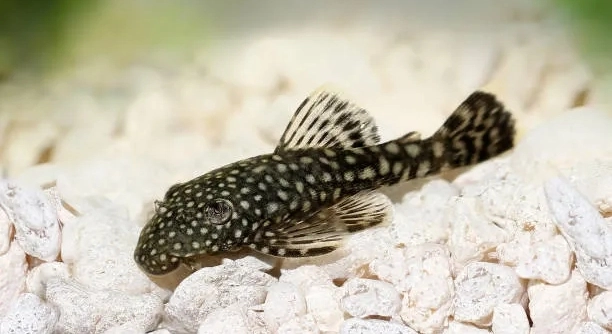
Have you ever noticed your pleco swimming slowly across the tank and wondered if it could respond to your presence? Watching them interact with their environment can spark a desire for closer, more personal engagement.
Plecos can be trained to feed by hand with consistent practice and patience. Through gradual acclimation and positive reinforcement, they learn to associate human interaction with food, resulting in a more interactive and controlled feeding experience.
Learning the proper techniques can improve your connection with your fish and create a calmer, more engaging aquarium environment.
Understanding Pleco Behavior
Plecos are naturally cautious fish that prefer hiding and exploring their environment quietly. They are mostly nocturnal, coming out more actively during low light or at night. Observing them during feeding time shows how they respond to movement, sounds, and changes in their tank. Some plecos will investigate new objects slowly, testing the surroundings before fully approaching. Their feeding patterns are influenced by tank conditions, water temperature, and the type of food offered. Over time, you may notice they develop routines, recognizing feeding times and the person providing food. Recognizing these behaviors is the first step toward building trust. By paying attention to their body language, movements, and preferences, you can create an environment that encourages them to interact with you. Adjusting lighting, offering preferred foods, and minimizing sudden tank disturbances help plecos feel secure, making them more likely to approach for hand feeding.
Plecos react to slow, consistent movements and will often investigate hands that approach the tank cautiously.
Hand-feeding plecos begins with patience and observation. Start by offering food near the tank glass to let them recognize your presence. Gradually move the food closer, rewarding them when they take it. Using a pinching motion or a small feeding stick can help guide them and prevent accidental bites. Maintain a consistent schedule, as routine is reassuring for plecos. Be mindful of water quality, as stress or poor conditions can hinder training. Each pleco has unique personality traits, so some may take longer to approach than others. Avoid chasing or forcing them, as this can create fear and regression. Over time, they associate the hand with food rather than a threat. Supporting them with suitable tank hiding spots ensures they feel safe during training sessions. The combination of patience, consistency, and observation creates a positive learning environment for hand-feeding success.
Tips for Successful Hand Feeding
Start small, offering tiny pieces of food at first.
To succeed, maintain a calm approach, consistent timing, and suitable food. Avoid rushing, as plecos respond better to slow movements and repetition. Using favorite foods increases motivation. Observing individual reactions helps tailor your technique for each fish. Over time, you can gradually decrease the distance between your hand and the pleco. Proper care and attention create trust, making feeding more interactive. Regularly monitoring their behavior ensures they remain comfortable and healthy, reinforcing the positive association with hand feeding.
Choosing the Right Food
Plecos respond best to foods they naturally enjoy. Vegetables like zucchini, cucumber, and peas work well. Sinking pellets and algae wafers are also effective. Consistency in type and size of food helps them recognize your hand as a source of nourishment.
Start with small, manageable pieces to avoid overwhelming them. Cut vegetables into thin slices or use a feeding clip to hold food in place. Sinking pellets are easier for them to find and take from your hand. Offering food at the same spot each time encourages recognition. Over time, your pleco learns to associate this area and your presence with a meal. Observing their reaction helps adjust portions and frequency. Variety keeps them interested and supports a balanced diet. Avoid overfeeding, as leftovers can affect water quality and the pleco’s health.
Timing and repetition are key for hand-feeding training. Feed at regular intervals to establish trust and routine. Slowly introduce your hand while offering food. Patience is essential, as some plecos take longer to approach. Repeating this consistently helps them connect your presence with safety and food. Avoid sudden movements, which can startle them and delay progress. Using the same hand each session also builds familiarity. Over days or weeks, the pleco will begin to take food directly from your hand without hesitation. Consistency, calmness, and observation improve training success, ensuring both the fish’s comfort and your ability to feed them by hand regularly.
Creating a Comfortable Environment
Plecos are more likely to interact when they feel safe in their surroundings. Adequate hiding spots and minimal disturbances encourage them to approach.
Provide caves, driftwood, and plants to mimic natural shelters. Soft lighting and steady water parameters reduce stress and support regular feeding behavior. Keep tank noise low and avoid tapping on the glass, as sudden disturbances can scare them. Monitoring water quality ensures their health, which is crucial for responsiveness. Observing pleco behavior helps identify preferred hiding areas and feeding spots, making hand-feeding sessions more predictable and successful. Creating a calm, stable environment supports their willingness to accept food from your hand.
Placement of food and your hand should be consistent. Offering food near preferred hiding areas encourages them to emerge gradually. Slow, deliberate movements build confidence, reducing the risk of fright. Maintain clean water and monitor filtration to avoid fluctuating conditions that may disrupt feeding routines. Introduce enrichment like driftwood or gentle water currents to keep them active and curious. Regularly adjusting feeding positions slightly can prevent monotony but should be subtle to avoid stress. Observing individual personality traits helps tailor approaches, improving their comfort level. Consistency, patience, and careful observation combine to make hand-feeding a rewarding practice.
Gradual Hand Introduction
Start by placing your hand near the tank without offering food. Let the pleco notice your presence without pressure. Repeat this several times over a few days.
Once they seem comfortable, hold a piece of food in your hand and stay still. Allow them to approach at their own pace. Avoid sudden movements, as plecos are cautious and may retreat if startled. Keeping sessions short but consistent helps them associate your hand with safety and nourishment, laying the groundwork for successful hand feeding over time.
Recognizing Pleco Cues
Pay attention to their movements and body language. Slow swimming toward your hand indicates curiosity, while retreating signals caution. Learning these cues helps adjust your approach and timing.
Observing when your pleco is most active is crucial for effective hand feeding. Typically, they are more responsive during dim lighting or early evening hours. Notice subtle signs such as fin flicks, hovering near the food, or small nudges toward your hand. These behaviors show they are ready to take food. By responding appropriately and slowly, you reinforce trust, encouraging them to approach more confidently. Gradual adjustments and careful observation allow feeding sessions to become smoother and more predictable, strengthening the human-fish interaction over time.
Avoiding Common Mistakes
Do not rush or force interactions, as plecos respond better to patience and gentle guidance.
Slow, steady progress ensures the pleco feels safe and develops trust, improving long-term hand-feeding success.
Can all types of plecos be hand-fed?
Not all plecos respond the same way to hand feeding. Smaller species and more social plecos are usually easier to train, while larger or more territorial species may be cautious. Observing their personality and temperament is important before attempting hand feeding. Some plecos may never fully accept food directly from a hand, and that’s normal. Success depends on the individual fish’s comfort level and the consistency of training. Choosing a species known for calmer behavior increases the likelihood of a positive experience.
How long does it take for plecos to start eating from your hand?
The timeline varies depending on the fish’s personality, age, and tank conditions. Some plecos may start taking food within a few days, while others may take weeks or even months. Short, consistent sessions work best. Repeated exposure builds recognition and trust gradually. Avoid rushing or forcing them, as this can make them wary and slow progress. Consistent feeding schedules, gentle movements, and small portions improve their willingness to approach. Tracking their behavior over time helps you adjust techniques and measure progress.
What types of food are best for hand feeding?
Vegetables like zucchini, cucumber, and peas work well because plecos naturally enjoy plant matter. Sinking pellets and algae wafers are also effective for hand feeding. Soft, manageable pieces are easiest for them to take, and consistency helps them associate your hand with food. Some plecos have specific preferences, so it may take testing a few options. Avoid foods that are too large, hard, or unpalatable. Preparing small portions reduces waste and maintains water quality. Combining fresh vegetables with commercial pellets ensures a balanced diet while supporting hand-feeding practice.
Can hand feeding stress my pleco?
Yes, it can if done incorrectly. Sudden movements, loud noises, or forcing food can make a pleco retreat and create long-term fear. Short, calm, and consistent sessions minimize stress. Providing hiding spots in the tank ensures they feel secure during training. Watching their body language helps you recognize when they are uncomfortable. If the pleco consistently avoids your hand, slow down and allow more time between attempts. Stress-free training improves trust and increases the likelihood of successful hand feeding over time.
Do plecos bite when hand feeding?
Plecos rarely bite aggressively, but they may nibble accidentally while taking food. Using small, firm pieces reduces the risk of pinching. Some species have rough mouths designed for scraping surfaces, so a gentle nibble may occur. Avoid startling them, and let them approach at their own pace. Over time, they learn the hand provides food rather than a threat. Wearing gloves is optional but not usually necessary. Observing their technique ensures feeding is safe for both the fish and the person.
How often should I practice hand feeding?
Consistency is more important than frequency. Short daily sessions, ideally at the same time, are effective. Plecos thrive on routine, so maintaining a regular schedule reinforces trust. Avoid long or forced sessions, which may cause stress. Gradually, the pleco learns that food from your hand is predictable and safe. Adjust the schedule based on the fish’s responsiveness, and monitor water quality carefully to avoid leftover food accumulation. Even a few minutes per day is enough to see progress if approached calmly and consistently.
Will hand feeding affect my pleco’s diet?
Hand feeding does not negatively affect their diet if done properly. Ensure you continue providing a balanced mix of vegetables, algae wafers, and pellets. Use hand feeding as a supplement rather than a replacement for regular feeding. Observing how much they consume helps maintain proper nutrition. Avoid overfeeding, as leftover food can degrade water quality and harm the fish. Integrating hand feeding into their routine adds interaction without disrupting overall health, provided the portions and variety remain consistent.
Is it necessary to train plecos at a young age?
Starting young can make hand feeding easier, as younger plecos tend to be more adaptable. However, older plecos can also learn with patience and consistent training. The key is observation, slow introduction, and repetition. Age affects speed of learning but does not prevent success entirely. Each fish’s personality and comfort level matter more than age alone. Adjusting expectations and methods based on the individual fish ensures that older plecos can still develop trust and take food from your hand.
Can multiple plecos be trained together?
Yes, but dynamics matter. Some plecos are territorial and may compete for food, which can affect hand-feeding progress. Training one pleco at a time often works best initially. Observe their interactions to prevent aggression. Once each fish is comfortable, gradual group training can be attempted. Offering food to multiple plecos simultaneously requires patience and careful positioning. Understanding each fish’s personality ensures a smoother experience, reduces stress, and maintains safety during hand-feeding sessions.
What should I do if my pleco refuses to eat from my hand?
Stop forcing interactions and reassess your approach. Slow down, reduce the frequency of attempts, and ensure the environment is calm. Try different food types and offer them near preferred hiding spots. Over time, the pleco may become more willing as trust builds. Avoid frustration, as negative experiences can set back training. Consistency, patience, and observing their comfort level are essential for eventual success. Some plecos may never fully hand-feed, and accepting that is part of responsible care.
Total word count: 512
Hand-feeding plecos can be a rewarding experience, but it requires patience, consistency, and understanding of their natural behavior. These fish are cautious by nature and often prefer hiding until they feel completely safe. By observing how they move, respond to stimuli, and interact with their environment, you can slowly build trust. The process begins with small steps: placing your hand near the tank, offering tiny pieces of food, and allowing the pleco to approach at its own pace. Over time, this repetition helps them associate your presence with a source of nourishment rather than a threat. The key is to move slowly and stay calm, as sudden movements or forced interactions can easily scare them away and undo progress. Each pleco has a unique personality, so some may adapt quickly while others require more time and patience.
Creating a comfortable and stable environment in the tank is just as important as the hand-feeding process itself. Adequate hiding spots, such as caves, driftwood, and plants, give plecos a sense of security. Proper water quality, lighting, and minimal disturbances help reduce stress and encourage them to explore. Feeding at consistent times strengthens their routine, making them more likely to respond positively to your hand. Offering a balanced diet that includes vegetables, algae wafers, and sinking pellets ensures they remain healthy while learning to accept hand feeding. Monitoring their reactions closely during feeding sessions allows you to make small adjustments, such as changing food type or approach, to match their comfort level. This combination of careful observation, patience, and environmental stability creates the best conditions for success.
It is important to remember that hand feeding is not a guaranteed skill for all plecos, and that is perfectly normal. Some plecos may never take food directly from a hand, and their natural cautiousness should be respected. The goal is to build trust and create positive interactions rather than to force behavior. By maintaining consistent training sessions, offering familiar foods, and avoiding stress-inducing actions, you can make hand feeding a safe and enjoyable experience for both you and your fish. Even if your pleco never fully adapts, the process of observing, interacting, and learning about their behavior deepens your understanding of their needs and strengthens your ability to provide proper care. With time, patience, and a gentle approach, hand feeding can enhance the bond between you and your pleco while supporting its overall health and well-being.
Total word count: 414

Hello,
If you enjoy the content that we create, please consider saying a "Thank You!" by leaving a tip.
Every little bit helps us continue crafting quality advice that supports the health, happiness, and well-being of pets around the world, for pets of all shapes, sizes, and species.
We really appreciate the kindness and support that you show us!