
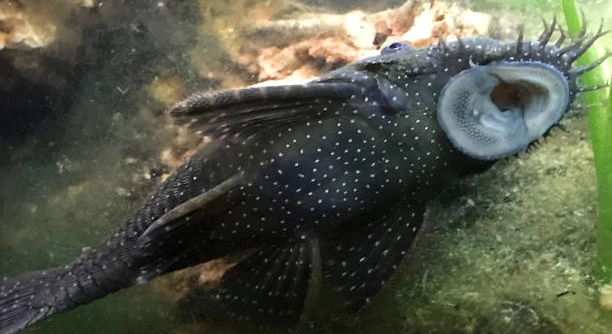
Do you ever wonder how your pleco behaves when it is the only fish in a tank? Many fish owners keep these peaceful creatures alone, yet their social needs are often overlooked. Understanding their behavior is important.
Plecos are generally solitary animals and can live alone without significant stress. While they may interact with other fish in shared tanks, their natural habits do not require constant companionship. Proper care and environment are crucial for their well-being.
Observing your pleco’s behavior in a solo tank can reveal surprising details. Small changes in their routine may indicate needs beyond just food and water.
Understanding Pleco Behavior in a Solo Tank
Plecos are naturally solitary fish that spend most of their time hiding or grazing on surfaces. In a solo tank, they often establish a favorite spot, such as under driftwood or near rocks, and can feel secure in these areas. Their activity is mostly nocturnal, meaning they are more active during the night and rest during the day. Watching their feeding patterns and interactions with the environment provides insight into their mental and physical health. Even alone, plecos enjoy exploring different textures in the tank and benefit from a well-structured habitat. Decorations, plants, and hiding spaces help reduce stress. Water quality plays a significant role in their behavior as well. Clean, well-filtered water ensures that plecos remain healthy and maintain their natural routines. Observing changes in their movement, appetite, or coloration can signal environmental issues or health concerns that need to be addressed promptly to ensure their well-being.
Plecos in solo tanks often appear relaxed. They do not require the presence of other fish to thrive if their environment is properly maintained.
Even when alone, plecos benefit from enrichment. Providing surfaces for grazing, hiding spots, and varied decorations helps keep them active. Some owners notice plecos adjusting their territories or investigating new objects in the tank, which indicates curiosity and engagement. Feeding a balanced diet and maintaining stable water parameters contribute to their comfort and longevity. A solo tank can allow plecos to exhibit natural behaviors without competition, reducing stress and aggression. Watching their routines, including nighttime foraging and resting areas, reveals their unique personalities. Overall, careful attention to habitat and diet allows a pleco to live comfortably and healthily on its own.
Signs of Loneliness or Stress
Even solitary species can show signs of stress in isolation. Sudden hiding, refusal to eat, or unusual swimming patterns may indicate discomfort.
Monitoring pleco behavior closely in a solo tank is important for maintaining their health. Stress can result from poor water quality, inadequate hiding spaces, or sudden changes in the tank setup. While plecos do not require companions, they still respond to environmental enrichment. Observing their daily habits helps identify early warning signs. Owners can adjust lighting, introduce safe objects to explore, and ensure regular feeding routines to reduce potential stress. Sometimes, minor adjustments, such as rearranging decorations or providing more grazing surfaces, can significantly improve a pleco’s mood and activity level. Being attentive to these factors ensures that a solitary pleco remains active, healthy, and comfortable in its tank.
Tank Setup Tips for Solo Plecos
A well-structured tank is essential for a pleco alone. Hiding spots, driftwood, and smooth surfaces give them comfort. Stable water conditions and proper filtration reduce stress and support their natural behaviors in a solo environment.
Providing a balanced tank setup for a solo pleco requires careful consideration. Driftwood not only serves as a hiding place but also supports their grazing habits. Plants and rocks offer security and encourage exploration without causing stress. Proper filtration ensures clean water, while consistent temperature and pH levels keep the pleco healthy. Lighting should mimic natural day and night cycles to support nocturnal activity. Regular observation of behavior and environment helps identify any issues before they affect health. Enrichment items like caves or textured surfaces prevent boredom and encourage natural foraging behavior.
Feeding routines also affect tank setup. Grazing surfaces, sinking pellets, and occasional fresh vegetables support their diet. Rotating decor or hiding spots can stimulate activity. A solo pleco often benefits from a slightly larger tank, giving it room to explore and establish a territory. This setup reduces stress and promotes longer-term health, making it easier to notice subtle behavioral changes. Adjustments based on observation can improve comfort and engagement, keeping the fish active and responsive.
Social Considerations and Interaction
Even solitary plecos respond to environmental stimuli. Introducing safe objects or occasional interaction can provide mental stimulation without requiring tank mates.
Although plecos are solitary by nature, interaction with their environment or gentle observation from the owner can improve engagement. Objects to explore, changes in decoration, or variations in feeding methods encourage curiosity. They may react to movement outside the tank or new additions to their space. Social stress is minimized when no aggressive species share the tank, allowing the pleco to feel secure. Consistency in routines helps maintain stability, and minor adjustments can prevent boredom. Interaction is more about enrichment than companionship. Observing their reactions to changes provides insight into their comfort and health. Providing diverse textures, grazing opportunities, and occasional rearrangement of hiding spots keeps their environment stimulating while preserving their solitary habits. A well-maintained tank supports both mental and physical well-being, making a solo pleco more active and resilient.
Signs of Healthy Behavior
Active grazing and regular movement indicate a healthy pleco. Smooth swimming and consistent hiding routines show comfort in a solo tank.
Bright coloration and normal appetite are also good signs. A healthy pleco engages with its environment and maintains its established spots without stress.
Common Stress Triggers
Changes in water temperature, poor filtration, or sudden rearrangement of the tank can stress a pleco. Avoid overcrowding and incompatible species. Maintaining consistency in care helps prevent unnecessary anxiety and promotes stable behavior in solitary plecos.
Feeding and Nutrition
Plecos require a diet of algae, sinking pellets, and occasional vegetables. Proper nutrition supports growth, coloration, and overall health in a solo tank environment.
Observing Behavioral Changes
Monitoring your pleco regularly helps spot early signs of illness or stress. Subtle changes in activity, appetite, or appearance indicate adjustments may be needed to maintain a comfortable habitat.
FAQ
Can plecos get lonely in a solo tank?
Plecos are naturally solitary fish. They do not rely on companions for social interaction, so loneliness is generally not a concern. What matters most is a well-structured environment that provides hiding spaces, grazing surfaces, and stable water conditions. A solo pleco can thrive if its tank meets these needs.
How can I tell if my pleco is stressed?
Stress signs include hiding more than usual, refusing food, erratic swimming, or changes in coloration. Monitoring water quality, tank setup, and feeding routines is essential. Minor adjustments like adding hiding spots, ensuring proper filtration, or stabilizing temperature can reduce stress and support normal behavior.
Do plecos need companions?
Plecos do not require tank mates to feel secure or healthy. While they can live with other peaceful fish, a solo setup often reduces competition for territory and food, allowing them to display natural behaviors more comfortably. Observing behavior ensures they are comfortable alone.
What is the ideal tank size for a solo pleco?
A tank of at least 30 gallons is recommended for smaller species, while larger plecos may need 50 gallons or more. Space allows them to explore, graze, and establish territories. A roomy tank reduces stress and supports long-term health, even when they live alone.
How often should I feed a solo pleco?
Plecos benefit from small, consistent feedings rather than large meals. Offer algae wafers, sinking pellets, and occasional fresh vegetables two to three times a day. Overfeeding can lead to water quality issues, so careful portioning is important for both health and tank cleanliness.
Can plecos live long in a solo tank?
Yes, plecos can live for many years alone if their environment is well-maintained. Proper diet, clean water, and adequate hiding spaces support longevity. Observing daily habits and responding to changes ensures they remain healthy and active over time.
How do I enrich a solo pleco’s tank?
Providing driftwood, plants, rocks, and textured surfaces allows a pleco to graze and explore. Rearranging decorations occasionally stimulates activity and curiosity. Enrichment is key to preventing boredom and encouraging natural behaviors, even without other fish present.
What water conditions are best for a solo pleco?
Plecos thrive in stable water with a temperature between 74–80°F, pH around 6.5–7.5, and clean, well-filtered conditions. Regular water testing and partial changes prevent stress and maintain health. Stability is more important than constant changes or complex setups.
Are plecos nocturnal in solo tanks?
Yes, plecos are mostly active at night. They spend daytime resting in hiding spots. Adjusting lighting to mimic natural cycles helps maintain normal behavior. Observing activity at night can provide insight into their comfort and health.
What should I do if my pleco stops eating?
Loss of appetite can indicate stress, illness, or poor water quality. Check water parameters, examine the fish for physical issues, and ensure the diet is appropriate. Adjusting environment or consulting a specialist may be necessary to restore normal feeding behavior.
Can plecos coexist with other fish in a solo tank setup?
While plecos prefer solitude, they can live with peaceful, non-aggressive species. Avoid overcrowding or pairing with territorial fish, as this can increase stress. Careful selection of companions ensures the pleco’s comfort and maintains harmony in the tank.
How often should I monitor my pleco’s behavior?
Daily observation is recommended. Checking movement, hiding patterns, feeding, and coloration allows early detection of stress or illness. Even in a solo tank, subtle changes can indicate environmental or health issues that need attention.
Do plecos need hiding spots even in solo tanks?
Yes, hiding spots are essential. Driftwood, caves, and plants provide security and comfort. A pleco without adequate hiding spaces may feel exposed, which can increase stress despite being alone in the tank. Proper shelter supports both physical and mental well-being.
How do I prevent boredom in a solo pleco?
Rotate decorations, introduce new grazing surfaces, and provide variety in diet. These small changes encourage exploration and engagement. While plecos are solitary, a stimulating environment prevents inactivity and promotes natural behaviors over the long term.
Can water changes affect a solo pleco’s mood?
Sudden or drastic water changes can stress plecos. Consistent, gradual water maintenance helps maintain stability. Frequent observation before and after changes ensures the pleco adjusts well, maintaining comfort and normal behavior in the tank.
Is it normal for a pleco to hide most of the day?
Yes, plecos are naturally nocturnal and spend daylight hours in hiding. As long as they feed normally at night and show typical activity, extensive daytime hiding is not a concern. Monitoring for unusual changes is still important for health.
How do I handle a sick pleco in a solo tank?
Separate the pleco if treatment requires it, or use targeted medication in the main tank. Maintain clean water, proper temperature, and monitor appetite. Early intervention improves recovery chances. Observing behavior daily helps detect problems before they worsen.
Can a pleco become stressed from lack of attention?
Plecos do not require human attention for well-being. Stress is more likely caused by poor water conditions, inadequate hiding spots, or sudden changes. Providing a stable, enriched environment ensures comfort even without direct interaction.
How can I make a solo pleco feel secure?
Secure hiding spaces, stable water conditions, consistent feeding, and gradual environmental adjustments help a pleco feel safe. Observing their routines and responding to stress signals ensures they maintain comfort and display natural behaviors consistently.
What is the best way to introduce a new pleco to a solo tank?
If introducing another pleco, ensure a larger tank with multiple hiding spots to reduce territorial disputes. Gradual acclimation, careful observation, and maintaining consistent water conditions help prevent stress during the introduction process.
Final Thoughts
Keeping a pleco in a solo tank can be a very rewarding experience if the right care is provided. Plecos are naturally solitary creatures, so being alone does not typically cause them stress or loneliness. What matters most is that their environment meets their needs. Providing enough space, hiding spots, and surfaces for grazing ensures that they can display their natural behaviors comfortably. Driftwood, rocks, and live or artificial plants are essential elements for creating a habitat where a pleco feels secure. Even small tanks can work for certain pleco species, but larger tanks are always better for giving them room to move, explore, and establish a territory. Observing their daily routines, especially during feeding or nighttime activity, can reveal how comfortable and healthy they are in their space.
Water quality plays a crucial role in the health of a solo pleco. These fish are sensitive to sudden changes in temperature, pH, and ammonia levels, so regular monitoring and maintenance are necessary. A properly filtered tank with partial water changes on a consistent schedule helps prevent stress and illness. Even if the pleco seems content, subtle changes in behavior, coloration, or appetite can indicate that the water or environment needs attention. Feeding is also a key part of their well-being. Offering a balanced diet of algae wafers, sinking pellets, and occasional vegetables ensures that they receive the nutrients required for healthy growth and activity. Consistent routines help plecos feel secure, while variety in their diet and environment keeps them engaged and active.
A solo pleco can live a long and healthy life when their habitat is well-designed and maintained. While they do not need companions to thrive, enriching their environment with hiding places, textures, and grazing surfaces encourages natural behaviors and prevents boredom. Gentle observation of their habits provides insight into their health and comfort, allowing small adjustments to improve their living conditions. By focusing on proper tank setup, water quality, diet, and enrichment, plecos in a solo tank can remain active, healthy, and stress-free for many years. Providing this level of care makes keeping a solitary pleco a simple yet fulfilling experience, giving owners the satisfaction of seeing their fish thrive in an environment tailored to their unique needs.

Hello,
If you enjoy the content that we create, please consider saying a "Thank You!" by leaving a tip.
Every little bit helps us continue crafting quality advice that supports the health, happiness, and well-being of pets around the world, for pets of all shapes, sizes, and species.
We really appreciate the kindness and support that you show us!