
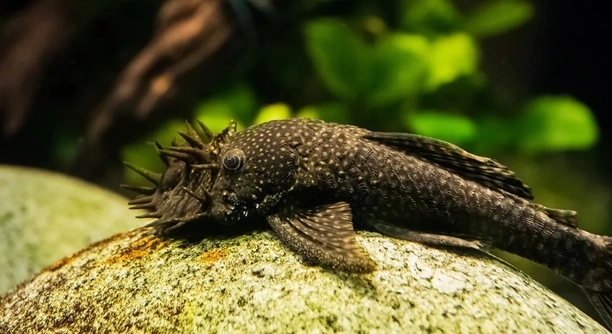
Do you ever watch your pleco gliding along the tank glass and wonder what its movements really mean? Many pleco owners notice unusual behaviors and wonder if these actions signal stress or health issues.
Plecos often display behaviors that can be easily misinterpreted. Scraping, hiding, or drifting in the water may appear alarming, yet these actions are usually normal species-specific behaviors related to feeding, territory, or environmental comfort.
Learning to read your pleco’s cues will help you care for it properly and ensure its environment supports its natural habits.
Scraping the Glass
Watching a pleco scrape along the glass can be surprising if you’re not familiar with the behavior. Many new owners assume the fish is injured or stressed. In reality, this motion is natural. Plecos have specialized mouths that allow them to clean surfaces and search for algae. Scraping helps them feed and maintain their environment. The action may look repetitive, but it is part of their daily routine. Plecos often explore tank surfaces, and the motion can vary depending on the tank setup. Some plecos spend more time near the bottom, while others use glass and decorations. Lighting and algae growth also influence how often they scrape. Observing these patterns can give insights into their health. If a pleco suddenly stops scraping, it may indicate a lack of food or changes in water quality. However, occasional pauses are normal and not a cause for concern.
Glass scraping is a typical pleco feeding and cleaning behavior and rarely indicates stress or injury when performed regularly.
Learning to recognize normal scraping helps you understand your pleco’s routine. Not all scraping needs intervention.
Hiding in Decorations
Plecos often retreat to caves or under plants. This behavior is normal and linked to their natural preference for shaded areas. Hiding gives them comfort and security.
Many plecos are nocturnal and feel safer during daylight hours. Providing caves, driftwood, or dense planting encourages natural behavior. This also reduces stress, as open spaces can make them feel exposed. Observing when and how long your pleco hides helps identify patterns. Sometimes, new tankmates or sudden changes in lighting prompt longer hiding periods. This is not necessarily a sign of illness. Young plecos hide more frequently as they adjust to a new environment. Older fish may return to hiding when resting or avoiding interaction. Monitoring water quality is still important, as poor conditions can also lead to hiding, but usually, occasional retreating is simply part of their daily activity. Understanding these habits allows you to provide a comfortable and enriching tank environment, ensuring your pleco thrives.
Drifting in the Water
Plecos sometimes float or drift without much movement. This is often normal and part of their resting pattern, especially during the day. They may position themselves near surfaces or decorations.
Floating in place allows plecos to conserve energy. In their natural habitat, they rest in slower water areas or among submerged structures. This behavior is more noticeable in larger plecos that require longer rest periods. It can also happen after feeding when digestion requires energy. If a pleco drifts near the surface or mid-tank occasionally, it is usually harmless. However, continuous drifting paired with unusual breathing may indicate water quality issues, so monitoring conditions is important. Recognizing this as a standard resting behavior helps reduce unnecessary concern.
Some plecos combine drifting with light fin movement. This subtle motion keeps them balanced without using much energy. Observing these small adjustments gives insight into their comfort and tank setup.
Rubbing Against Objects
Plecos often rub against rocks, wood, or other decorations. This is a normal activity and not necessarily a sign of illness. It helps them clean their skin and maintain body health.
Rubbing is part of how plecos interact with their environment. The action may remove algae or stimulate the skin and fins. In the wild, plecos use this behavior to mark territory and stay clean. Occasional rubbing is expected and healthy. Overuse or aggressive rubbing may suggest irritation from water parameters or parasites. Watching where and how often your pleco rubs can provide useful information. Consistent patterns on certain objects usually indicate comfort with the area rather than a problem. Providing a variety of textures in the tank supports this natural behavior, keeping your pleco engaged and active throughout the day.
Plecos often return to familiar surfaces repeatedly. This preference shows where they feel secure. Offering multiple surfaces ensures they have choices while maintaining normal routines and promoting well-being.
Breathing at the Surface
Plecos may rise to the water surface and take a few quick gulps of air. This is normal for some species and usually happens when oxygen levels in the water are lower.
Occasional surface breathing is a natural adaptation. Plecos have a modified digestive system that can absorb oxygen, so brief visits to the surface are not alarming. If you notice frequent or prolonged air gulping, check water quality and aeration. Proper filtration and circulation help maintain oxygen levels. Observing this behavior alongside normal activity ensures it is part of their routine rather than a sign of stress or illness.
Tail Flicking
Tail flicking is a regular behavior plecos use to adjust position or communicate minor signals. It often appears during movement across the tank or near other fish.
Staying at the Bottom
Plecos often rest near the tank bottom. This is typical behavior and indicates comfort with their environment.
FAQ
Why does my pleco scrape its mouth on the glass so often?
Scraping the glass is a normal behavior. Plecos use their mouths to feed on algae and clean surfaces. Frequent scraping usually means they are exploring their environment or searching for food. As long as the fish appears healthy, this behavior is not harmful.
Is it normal for plecos to hide most of the day?
Yes, plecos often hide during daylight hours. They are naturally nocturnal and feel safer in shaded areas or under decorations. Providing caves, driftwood, and plants allows them to retreat comfortably. Hiding is part of their daily routine and usually does not indicate illness.
Why does my pleco float or drift without swimming much?
Floating in place is a typical resting pattern. Plecos conserve energy by drifting in slower water or near tank surfaces. Occasional drifting is normal, but continuous drifting with labored breathing could signal water quality issues that should be checked.
Why is my pleco rubbing against rocks or decorations?
Rubbing helps plecos clean their skin, remove algae, and interact with their environment. It is a natural behavior and part of their daily activity. Persistent or aggressive rubbing may indicate irritation from parasites or water conditions, but occasional rubbing is healthy.
Is surface breathing a problem for my pleco?
Some plecos gulp air at the surface as a normal adaptation, especially if oxygen levels are slightly lower. Occasional air gulping is harmless, but frequent or prolonged surface visits should prompt a check of water quality and aeration. Proper circulation helps maintain oxygen.
Why does my pleco flick its tail?
Tail flicking is a normal motion plecos use to adjust balance, communicate, or interact with other fish. Brief flicking while moving or resting is expected. Excessive flicking may suggest stress, but occasional flicking is part of normal activity.
Why does my pleco spend so much time at the bottom?
Bottom dwelling is typical. Plecos feel secure near the substrate, and it allows them to graze on algae and food. Providing decorations, caves, and driftwood encourages natural bottom activity and helps them feel safe and comfortable.
Can plecos display unusual behavior if the tank is too small?
Yes, restricted space can change their behavior. Plecos may become more aggressive, hide excessively, or scrape surfaces more often. Ensuring the tank is large enough for their species helps maintain normal behavior and reduces stress.
Do plecos get along with other tank mates?
Most plecos are peaceful but may show territorial behavior, especially in confined spaces. Providing plenty of hiding spots and decorations reduces conflicts. Observing interactions ensures all fish remain healthy and stress-free.
How can I tell if my pleco’s behavior indicates illness?
Changes in activity, appetite, or unusual swimming patterns can indicate illness. Signs like continuous rubbing, rapid breathing, or lethargy warrant water tests and possibly consultation with an aquarium specialist. Most normal behaviors are harmless and part of their natural routine.
Should I be concerned if my pleco suddenly changes its routine?
Minor changes are often normal as plecos adjust to new food, tankmates, or environment. Sudden or drastic changes in hiding, feeding, or activity levels could signal stress or illness, and checking water quality or seeking advice is recommended.
What is the best way to observe pleco behavior without causing stress?
Watch quietly from outside the tank and avoid tapping the glass. Providing a stable environment with consistent light and minimal sudden changes allows natural behaviors to appear. Observing over time helps identify normal patterns versus unusual signs that need attention.
Can plecos be trained to recognize feeding times?
Yes, plecos can learn routines. They may swim toward food at regular feeding times. Consistent feeding schedules and placing food in familiar spots helps them anticipate meals, but their natural behaviors remain mostly instinct-driven.
How often should I check pleco behavior?
Daily observation is ideal. Noting patterns like hiding, scraping, drifting, or surface breathing allows you to track health and detect small changes. Maintaining consistent monitoring helps ensure your pleco thrives in its environment.
Does water temperature affect pleco behavior?
Yes, water temperature influences activity levels. Cooler water can slow movement, while warmer water may increase activity. Keeping the temperature stable and appropriate for your pleco species supports normal behavior and overall health.
What are the signs that my pleco is comfortable in its tank?
A comfortable pleco explores decorations, grazes on algae, rests naturally, and displays occasional surface breathing or drifting. Consistent normal behaviors indicate the tank setup meets its needs, including space, hiding spots, and water quality.
Final Thoughts
Understanding pleco behavior is key to keeping them healthy and comfortable. These fish have unique habits that may look strange at first. Actions like scraping glass, drifting in the water, hiding, rubbing against objects, or occasionally breathing at the surface are often normal. Each behavior serves a purpose, whether it is feeding, resting, cleaning, or feeling secure. Recognizing what is typical helps reduce unnecessary worry and allows you to provide better care. Plecos are naturally nocturnal and shy, so some behaviors may seem unusual during the day, but this is part of their routine. Observing them over time helps you see patterns and understand what your pleco prefers in its environment.
Providing a suitable tank environment is essential for plecos to thrive. They need space to move, hiding spots to feel secure, and surfaces to graze or rub against. Decorations like driftwood, rocks, and plants are not just aesthetic—they support their natural habits. Water quality, temperature, and oxygen levels also play a major role in their behavior. Small changes in water parameters can cause noticeable shifts, such as increased hiding or surface breathing. Maintaining a stable environment ensures plecos feel comfortable and display normal, healthy behavior. By giving them a habitat that meets their needs, you reduce stress and allow them to act naturally, which makes observing them more enjoyable and informative.
Regular observation is the best way to monitor your pleco’s well-being. Watching for subtle changes in behavior can help you spot potential problems early. Simple habits, like drifting, scraping, or tail flicking, often reflect their comfort and energy levels. Patterns in hiding, feeding, or interaction with tankmates reveal how well they adapt to their environment. Taking notes or paying attention to daily routines can make it easier to identify when something is out of the ordinary. Understanding your pleco’s behavior strengthens the bond between owner and fish, even if they are not visibly affectionate. Over time, you learn to read their subtle cues, ensuring long-term health and a stable, enriched tank environment where your pleco can thrive naturally.

Hello,
If you enjoy the content that we create, please consider saying a "Thank You!" by leaving a tip.
Every little bit helps us continue crafting quality advice that supports the health, happiness, and well-being of pets around the world, for pets of all shapes, sizes, and species.
We really appreciate the kindness and support that you show us!