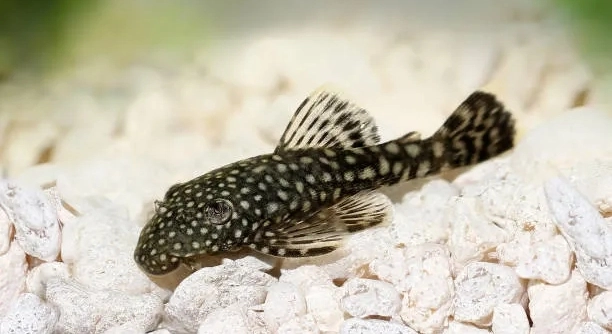
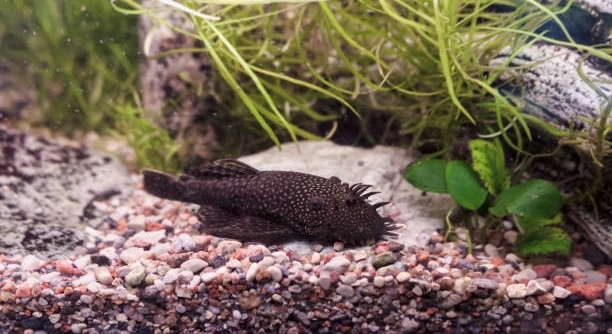
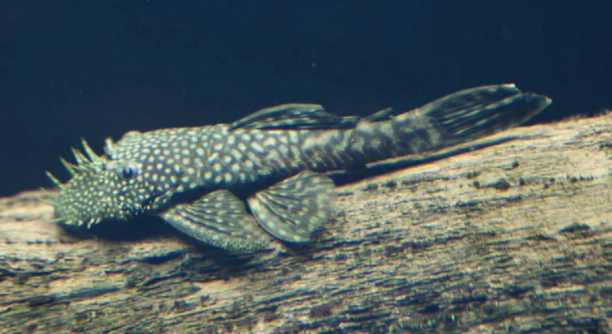
7 Unusual Pleco Behaviors Explained

Your passage is clear and engaging, and it conveys both curiosity and informative content about bristlenose plecos. Here’s a slightly refined version to improve flow and readability without changing your tone: Do you enjoy watching your bristlenose plecos glide along the tank walls and disappear among decorations? These small catfish seem to have a life … Read more
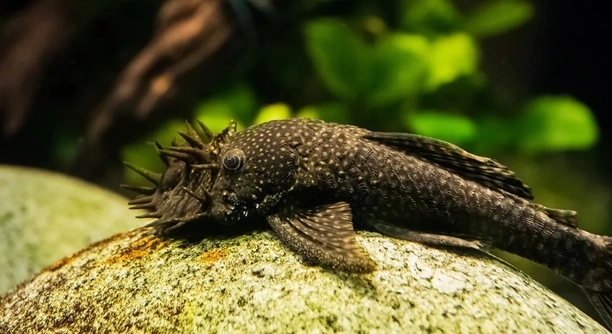
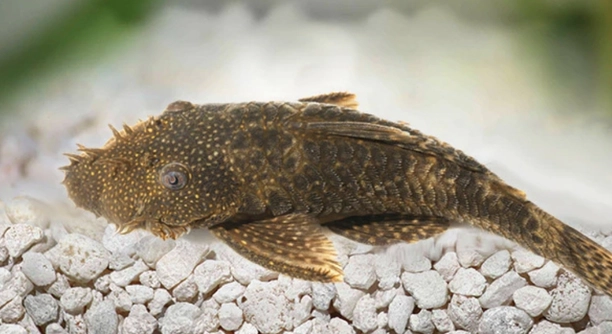
Can Bristlenose Plecos Be Kept in Schools?

Do you enjoy keeping small fish but find yourself thinking about adding a Bristlenose Pleco to your classroom aquarium? These little algae eaters are popular, and many people consider them for school tanks. Bristlenose Plecos can be kept in school aquariums if proper care is provided. They require stable water conditions, adequate hiding spaces, and … Read more

7 Ways to Encourage Algae Growth for Plecos

Are your plecos struggling to find enough natural food in their aquarium? Many aquarists look for ways to encourage algae growth to provide a healthier, more natural diet for these bottom-dwelling fish. A balanced approach can improve their overall wellbeing. Encouraging algae growth for plecos involves controlling light, nutrients, and water conditions. Providing moderate light, … Read more

7 Ways to Make a Pleco-Friendly Aquascape

Have you ever noticed your pleco spending hours hiding in a dark corner of the tank? Creating an aquascape that suits these gentle algae eaters can feel challenging but is very rewarding for both fish and keeper. The best way to make a pleco-friendly aquascape is by providing ample hiding spaces, smooth surfaces, and driftwood … Read more

7 Things That Can Stress Out Breeding Plecos

Are your plecos acting restless or refusing to breed, leaving you puzzled about what might be stressing them out? Breeding plecos can be a delicate process that requires attention to even the smallest details in their environment. The main factors that can stress breeding plecos include poor water quality, incorrect temperature, inadequate hiding spots, and … Read more

Can Bristlenose Plecos Hear High Frequencies?

Have you ever wondered how Bristlenose Plecos perceive the sounds around them in their aquatic environment? These peaceful bottom-dwellers rely on subtle cues to navigate and interact with their surroundings beneath the water’s surface. Bristlenose Plecos cannot hear high frequencies as humans or some other animals do. Their hearing is limited to low-frequency sounds, which … Read more

How to Know If Your Pleco Is Dying

Have you ever noticed subtle changes in your pleco and wondered if something might be wrong? Observing their behavior and physical appearance closely can give clues about their overall health and well-being. A pleco that is dying often shows clear signs, including loss of appetite, unusual lethargy, discoloration, and abnormal swimming patterns. Monitoring water quality, … Read more

How to Pick the Right Pleco for Your Tank

Choosing the right pleco for your tank can feel overwhelming with so many species and sizes available. Each fish has unique needs for space, water conditions, and diet, making careful consideration essential before bringing one home. Selecting an appropriate pleco involves evaluating the tank size, water parameters, and dietary requirements. Species differ in adult size, … Read more

Why Is My Pleco Acting Lazy After a Water Change?

Is your pleco acting unusually slow after a recent water change? Many fish owners notice this sudden change in behavior, which can be surprising. Adjustments in water conditions often affect your pleco’s energy levels temporarily. Plecos often appear lazy after a water change due to stress from sudden shifts in temperature, pH, or water chemistry. … Read more

7 Signs Your Pleco Might Be Territorial

Plecos are fascinating fish that add life to any aquarium. They have unique behaviors and personalities that can sometimes be surprising. Observing their actions closely helps owners understand their needs and interactions within the tank environment. Plecos may display territorial behavior through aggressive interactions, defending specific areas, or exhibiting changes in feeding patterns and movement. … Read more