7 Foods That Cause Pleco Digestive Problems
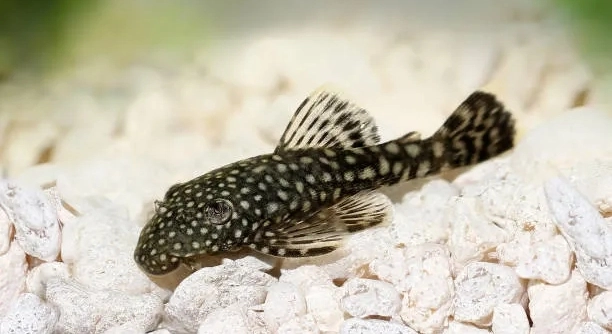
Plecos are fascinating fish, often admired for their unique shapes and algae-eating habits. Many aquarists enjoy watching them glide across the tank, but digestive issues can quietly affect their health over time. Certain foods can disrupt pleco digestion, including high-starch items, citrus fruits, processed pellets with additives, dairy products, and overly fatty treats. Feeding these … Read more
7 Ways to Introduce a New Pleco Safely

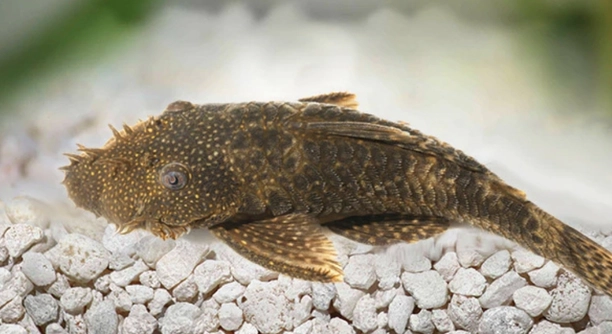
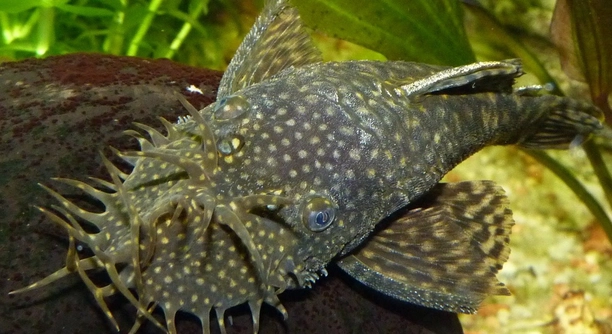
Do you enjoy keeping a lively aquarium but find yourself unsure how to safely add a new pleco to your tank without causing stress or harm? Introducing a new fish can be tricky for beginners and seasoned hobbyists alike. The safest approach to introducing a new pleco involves careful quarantine, monitoring water parameters, and gradual … Read more

7 Tank Maintenance Tips for Pleco Owners

Do you enjoy keeping plecos but find it challenging to maintain a clean, healthy tank for them? These fish require specific care routines to thrive and avoid common problems that can affect their wellbeing over time. Proper pleco tank maintenance involves regular water changes, monitoring water quality, cleaning substrate and decorations, checking filtration systems, controlling … Read more

Do Bristlenose Plecos Recognize Their Tank?

Do you enjoy watching your bristlenose plecos glide along the tank walls and hide among the decorations? These small catfish seem to have a life of their own, moving with purpose and curiosity in their aquatic home. Bristlenose plecos are capable of recognizing their tank environment. They form spatial awareness and memory of hiding spots, … Read more

Can Bristlenose Plecos Coexist With Loaches?

Bristlenose plecos and loaches are popular choices for community aquariums. Both species offer unique behaviors and appeal, but their coexistence can raise concerns for new and experienced aquarists alike. Careful planning helps create a peaceful environment for both. Bristlenose plecos can coexist with loaches under proper conditions. Ensuring adequate hiding spots, compatible tank size, and … Read more

What If Plecos Won’t Come Out to Feed?

Do your plecos sometimes hide for hours, leaving you unsure if they are eating properly or avoiding food? Their secretive nature can make feeding times feel frustrating and confusing for any aquarist. Plecos may refuse to come out to feed due to stress, poor water conditions, inadequate lighting, or insufficient hiding spots. Ensuring proper tank … Read more

7 Small Changes That Help Plecos Settle

Are your plecos struggling to adjust to their new aquarium? Many fish owners face challenges helping these bottom-dwelling species feel comfortable. Small changes in the tank environment can make a significant difference in their well-being. Ensuring plecos settle involves adjusting lighting, providing hiding spots, maintaining stable water parameters, and offering suitable diet options. Each change … Read more

Do Bristlenose Plecos Like Deep Tanks?

Do bristlenose plecos are popular freshwater fish known for their algae-eating habits and unique appearance. Many aquarium enthusiasts enjoy keeping them, but questions often arise about the type of tank environment they thrive in. Their care requirements vary depending on water depth and tank setup. Bristlenose plecos do not require excessively deep tanks, but they … Read more

What’s the Ideal Light Cycle for Plecos?

Plecos are peaceful fish that thrive in carefully maintained aquariums. Their health and behavior depend on many factors, including water quality, diet, and lighting. Proper light cycles help mimic their natural environment and keep them comfortable. The ideal light cycle for plecos typically consists of 10 to 12 hours of light followed by 12 to … Read more

7 Reasons Your Pleco Keeps Moving the Sand

Have you ever noticed your pleco constantly moving the sand in its tank, leaving trails and small piles behind? This behavior can seem puzzling, especially when you provide a clean and well-maintained environment for your fish. Plecos move sand primarily due to natural foraging instincts and territorial behavior. They sift through the substrate to find … Read more