
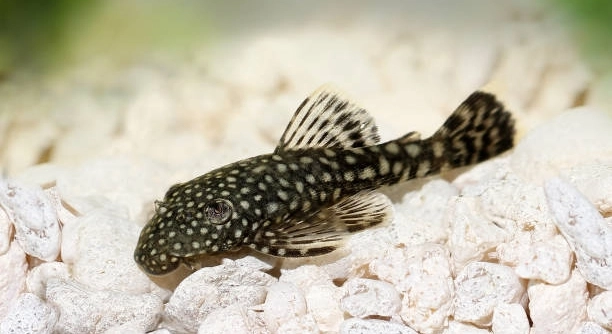
Plecos are fascinating fish that add life to any aquarium. They have unique behaviors and personalities that can sometimes be surprising. Observing their actions closely helps owners understand their needs and interactions within the tank environment.
Plecos may display territorial behavior through aggressive interactions, defending specific areas, or exhibiting changes in feeding patterns and movement. Recognizing these signs is crucial for maintaining harmony in the aquarium and ensuring the well-being of all aquatic inhabitants.
Knowing how to identify territorial traits can prevent conflicts and stress. Proper observation and understanding of their behavior improve the overall health of your aquarium.
Increased Hiding Spots
When a pleco becomes territorial, it often seeks out more hiding spots in the aquarium. You may notice it spending extended periods in caves, under driftwood, or behind decorations. This behavior is a natural instinct to protect its claimed space. Plecos may also move objects around or rearrange the substrate to create barriers. Observing these changes can help you identify which areas are being defended. Territorial plecos tend to become more cautious, only emerging when it feels safe or when food is present. They may also chase other tank inhabitants away from these zones. Recognizing the specific spots your pleco favors allows you to adjust the tank layout to reduce conflicts. Providing multiple hiding areas can help decrease stress for all fish. Over time, these adjustments make it easier to manage their behavior while keeping the tank balanced and peaceful. Understanding these patterns gives insight into your pleco’s preferences and comfort zones.
Offering extra caves and driftwood helps minimize stress and aggressive encounters for your pleco.
Providing multiple areas for shelter ensures your pleco feels secure, reducing fights and maintaining a healthier aquarium environment.
Chasing and Nipping Behavior
Chasing and nipping are clear indicators that a pleco feels territorial. This behavior is directed at other fish entering its claimed space, often occurring during feeding or when tankmates approach hiding spots. Even non-aggressive species may be targeted if the pleco perceives them as a threat. This can lead to visible injuries or stress, especially in smaller or weaker fish. Watching for repeated attacks helps identify the boundaries the pleco is protecting. In some cases, rearranging decorations or adding barriers can redirect aggressive energy and prevent constant conflict. Maintaining consistent feeding schedules also reduces competition, as plecos are less likely to chase others when they feel their food source is secure. By understanding these patterns, owners can take steps to reduce tension and maintain harmony among all tank inhabitants. Effective monitoring and adjustment create a calmer environment and improve the overall health of both the pleco and its tankmates.
Flared Fins and Raised Body Posture
Plecos often flare their fins and raise their bodies when defending territory. This display makes them appear larger and warns others to stay away, signaling dominance without immediate physical aggression.
These physical displays are common when a new fish is introduced or when another pleco encroaches on a favorite area. The pleco will spread its pectoral and dorsal fins, sometimes wagging its tail while maintaining a stiff, upright posture. This behavior communicates ownership and can be intimidating for other tank inhabitants. It may also accompany short bursts of chasing or nudging. Understanding these cues allows you to anticipate conflicts and manage the aquarium layout better. If repeated or prolonged, it indicates the pleco feels stressed or insecure in its environment, highlighting the need for additional hiding spots or separation zones. Monitoring these displays helps maintain a balanced tank atmosphere while respecting the pleco’s natural instincts.
Repeated fin flaring can stress both the pleco and its tankmates, making observation and environmental adjustments essential for harmony in the tank.
Guarding Feeding Areas
Plecos can become aggressive around feeding areas, asserting control over food sources. They may chase others or block access to favored spots.
Territorial behavior during feeding often emerges as plecos try to secure resources. They may position themselves between food and other fish, using size and presence to dominate the area. Some plecos will hover near the surface or around sinking pellets, quickly consuming food and discouraging others from approaching. In shared tanks, this behavior can create tension and uneven feeding, leaving smaller or less assertive fish undernourished. Adjusting feeding strategies, such as spreading food across multiple locations or using feeding tubes, can reduce competition and ensure all fish receive adequate nutrition. Observing how your pleco reacts during feeding times provides insight into its social dynamics and helps prevent stress-related conflicts. By managing these feeding zones thoughtfully, you can maintain both health and peace among tank inhabitants.
Territorial Cleaning Spots
Plecos often claim specific areas of the tank for cleaning. They may hover over surfaces longer than usual, scrubbing algae vigorously while discouraging others from approaching.
This behavior ensures the pleco maintains control over its favorite surfaces. It may even chase other fish away from rocks, decorations, or tank walls it regularly cleans, marking these spots as its personal territory.
Sudden Aggression
Plecos can show sudden bursts of aggression without warning. This often occurs when another fish approaches a claimed area or when the tank layout changes, triggering defensive instincts.
Increased Nocturnal Activity
Some plecos become more active at night when defending territory. They patrol favorite spots and monitor tankmates during these hours to maintain dominance.
Chasing Intruders
Plecos will chase any fish entering their claimed zones. This behavior serves to reinforce boundaries and prevent other fish from settling in.
How can I tell if my pleco is territorial?
A pleco’s territorial behavior is usually shown through consistent patterns of guarding certain areas. You may notice it spending long periods in one spot, flaring its fins, or chasing other fish away. Changes in feeding habits or increased aggression during tank interactions are also key indicators. Monitoring these behaviors over several days helps confirm whether your pleco is defending its space.
What are the most common signs of aggression?
Aggressive plecos often flare their fins, raise their bodies, and chase other fish. They may nip at tails or block access to hiding spots and food. Repeated aggressive actions, especially toward specific tankmates, indicate that the pleco is establishing dominance. Observation during feeding times and when new decorations are added can reveal subtle forms of aggression.
Does tank size affect territorial behavior?
Yes. Smaller tanks tend to amplify territorial instincts because space is limited. Plecos in confined environments may defend areas more aggressively, while larger tanks allow for multiple zones, reducing stress and conflicts. Providing enough hiding spots and dividing spaces with decorations can help plecos feel secure without constant confrontation.
Can plecos live with other fish if they are territorial?
Territorial plecos can coexist with other species if the tank is carefully managed. Ensuring sufficient space, multiple hiding spots, and dispersed feeding areas minimizes conflict. Non-aggressive or fast-moving fish are generally safer tankmates. Observing interactions and separating fish if aggression escalates can prevent injuries and maintain a stable environment.
How can I reduce territorial disputes in my aquarium?
Distributing hiding places, using multiple caves, and arranging driftwood strategically helps reduce disputes. Feeding fish in different locations prevents competition over food. Regular observation allows you to identify problem areas and adjust the tank layout as needed. Environmental enrichment and careful selection of tankmates also decrease the likelihood of aggressive encounters.
Do plecos become more territorial with age?
Yes, territorial instincts often increase as plecos mature. Younger plecos may be more passive, but as they grow, they assert dominance over feeding zones, hiding spots, and cleaning surfaces. Monitoring their behavior over time allows you to adapt the tank environment to their changing needs.
Is breeding a factor in territorial behavior?
Breeding can intensify territoriality, especially for males guarding nesting areas. They become highly protective of caves or other suitable sites, chasing away intruders aggressively. Recognizing these behaviors is important to prevent stress and injuries to other fish, and providing separate breeding areas can reduce tension.
Can stress trigger territorial behavior?
Stress can amplify territorial tendencies. Poor water quality, overcrowding, or frequent changes in tank layout may make a pleco more defensive. Maintaining stable conditions, regular water testing, and consistent feeding schedules help minimize stress and reduce aggressive territorial displays.
How do I safely intervene if my pleco is overly aggressive?
If aggression becomes harmful, temporarily separating the pleco using a tank divider or rehoming problem fish may be necessary. Adjusting hiding spots, rearranging decorations, and adding additional shelters can diffuse tension. Observing carefully and making gradual environmental changes prevents sudden stress that could worsen behavior.
Are there specific signs that indicate my pleco is too stressed?
Signs of stress include constant hiding, rapid fin flaring, irregular feeding, and unusual aggression. Pale coloration, clamped fins, or lethargy can also indicate tension. Immediate adjustments to the tank environment, including water quality checks and increasing shelters, help alleviate stress and promote a calmer, healthier fish.
How long does it take for a pleco to settle into a territory?
It varies, but plecos usually establish a preferred area within days to weeks. Consistent behavior patterns, such as frequent cleaning of specific surfaces or defending a cave, indicate the pleco has settled. Patience and observation are key, as rushing changes can increase stress and aggression.
Does diet influence territorial behavior?
Yes. Adequate nutrition reduces competition and aggression. Plecos may become more aggressive if food is scarce or unevenly distributed. Offering a balanced diet, including algae wafers, vegetables, and occasional protein supplements, ensures they are satisfied and less likely to engage in territorial disputes.
Can lighting or tank layout affect aggression?
Lighting and layout play a role in territorial behavior. Bright lights or open spaces can make plecos feel exposed, increasing defensive actions. Adding plants, caves, and driftwood provides visual barriers and safe zones, which help reduce stress and discourage unnecessary conflict.
Is it normal for plecos to patrol their territory regularly?
Yes. Patrolling is a natural behavior for territorial plecos. They inspect favorite areas, check for intruders, and maintain control over feeding or cleaning zones. Regular patrols are generally harmless unless they escalate into constant aggression toward other fish, which signals the need for adjustments in tank management.
Can I prevent territorial behavior completely?
It’s unlikely to eliminate territorial instincts entirely, as they are natural for plecos. However, thoughtful tank management—sufficient space, multiple hiding spots, dispersed feeding, and careful selection of tankmates—can reduce the intensity and frequency of conflicts, promoting a more peaceful aquarium environment.
What are the risks if I ignore territorial behavior?
Ignoring territorial behavior can lead to stress, injury, or death for both the pleco and tankmates. Persistent aggression may cause scale damage, fin tearing, or prevent weaker fish from feeding. Maintaining observation and making environmental adjustments are essential to ensure all fish remain healthy and safe in the tank.
How do I know if my pleco’s aggression is temporary or persistent?
Temporary aggression usually occurs during changes, like new tankmates or decorations, and decreases over time. Persistent aggression continues regardless of environmental adjustments. Keeping notes on behavior patterns, duration, and triggers helps identify whether the issue is situational or ongoing, guiding effective management strategies.
Can water quality impact territorial behavior?
Poor water quality can heighten stress and aggression. Elevated ammonia, nitrites, or fluctuating pH levels may make plecos more defensive of their space. Regular testing, filtration maintenance, and water changes are crucial to keep territorial behavior manageable and ensure overall health for all fish.
Is it better to have a single pleco or multiple in one tank?
It depends on tank size and pleco species. A single pleco reduces territorial disputes, while multiple plecos require ample space and hiding spots. Mixing compatible species and monitoring interactions carefully allows for a more balanced community without excessive aggression.
How can I monitor territorial behavior effectively?
Regular observation, noting favorite spots, feeding patterns, and interactions with other fish, helps track territorial behavior. Recording video or keeping a simple journal can reveal patterns that are not obvious during short observation periods. This approach aids in timely adjustments to reduce stress and aggression.
What adjustments are most effective for aggressive plecos?
Effective adjustments include adding caves, driftwood, or plants, rearranging the tank layout, providing multiple feeding locations, and separating overly aggressive individuals temporarily. Gradual changes prevent additional stress and allow the pleco to adapt while maintaining harmony with other tank inhabitants.
Are certain pleco species more territorial than others?
Yes, some species naturally exhibit stronger territorial instincts. Larger or more aggressive species, such as the common pleco, tend to defend spaces more assertively than smaller or calmer types. Researching species-specific behaviors before adding them to a community tank helps anticipate potential conflicts.
Can environmental enrichment reduce aggression?
Providing enrichment, such as varied hiding spots, driftwood, and algae-covered surfaces, keeps plecos engaged and reduces boredom-induced aggression. Enrichment allows them to focus on natural behaviors, like cleaning and patrolling, rather than continuously challenging other tankmates, promoting a more peaceful aquarium.
How do I introduce new fish to a tank with a territorial pleco?
Introduce new fish gradually, ideally in separate compartments initially. Rearrange decorations beforehand to reduce attachment to specific areas. Monitor interactions closely and be ready to separate fish if aggression escalates. This careful introduction helps prevent injuries and allows the pleco to adjust without excessive stress.
Can temperature affect territorial behavior?
Yes. Elevated temperatures can increase metabolism and activity, potentially amplifying territorial instincts. Maintaining stable, species-appropriate water temperatures reduces stress and minimizes sudden aggressive behavior, creating a calmer environment for all inhabitants.
Is there a way to train or condition a pleco to be less aggressive?
While you cannot completely change natural instincts, consistent feeding routines, adequate hiding spaces, and controlled interactions can reduce aggression over time. Conditioning the pleco through predictable tank management encourages calmer behavior and helps maintain balance within the aquarium.
How long does territorial behavior last in plecos?
Territorial behavior can last for weeks or months, depending on species, tank conditions, and the presence of other fish. Some plecos remain highly protective throughout their lives, while others settle after establishing preferred areas. Observation and environmental management are key to handling prolonged territorial behavior.
Can adding more plants help reduce territorial disputes?
Yes. Plants create natural barriers and visual separation, reducing stress and conflicts. They allow plecos to claim personal zones without constantly confronting other fish. Strategically placing plants in hiding spots and along tank walls helps maintain harmony and minimizes aggressive encounters.
What signs show a pleco is adjusting to tankmates?
Reduced chasing, less fin flaring, and calmer feeding behavior indicate adjustment. The pleco may still patrol its territory but does so without aggressive attacks. Observing these subtle changes confirms that the fish is becoming comfortable sharing space.
Is it normal for plecos to defend the same spot repeatedly?
Yes. Plecos are creatures of habit and often claim the same caves, rocks, or algae patches repeatedly. This consistency reflects their natural preference for familiar areas and their instinct to protect a reliable environment.
Can rearranging the tank reduce long-term territorial issues?
Rearranging the tank can disrupt established territories temporarily, reducing chronic aggression. Moving caves, driftwood, and hiding spots encourages plecos to explore new areas, balancing space use. Doing this gradually minimizes stress while promoting a healthier, less confrontational environment.
How can I ensure all fish get enough food despite territorial behavior?
Spread food across multiple areas, use feeding tubes, or provide slow-sinking pellets. This prevents dominant plecos from monopolizing meals and ensures smaller or less aggressive fish receive adequate nutrition, reducing stress and maintaining overall tank health.
Does age or size difference among tankmates affect territoriality?
Yes. Larger or older plecos often dominate smaller, younger fish. Size disparities increase the likelihood of chasing and aggression. Pairing compatible sizes and providing sufficient space and hiding spots mitigates conflicts and promotes coexistence.
Are territorial plecos more active during certain times of the day?
Plecos are often more active during dawn, dusk, and nighttime hours, patrolling favorite areas and asserting dominance. Observing their activity patterns allows for better management of tank layout, feeding schedules, and tankmate interactions.
Can breeding pairs increase territorial disputes in the tank?
Yes. Males guarding eggs or caves may become intensely aggressive, chasing intruders and defending spaces. Separating breeding pairs or providing dedicated nesting areas helps reduce stress and conflict for other fish.
Is fin damage a reliable sign of territorial aggression?
Yes. Torn fins or bite marks often result from repeated chasing or nipping. Observing injuries alongside aggressive displays helps identify which fish are involved and guides decisions for tank adjustments or separation.
How do I maintain peace in a mixed-species tank with a territorial pleco?
Provide ample space, hiding spots, and dispersed feeding areas. Choose compatible tankmates and monitor interactions carefully. Adjusting decorations, maintaining stable water conditions, and separating aggressive individuals when needed helps reduce stress and ensure harmony.
Can monitoring pleco behavior prevent long-term problems?
Yes. Regular observation allows early identification of aggression, stress, or conflict. Timely adjustments, such as rearranging the tank, adding shelters, or modifying feeding practices, prevent escalation and promote a healthier, calmer environment for all tank inhabitants.
Are some tankmates better than others for territorial plecos?
Non-aggressive, fast-moving, or bottom-dwelling species generally coexist better with territorial plecos. Avoid slow or timid fish that may be repeatedly chased. Choosing compatible species reduces conflicts and helps maintain a balanced aquarium ecosystem.
How important is water filtration for managing territorial plecos?
Good filtration maintains water quality, reducing stress and the likelihood of aggression. Clear, oxygenated water supports healthy behavior and minimizes environmental factors that can trigger territorial disputes, contributing to a calmer aquarium environment.
Can overcrowding worsen territorial behavior?
Yes. Overcrowding increases competition for space and resources, intensifying aggression. Maintaining appropriate stocking levels and providing enough hiding spots reduces stress and territorial disputes, ensuring all fish can coexist safely.
Are plecos naturally more aggressive during certain seasons?
Seasonal changes, such as breeding cycles, can increase aggression. Males defending nesting areas or responding to environmental cues may exhibit heightened territorial behavior during specific periods. Recognizing these patterns allows proactive tank management.
How can I safely rehome a pleco if aggression persists?
If aggression is unmanageable, contacting a reputable aquarium store, fish exchange group, or local hobbyist network is safest. Ensure the pleco is transported in water from its tank, with oxygenation, to minimize stress during relocation and maintain its health.
Can visual barriers reduce territorial disputes effectively?
Yes. Plants, rocks, and driftwood create zones that limit line-of-sight interactions. Visual separation helps plecos feel secure and reduces the frequency of aggressive encounters, allowing multiple fish to coexist more peacefully.
Do plecos recognize individual tankmates?
Plecos can remember and respond differently to specific fish. Recognizing familiar tankmates may reduce repeated aggression over time, while unfamiliar or new additions can trigger temporary territorial displays.
Is it normal for plecos to expand their territory over time?
Yes. As plecos grow or feel more confident, they may patrol and defend larger areas. Observing this gradual expansion helps you anticipate necessary adjustments to tank layout and hiding spot availability.
Can I use tank dividers to manage aggression temporarily?
Dividers are effective for temporarily separating aggressive plecos or introducing new tankmates. They allow fish to acclimate safely while preventing direct conflict, reducing stress and injuries in the aquarium.
Are some decorations better than others for reducing territorial disputes?
Caves, driftwood, and dense plant clusters are particularly effective. They create natural boundaries and private spaces, preventing plecos from monopolizing the entire tank and minimizing conflict with other fish.
How often should I check on pleco behavior to prevent problems?
Daily observation is ideal. Short monitoring sessions during feeding and active periods reveal aggressive tendencies, territorial disputes, and stress indicators. Early detection allows timely interventions before issues escalate.
Can adding another pleco help reduce aggression?
Adding another pleco can sometimes distribute territorial behavior if the tank is large enough and has sufficient hiding spots. However, in small tanks, it often increases conflict, so careful consideration of space and layout is essential.
How do I handle persistent fin nipping by a pleco?
Persistent nipping requires separating the aggressive fish, adding visual barriers, or rearranging hiding spots. Ensuring proper nutrition and multiple feeding areas also reduces competition, decreasing repeated attacks on other fish.
Can water changes influence territorial behavior?
Yes. Large or sudden water changes can trigger stress and heightened territoriality. Gradual, consistent maintenance helps maintain stability and prevents aggression from increasing unexpectedly.
Are territorial plecos more prone to disease?
Stress from territorial disputes can weaken the immune system, making plecos more susceptible to infections. Maintaining stable conditions, adequate space, and low-stress interactions reduces the risk of disease.
Do plecos ever share their territory willingly?
Plecos may tolerate other fish in their area if there is ample space and hiding spots. Sharing usually occurs gradually, and close observation ensures the dominant pleco does not harass newcomers.
Is it normal for plecos to patrol more aggressively during feeding?
Yes. Plecos assert control over feeding zones, chasing away intruders. Observing and distributing food evenly helps prevent conflicts and ensures all fish eat adequately.
Can environmental consistency reduce territorial behavior?
Maintaining consistent water parameters, lighting, and feeding schedules reduces stress, which in turn lessens aggressive territorial displays. Stable conditions promote predictable behavior and calmer interactions.
How do I prevent smaller fish from being stressed by a territorial pleco?
Provide multiple hiding spots, distribute food widely, and monitor interactions. Ensuring smaller fish have safe zones minimizes stress and prevents injuries from repeated chasing or fin nipping.
Are certain tank shapes better for territorial plecos?
Long tanks with plenty of visual separation work best. Narrow tanks concentrate fish, increasing disputes, while spacious layouts with caves and plants allow plecos to establish territories without constant conflict.
Can plecos coexist peacefully in a community tank long-term?
Yes, with proper space, hiding spots, compatible tankmates, and careful management. Observing behavior and adjusting the environment ensures ongoing harmony, even with naturally territorial species.
Do plecos show aggression toward specific species more than others?
Plecos tend to target slow-moving, timid, or bottom-dwelling species that enter their space. Fast, mid-to-upper-level swimmers are less likely to trigger aggressive responses, reducing conflicts in mixed-species tanks.
Can stress from transport or relocation increase aggression?
Yes. Recent moves or changes in water chemistry can make plecos more defensive. Allowing an adjustment period, stable water conditions, and minimal disturbance reduces territorial displays.
How do I know if my tankmates are being bullied?
Signs include constant hiding, fin damage, loss of appetite, or avoidance of certain areas. Monitoring these behaviors helps identify when intervention is necessary to protect less aggressive fish.
Can adding driftwood influence territorial behavior?
Driftwood provides natural barriers and favorite surfaces for cleaning. Strategically placed, it creates zones, reducing conflicts and allowing plecos to maintain territories without constant interaction with other fish.
Are juvenile plecos less territorial than adults?
Yes. Younger plecos are generally more passive and less likely to defend areas aggressively. Territorial behavior tends to increase as they mature and claim spaces within the tank.
How important is monitoring pleco behavior during feeding times?
Feeding times are when aggression is most noticeable. Close observation helps identify dominant individuals, adjust food distribution, and prevent injuries, ensuring a fair and peaceful environment for all tank inhabitants.
Can seasonal changes affect territorial disputes?
Yes. Breeding cycles or temperature fluctuations may increase aggression. Recognizing these periods allows you to take preventive measures, such as adjusting hiding spots or separating fish temporarily, to reduce conflicts.
What long-term effects can chronic territorial behavior have?
Chronic territorial behavior can cause prolonged stress, injuries, reduced growth, and weakened immunity in both the pleco and tankmates. Managing space, hiding spots, and feeding routines helps mitigate long-term consequences.
Are visual observation and recording effective tools for managing aggression?
Yes. Keeping notes or recording behaviors helps track patterns, identify triggers, and implement effective interventions. This proactive approach reduces stress and improves harmony in the tank.
Can plecos be trained to tolerate tankmates over time?
While you cannot eliminate natural instincts, consistent tank management, predictable feeding, and sufficient
Territorial behavior in plecos is a natural part of their personality. These fish have instincts that make them protect certain areas of the tank, whether it is a favorite hiding spot, feeding area, or cleaning surface. Recognizing the signs of territorial behavior, such as fin flaring, chasing, and patrolling, is important for any fish owner. By paying attention to these behaviors, you can better understand your pleco’s needs and create an environment that reduces stress and conflict. Observing your pleco closely over time helps you anticipate problem areas and adjust the aquarium layout before issues escalate.
Managing territorial behavior is about providing space and options. Adding multiple hiding spots, caves, driftwood, and plants gives plecos areas to claim without constantly confronting other fish. Distributing food across the tank helps prevent disputes during feeding times, while maintaining water quality and consistent tank conditions reduces stress that can trigger aggression. Understanding that some plecos are naturally more territorial than others is key. Different species, sizes, and ages have varying levels of defensiveness, and adjusting your tank setup to accommodate these differences can prevent many conflicts. With thoughtful planning, plecos and other fish can coexist in the same aquarium without constant stress or injury.
Even with proper management, plecos will always display some territorial tendencies. This behavior is not a sign of illness or poor care, but rather a reflection of their instincts. Being patient and observant allows you to maintain a calm and healthy aquarium environment. Adjusting tank layout, providing multiple shelters, monitoring feeding routines, and selecting compatible tankmates are practical steps that make a big difference. Over time, both plecos and their tankmates learn to share space more peacefully, and the overall balance of the aquarium improves. Understanding, preparation, and consistent care are the most effective ways to handle territorial behavior and ensure a healthy, stress-free environment for all fish.

Hello,
If you enjoy the content that we create, please consider saying a "Thank You!" by leaving a tip.
Every little bit helps us continue crafting quality advice that supports the health, happiness, and well-being of pets around the world, for pets of all shapes, sizes, and species.
We really appreciate the kindness and support that you show us!