
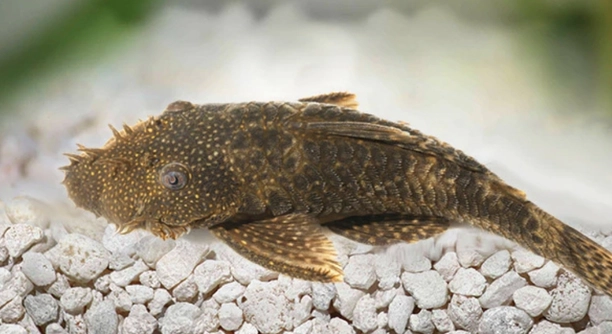
Are your plecos struggling to find enough natural food in their aquarium? Many aquarists look for ways to encourage algae growth to provide a healthier, more natural diet for these bottom-dwelling fish. A balanced approach can improve their overall wellbeing.
Encouraging algae growth for plecos involves controlling light, nutrients, and water conditions. Providing moderate light, introducing algae-friendly plants, and avoiding over-cleaning surfaces create a stable environment. Maintaining proper water parameters and supplementing with trace elements supports consistent, safe algae development.
Understanding the right balance of care and environment can help your plecos thrive naturally. Implementing these techniques ensures a healthier, more active aquatic habitat for your fish.
Control the Light Exposure
Algae growth is strongly influenced by the amount and type of light in your tank. Providing moderate, consistent light encourages healthy algae without causing harmful overgrowth. Using a timer ensures your aquarium receives the right duration each day, typically eight to ten hours. Natural sunlight can contribute, but direct sunlight may overheat the water and promote unwanted algae types. Adjusting artificial lighting is often safer and more predictable. Light spectrum matters too, as certain wavelengths support photosynthesis in algae. Avoid leaving lights on overnight, which can stress your plecos and disturb their natural behaviors. Observing how algae responds over a few weeks allows small adjustments without sudden changes. Rotating light intensity gradually can help maintain a stable balance. Too little light slows algae growth, depriving plecos of a natural food source. Monitoring both plant and algae health together ensures the tank stays balanced and visually appealing.
Moderate, controlled light encourages steady algae growth while maintaining pleco health. Avoid sudden changes that can stress the aquarium ecosystem.
Consistent lighting supports algae productivity by allowing photosynthesis to occur efficiently. Gradual adjustments prevent excessive growth and maintain the aquarium’s overall balance. Combining light control with nutrient management ensures plecos always have access to algae while avoiding tank imbalance or water quality issues. Observing the tank daily helps track progress, and small tweaks can make a significant difference in long-term stability.
Provide Nutrient-Rich Conditions
Algae require nutrients like nitrates and phosphates to grow properly. Adding trace elements or minimal fertilizer can encourage steady growth without harming fish. Maintaining water quality while supplementing nutrients is essential.
Balancing nutrients ensures algae growth without overfeeding, keeping plecos healthy.
Introducing nutrients gradually supports natural algae development while avoiding sudden water chemistry shifts. Monitoring levels of nitrates and phosphates prevents spikes that could stress plecos or promote unwanted algae blooms. Using natural sources such as fish waste or leftover food contributes slowly over time, creating a more sustainable environment. Adjusting feeding habits and ensuring uneaten food is removed prevents water from becoming overly rich in nutrients. Observation is key: healthy algae should spread evenly across surfaces, offering a consistent grazing area for plecos. Combining nutrient management with proper lighting and tank maintenance forms a reliable approach for supporting both algae and fish health. Over time, plecos will have a more natural feeding experience, and the tank will appear balanced without excessive growth.
Introduce Algae-Friendly Surfaces
Providing surfaces for algae to grow gives plecos easy access to food. Driftwood, rocks, and ceramic decorations are ideal. Smooth surfaces slow algae growth, while rough textures allow it to spread naturally.
Plecos graze best on surfaces with consistent algae coverage. Adding driftwood or rocks creates multiple areas for algae to attach and grow. Ceramic decorations can also be strategically placed to maximize grazing space. Avoid cleaning these surfaces too frequently, as removing all algae disrupts the natural food supply. Observing which areas plecos prefer helps in arranging the tank effectively. Balancing rough and smooth surfaces ensures algae grows steadily without overwhelming the tank, supporting plecos’ health and natural feeding behaviors over time.
Over time, algae-friendly surfaces become the main food source for plecos. Rotating or slightly repositioning decorations helps maintain even growth across the tank, keeping your fish active and engaged.
Maintain Proper Water Parameters
Stable water conditions are essential for consistent algae growth. Temperature, pH, and hardness directly affect algae productivity.
Keeping the aquarium temperature within a moderate range ensures algae thrives without stressing plecos. A slightly acidic to neutral pH supports healthy algae growth. Hardness levels influence nutrient availability, impacting algae density. Frequent monitoring and small adjustments prevent sudden changes that could hinder algae development or harm fish.
Regular testing of water parameters allows early detection of imbalances. Adjusting temperature slowly, using buffers for pH, and managing hardness through mineral supplements maintains ideal conditions. Proper water flow ensures nutrients circulate evenly, supporting consistent algae growth. Combining these measures with nutrient management and light control creates a stable, self-sustaining environment. Plecos benefit from reliable food sources, and the aquarium maintains a clean, healthy appearance. Observing algae response over time allows fine-tuning to keep the habitat optimal for both plants and fish.
Avoid Over-Cleaning
Frequent scrubbing removes too much algae and disrupts the natural balance. Limit cleaning to prevent depriving plecos of their primary food source.
Spot-clean only areas with excess debris or waste. Allow natural algae to remain on surfaces, supporting plecos’ grazing habits and overall health.
Adjust Feeding Habits
Overfeeding can reduce algae growth by leaving uneaten food to decay. Feed plecos moderately to encourage natural grazing on algae.
Providing smaller, controlled portions ensures plecos consume food gradually, leaving room for algae to flourish. Removing excess prevents water quality issues, balancing nutrition and algae availability.
Monitor Algae Types
Different algae types vary in nutritional value for plecos. Focus on varieties they prefer and can digest efficiently.
Observing which algae plecos consume most helps in adjusting tank conditions to favor these types. Encouraging preferred algae supports their diet while maintaining a healthy, manageable tank environment.
FAQ
How long does it take for algae to grow in a pleco tank?
Algae growth depends on light, nutrients, and water conditions. Under ideal conditions, you may see noticeable growth in one to three weeks. Consistent lighting and moderate nutrient levels encourage steady development. Temperature stability and minimal over-cleaning also help algae establish quickly. Observing progress over time allows you to adjust conditions if growth is slower than expected. Patience is key, as sudden changes in the environment can either stunt algae growth or lead to overgrowth.
Can plecos survive without algae in the tank?
Plecos can survive on prepared foods, algae wafers, and vegetables, but natural algae provides essential nutrients and fiber. Algae supports their digestive system and encourages natural grazing behavior. Relying solely on artificial food may lead to less active, less healthy fish. Providing natural algae complements supplemental feeding and promotes overall well-being. Observing plecos as they graze helps you understand their preferences and dietary needs, ensuring they remain active and healthy.
Is it safe to encourage algae growth in all aquariums?
Encouraging algae growth is generally safe if controlled carefully. Too much algae can reduce water quality and oxygen levels, affecting fish health. Balancing light, nutrients, and cleaning schedules ensures algae remains a healthy food source. Avoid over-fertilization or excessive feeding, which can trigger unwanted blooms. Monitoring water parameters regularly is important to prevent issues. Algae management is about maintaining a stable ecosystem where plecos benefit without compromising the tank environment.
What types of algae are best for plecos?
Plecos prefer green algae, soft brown algae, and biofilm found on rocks and driftwood. These varieties are easy to graze and digest. Hard, filamentous algae is less suitable as it can grow too densely and become difficult to manage. Encouraging preferred algae types ensures plecos get the nutrients they need while keeping the tank balanced. Observing which algae your fish favor helps guide adjustments in light, nutrient levels, and decorations to support continued growth.
How do I prevent algae overgrowth while still feeding plecos naturally?
Control light duration and intensity, maintain proper water parameters, and monitor nutrient levels. Avoid excess food, as uneaten portions contribute to algae blooms. Spot-clean areas with excessive algae without removing all growth. Rotating decorations can distribute algae evenly. Combining these strategies helps maintain a balanced tank with enough algae for plecos without overwhelming the aquarium environment.
Can I use fertilizers to promote algae growth?
Yes, but only in small, controlled amounts. Trace elements and minimal fertilizers can encourage algae without harming plecos. Overuse may lead to rapid, unmanageable blooms and water quality issues. Monitor water parameters and algae response closely to adjust dosing safely. Using natural nutrient sources, such as fish waste, can also support gradual algae growth. Balancing fertilizer use with lighting and feeding practices ensures plecos receive a natural, healthy food source consistently.
Will adding more plants affect algae growth?
Adding plants can compete with algae for nutrients, sometimes slowing its growth. However, plants also create a more stable ecosystem, absorbing excess nutrients that could trigger unwanted algae blooms. Balancing plant density with algae-friendly surfaces allows plecos access to algae while maintaining overall tank health. Observing both plant and algae growth helps determine optimal arrangements for a productive, healthy aquarium environment.
How often should I check algae growth?
Daily observation is helpful, but detailed checks every few days are sufficient. Look for even coverage, signs of overgrowth, or areas being neglected by plecos. Adjust light, nutrients, or cleaning habits based on these observations. Regular monitoring ensures algae remains a steady food source without causing water quality problems. Noting patterns over time helps anticipate changes and maintain balance in the tank.
Can plecos overgraze algae?
Plecos usually graze in moderation, but excessive feeding may reduce algae in specific areas. Providing multiple surfaces and encouraging steady growth ensures enough food is available. Avoid over-cleaning or removing all algae, as this can limit grazing opportunities. Observing pleco behavior helps you maintain proper algae coverage while supporting their natural habits.
Are there risks of encouraging algae growth in a small tank?
Small tanks can be more sensitive to nutrient spikes, light fluctuations, and overgrowth. Controlled lighting, careful feeding, and gradual nutrient supplementation are essential. Frequent observation and water testing help prevent rapid algae blooms that could reduce oxygen levels or create unhealthy conditions. Maintaining balance is easier in larger tanks, but small tanks can support natural algae growth with careful management.
Final Thoughts
Encouraging algae growth for plecos can make a noticeable difference in their health and behavior. Algae serves as a natural food source, providing essential nutrients and fiber that support digestion and overall well-being. By focusing on light, nutrient balance, and water conditions, it is possible to maintain a steady supply of algae without overwhelming the tank. Plecos benefit from the opportunity to graze naturally, which keeps them more active and engaged. Over time, a tank with healthy algae growth can become a more balanced and visually appealing environment, where fish thrive and algae remains manageable. Observing how plecos interact with the algae also provides insight into which areas or surfaces are most effective, allowing you to make small adjustments that support long-term stability.
Maintaining algae growth requires patience and consistent care. Sudden changes in lighting, overfeeding, or excessive cleaning can disrupt the balance and slow algae development. It is important to monitor water parameters regularly, including temperature, pH, and nutrient levels, to ensure conditions remain suitable. Providing algae-friendly surfaces like driftwood, rocks, and ceramic decorations allows algae to spread evenly while giving plecos multiple grazing spots. Managing algae also involves controlling nutrient levels carefully to prevent unwanted blooms while supporting the types of algae that plecos prefer. Observing the tank regularly helps identify any issues early and allows for adjustments without compromising water quality or fish health. Over time, following these practices creates a more sustainable environment where plecos have a steady food source, and the tank ecosystem stays healthy.
Encouraging algae growth is a manageable and rewarding part of keeping plecos. By combining moderate lighting, proper nutrients, algae-friendly surfaces, and stable water conditions, it is possible to create an environment where plecos can thrive naturally. Balancing algae growth without letting it take over the tank ensures that the fish remain healthy and active while maintaining clean and safe water conditions. Paying attention to the specific algae types plecos prefer and monitoring their grazing habits further improves the tank’s balance. With consistent care, observation, and small adjustments, a pleco tank can support natural algae growth that benefits both the fish and the aquarium’s overall ecosystem. This approach not only provides a reliable food source for plecos but also encourages natural behaviors and a more harmonious tank environment. Over time, maintaining this balance becomes easier, resulting in a well-maintained aquarium where algae growth supports both the fish and the aquatic habitat.

Hello,
If you enjoy the content that we create, please consider saying a "Thank You!" by leaving a tip.
Every little bit helps us continue crafting quality advice that supports the health, happiness, and well-being of pets around the world, for pets of all shapes, sizes, and species.
We really appreciate the kindness and support that you show us!