
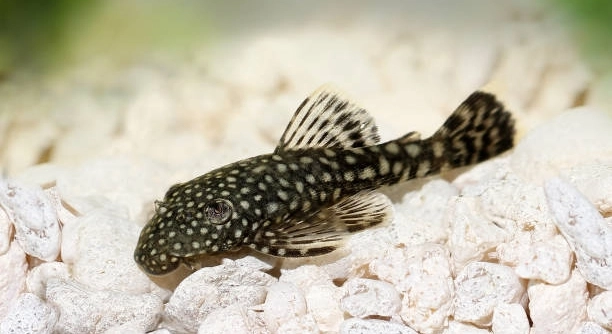
Choosing the right pleco for your tank can feel overwhelming with so many species and sizes available. Each fish has unique needs for space, water conditions, and diet, making careful consideration essential before bringing one home.
Selecting an appropriate pleco involves evaluating the tank size, water parameters, and dietary requirements. Species differ in adult size, behavior, and compatibility with other fish. Matching these factors ensures a healthy environment, reduces stress, and promotes longevity for your aquatic pet.
Learning about the differences between pleco species will help you make informed choices for a thriving tank environment.
Understanding Pleco Species
Plecos come in many shapes and sizes, and knowing the differences can make all the difference in your tank. Common types include the common pleco, bristlenose, zebra, and leopard. Each has unique adult sizes, behaviors, and dietary needs. Common plecos can grow over a foot long, requiring very large tanks. Bristlenose plecos stay smaller, around six inches, and are easier to manage in medium tanks. Zebra and leopard plecos are more delicate, preferring stable water conditions and hiding spots. Tank size, filtration, and water temperature must match the species’ needs to avoid stress and disease. Feeding habits also vary; some prefer algae, others need vegetables or sinking pellets. Observing behavior can help determine compatibility with other fish. Proper research ensures your pleco thrives and reduces the chance of introducing problems. Choosing a species based on your tank’s setup, rather than impulse, guarantees a healthier and more balanced aquatic environment for everyone.
Understanding species differences helps prevent mistakes and creates a better experience for your pleco and other tank inhabitants.
Different species may require adjustments in diet, water flow, and tank layout. Observing these preferences keeps your fish healthy and active.
Tank Setup Essentials
A proper tank setup is vital for pleco health and comfort.
Plecos need hiding spots, smooth surfaces, and stable water conditions. Decorations like driftwood and rocks provide shelter and grazing areas. The substrate should be gentle, avoiding sharp gravel that can damage their fins. Temperature and pH levels should match the species’ requirements, usually between 72–82°F with a slightly acidic to neutral pH. Filtration must handle the bioload because plecos produce significant waste. Regular water changes maintain cleanliness and reduce stress. Proper lighting is also helpful, simulating day and night cycles. Monitoring water parameters with test kits ensures a safe environment. Adding plants can benefit smaller species, providing extra cover and contributing to water quality. Choosing compatible tankmates avoids aggression and competition for food. Planning tank layout around these factors makes it easier to keep plecos healthy and active, reducing common health issues. Attention to detail in setup provides a stable, stress-free home for your fish.
Feeding Your Pleco
Plecos eat a mix of algae, vegetables, and specialized sinking pellets. Providing variety keeps them healthy and prevents nutritional deficiencies.
Vegetables like zucchini, cucumber, and spinach are excellent additions. Algae wafers supplement natural grazing and ensure essential nutrients. Feeding should occur once or twice daily, removing uneaten food to prevent water quality issues. Different species have varying appetites, so monitoring their intake helps avoid overfeeding or underfeeding. Some plecos enjoy occasional protein sources, like shrimp pellets, but a primarily plant-based diet is ideal. Maintaining consistent feeding routines reduces stress and supports natural behaviors. Observing your pleco while eating helps gauge health and satisfaction.
Avoid overfeeding, as excess food can quickly foul the tank and harm water conditions. Feeding in moderation ensures a balanced, clean environment.
Monitoring your pleco’s eating habits allows early detection of illness. Adjusting portion sizes and food types based on behavior ensures long-term health and prevents common digestive or nutritional problems.
Pleco Behavior and Compatibility
Plecos are generally peaceful but may defend territory, especially as they mature. Hiding spaces reduce conflicts and stress.
Some plecos prefer solitary living, while others tolerate tankmates like tetras or corydoras. Aggression usually occurs over food or space, so observing interactions is important. Different species have unique activity patterns—nocturnal behavior is common, meaning most activity happens at night. Proper tank layout with driftwood, caves, and plants supports natural behavior and prevents boredom. Compatibility also depends on water parameters; matching species with similar temperature and pH requirements reduces stress. Introducing plecos gradually and monitoring responses ensures a balanced and harmonious aquarium environment. Understanding these patterns allows adjustments to minimize conflict and maintain overall tank stability.
Water Quality and Maintenance
Regular water changes are essential for pleco health. Removing 20–30% weekly helps control waste and maintain stable parameters.
Monitoring ammonia, nitrite, and nitrate levels prevents stress and disease. Using test kits ensures water remains safe and balanced for all tank inhabitants.
Breeding Plecos
Breeding plecos requires attention to species-specific conditions. Providing caves or tubes encourages spawning, and maintaining optimal temperature and water parameters is crucial. Males often guard eggs while females retreat. Regular feeding with nutrient-rich foods supports reproductive health. Patience is necessary, as some species breed slowly. Separating fry into a smaller tank with gentle filtration prevents predation. Gradual acclimation to larger tanks ensures growth and survival. Observing parental behavior helps identify successful breeding pairs and reduces stress for both adults and offspring. Careful management of breeding conditions improves fry survival rates and promotes a healthy population.
Common Health Issues
Fin rot and parasitic infections are frequent concerns. Early detection prevents serious complications.
Regular observation, clean water, and a balanced diet are key to preventing most health problems.
FAQ
What size tank does a pleco need?
The size of the tank depends on the species. Common plecos can grow over 12 inches, needing at least a 75-gallon tank. Bristlenose plecos stay smaller, around six inches, and do well in tanks of 30–40 gallons. Always consider adult size rather than juvenile measurements when planning your tank. Providing extra space reduces stress and supports natural swimming behaviors.
What should I feed my pleco?
Plecos eat algae, vegetables, and sinking pellets. Zucchini, cucumber, and spinach are excellent vegetable options. Algae wafers provide essential nutrients and help supplement natural grazing. Some species may occasionally benefit from protein-rich foods like shrimp pellets, but a primarily plant-based diet is ideal. Feeding once or twice daily in moderation prevents water quality problems.
How often should I clean the tank?
Regular maintenance is key. Weekly water changes of 20–30% help manage waste and keep water parameters stable. Removing uneaten food and debris prevents ammonia spikes. Cleaning filters as recommended by the manufacturer ensures consistent filtration. Observing water clarity and fish behavior provides clues about when extra maintenance might be needed.
Can plecos live with other fish?
Yes, most plecos coexist well with peaceful tankmates. Tetras, corydoras, and small community fish are often compatible. Aggression can occur if there is limited hiding space or competition for food. Providing caves, driftwood, and plants reduces territorial disputes. Always research species-specific compatibility and water parameter requirements before combining fish.
Why is my pleco hiding all the time?
Hiding is normal, especially for nocturnal species. Plecos are naturally shy and often retreat during daylight. Insufficient hiding spots or stress from aggressive tankmates can increase hiding. Adding caves or decorations encourages natural behavior. Observing activity during evening hours can confirm normal patterns.
How do I tell if my pleco is healthy?
Healthy plecos are active, eat regularly, and display vibrant coloration. Fins should be intact, and eyes clear. Sudden changes in behavior, appetite, or appearance can indicate illness. Regular observation and monitoring water quality are essential for early detection of health issues.
Can plecos damage aquarium plants?
Most plecos are safe with plants, but some species may nibble on soft leaves. Bristlenose plecos generally avoid damaging plants, while larger species may uproot or graze. Using hardy plants like Java fern or Anubias, attached to driftwood or rocks, protects them from grazing.
How long do plecos live?
With proper care, plecos can live 10–15 years or more. Factors affecting lifespan include tank size, water quality, diet, and stress levels. Maintaining a consistent environment and avoiding sudden changes helps ensure a long, healthy life.
Do plecos need special lighting?
Plecos do not require intense lighting and prefer dim conditions, reflecting their nocturnal habits. Soft, subdued lighting reduces stress and encourages natural activity patterns. Live plants can tolerate low to moderate lighting, creating a balanced environment.
Is driftwood necessary for plecos?
Driftwood is highly beneficial, especially for species like bristlenose and common plecos. It provides hiding spots, grazing surfaces, and may aid digestion for some species. Choosing smooth driftwood and properly preparing it by soaking reduces tannins and prevents water discoloration.
How can I prevent pleco stress?
Stable water conditions, appropriate tank size, hiding spots, and compatible tankmates all reduce stress. Sudden changes in temperature, water chemistry, or overcrowding can negatively affect behavior and health. Consistent feeding and regular observation also support a low-stress environment.
Can plecos reproduce in a community tank?
Some species can, but success is limited in community tanks. Providing caves or tubes and maintaining stable water parameters encourages spawning. Males usually guard eggs, and separating fry into a smaller tank increases survival. Patience is key, as some species breed slowly and unpredictably.
What are signs of overfeeding?
Excess food in the tank can lead to cloudy water, algae overgrowth, and obesity in plecos. Uneaten food decomposes, raising ammonia and nitrate levels. Observing feeding behavior and adjusting portions ensures a balanced diet while maintaining water quality.
How do I acclimate a new pleco?
Float the bag in the tank for 15–20 minutes to equalize temperature. Gradually mix tank water into the bag over 30–60 minutes. This reduces shock from differences in temperature, pH, and hardness. Slowly releasing the fish into the tank minimizes stress and supports long-term health.
Can plecos survive in cold water?
Most plecos are tropical and need water temperatures between 72–82°F. Cold water slows metabolism, reduces immunity, and can be fatal. Using a reliable heater ensures stable temperature. Avoid placing tanks near drafts or air conditioning vents.
How do I tell if my pleco is nocturnal?
Nocturnal plecos are more active at night, often hiding during the day. Observing the tank after lights are off reveals grazing and swimming activity. Adjusting feeding times to evening hours accommodates their natural behavior without disturbing other fish.
Is it okay to keep multiple plecos together?
Multiple plecos can coexist if the tank is large enough and there are sufficient hiding spaces. Overcrowding or insufficient territory can lead to aggression, particularly among males. Careful planning of tank layout and compatible species reduces conflicts and ensures a harmonious environment.
Do plecos need water flow?
Moderate water flow is preferred by many species, simulating natural river habitats. Strong currents may stress smaller plecos, while stagnant water can reduce oxygen levels. Observing fish behavior helps determine if adjustments to filtration or flow are needed.
What should I do if my pleco stops eating?
Loss of appetite can indicate stress, illness, or poor water quality. Check water parameters, inspect for visible signs of disease, and ensure proper diet. Isolate if necessary and consult care guides or a vet specializing in fish for treatment. Early action improves recovery chances.
Can plecos live alone?
Yes, most plecos can thrive alone, as they are generally solitary and territorial. A single pleco in a properly sized tank with hiding spots can live a healthy, stress-free life without companions.
How do I maintain stable pH levels?
Use a combination of regular water changes, buffering agents if needed, and testing kits to monitor pH. Driftwood may lower pH slightly. Maintaining consistent levels suited to your pleco species prevents stress and supports overall health.
Are plecos suitable for beginners?
Smaller species like bristlenose plecos are beginner-friendly due to their manageable size, hardy nature, and tolerance of common tank conditions. Researching species-specific needs and providing proper tank setup ensures success, even for first-time fish keepers.
How can I tell the sex of my pleco?
Sexing plecos depends on species. Bristlenose males develop bristles on the snout, while females have fewer or smaller bristles. Observing body shape, fin size, and behavior also helps identify males and females, particularly during breeding periods.
What is the best substrate for plecos?
Soft sand or smooth gravel is ideal. Sharp substrates can damage fins and barbels. Some species like to dig, so providing a safe substrate reduces injury risk. Attaching plants to rocks or driftwood protects them from uprooting while maintaining tank aesthetics.
How often should I test water parameters?
Testing weekly is recommended, with more frequent checks after changes in tank size, fish addition, or feeding routines. Parameters like ammonia, nitrite, nitrate, pH, and hardness directly impact pleco health. Prompt correction prevents stress and disease.
Do plecos eat live plants?
Most plecos focus on algae and detritus, but some species may nibble on soft leaves. Using hardy plants and securing them reduces damage. Offering vegetables like zucchini or cucumber satisfies grazing instincts and protects delicate plants.
Can plecos jump out of the tank?
Yes, plecos can jump, especially when stressed or during strong water flow. Keeping a tight-fitting lid prevents accidents. Hiding spots reduce stress and discourage attempts to escape the tank.
How do I introduce a new pleco to my tank?
Float the fish in the bag to match temperature, gradually mix tank water, and release slowly. Providing hiding spots and observing interactions reduces stress and prevents aggression from existing tankmates.
What signs indicate territorial aggression?
Chasing, fin nipping, or frequent displays toward other fish indicate territory disputes. Adding more hiding spaces, enlarging the tank, or separating aggressive individuals reduces stress and protects all inhabitants.
Is it normal for plecos to scrape surfaces?
Yes, scraping surfaces is natural grazing behavior. Plecos feed on algae and biofilm on glass, rocks, and decorations. Occasional scraping indicates healthy activity. Excessive scraping may signal hunger or stress.
Can plecos survive without algae in the tank?
Yes, as long as they receive a balanced diet with vegetables and algae wafers. Natural algae is beneficial but not strictly necessary. Providing proper substitutes ensures nutritional needs are met consistently.
How long should plecos be fed each day?
Feeding once or twice daily is sufficient. Remove uneaten food within a few hours to prevent water contamination. Adjust portions based on species and tank size to maintain health and water quality.
Do plecos need companions for social interaction?
Most plecos are solitary and do not require companions. Providing proper hiding spots and territory allows them to thrive alone. Overcrowding can increase stress and aggression.
How can I reduce stress during water changes?
Perform changes slowly, maintain stable temperature, and avoid sudden chemical shifts. Using gentle water flow and providing hiding spots minimizes disruption. Consistency and observation make water changes less stressful for plecos.
What are the most common pleco diseases?
Fin rot, ich, and parasitic infections are frequent. Early detection, clean water, and proper diet help prevent these issues. Quarantining new fish reduces disease introduction. Prompt treatment improves survival and overall health.
How can I make my pleco more active?
Providing caves, driftwood, plants, and moderate water flow encourages natural activity. Adjust feeding times to evening hours to match nocturnal behavior. Observing their habits helps optimize tank layout for stimulation.
Are plecos sensitive to water changes?
Yes, sudden shifts in pH, temperature, or hardness can stress plecos. Gradual, consistent water changes maintain stable conditions and prevent health problems. Monitoring parameters ensures a smooth process.
Can plecos survive in brackish water?
Most plecos are freshwater species and cannot tolerate brackish conditions. Saltwater or brackish tanks may cause stress, disease, or death. Always maintain freshwater conditions suitable for the specific species.
What is the ideal water temperature for plecos?
Temperatures between 72–82°F suit most plecos. Maintaining stability prevents stress and supports metabolism. Sudden drops or spikes can weaken the immune system and increase susceptibility to disease.
How do I encourage algae growth for my pleco?
Providing moderate lighting, avoiding overcleaning, and introducing natural decorations like driftwood and rocks helps algae develop. A balanced ecosystem ensures plecos have grazing options without compromising water quality.
Can plecos survive with goldfish?
Goldfish produce heavy waste and prefer cooler water, while plecos need warmer, stable conditions. Mixing these species often leads to health issues. Choosing compatible fish with similar temperature and water requirements ensures survival.
Is it normal for plecos to hide for days?
Yes, hiding is typical, especially during daytime. Ensuring sufficient hiding spots and monitoring for other stress signs helps distinguish normal behavior from illness. Observing nighttime activity confirms they are healthy and active.
Do plecos need supplemental vitamins?
If the diet is balanced with vegetables and algae wafers, additional supplements are usually unnecessary. In some cases, high-quality pellets enriched with vitamins support growth and coloration, particularly during breeding or recovery from illness.
How long does it take for a new pleco to adjust?
Adjustment depends on species and tank conditions, usually a few days to a week. Providing stable water parameters, hiding spots, and a calm environment accelerates acclimation and reduces stress.
Can plecos coexist with shrimp?
Small shrimp species may coexist, but some plecos may eat tiny shrimp. Providing ample hiding spaces for shrimp and monitoring interactions ensures minimal risk and a balanced tank environment.
How do I prevent algae overgrowth?
Balancing light, feeding, and nutrient levels controls algae. Overfeeding and excessive lighting encourage growth. Introducing live plants and regular water changes reduces excess nutrients and maintains a healthy tank ecosystem.
What type of filtration is best for plecos?
Powerful, efficient filters are needed due to high waste production. Canister filters or hang-on-back filters with biological and mechanical media maintain water clarity. Proper maintenance ensures consistent filtration and reduces stress.
Do plecos need a quarantine tank?
Yes, quarantining new fish prevents disease introduction. Observing for illness, parasites, or unusual behavior before adding to the main tank protects existing inhabitants and maintains overall health.
Can plecos live with bettas?
Some species can coexist if the pleco is large enough and the tank provides hiding spaces. Bettas may show aggression if space is limited. Observation and careful placement reduce conflict risks.
How do I prevent plecos from uprooting plants?
Use anchored plants or attach them to rocks and driftwood. Soft substrates may encourage digging, so selecting hardy plants and stable décor prevents damage. Providing vegetables satisfies grazing instincts.
Do plecos need special water hardness?
Most species prefer slightly soft to moderately hard water. Testing and adjusting hardness ensures optimal health. Sudden changes in hardness can stress fish and affect digestion and growth.
How can I tell if my pleco is stressed?
Signs include hiding excessively, loss of appetite, faded coloration, or erratic swimming. Checking water quality, tankmates, and diet helps identify the cause and address stress promptly.
Is it normal for plecos to graze constantly?
Yes, grazing is natural behavior. Plecos feed on algae and biofilm throughout the day. Providing adequate food sources and surfaces for grazing prevents nutritional deficiencies and boredom.
How do I know if my pleco is a bristlenose or common pleco?
Bristlenose plecos are smaller, have bristles on their snouts, and stay under six inches. Common plecos grow larger, have smooth heads, and require more space. Observing adult size and physical features helps differentiate species.
Can plecos live without caves?
They can survive, but caves and hiding spots reduce stress and encourage natural behavior. Providing shelters mimics their natural environment and improves overall well-being.
What is the best way to introduce a pleco to a planted tank?
Gradually acclimate the fish, ensure stable water conditions, and provide hiding spots. Monitor interactions with plants and tankmates to prevent damage or stress.
How do I know if my pleco is nocturnal or diurnal?
Observe activity patterns. Most plecos are nocturnal, feeding and exploring mainly at night. Adjust feeding and monitoring schedules to align with their natural behavior.
Do plecos need extra calcium?
Supplemental calcium is rarely required if diet and water are balanced. Some species benefit during breeding or shell formation, but regular vegetables and pellets usually provide sufficient nutrients.
How long can plecos go without food?
They can survive a few days without food, but prolonged fasting causes stress and weakens immunity. Regular feeding ensures health and activity, especially in growing or breeding individuals.
What should I do if my pleco develops fin rot?
Improve water quality, remove affected areas if necessary, and use appropriate medication. Isolation may prevent spread, and consistent observation ensures recovery. Early treatment improves success rates and prevents long-term damage.
How can I tell if a pleco is compatible with my tankmates?
Observe behavior during introduction. Minimal chasing, aggression, and peaceful cohabitation indicate compatibility. Providing hiding spaces and monitoring food access reduces conflicts and promotes harmony.
Is it normal for plecos to be inactive during the day?
Yes, most plecos are nocturnal. Daytime inactivity is typical and not a cause for concern if the fish is active at night. Providing hiding spots ensures comfort and reduces stress.
Do plecos need soft or hard water?
Slightly soft to moderately hard water suits most species. Testing and maintaining consistent hardness prevents stress, supports digestion, and ensures optimal health. Sudden changes can negatively affect behavior and immunity.
Can plecos eat frozen foods?
Yes, frozen foods like shrimp or bloodworms can supplement the diet occasionally. They provide protein but should not replace regular vegetables and algae wafers. Thaw and rinse before feeding to prevent water contamination.
How do I keep a pleco’s tank clean?
Regular water changes, removing uneaten food, and maintaining filtration are key. Monitoring waste levels and algae growth ensures a stable, healthy environment. Cleaning décor and substrate periodically prevents buildup and supports fish health.
Are plecos sensitive to light changes?
Yes, sudden bright light can stress them. Gradual lighting adjustments and providing shaded areas help maintain natural behavior and reduce stress. Low to moderate lighting supports nocturnal habits.
Can plecos tolerate other bottom dwellers?
Yes, peaceful bottom dwellers like corydoras or loaches can coexist if there is enough space and hiding spots. Monitor interactions to prevent competition or aggression.
Do plecos require high-protein diets?
No, most plecos thrive on algae, vegetables, and sinking pellets. Occasional protein supplements are optional. Overfeeding protein can lead to digestive issues or water quality problems.
How often should plecos be fed vegetables?
Daily or every other day is recommended. Providing a variety of vegetables ensures balanced nutrition, supports growth, and satisfies grazing behavior. Monitor consumption to prevent leftovers from fouling water.
Can plecos live in a small tank?
Smaller species like bristlenose can, but larger plecos need more space. Overcrowding causes stress, aggression, and stunted growth. Always match tank size to adult fish requirements.
How do I prevent plecos from scraping glass excessively?
Excessive scraping may indicate hunger or algae deficiency. Provide algae wafers, vegetables, and proper grazing surfaces. Adjust lighting and feeding routines to reduce unwanted behavior.
What is the ideal pH for plecos?
Slightly acidic to neutral (6.5–7.5) suits most species. Maintaining consistent pH prevents stress, supports digestion, and encourages healthy activity. Sudden changes can negatively impact behavior and immunity.
Do plecos need water heaters?
Yes, tropical plecos require stable temperatures. Heaters maintain 72–82°F and prevent stress from cold water. Monitor temperature regularly to ensure a consistent environment.
Can plecos live with aggressive fish?
Aggressive fish can stress ple
Final Thoughts
Choosing the right pleco for your tank is more than picking a fish you like. Each species has its own requirements for size, water conditions, diet, and tank mates. Considering these factors carefully ensures the pleco will thrive and live a long, healthy life. Larger species need more space, strong filtration, and specific water parameters, while smaller species are easier to manage in standard tanks. Observing your tank setup and matching it to a species’ needs reduces stress for the fish and prevents common problems that arise from overcrowding or poor water quality. Preparing in advance and researching the particular type of pleco you want helps avoid surprises and ensures a smoother experience. Attention to detail in tank setup, water maintenance, and feeding routines is essential, as plecos are sensitive to sudden changes in their environment. When each aspect of care is addressed, your tank becomes a stable and balanced habitat, allowing your pleco to display natural behaviors and maintain overall health.
Diet is another critical part of keeping plecos healthy. They are primarily algae eaters, but their nutritional needs vary depending on the species. Providing a mix of vegetables and sinking pellets supports proper growth, digestion, and coloration. Occasional protein supplements may benefit certain species, but overfeeding can lead to water quality issues. Observing how your pleco eats and adjusting portions accordingly helps maintain a healthy tank environment. Feeding at consistent times supports natural behaviors, and ensuring the food reaches the bottom of the tank allows the pleco to access it easily. Clean, balanced diets combined with regular water maintenance promote overall health, reduce disease risks, and enhance the lifespan of the fish. Monitoring feeding habits also helps detect early signs of stress or illness, making it easier to address problems before they become serious. Proper diet, along with a well-maintained tank, ensures your pleco stays active and comfortable in its habitat.
Behavior and compatibility with tank mates are equally important to consider. Most plecos are peaceful, but they can become territorial, especially as they grow. Providing sufficient hiding spaces, caves, and plants helps minimize conflicts and supports natural behaviors. Understanding their nocturnal habits allows you to adjust feeding times and observe activity without causing stress. Compatibility with other fish depends on species and tank setup, and careful monitoring during introductions prevents aggression. Regular observation helps detect changes in behavior or signs of illness early. Ensuring a proper environment, balanced diet, and compatible tankmates creates a healthy, low-stress habitat. Taking the time to meet these needs allows plecos to flourish and adds a dynamic, interesting presence to your aquarium, making the effort of proper care rewarding for both you and the fish.

Hello,
If you enjoy the content that we create, please consider saying a "Thank You!" by leaving a tip.
Every little bit helps us continue crafting quality advice that supports the health, happiness, and well-being of pets around the world, for pets of all shapes, sizes, and species.
We really appreciate the kindness and support that you show us!