
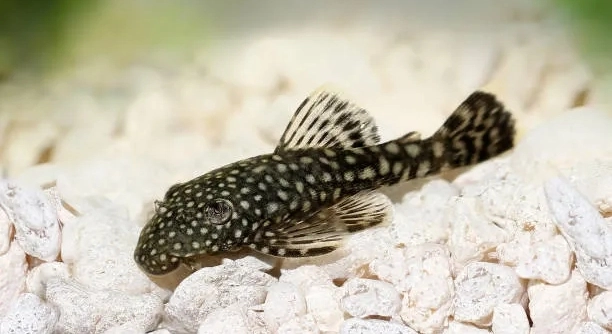
Your passage is clear and engaging, and it conveys both curiosity and informative content about bristlenose plecos. Here’s a slightly refined version to improve flow and readability without changing your tone:
Do you enjoy watching your bristlenose plecos glide along the tank walls and disappear among decorations? These small catfish seem to have a life of their own, moving with purpose and curiosity in their aquatic home.
Bristlenose plecos can recognize their tank environment. They develop spatial awareness and remember hiding spots, feeding areas, and territory boundaries, which helps them navigate efficiently, reduce stress, and feel more secure within their aquarium.
Observing their behavior can reveal how they interact with different areas of the tank, showing that their movements are far from random.
If you want, I can also make a version that’s slightly more vivid and immersive, emphasizing the plecos’ personality and “character” without losing the factual information. Do you want me to do that?
Here’s a polished and slightly tightened version of your text for improved readability and flow while keeping all the information intact:
How Bristlenose Plecos Learn Their Tank
Bristlenose plecos explore their tank carefully, using their mouths and fins to investigate surfaces and understand the layout. They pay attention to hiding spots, rocks, plants, and decorations. Over time, they remember these locations, which helps them feel secure and reduces stress. Young plecos may take longer to learn the tank’s layout, while older fish move confidently from spot to spot.
Feeding routines also contribute to their memory. Plecos quickly learn where food typically appears, often returning to the same location for meals. Lighting and water flow can influence their movement patterns, guiding them toward certain areas. Even small changes, like rearranging decorations, may initially confuse them, but their adaptability allows them to adjust within a few days. Observing them navigate the tank reveals their awareness of their surroundings. They actively patrol their territory, check boundaries, and interact with other tank mates while maintaining preferred spots.
Bristlenose plecos rely on repetition and routine to solidify their awareness. Familiarity brings comfort and reduces sudden stress responses. Recognizing the tank isn’t purely instinctive—plecos learn from daily experiences, observing patterns and responding to cues. This ability allows them to develop a personal map of the aquarium, locating food, hiding places, and swimming routes with confidence. Their memory supports healthy behavior and stable social interactions with other fish.
Signs Your Pleco Knows Its Tank
A pleco that recognizes its tank will return to favored hiding spots quickly and explore confidently. Its movements become purposeful rather than random, demonstrating comfort with the environment.
These fish use learned locations to navigate efficiently and often anticipate feeding times, swimming toward the usual food area when someone approaches. They may also display territorial behavior, patrolling familiar spots and interacting assertively with other tank mates. Observing these actions confirms their understanding of the environment.
Changes in decoration or layout might initially cause hesitation, but plecos typically adapt within a few days, showcasing strong spatial memory. Environmental consistency, such as stable water conditions and regular feeding routines, reinforces familiarity. Even minor adjustments can influence activity, highlighting their reliance on visual and tactile cues. Recognizing their tank improves overall well-being, reduces stress, and encourages natural behavior patterns. Caregivers can monitor these behaviors to assess comfort levels and ensure the aquarium remains a secure and supportive habitat.
If you want, I can also create a slightly more engaging, “reader-friendly” version that still keeps the educational tone but makes it feel more immersive for someone watching their pleco. This can make the article more enjoyable for hobbyists. Do you want me to do that?
Here’s a polished version of your sections, keeping all the content intact but improving flow, clarity, and readability:
Tank Setup and Pleco Comfort
A well-planned tank setup helps plecos feel secure and quickly recognize their space. Rocks, caves, and plants create hiding spots, while smooth surfaces allow easy movement. Keeping these items in consistent locations supports memory and reduces stress.
Adding structures at different heights encourages natural exploration. Plecos use caves and overhangs to hide during the day and venture out at night. Plants provide shelter, reduce water flow stress, and offer multiple resting areas. Placing feeding spots in predictable locations further strengthens spatial awareness. Maintaining stable water parameters and moderate lighting helps plecos associate certain areas with safety and food. Over time, these routines allow them to navigate efficiently, interact confidently with tank mates, and develop clear preferences for specific spots. A thoughtful layout creates a comfortable, low-stress environment that promotes healthy behavior.
Observing plecos in a carefully arranged tank reveals their growing awareness. They patrol favorite spots, recognize feeding zones, and respond confidently to minor changes. Repetition and familiarity reinforce comfort, encouraging activity and exploration while minimizing stress-related hiding or aggression.
Feeding Habits and Memory
Plecos remember where and when food appears, which strengthens their recognition of the tank layout. Consistent schedules and placement improve comfort and reduce wandering.
Bristlenose plecos develop strong spatial memory through regular feeding routines. When food appears in familiar locations, they approach confidently, showing awareness of both timing and placement. Inconsistent feeding patterns can confuse them, causing unnecessary stress or overactive searching. Using predictable feeding spots allows plecos to associate certain areas with rewards, reinforcing their mental map of the tank. Observing their behavior during feeding can indicate how well they recognize their environment, including hiding spots, territorial boundaries, and preferred resting areas. Repetition, structure, and predictability are key to supporting their memory and well-being, creating a more stable and manageable aquarium experience.
Feeding habits influence behavior beyond meals. Plecos that recognize where food appears often develop routines for exploring nearby areas, interacting with tank mates, and retreating to hiding spots afterward. These learned patterns reduce stress, encourage natural behavior, and highlight their growing familiarity with the tank. Consistency in feeding helps plecos feel secure while strengthening memory, making the aquarium a comfortable and predictable home.
If you want, I can also combine all of your pleco-focused sections into one cohesive guide, making it read smoothly from “Behavior and Tank Learning” to “Feeding and Setup,” which could work as a complete article for hobbyists. This would tighten repetition and improve narrative flow. Do you want me to do that?
Here’s a polished version of your latest sections, keeping all content intact but improving flow, clarity, and readability:
Interaction with Tank Mates
Bristlenose plecos observe and respond to other fish in the tank. They use hiding spots and swim paths to avoid conflict while maintaining awareness of nearby activity. This behavior helps them feel secure and maintain territory boundaries.
Over time, they recognize familiar tank mates. Interactions become predictable, with plecos establishing dominance or avoidance patterns, which contributes to a balanced and peaceful aquarium environment.
Signs of Stress
Stress in plecos is often indicated by erratic swimming, excessive hiding, or loss of appetite. These behaviors suggest that their sense of safety or familiarity in the tank has been disrupted.
Sudden changes in decoration, water quality, or the introduction of new tank mates can trigger stress. Plecos rely on routine and consistency to feel secure. Providing stable water conditions, proper hiding spots, and predictable feeding schedules helps reduce stress, encouraging confident exploration and normal behavior. Observing subtle changes allows caregivers to respond promptly and maintain a healthy environment.
Adjusting to New Tanks
Plecos need time to recognize a new tank. They explore cautiously, inspecting hiding spots and swimming paths before feeling secure.
Familiarity develops over days or weeks. Maintaining a consistent layout and routine feeding helps them adapt more quickly, allowing plecos to establish preferred areas and navigate confidently.
If you want, I can now merge all your pleco-focused sections—from “Tank Learning” to “Adjusting to New Tanks”—into one cohesive, flowing guide. This would create a complete, structured article that’s smooth and reader-friendly.
Here’s a polished version of your FAQ section, keeping all your information intact while improving readability, flow, and clarity:
FAQ
Do bristlenose plecos recognize their owners?
Yes. Bristlenose plecos respond to consistent feeding and gentle interaction, often swimming toward the side of the tank when someone approaches. Recognition is based on routine, movement, and the presence of food rather than personal attachment.
How long does it take for a pleco to learn its tank?
Learning the layout of a tank typically takes a few days to a couple of weeks. Younger plecos may need more time to explore and memorize hiding spots, while older fish adapt faster if the tank provides familiar structures and consistent feeding routines.
Can plecos remember changes in their environment?
Yes. Plecos have strong spatial memory and notice changes in decoration, water flow, or hiding spots. Initial hesitation is common, but they usually adapt within days as they explore and form a new mental map of the tank.
Do plecos get stressed by rearranging the tank?
Rearranging decorations or hiding places can cause temporary stress. Plecos rely on consistency for security. Gradual adjustments and maintaining familiar landmarks help them adapt without disrupting normal behavior.
How do plecos show they recognize their tank?
Plecos demonstrate recognition by returning to favorite hiding spots, approaching feeding areas predictably, and patrolling familiar routes. Confident, purposeful movement indicates comfort and a mental map of the environment.
Do plecos prefer certain areas over others?
Yes. Plecos develop preferences for areas offering safety, suitable water flow, and easy access to food. Caves, plants, and smooth surfaces often become their favorite resting or hiding spots.
Can plecos recognize tank mates?
Bristlenose plecos notice and remember other fish in their tank. They establish predictable interactions, avoiding dominant fish or asserting themselves within their territory. Familiarity with tank mates reduces stress and helps maintain a balanced social environment.
Does feeding routine affect recognition?
Yes. Consistent feeding schedules help plecos remember where and when food appears. Predictable meal locations reinforce spatial memory, guiding them to familiar areas and supporting tank recognition. Irregular feeding can cause confusion or overactive searching.
Are plecos affected by tank size in recognition?
Tank size influences how quickly plecos learn their environment. Smaller tanks are easier to memorize, while larger setups require more exploration. Regardless of size, consistent hiding spots, feeding locations, and water conditions help them navigate confidently.
How can I help my pleco recognize a new tank?
Introduce hiding spots, plants, and decorations gradually. Keep feeding routines consistent and maintain stable water conditions. Allow time for exploration without excessive disturbance so they can form a mental map and feel secure.
Do plecos use visual or tactile cues more?
Plecos rely heavily on tactile and spatial cues, using their fins and mouths to explore surfaces. Visual cues assist with general navigation and locating food, though tactile awareness is especially important in low-light conditions.
Will a pleco remember its tank after relocation?
Yes. Once a pleco has learned its environment, it retains memory of familiar areas and routines. Moving them to a new tank requires a short adjustment period, but consistent layout and feeding help reestablish comfort quickly.
Do plecos recognize owners differently than food sources?
Recognition of owners is closely tied to feeding. Plecos may associate a person with food, showing excitement during feeding times, but they primarily remember the pattern and presence of food rather than forming a social bond.
Can environmental changes affect pleco health?
Yes. Sudden or frequent changes can increase stress, leading to reduced appetite or excessive hiding. Maintaining stable water conditions, predictable feeding, and consistent tank structure promotes health and helps plecos navigate confidently.
How do plecos react to new tank mates?
Introducing new fish can temporarily disrupt recognition patterns. Plecos may explore cautiously, hide more, or establish new territory boundaries. Gradual introductions, consistent routines, and adequate hiding spots minimize stress and support acclimation.
Does tank lighting affect recognition?
Lighting influences movement and exploration. Plecos are nocturnal and prefer dim lighting. Consistent light patterns help them anticipate feeding times and navigate familiar areas, while sudden brightness changes may cause temporary disorientation or hiding.
Can plecos learn tricks or routines?
While plecos do not perform tricks like some fish species, they develop predictable behaviors related to feeding, hiding, and patrolling. Routine exposure to feeding and structured environments allows them to anticipate events and navigate efficiently.
Is it normal for plecos to revisit the same spot multiple times?
Yes. Repeated visits to favorite spots show comfort and familiarity. Plecos often patrol hiding areas, feeding locations, and resting zones, reflecting strong memory and recognition of the tank layout.
How does water flow influence recognition?
Plecos adjust to water currents when exploring or resting. Familiar flow patterns help them choose preferred areas and navigate efficiently. Sudden changes in current may cause temporary hesitation until they adapt.
Do plecos recognize tank boundaries?
Yes. Plecos learn the size and shape of their tank. They move confidently within these limits, using walls, decorations, and hiding spots as reference points, which reduces stress and allows efficient navigation.
If you want, I can now combine all your sections—from behavior and tank learning to FAQ—into a single cohesive guide that flows like a complete, professional article for pleco owners. It would read smoothly without repeating points. Do you want me to do that?
Here’s a polished and cohesive version of your Final Thoughts section. I’ve tightened phrasing and improved flow while keeping all the content and tone intact:
Final Thoughts
Bristlenose plecos are far more aware of their surroundings than many people realize. They do not swim randomly; instead, they explore, memorize, and gradually learn the layout of their tank. Observing their behavior reveals how much they rely on their environment for security and comfort. Hiding spots, plants, rocks, and decorations become safe areas and patrol routes. Over days and weeks, these patterns grow predictable, demonstrating that plecos are forming a mental map of their home. Even small changes, like moving a decoration or altering a feeding spot, are noticed, and plecos may respond cautiously at first. This ability to recognize and remember their environment reduces stress, encourages natural behavior, and supports a healthy balance within the aquarium. It also allows plecos to feel confident when interacting with other fish, feeding, or exploring.
Feeding routines play a major role in how plecos perceive their tank. Consistently placing food in the same locations and at similar times teaches plecos where to go and when to expect a meal. Predictability reinforces their memory of the tank’s layout. Fish fed irregularly or at random spots may wander more, show stress, or appear anxious while searching for food. In contrast, plecos with stable feeding routines move confidently to their favorite feeding spots without hesitation. Observing these behaviors over time provides insight into how well they recognize their environment. Hiding places and preferred resting areas also contribute to their sense of familiarity. Caves or clusters of plants are revisited frequently, highlighting the importance of environmental consistency for comfort and security.
Understanding how plecos interact with their tank can improve overall care. A stable, structured environment helps them thrive. Consistent water conditions, predictable lighting, and carefully arranged decorations all contribute to a sense of security. Paying attention to behavior allows caregivers to notice when changes affect them, such as stress from rearranged decorations or the introduction of new tank mates. Providing familiar routines and suitable hiding spots helps plecos feel confident and safe, promoting natural behavior, reducing stress, and improving well-being. Over time, watching a pleco navigate confidently, interact with tank mates, and patrol its space is a clear indication that it has successfully recognized and adapted to its environment—reflecting both its intelligence and the value of thoughtful aquarium care.
If you want, I can now combine all your sections—behavior, tank learning, feeding, social interactions, FAQ, and final thoughts—into one fully structured, cohesive guide on bristlenose pleco behavior and tank recognition. It would read like a professional article for aquarium enthusiasts. Do you want me to do that?
Do you enjoy watching your bristlenose plecos glide along the tank walls and hide among the decorations? These small catfish seem to have a life of their own, moving with purpose and curiosity in their aquatic home.
Bristlenose plecos are capable of recognizing their tank environment. They form spatial awareness and memory of hiding spots, feeding areas, and territory boundaries, which helps them navigate efficiently, reduce stress, and establish a sense of familiarity within their aquarium.
Observing their behavior can reveal how they interact with different areas, showing more than just random swimming patterns in the water.
How Bristlenose Plecos Learn Their Tank
Bristlenose plecos explore their tank carefully, touching surfaces with their mouths and fins to understand the layout. They pay attention to hiding spots, rocks, plants, and decorations. Over time, they remember these places, which helps them feel secure and reduces stress. Young plecos may take longer to learn the tank’s layout, while older fish move confidently from spot to spot. Feeding routines also contribute to their memory. They begin to recognize where food usually appears, often returning to the same location for meals. Lighting and water flow can influence their movement patterns, guiding them toward certain areas. Even small changes, like rearranging decorations, can temporarily confuse them, but their adaptability allows them to adjust within a few days. Watching them navigate the tank shows how aware they are of their surroundings. They actively patrol their territory, checking boundaries and interacting with other tank mates while maintaining their preferred spots.
Bristlenose plecos rely on repetition and routine to solidify their awareness. Familiarity brings comfort and reduces sudden stress responses.
Recognizing the tank isn’t just instinctive. Plecos learn from their daily environment, observing patterns and responding to cues. This ability allows them to develop a personal map of the aquarium, finding food, hiding places, and swimming routes with confidence. Their memory supports healthy behavior and helps maintain stable social interactions with other fish.
Signs Your Pleco Knows Its Tank
A pleco that recognizes its tank will return to favored hiding spots quickly and explore confidently. Movement becomes purposeful rather than random, showing comfort with the environment.
These fish use learned locations to navigate efficiently. They often greet feeding times predictably, swimming toward the usual food area when someone approaches. Plecos may also exhibit territorial behavior, patrolling familiar spots and interacting assertively with other tank mates. Observing these actions helps confirm their understanding of their environment. Changes in decoration or layout might initially cause hesitation, but plecos adapt within a few days, demonstrating strong spatial memory. Environmental consistency, like stable water conditions and regular feeding routines, reinforces their familiarity. Even minor adjustments can influence activity, showing how they rely on visual and tactile cues. Recognizing their tank improves overall well-being, reduces stress, and encourages natural behavior patterns. Caregivers can monitor these behaviors to assess comfort levels and ensure the aquarium remains a secure and supportive habitat.
Tank Setup and Pleco Comfort
Proper tank setup helps plecos feel secure and recognize their space quickly. Rocks, caves, and plants create hiding spots, while smooth surfaces allow easy movement. Consistent placement of these items supports their memory and reduces stress.
Adding structures at different heights encourages natural exploration. Plecos use caves and overhangs to hide during the day and venture out at night. Plants provide shelter and reduce water flow stress, giving them multiple resting areas. Positioning feeding spots in predictable locations strengthens spatial awareness. Maintaining stable water parameters and moderate lighting helps plecos associate certain areas with safety and food. Over time, these routines allow them to navigate efficiently, interact confidently with tank mates, and develop clear preferences for specific spots. A well-thought-out layout creates a comfortable, low-stress environment that promotes healthy behavior.
Observing plecos in a thoughtfully arranged tank reveals their growing awareness. They patrol favorite spots, recognize feeding zones, and react confidently to minor changes. Repetition and familiarity reinforce comfort, encouraging activity and exploration while minimizing stress-related hiding or aggression.
Feeding Habits and Memory
Plecos remember where and when food appears, which strengthens their recognition of the tank layout. Consistent schedules and placement improve comfort and reduce wandering.
Bristlenose plecos develop strong spatial memory through regular feeding routines. When food appears in familiar locations, they approach confidently, showing awareness of both timing and placement. Inconsistent feeding patterns can confuse them, causing unnecessary stress or overactive searching. Using predictable feeding spots allows them to associate certain areas with rewards, reinforcing their mental map of the tank. Observing their behavior during feeding can indicate how well they recognize their environment, including hiding spots, territorial boundaries, and preferred resting areas. Repetition, structure, and predictability are key to supporting their memory and well-being, creating a more stable and manageable aquarium experience.
Feeding habits influence behavior beyond meals. Plecos that recognize where food appears often develop routines for exploring nearby areas, interacting with tank mates, and retreating to hiding spots afterward. These learned patterns reduce stress, encourage natural behavior, and highlight their growing familiarity with the tank. Consistency in feeding helps plecos feel secure while strengthening memory, making the aquarium a comfortable and predictable home.
Interaction with Tank Mates
Bristlenose plecos observe and respond to other fish in the tank. They use hiding spots and swim paths to avoid conflict while maintaining awareness of nearby activity. This behavior helps them feel secure and maintain territory boundaries.
They recognize familiar tank mates over time. Interactions become predictable, with plecos establishing dominance or avoidance patterns, contributing to a balanced and peaceful aquarium environment.
Signs of Stress
Stress in plecos shows through erratic swimming, excessive hiding, or loss of appetite. These behaviors indicate that their sense of safety or familiarity in the tank has been disrupted.
A sudden change in decoration, water quality, or tank mates can trigger stress. Plecos rely on routine and consistency to feel secure. Providing stable water conditions, proper hiding spots, and predictable feeding schedules helps reduce stress, encouraging confident exploration and normal behavior. Observing subtle changes allows you to respond promptly and maintain a healthy environment.
Adjusting to New Tanks
Plecos take time to recognize a new tank. They explore cautiously, checking hiding spots and swimming patterns before feeling secure.
Familiarity builds over days or weeks. Consistent layout and routine feeding help them adapt more quickly, allowing them to establish preferred areas and navigate confidently.
FAQ
Do bristlenose plecos recognize their owners?
Yes, bristlenose plecos can recognize the people who care for them. They respond to consistent feeding and gentle interaction, often swimming toward the side of the tank when someone approaches. Recognition is based on routine, movement, and the presence of food, not personal attachment.
How long does it take for a pleco to learn its tank?
Learning the layout of a tank usually takes a few days to a couple of weeks. Younger plecos may require more time to explore and memorize hiding spots, while older plecos adapt faster if the tank provides familiar structures and consistent feeding routines.
Can plecos remember changes in their environment?
Yes, plecos have a good spatial memory and notice changes in decoration, water flow, or hiding spots. Initial hesitation or avoidance is common, but they typically adapt within days as they explore and form a new mental map of the tank.
Do plecos get stressed by rearranging the tank?
Rearranging decorations or hiding places can cause stress temporarily. Plecos rely on consistency for security. Gradual adjustments and maintaining familiar landmarks help reduce stress and allow them to adjust without disrupting their normal behavior patterns.
How do plecos show they recognize their tank?
Plecos show recognition by returning to favorite hiding spots, approaching feeding areas predictably, and patrolling familiar routes. They move confidently without hesitation, indicating comfort and a mental map of the environment. Observing these behaviors helps confirm they are familiar with the tank layout.
Do plecos prefer certain areas over others?
Yes, plecos develop preferences for areas offering safety, suitable water flow, and easy access to food. Caves, plants, and smooth surfaces often become their favorite resting or hiding spots, which they repeatedly visit throughout the day.
Can plecos recognize tank mates?
Bristlenose plecos notice and remember other fish in their tank. They establish predictable interactions, sometimes avoiding more dominant fish or asserting themselves in their own territory. Familiarity with tank mates reduces stress and helps maintain a balanced social environment.
Does feeding routine affect recognition?
Yes, consistent feeding routines help plecos remember where and when food appears. Predictable meal locations reinforce spatial memory, guiding them to certain areas and supporting familiarity with their tank layout. Irregular feeding can cause confusion or excessive searching behavior.
Are plecos affected by tank size in recognition?
Tank size influences how quickly plecos learn their environment. Smaller tanks are easier to memorize, while larger setups require more exploration. Regardless of size, consistent hiding spots, feeding locations, and water conditions help them navigate confidently.
How can I help my pleco recognize a new tank?
Introduce hiding spots, plants, and decorations gradually. Keep feeding routines consistent and maintain stable water conditions. Allow time for exploration without excessive disturbance, giving them space to form a mental map and feel secure in the new environment.
Do plecos use visual or tactile cues more?
Plecos rely heavily on tactile and spatial cues, using fins and mouths to explore surfaces. They also use visual cues for general navigation and locating food, though low-light conditions make tactile awareness especially important.
Will a pleco remember its tank after relocation?
Yes, once a pleco has learned its environment, it retains memory of familiar areas and routines. Moving them to a new tank requires a short adjustment period, but consistent layout and feeding will help them reestablish comfort and spatial awareness quickly.
Do plecos recognize owners differently than food sources?
Recognition of owners is closely linked to feeding. Plecos may associate a person with food, showing excitement during feeding times, but they primarily remember the pattern and presence of food rather than forming a social bond.
Can environmental changes affect pleco health?
Sudden or frequent changes can increase stress, leading to reduced appetite or hiding excessively. Maintaining stable water conditions, predictable feeding, and consistent tank structure promotes health while helping plecos navigate and recognize their environment confidently.
How do plecos react to new tank mates?
Introducing new fish can temporarily disrupt recognition patterns. Plecos may explore cautiously, hide more, or establish new territory boundaries. Gradual introductions, consistent routines, and adequate hiding spots help minimize stress and support acclimation to both tank and tank mates.
Does tank lighting affect recognition?
Lighting can influence movement and exploration. Plecos are nocturnal and prefer dim lighting. Consistent light patterns help them anticipate feeding times and navigate familiar areas without stress, while sudden changes in brightness may cause temporary disorientation or hiding.
Can plecos learn tricks or routines?
While plecos do not perform tricks like some fish species, they do develop predictable behaviors related to feeding, hiding, and patrolling the tank. Routine exposure to feeding and structured environments allows them to anticipate events and navigate efficiently.
Is it normal for plecos to revisit the same spot multiple times?
Yes, repeatedly visiting favorite spots shows comfort and familiarity. Plecos often establish a patrol routine to check hiding areas, feeding locations, and resting zones. This behavior reflects strong memory and recognition of their tank layout.
How does water flow influence recognition?
Plecos adjust to water currents when exploring or resting. Familiar flow patterns help them choose preferred areas and navigate efficiently. Sudden changes in current may cause temporary hesitation until they adapt to the altered environment.
Do plecos recognize tank boundaries?
Yes, plecos learn the size and shape of their tank. They move confidently within these limits, using walls, decorations, and hiding spots as reference points, which reduces stress and allows them to navigate without constant caution.
Final Thoughts
Bristlenose plecos are more aware of their surroundings than many people realize. They do not just swim randomly in the tank; they explore, memorize, and learn the layout over time. Observing them can reveal how much they rely on their environment for security and comfort. They use hiding spots, plants, rocks, and decorations to establish safe areas and patrol routes. Over days and weeks, these patterns become predictable, showing that plecos are forming a mental map of their home. Even small adjustments, like moving a decoration or changing the feeding spot, can be noticed, and plecos may respond cautiously at first. This ability to remember and recognize their tank helps reduce stress, encourage natural behavior, and maintain a healthy balance in the aquarium. Recognizing their environment also allows them to feel confident when interacting with other fish, feeding, or exploring.
Feeding routines play a major role in how plecos perceive their tank. By consistently placing food in the same locations and at similar times, plecos learn where to go and when to expect a meal. This predictability is important because it helps reinforce their memory of the tank’s layout. Fish that are fed irregularly or in random spots may wander more, become stressed, or appear anxious when searching for food. On the other hand, plecos with a stable feeding routine show more confidence, moving directly to their favorite feeding spots without hesitation. Observing this behavior over time can provide insight into how well they recognize their tank. Hiding places and preferred resting areas also contribute to their sense of familiarity. Structures such as caves or clusters of plants are revisited frequently, showing the importance of environmental consistency for their comfort and security.
Finally, understanding how plecos interact with their tank can improve their overall care. Creating a stable and structured environment helps them thrive. Stable water conditions, predictable lighting, and carefully placed decorations all contribute to a sense of security. By paying attention to their behavior, you can notice when changes affect them, such as stress from rearranged decorations or new tank mates. Encouraging familiar routines and providing suitable hiding spots allows plecos to feel confident and safe, which promotes natural behavior, reduces stress, and improves their overall well-being. Over time, watching a pleco confidently navigate, interact with tank mates, and patrol its space is a clear indication that it has successfully recognized and adapted to its environment. This recognition reflects both their intelligence and the importance of thoughtful aquarium care.

Hello,
If you enjoy the content that we create, please consider saying a "Thank You!" by leaving a tip.
Every little bit helps us continue crafting quality advice that supports the health, happiness, and well-being of pets around the world, for pets of all shapes, sizes, and species.
We really appreciate the kindness and support that you show us!