
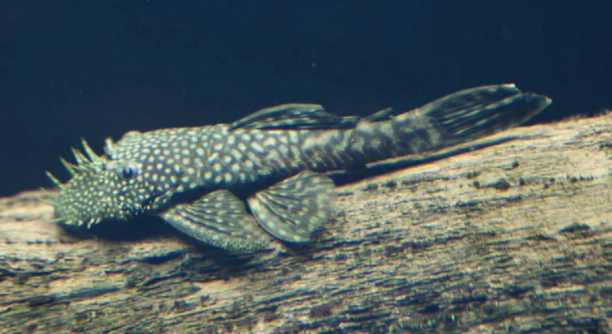
Is your pleco acting unusually slow after a recent water change? Many fish owners notice this sudden change in behavior, which can be surprising. Adjustments in water conditions often affect your pleco’s energy levels temporarily.
Plecos often appear lazy after a water change due to stress from sudden shifts in temperature, pH, or water chemistry. Their reduced activity is a natural response, allowing them to acclimate safely to the new environment.
Understanding why your pleco slows down can help you support its health effectively. Small adjustments and careful observation can make a significant difference in their recovery.
Common Reasons Plecos Slow Down After a Water Change
After a water change, plecos can show slower movement for several reasons. Sudden shifts in temperature or pH create stress, which makes them conserve energy. Even small differences in water chemistry, such as hardness or chlorine levels, can affect their activity. New water may lack the familiar bacteria and minerals that plecos are used to, which can temporarily disturb their comfort. If the tank is cleaned too thoroughly, hiding spots and surfaces with beneficial biofilm are reduced, causing plecos to feel exposed. Stress may also be amplified if multiple changes happen at once or if the tank is overcrowded. Plecos are sensitive fish, and their slower behavior is often a way to recover quietly. Observing changes over a few days can help identify which factor is affecting them most. Maintaining stability in tank conditions is key to keeping them active and healthy over time.
Monitoring water conditions carefully after each change helps prevent further stress.
Plecos may hide more than usual after water changes, spending extra time under decorations or driftwood. They will often resume normal activity once the water parameters stabilize. Adding gentle aeration, checking temperature, and leaving some biofilm intact can encourage them to feel safe again. It’s important not to overfeed during this adjustment period, as their appetite may decrease temporarily. Consistent tank maintenance and gradual water adjustments make transitions smoother. Keeping notes on behavior after each change can help spot patterns and prevent repeated stress. Some plecos react differently based on species, so observing their usual habits helps tailor care. Avoiding sudden large changes ensures their immune system is not compromised, allowing them to regain energy naturally. Patience and careful observation often resolve temporary laziness without medical intervention.
How to Support Your Pleco During Recovery
Offering a calm, stable environment can reduce stress and help plecos regain normal activity.
During recovery, avoid frequent handling or moving decorations, as this adds stress. Ensure water is at a stable temperature and free from chemicals. Feeding should focus on familiar foods, given in smaller amounts to match their reduced appetite. Gentle filtration helps maintain water clarity without creating strong currents that can tire the fish. Observing the pleco daily helps notice any lingering issues early. Biofilm, driftwood, and hiding spots should be left intact to provide comfort. Gradual water changes in smaller amounts rather than a full replacement reduce sudden shifts. By monitoring pH, hardness, and temperature consistently, you give your pleco a safer environment to adjust. Recovery times can vary, so patience is important. Supporting natural behaviors, like grazing and resting in shelters, encourages energy restoration. Avoid introducing new fish or decorations during this time, which could increase stress. Following these steps ensures your pleco adapts calmly to its refreshed habitat.
Adjusting Water Parameters Slowly
Small, gradual changes in water parameters help plecos adapt without stress. Sudden shifts in pH, temperature, or hardness can make them hide and reduce activity. Monitoring these levels ensures their environment stays stable and comfortable.
Adjusting water slowly means changing only 10–20% at a time. Rapid alterations in pH or temperature can shock plecos, causing lethargy or illness. Adding water gradually over several hours, instead of all at once, allows them to acclimate naturally. Using a test kit daily helps track fluctuations. Avoid adding chemicals or conditioners in large doses. Even minor changes in hardness or mineral content affect sensitive fish. Patience during this period ensures plecos remain healthy.
Temperature consistency is crucial for recovery. Plecos are tropical fish, so maintaining 74–78°F helps them stay active. Avoid letting heaters fluctuate, and check for cold drafts or strong currents. Overly warm or cold water increases stress, slows metabolism, and reduces appetite. A stable environment supports immune function and encourages normal behavior. Observing their habits after each adjustment confirms the water is suitable, letting you respond if they remain inactive.
Feeding Tips During Recovery
Offer familiar foods in smaller portions to match reduced appetite. Avoid overfeeding, as uneaten food can harm water quality and prolong stress.
During recovery, plecos may graze less and prefer their usual diet. Providing algae wafers, blanched vegetables, or sinking pellets helps them eat comfortably. Small, frequent feedings prevent water contamination and encourage gradual energy restoration. Avoid introducing new foods that could overwhelm them. Observing how much they consume guides portion sizes. Timing feedings consistently helps maintain routine and reduces stress. Ensuring a calm, quiet environment during feeding supports their natural behavior and recovery process.
Adding variety helps stimulate activity. Incorporate driftwood and occasional fresh vegetables for grazing. Removing uneaten food promptly prevents ammonia spikes. Feeding at the same time daily creates a predictable routine, reducing anxiety. Watching their response to different foods helps identify preferences. Maintaining clean water and stable parameters while feeding ensures energy is restored safely. A balanced approach encourages the pleco to regain strength and resume normal behavior, supporting overall health and comfort in the tank.
Providing Hiding Spots
Plecos feel safer with plenty of hiding spots. Driftwood, caves, and plants give them places to rest and recover after water changes.
Hiding areas reduce stress and allow plecos to adjust at their own pace. Open spaces may make them feel exposed and less active.
Monitoring Water Quality
Regularly check ammonia, nitrite, nitrate, and pH levels. Keeping these parameters stable prevents stress and health problems for your pleco. Sudden spikes or drops can cause lethargy, making careful monitoring essential for their recovery.
Gentle Tank Maintenance
Perform light cleaning to avoid disturbing biofilm or removing too many beneficial bacteria. Minimal interference helps plecos stay comfortable while adapting to changes.
FAQ
Why is my pleco hiding after a water change?
Plecos hide after a water change because they feel stressed from the sudden difference in water conditions. Changes in temperature, pH, or water hardness can make them feel unsafe. Providing driftwood, caves, or plants gives them secure spots to rest until they adjust.
How long does it take for a pleco to return to normal behavior?
Recovery time varies depending on the degree of change and the pleco’s species. Some plecos may become active within a few hours, while others take several days. Consistently maintaining stable water conditions, proper hiding places, and gentle feeding helps them regain normal activity more quickly.
Should I adjust water parameters immediately after noticing laziness?
No, abrupt adjustments can increase stress. Check the water parameters first using a test kit. If levels are outside safe ranges, correct them gradually over several hours or days to allow the pleco to acclimate safely without harming its health.
Is it normal for plecos to eat less after a water change?
Yes, decreased appetite is a common response to stress. Plecos may graze lightly or avoid food for a short period. Offering small portions of familiar foods, like algae wafers or blanched vegetables, encourages eating without compromising water quality. Avoid forcing feedings, as this can increase stress.
Can water temperature cause laziness in plecos?
Yes, temperature fluctuations directly affect their metabolism. Plecos are tropical fish that thrive around 74–78°F. Colder water slows them down, while sudden increases can cause stress. Using a reliable heater and monitoring tank temperature ensures a stable environment for normal activity.
Are certain pleco species more sensitive to water changes?
Some species, like bristlenose or rubber lip plecos, tend to be more sensitive than larger common plecos. They react to small changes in pH, hardness, or temperature more noticeably. Observing your species’ typical behavior helps guide care and prevent prolonged stress.
What role does biofilm play in a pleco’s activity?
Biofilm provides a natural food source and comfort for plecos. Cleaning the tank too thoroughly removes biofilm, which can reduce grazing opportunities and cause stress. Leaving some surfaces untouched during maintenance encourages them to stay active and feel secure.
Should I add stress-reducing additives to the water?
Stress-reducing additives can help in certain situations, but they are not always necessary. Focus first on stabilizing water parameters, providing hiding spots, and maintaining a gentle environment. Only use additives as a temporary support, following the instructions carefully to avoid overdosing.
How can I tell if my pleco is sick or just stressed?
Signs of illness include faded coloration, frayed fins, rapid gill movement, or unusual swimming patterns. Stress alone usually causes hiding, reduced activity, or less eating but without visible physical changes. Observing behavior closely after water changes helps differentiate stress from disease.
Is it okay to leave my pleco alone during recovery?
Yes, giving your pleco space is important. Interfering too much or moving decorations adds stress. Ensure hiding spots, stable water, and gentle feeding, and observe from a distance. Most plecos gradually return to normal behavior without direct interaction.
How often should I perform water changes for sensitive plecos?
Smaller, more frequent water changes are better than large, infrequent ones. Changing 10–20% weekly helps maintain water quality without shocking sensitive plecos. Consistency and gradual adjustments prevent stress and keep them healthy over time.
Can lighting affect pleco activity after a water change?
Yes, bright or sudden lighting can make stressed plecos hide more. Dim or indirect lighting allows them to feel secure. Gradually increasing light levels and maintaining a regular day-night cycle supports normal behavior and activity.
What signs indicate my pleco is fully recovered?
Active swimming, regular grazing, consistent eating, and use of the tank’s full space indicate recovery. They may resume interacting with decorations and other fish normally. Patience and careful observation ensure you know when they are comfortable again.
Are there preventive measures to reduce post-water change stress?
Yes, acclimate new water gradually, avoid sudden temperature or pH shifts, provide hiding spots, and maintain stable water quality. Monitoring behavior and adjusting maintenance routines can reduce stress and help plecos stay active even after regular water changes.
How important is tank layout during recovery?
Tank layout matters a lot. Driftwood, caves, and plants create secure zones where plecos can rest. Avoid rearranging decorations immediately after a water change, as stability in their environment helps them feel safe and speeds up recovery.
Can other fish influence my pleco’s behavior after a water change?
Yes, aggressive or active tankmates can make a stressed pleco hide more. Ensuring enough space and hiding spots minimizes conflicts. Monitoring interactions during the adjustment period helps prevent prolonged stress and allows the pleco to regain confidence gradually.
What should I do if my pleco remains lazy for over a week?
If lethargy persists, test water parameters thoroughly, check for signs of disease, and consider consulting a veterinarian specializing in fish. Persistent inactivity may indicate underlying health issues beyond normal stress responses, requiring prompt attention to prevent complications.
Are slow plecos after water changes common for all aquariums?
Yes, this behavior is common across many setups. Even well-maintained tanks can cause temporary stress if water changes introduce sudden differences in chemistry or temperature. Understanding their needs helps reduce stress and supports quicker adaptation.
Do tank size and population affect recovery?
Yes, overcrowded tanks or small aquariums can amplify stress after water changes. Adequate space and proper stocking levels help plecos feel secure and recover faster. A well-planned environment reduces hiding time and encourages normal activity patterns.
Can diet influence how quickly a pleco recovers?
A balanced, familiar diet supports energy restoration. Offering preferred foods in small portions prevents further stress. Avoiding sudden dietary changes ensures the pleco can regain strength without compromising water quality or causing digestive issues.
How can I track recovery effectively?
Keep a simple log of behavior, feeding, and water parameters. Note when activity increases, hiding decreases, and appetite returns. Consistent tracking helps identify patterns, guiding future water changes and maintenance for a stress-free environment.
What is the best way to handle multiple water changes in a short period?
Divide the total volume into smaller, staged changes over days rather than one large replacement. Gradual adjustments prevent overwhelming the pleco, reduce stress, and maintain stable water chemistry, ensuring they remain healthy and active throughout maintenance.
Are there signs that indicate permanent stress from water changes?
Long-term hiding, loss of appetite, faded coloration, and refusal to interact with the environment may indicate chronic stress. Addressing water stability, providing hiding spots, and monitoring diet can prevent long-term effects, but persistent issues may require professional advice.
Is it okay to introduce new decorations after a water change?
Avoid adding new decorations immediately. Sudden changes in the environment can increase stress. Wait until the pleco shows normal activity and confidence in the tank before introducing new items, allowing them to recover fully.
Can plecos show individual differences in recovery?
Yes, each pleco may respond differently. Some adapt quickly, while others take longer to regain activity. Observing individual behavior helps tailor water changes, feeding, and hiding spots to their unique needs for smoother recovery.
What role does tank filtration play in post-water change recovery?
Filtration maintains water clarity and reduces harmful substances but should not create strong currents. Gentle filtration prevents additional stress, allowing plecos to acclimate comfortably while supporting overall water quality during the recovery period.
How do I know if water additives are helping or harming?
Observe behavior and water parameters. If activity improves without negative changes in water quality, additives are likely helping. Signs of distress, unusual swimming, or parameter spikes indicate they may be harmful or overdosed. Always follow instructions carefully.
Is it normal for plecos to be more active at night during recovery?
Yes, plecos are nocturnal by nature. Even when stressed, they may prefer hiding during the day and grazing at night. Respecting this cycle supports their natural behavior and helps monitor recovery without causing extra stress.
Can frequent testing of water parameters stress plecos?
No, testing itself does not stress plecos if done carefully. Avoid tapping the tank or disturbing decorations. Frequent monitoring ensures water stability, which is essential for reducing stress and helping plecos regain normal activity.
How do I balance cleaning with pleco comfort?
Perform light cleaning without removing all biofilm or hiding spots. Partial cleaning maintains water quality while keeping secure areas intact. Overly aggressive maintenance can prolong hiding and inactivity, so gentle methods are best during recovery.
Is it safe to feed supplemental protein during recovery?
Supplemental protein is fine in small amounts if it’s part of their usual diet. Avoid overfeeding, as excess can reduce water quality. Stick to familiar foods to ensure energy restoration without introducing unnecessary stress.
What should I do if pleco hides excessively even with stable water?
Persistent hiding may indicate stress, illness, or tankmate issues. Ensure adequate hiding spots, monitor interactions, and check for signs of disease. If behavior doesn’t improve over time, consulting a fish specialist may be necessary for proper care.
Can lighting schedules improve recovery?
Yes, consistent day-night cycles reduce stress. Gradually adjusting light levels rather than sudden changes helps plecos feel safe. Dim lighting during stressful periods allows them to emerge gradually, encouraging normal activity without causing additional stress.
How important is observation during the first few days after a water change?
Observation is crucial. Daily monitoring of behavior, appetite, and location helps identify stress signs early. Prompt action, such as adjusting parameters or providing extra hiding spots, supports quicker recovery and prevents potential health issues.
Can plecos become more tolerant to water changes over time?
Yes, gradual acclimation and consistent care help plecos adjust better to water changes. Over time, they may show less hiding and resume normal behavior more quickly after maintenance, making future changes less stressful.
Is partial water replacement better than a full water change for sensitive plecos?
Partial water changes are safer for sensitive plecos. Replacing only 10–20% at a time prevents sudden shifts in chemistry, reduces stress, and helps maintain stability in temperature, pH, and hardness, ensuring a smoother recovery.
Can tank size influence how a pleco reacts to water changes?
Yes, smaller tanks are more prone to rapid changes in water chemistry, which can stress plecos. Larger tanks buffer changes better, making plecos less likely to become lazy or hide excessively after maintenance. Proper tank volume is key to stability.
Are there signs my pleco is fully comfortable after a water change?
Normal swimming, grazing on biofilm, regular feeding, and using open spaces indicate comfort. Returning to routine behaviors shows that water conditions, hiding spots, and diet support their well-being, confirming successful adaptation.
How do I prevent stress in the long term?
Consistent water parameters, gradual changes, proper hiding spots, balanced diet, and gentle maintenance help minimize stress. Observing behavior, adjusting feeding, and respecting natural cycles ensure plecos remain active, healthy, and comfortable over time.
Can other fish recovering from water changes influence a pleco’s behavior?
Yes, tankmates also stressed by water changes can make plecos hide more. Ensuring peaceful interactions, adequate space, and multiple hiding spots helps reduce overall stress for all fish, allowing each pleco to regain normal behavior.
Is it necessary to consult a vet for post-water change stress?
Usually not, unless stress persists for more than a week or is accompanied by physical symptoms. For prolonged inactivity, unusual behavior, or visible illness, a fish veterinarian can provide guidance to ensure proper care.
Does water hardness affect post-change activity?
Yes, plecos are sensitive to sudden changes in water hardness. Abrupt shifts can cause hiding and reduced activity. Gradual adjustments with testing help maintain a comfortable environment and reduce stress.
Can plecos adapt to frequent water changes over time?
Gradually, yes. Smaller, consistent changes build tolerance, reducing hiding and lethargy after maintenance. Avoid sudden large changes, and maintain stability to support long-term comfort and activity.
Are there behavioral cues that indicate stress relief?
Emerging from hiding, grazing on surfaces, swimming around the tank, and interacting with decorations signal reduced stress. Appetite returning and using open areas show they feel safe and have regained normal activity levels.
How can I make future water changes less stressful?
Use smaller, staged changes, monitor water parameters, maintain hiding spots, and avoid sudden lighting or temperature shifts. Consistency and careful observation help plecos adapt quickly and stay comfortable during each maintenance session.
What adjustments can improve recovery for sensitive plecos?
Gradual water changes, gentle cleaning, stable temperature, familiar foods, and secure hiding spots help sensitive plecos recover faster. Observing species-specific habits ensures adjustments meet their needs, minimizing stress and promoting normal activity after water changes.
Can tank decorations impact recovery time?
Yes, decorations provide security and reduce stress. Removing or rearranging items during recovery can prolong hiding. Maintaining familiar structures helps plecos feel safe and speeds up their return to normal activity.
How does water pH influence pleco behavior?
Sudden pH changes can stress plecos, causing hiding or lethargy. Stable, species-appropriate pH levels ensure comfort. Gradual adjustments prevent activity reduction and support healthy adaptation after water changes.
What is the best way to observe pleco recovery without causing stress?
Watch from a distance without tapping the tank or moving decorations. Note activity, feeding, and location daily. Gentle observation provides insight into recovery progress while minimizing interference and additional stress.
Are there differences between juvenile and adult plecos in recovery?
Yes, juveniles may hide more and take longer to adjust, while adults often adapt faster. Understanding age-related behavior helps tailor water changes, feeding, and hiding spot placement for smoother recovery.
Does feeding time affect recovery after water changes?
Yes, consistent feeding schedules reduce stress. Offering food at the same time daily creates a predictable routine, encouraging grazing and energy restoration without overwhelming the pleco during adjustment periods.
Can stress from water changes lead to long-term health issues?
Persistent stress can weaken the immune system, slow growth, and increase susceptibility to disease. Maintaining stable water, proper diet, hiding spots, and gentle handling reduces the risk of long-term consequences.
How can I tell if my pleco is stressed versus sick?
Stress usually causes hiding, reduced activity, or decreased appetite without physical signs. Illness often shows faded colors, frayed fins, rapid gill movement, or unusual swimming. Close observation after water changes helps distinguish between the two.
Should I avoid all large water changes in the future?
Not necessarily. Large changes can be done safely if introduced gradually. Breaking them into smaller steps and monitoring water parameters ensures plecos remain comfortable and reduces stress while maintaining water quality.
Can water additives help reduce hiding and inactivity?
They can support recovery temporarily, but stable water conditions, hiding spots, and proper diet are more effective long-term. Use additives only as needed, following directions carefully to avoid stress from overdosing.
How do I know when it’s safe to add new tankmates after a water change?
Wait until plecos show normal behavior, including active swimming, grazing, and regular feeding. Introducing new fish too soon can increase stress and prolong hiding or lethargy.
Is pleco inactivity after water changes common in all home aquariums?
Yes, it happens even in well-maintained tanks. Plecos are sensitive to sudden changes in water chemistry, temperature, or environment. Understanding their needs and adjusting care helps minimize stress and support faster recovery.
How important is gradual acclimation when adding new water?
Gradual acclimation prevents shock from sudden shifts in pH, hardness, or temperature. Adding new water slowly over hours allows plecos to adapt comfortably, maintaining activity and reducing stress.
Can plecos become accustomed to water changes over time?
Yes, repeated gradual changes and stable care improve tolerance. Plecos often hide less and regain normal activity faster as they adapt to routine maintenance practices.
Are there signs of permanent stress to watch for?
Chronic hiding, loss of appetite, faded colors, or refusal to use open spaces may indicate long-term stress. Ensuring stability, hiding spots, and diet helps prevent permanent effects, but professional advice may be needed for persistent issues.
How can I encourage grazing during recovery?
Provide biofilm-rich surfaces, driftwood, and blanched vegetables. Small, consistent feedings and gentle observation encourage grazing behavior without adding stress, helping plecos regain energy naturally.
Do water change frequency and size impact pleco stress levels?
Yes, smaller, frequent changes reduce sudden chemical shifts, while large, infrequent changes increase stress. Consistency and gradual adjustments help plecos maintain normal behavior and prevent prolonged hiding or inactivity.
Can lighting and tank placement affect pleco recovery?
Bright lighting or sudden exposure can increase hiding. Indirect lighting, consistent day-night cycles, and stable tank placement create a secure environment, supporting normal activity and reducing post-water change stress.
How do I balance cleaning with pleco comfort?
Light cleaning that preserves biofilm and hiding spots maintains water quality without adding stress. Avoid deep scrubbing immediately after a water change, as plecos need stable surroundings to recover.
Can plecos show signs of stress even if water parameters are stable?
Yes, environmental factors like lighting, tankmates, or rearranged decorations can cause hiding or inactivity. Observing behavior and adjusting the environment ensures plecos feel safe while adapting.
What should I do if my pleco refuses food after a water change?
Offer familiar foods in small portions and allow them to graze naturally. Avoid forcing feedings. If appetite does not return after several days, check water parameters and monitor for illness.
Can partial water changes reduce stress more than full ones?
Yes, replacing only a portion of the water gradually reduces chemical and temperature shifts, minimizing hiding and inactivity. Partial changes are safer for sensitive plecos.
Is it normal for plecos to return to normal behavior at different speeds?
Yes, recovery time varies by species, age, and individual temperament. Observing each pleco’s behavior ensures tailored care, preventing stress and supporting gradual adaptation after water changes.
How can I make future water changes less stressful?
Perform smaller, staged changes, maintain stable parameters, keep hiding spots intact, and respect lighting cycles. Consistent care and gentle observation reduce stress and help plecos adapt more quickly.
Can diet variety influence recovery speed?
Yes, offering familiar and easy-to-digest foods supports energy restoration. Balanced diets with vegetables and algae wafers encourage grazing, keeping plecos active without compromising water quality.
Are there species-specific behaviors to watch during recovery?
Yes, some plecos are more nocturnal, shy, or sensitive to change. Understanding your species’ habits helps anticipate hiding,
Final Thoughts
Plecos are sensitive fish that react strongly to changes in their environment. A water change, even when done carefully, can create temporary stress that leads to hiding, reduced movement, and decreased appetite. Understanding that this behavior is usually normal helps manage worry and ensures proper care. It’s important to recognize that plecos rely on stable water conditions, familiar hiding spots, and a calm environment to feel safe. Small details like the temperature, pH, hardness, and presence of biofilm can all influence how they respond to maintenance. By keeping these factors consistent and making adjustments gradually, plecos are more likely to recover quickly and return to their regular behaviors. Observing their habits closely during and after water changes allows you to notice subtle signs of stress and take corrective measures before they escalate.
Recovery from a water change can vary from fish to fish. Some plecos may regain activity within a few hours, while others need several days to resume normal behavior. Providing plenty of hiding spots, such as driftwood, caves, or dense plant areas, encourages them to feel secure while adjusting. Feeding should focus on familiar foods, given in small portions to prevent overfeeding and maintain water quality. During this time, avoid rearranging decorations or adding new tankmates, as sudden changes can add extra stress. Maintaining a predictable environment with gentle lighting, consistent feeding schedules, and careful water management helps plecos adapt more comfortably. Regular testing of water parameters ensures stability and allows you to respond quickly if a sudden shift occurs. Even minor adjustments can make a difference in how quickly a pleco returns to its usual activity levels.
Patience is key when managing a pleco after a water change. Sudden movement, aggressive cleaning, or frequent handling can prolong recovery. Focusing on gradual water adjustments, a balanced diet, and a stable environment supports their natural behavior and overall well-being. Stress from water changes is typically temporary, but careful monitoring is essential to prevent it from becoming a long-term issue. Over time, plecos can adapt to routine maintenance, showing less hiding and returning to normal grazing and swimming patterns more quickly. Understanding their needs and responding thoughtfully ensures a healthy, comfortable habitat, helping your pleco remain active and happy for the long term. Regular observation, consistent care, and attention to their environment create a sense of security, making each water change less stressful and allowing your pleco to thrive in its tank.

Hello,
If you enjoy the content that we create, please consider saying a "Thank You!" by leaving a tip.
Every little bit helps us continue crafting quality advice that supports the health, happiness, and well-being of pets around the world, for pets of all shapes, sizes, and species.
We really appreciate the kindness and support that you show us!