
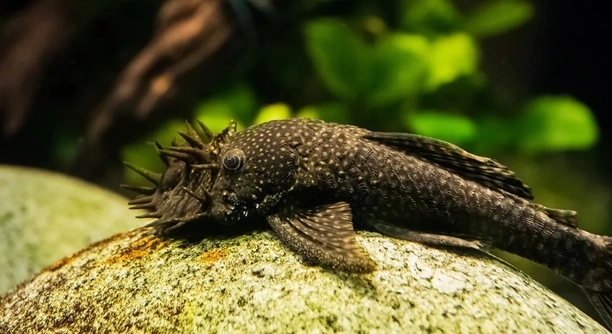
Are your plecos acting restless or refusing to breed, leaving you puzzled about what might be stressing them out? Breeding plecos can be a delicate process that requires attention to even the smallest details in their environment.
The main factors that can stress breeding plecos include poor water quality, incorrect temperature, inadequate hiding spots, and territorial disputes. Other issues like sudden changes in lighting, overcrowding, and insufficient diet can also disrupt their breeding behavior and overall well-being.
Understanding these stressors can help create a stable and comfortable environment that encourages successful breeding and keeps your plecos healthy and content.
Poor Water Quality
Clean water plays a vital role in keeping breeding plecos healthy and stress-free. When the water parameters shift, even slightly, plecos can become uneasy and less likely to breed. Ammonia, nitrite, and nitrate levels must remain stable, and consistent water changes are essential. It’s also important to avoid using harsh chemicals or over-cleaning the tank, as this can disrupt the beneficial bacteria. Temperature consistency matters just as much—sudden drops or spikes can shock the fish, especially breeding pairs. By keeping the tank well-filtered, maintaining steady parameters, and testing the water regularly, you help your plecos thrive and feel secure.
Poor water conditions can quickly make plecos lose interest in breeding. When toxins build up, they become sluggish, eat less, and retreat more often. Consistent maintenance, proper filtration, and partial water changes every week keep stress low and promote steady breeding behavior.
Testing your water weekly is one of the simplest ways to ensure a healthy breeding environment. Avoid overfeeding since leftover food can pollute the tank. Adding driftwood or live plants can also support water stability by providing natural filtration and comfort. When your plecos sense a safe and balanced habitat, they’re far more likely to breed successfully and show natural behaviors.
Inadequate Hiding Spots
Plecos feel most comfortable when they have secure spaces to retreat to. In breeding tanks, hiding spots play an essential role in reducing stress. Without proper shelters, plecos can become territorial, anxious, and aggressive toward tank mates.
Provide multiple caves, tubes, and shaded areas for both males and females. Breeding males especially need a chosen cave to guard eggs, so each should have one suited to their size. Using smooth, dark materials helps them feel safer, while natural-looking decorations mimic their native habitats. Avoid rearranging their shelters too often, as this can disrupt established territories and breeding patterns. When plecos feel hidden and secure, their stress levels drop significantly, allowing breeding behavior to occur naturally. Creating a balanced mix of open swimming areas and private spaces encourages relaxation, ensuring your plecos stay calm and comfortable during breeding cycles.
Sudden Temperature Changes
Plecos rely on stable water temperatures to remain calm and active. Frequent fluctuations can quickly stress them, affecting both their health and breeding habits. Consistency is key—maintaining a steady temperature within their ideal range helps them stay relaxed and ready to reproduce.
When temperatures drop too low, plecos may become sluggish and less responsive to breeding cues. On the other hand, high temperatures can increase oxygen demand and cause agitation. Using a reliable aquarium heater and thermometer ensures stable conditions. It’s best to make gradual adjustments rather than sudden shifts, especially during water changes. This helps prevent thermal shock and keeps breeding pairs comfortable. Plecos also benefit from steady room temperatures, so avoid placing tanks near windows or vents. Maintaining control over these small details supports successful breeding and reduces unnecessary stress.
Temperature stability also influences egg survival. When water is too warm or too cold, eggs may not develop properly, leading to failed breeding attempts. Consistency allows males to guard eggs without abandoning them due to stress. Investing in an automatic temperature regulator can prevent fluctuations overnight or during colder seasons. By focusing on gradual stability rather than frequent adjustments, you’ll keep both the adult plecos and their future offspring in better condition for breeding success.
Overcrowding
Overcrowded tanks can make plecos highly territorial, especially during breeding. When too many fish share a confined space, aggression rises, and stress follows. Each pleco needs enough room to claim territory, feed comfortably, and find suitable spots for nesting without constant competition.
Proper tank size is crucial for reducing tension. A breeding pair of plecos should have at least a 30-gallon setup, with additional space for each extra fish. Decorations and hiding spots help divide territories, giving each pleco a personal zone. Overcrowding not only leads to aggression but also increases waste levels, affecting water quality and oxygen. To manage this, maintain a balance between fish quantity and tank capacity. Regular monitoring and occasional separation of aggressive individuals can help maintain harmony. A peaceful, spacious environment allows breeding plecos to focus their energy on nesting and caring for their eggs rather than fighting for territory.
Inconsistent Lighting
Plecos can become stressed when lighting conditions change too often. Sudden brightness or irregular light schedules disturb their natural rhythm, making them hide more and breed less. A consistent day-night cycle helps them feel secure and encourages normal, calm behavior during breeding.
Soft, dim lighting works best for plecos, especially when breeding. Too much brightness makes them anxious, while darkness all the time can disrupt feeding and spawning. Using a timer to manage lighting ensures consistency and reduces stress, helping plecos maintain their natural breeding cycles with greater comfort and stability.
Insufficient Diet
Plecos need a balanced diet rich in plant matter, protein, and fiber to remain healthy and reproduce successfully. Poor nutrition leads to low energy, weakened immune systems, and failed breeding attempts. Offer a mix of algae wafers, fresh vegetables, and occasional protein sources like bloodworms or shrimp. Supplementing their meals with driftwood for fiber also aids digestion. Avoid overfeeding, as leftover food can pollute the tank and raise toxin levels. Feeding smaller portions twice daily keeps plecos active and improves their breeding potential through steady nourishment and a stable digestive rhythm.
Territorial Disputes
Male plecos can become aggressive when claiming breeding caves. When multiple males compete for space, fights can occur, stressing both them and nearby females. Providing several caves and separating dominant individuals helps reduce conflict, creating a calmer environment that supports consistent and stress-free breeding behavior.
FAQ
How can I tell if my plecos are stressed?
Stressed plecos often show changes in behavior such as hiding more than usual, losing color, or refusing food. You might also notice faster breathing, sluggish movement, or erratic swimming patterns. Sometimes they become territorial or retreat into their caves more often than normal. Keeping a close eye on their habits helps you detect stress early. When these signs appear, check the water quality, temperature, and lighting, as even small imbalances can trigger anxiety. Restoring stable conditions usually helps plecos recover and resume their regular activity and breeding routines.
What is the ideal water temperature for breeding plecos?
Plecos breed best when the water temperature stays between 78°F and 82°F (25°C–28°C). This range encourages both activity and successful egg development. Avoid quick temperature changes, as they can interrupt breeding behavior or harm developing eggs. Using a heater with a thermostat helps maintain consistent warmth, especially in cooler environments. Sudden drops or spikes cause unnecessary stress and can discourage breeding entirely. Gradual adjustments over several hours are safer when changes are needed. By keeping water temperature stable, you create the right conditions for healthy, consistent breeding results.
How often should I change the water in a breeding tank?
A weekly partial water change of 20–30% is ideal for maintaining a clean and balanced breeding tank. Frequent but smaller changes are better than large, infrequent ones, which can shock the plecos. During breeding periods, extra care should be taken to avoid disturbing nests or eggs. Always use dechlorinated water that matches the tank’s temperature and parameters. Consistency is more important than volume, as it helps sustain beneficial bacteria and keeps toxins under control. This simple routine keeps the water stable and supports healthier, stress-free breeding conditions.
Why is my pleco refusing to breed even though the water is perfect?
Even with good water conditions, plecos may refuse to breed due to other stress factors. Inadequate hiding spots, poor diet, or too much light can discourage them. Sometimes, it’s simply a matter of timing—some pairs take longer to bond. Ensuring that each pleco has its own space, a protein-rich diet, and a calm environment helps encourage breeding. It’s also important to allow time for maturity; younger plecos may not be ready yet. Patience, consistency, and gentle tank management often lead to successful breeding once the pair feels secure.
Can lighting affect pleco breeding behavior?
Yes, lighting directly influences pleco comfort and breeding. Bright or inconsistent light can make them anxious, while steady dim lighting promotes calmness and natural activity. Plecos are nocturnal by nature, so they prefer soft, low light that mimics shaded environments. Too much brightness discourages them from leaving their caves or caring for eggs. A reliable light timer set for 10–12 hours of light per day works well to maintain balance. Keeping the lighting predictable allows them to settle into a natural rhythm, encouraging steady and successful breeding.
Do plecos need caves to breed successfully?
Absolutely. Caves are essential for breeding because male plecos guard the eggs inside them. Without secure caves, breeding behavior rarely occurs. Each male should have at least one appropriately sized cave where he can claim territory and protect the eggs. These structures provide privacy, reduce aggression, and make the fish feel safe. Natural-looking materials like ceramic tubes or driftwood are excellent choices. The cave’s entrance should be small enough for the male to defend but large enough for him to move comfortably. Proper cave placement helps ensure calmer breeding interactions.
What foods should I feed my breeding plecos?
A balanced diet keeps breeding plecos healthy and active. Offer algae wafers, blanched vegetables like zucchini or cucumber, and protein sources such as shrimp or bloodworms. Driftwood also supports digestion and helps replicate their natural environment. Avoid overfeeding, as leftovers can pollute the tank and harm water quality. Feeding twice daily in small portions keeps energy levels stable. During breeding, increase protein intake slightly to help females produce eggs and males maintain strength for guarding. A consistent, nutrient-rich diet helps encourage breeding behavior and keeps plecos vibrant and healthy.
How can I reduce aggression among breeding plecos?
Aggression usually occurs when too many plecos compete for territory. To reduce tension, provide enough caves, plants, and decorations to create separate zones. Avoid overcrowding, and keep tank mates peaceful. If fights persist, separate dominant males or use tank dividers. Maintaining good water quality and steady lighting also helps calm behavior. Observation is key—addressing stress triggers quickly prevents injuries and supports smoother breeding cycles. When plecos feel secure and have clear territories, aggression decreases, leading to a more balanced and peaceful breeding environment overall.
Final Thoughts
Breeding plecos can be a rewarding experience, but it requires patience and consistency. These fish are sensitive to changes in their surroundings, and even small disruptions can affect their comfort and willingness to breed. Stable water conditions, proper temperature control, and consistent lighting are all key elements in maintaining a stress-free environment. Plecos thrive in calm, predictable settings where they feel secure and supported. A well-maintained tank not only encourages natural breeding behaviors but also promotes healthier, longer-lived fish. Paying attention to details like diet, water chemistry, and tank layout goes a long way in ensuring success.
Stress is one of the biggest obstacles in breeding plecos. It can come from overcrowding, poor water quality, sudden environmental changes, or lack of shelter. Each of these factors may seem minor on its own but can combine to create a hostile environment for breeding. Providing enough hiding spots, ensuring clean water, and feeding a balanced diet are simple yet effective ways to reduce this tension. Observation also plays an important role—watching how your plecos interact can reveal early signs of stress or discomfort. Addressing problems quickly helps prevent them from growing worse and supports a stable breeding environment where the fish can feel at ease.
Successful breeding is about balance. Every element in the aquarium—from lighting to temperature to feeding—should work together to create harmony. Breeding plecos are more likely to thrive when they feel safe and their needs are consistently met. Over time, you will begin to understand their habits and preferences, making it easier to anticipate what they need before problems arise. Small, thoughtful adjustments often make the biggest difference in keeping plecos calm and healthy. When their stress is minimized, breeding becomes a natural and rewarding process rather than a challenge. With patience, care, and attention to detail, you can create an environment where your plecos not only breed successfully but also live comfortably, displaying their vibrant colors and unique personalities in a healthy, stable home.

Hello,
If you enjoy the content that we create, please consider saying a "Thank You!" by leaving a tip.
Every little bit helps us continue crafting quality advice that supports the health, happiness, and well-being of pets around the world, for pets of all shapes, sizes, and species.
We really appreciate the kindness and support that you show us!